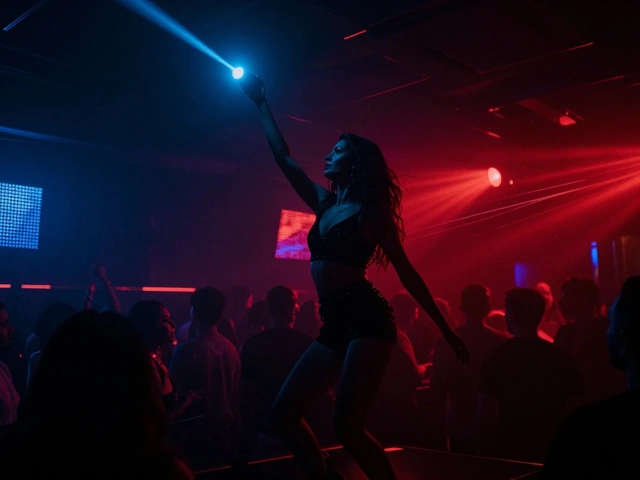
Ever looked at a photo and felt your chest tighten without knowing why? That’s not magic. It’s language. In Photographic Composition is the deliberate arrangement of visual elements within the frame to guide the viewer's eye and evoke specific feelings. When paired with light, it becomes a silent conversation between the photographer and the audience. You don’t need words to say "lonely" or "joyful." You just need the right angle and the right beam of sun hitting a wall.
Most people think photography is about capturing reality. But really, it’s about curating emotion. If you’ve ever stood in front of a blank canvas wondering how to make a picture feel *something*, this is where the real work begins. It’s less about what’s in the frame and more about how those pieces talk to each other.
The Grammar of the Frame: Why Structure Matters
Think of composition as grammar. Just like sentences have subject-verb-object structures, photos have focal points, leading lines, and negative space. Without structure, an image feels chaotic. With it, the message lands with precision.
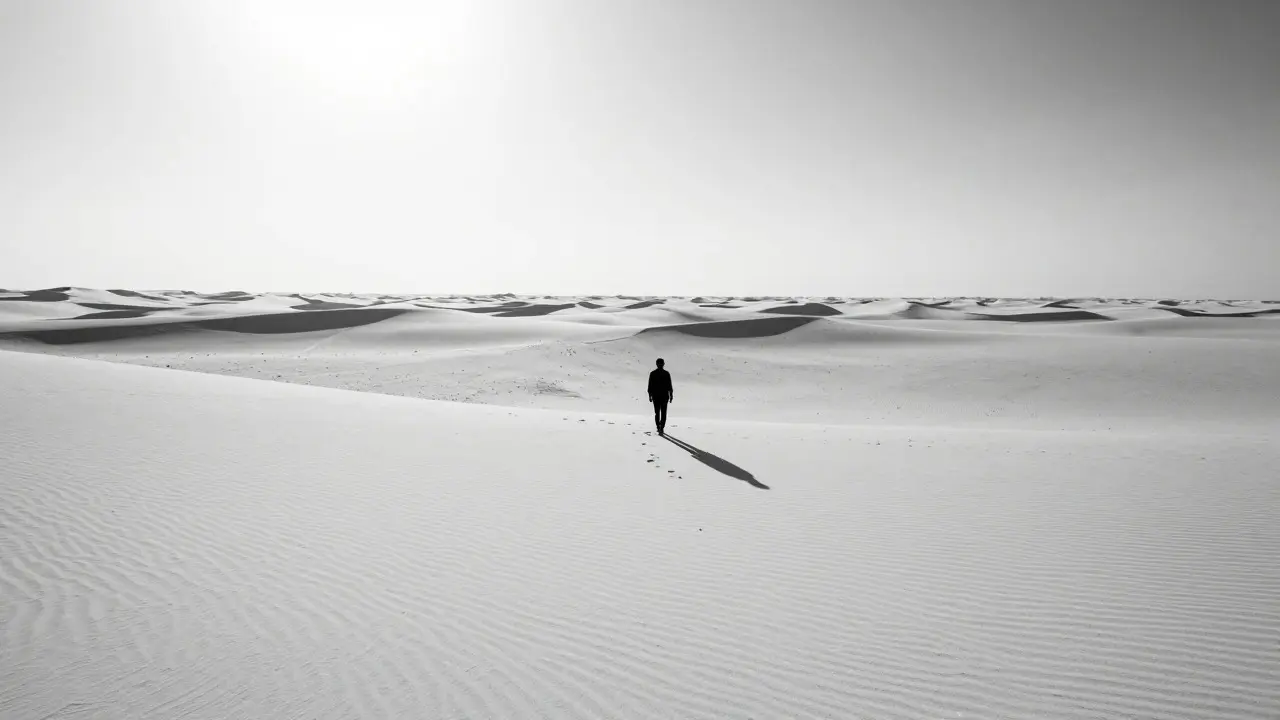
Negative Space is empty area surrounding the main subject that isolates it and creates a sense of scale or mood. It’s one of the most underused tools for emotion. A tiny figure standing in a vast, empty field doesn’t just show size; it screams isolation. Conversely, filling the entire frame with a close-up of a face removes context and forces intimacy. The lack of space pushes the viewer into the subject’s personal bubble.
- Rule of Thirds: Placing subjects off-center creates tension and movement. It feels dynamic, unstable, and alive.
- Symmetry: Centered, balanced compositions feel formal, calm, or even oppressive depending on the subject.
- Leading Lines: Roads, fences, or shadows that point toward the subject guide the eye directly to the emotional core.
When you break these rules intentionally, you create dissonance. A tilted horizon can make a happy scene feel uneasy. A perfectly centered portrait can make a joyful moment feel sterile. The choice is yours, but it must be conscious.
Lighting: The Voice of the Image
If composition is the skeleton, light is the voice. It sets the tone before the brain even processes the subject. Hard Light is light produced by a small, direct source like the midday sun, creating sharp shadows and high contrast. It feels dramatic, harsh, and urgent. Think of noir films or high-fashion editorials. It strips away softness and demands attention.
Soft Light is diffused light from large sources like overcast skies or reflectors, creating gentle gradients and low contrast. It feels forgiving, romantic, and safe. It’s the default for portraits because it flatters skin tones and reduces distracting shadows. But using soft light on a gritty street scene might dilute the story. Sometimes, you want the grit.
| Light Type | Source Example | Shadow Quality | Emotional Tone | Best Use Case |
|---|---|---|---|---|
| Hard Light | Midday Sun, Bare Flash | Sharp, High Contrast | Dramatic, Tense, Bold | Editorial, Sports, Noir |
| Soft Light | Overcast Sky, Softbox | Fade, Low Contrast | Gentle, Intimate, Calm | Portraits, Weddings, Product |
| Backlighting | Sun Behind Subject | Silhouette, Rim Glow | Mysterious, Ethereal, Hopeful | Landscape, Silhouettes |
| Rembrandt Light | 45-Degree Side Light | Triangle on Cheek | Classic, Serious, Painterly | Studio Portraits |
Color Temperature and Mood
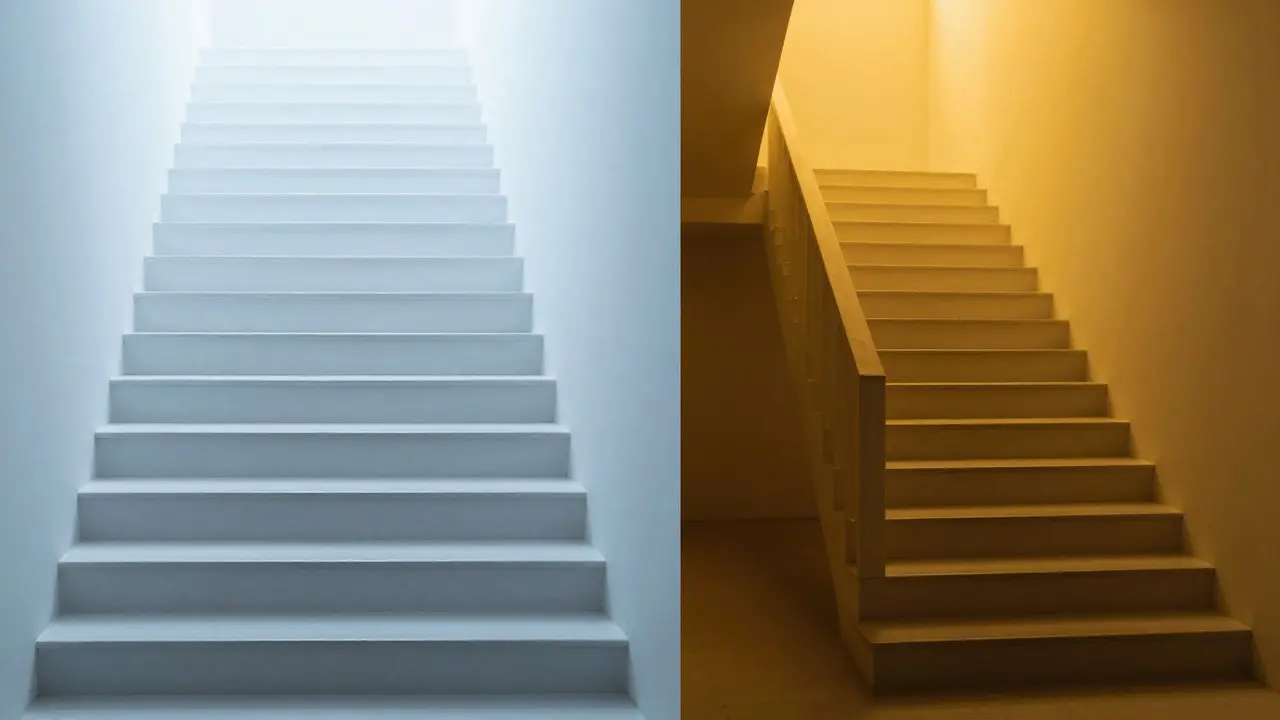
Light isn’t just about brightness; it’s about color. Color Temperature is the hue of white light measured in Kelvin, ranging from warm yellow (low K) to cool blue (high K). Warm light (around 3000K) feels nostalgic, cozy, and human. Cool light (around 6500K) feels clinical, modern, or cold.
Imagine a kitchen scene. Lit by warm tungsten bulbs, it feels like home, like family dinners and laughter. Now switch to cool fluorescent light. Suddenly, it feels like a hospital cafeteria or a late-night shift. The objects didn’t change, but the feeling did entirely. This is the power of Kelvin settings. You can manipulate time of day without moving the camera. Golden hour isn’t just pretty; it’s emotionally loaded with endings and beginnings.
Depth of Field as Emotional Focus
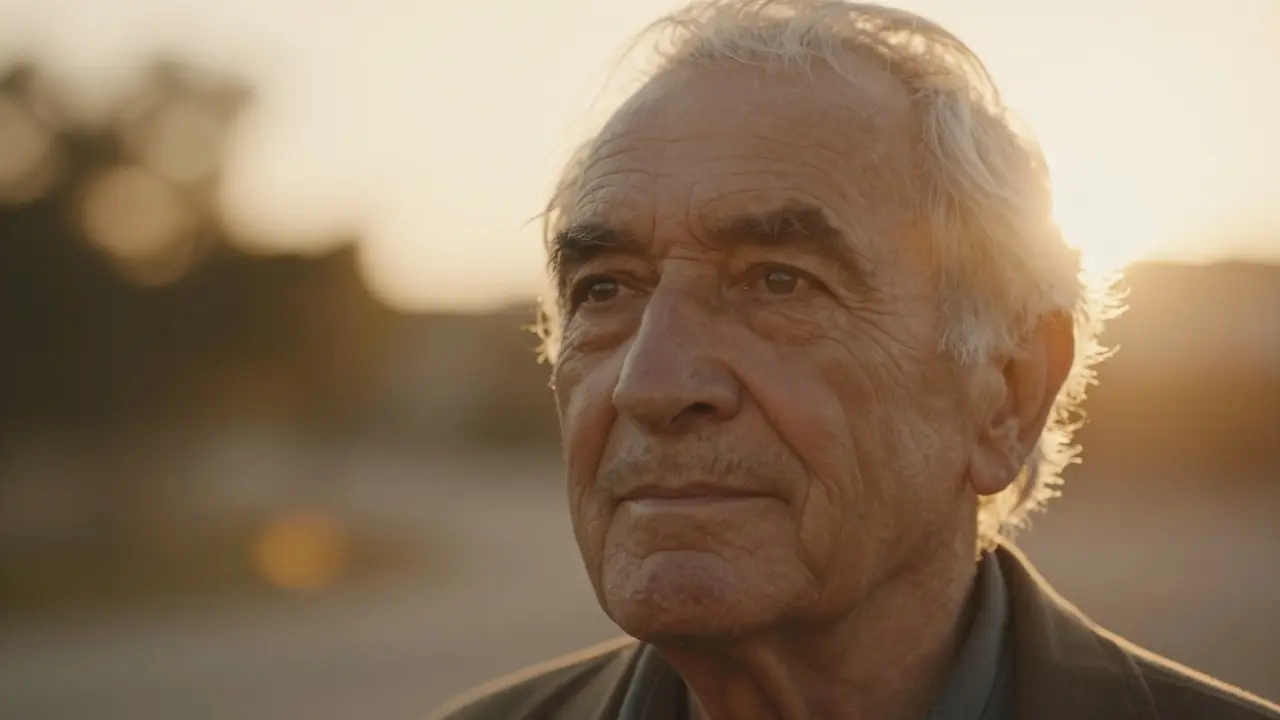
What do you want the viewer to see clearly? What should they ignore? Depth of Field is the range of distance in a photo that appears acceptably sharp, controlled by aperture setting. A shallow depth of field (wide aperture like f/1.8) blurs the background, isolating the subject. It says, "Look here and only here." It creates intimacy and separates the subject from their environment.
A deep depth of field (narrow aperture like f/16) keeps everything sharp. This is common in landscape photography, but it’s powerful in street photography too. It shows the context. It tells you where the person is coming from and where they’re going. It emphasizes connection to place rather than isolation of self.
Choosing between them is choosing between introspection and observation. Are we inside the subject’s head, or are we watching them from the outside?
Putting It Together: The Silent Conversation
Great emotional photography happens when composition and light agree. They don’t fight. They collaborate.
Consider a photo of an elderly man sitting alone in a park. If you use hard light, wide depth of field, and place him in the corner of the frame using the rule of thirds, you emphasize his smallness against the world. The hard light casts long, sharp shadows that look like bars. The wide focus shows the empty benches around him. The composition isolates him. The light makes him vulnerable. The result? Loneliness.
Now, change the variables. Keep the same subject. Use soft, warm backlighting. Place him in the center. Use a shallow depth of field to blur the busy background. The light wraps around him, creating a halo effect. The center placement gives him dignity. The blurred background removes the distraction of the crowd. The result? Peace. Acceptance. Quiet strength.
Same subject. Same location. Two completely different stories. The difference wasn’t the man; it was the language you spoke through the lens.
Practical Exercises for Emotion
You can’t learn this by reading. You have to shoot. Here are three quick drills to practice this language:
- The Shadow Drill: Find a single object (a chair, a lamp). Shoot it at noon (hard light) and at sunset (soft/warm light). Compare the two. Which feels more threatening? Which feels safer?
- The Isolation Drill: Take a portrait of a friend. First, shoot with a wide aperture (f/1.8) to blur the background. Then, stop down to f/11 to show the room. How does the relationship between the person and their space change?
- The Angle Shift: Photograph a staircase. Shoot it straight-on (symmetrical), then tilt the camera 45 degrees (Dutch angle). Does the straight shot feel stable? Does the tilted shot feel anxious?
These aren’t just technical exercises. They are emotional experiments. Pay attention to how your own gut reacts to each frame. That reaction is what your viewers will feel.
Frequently Asked Questions
Does natural light always produce better emotional results than artificial light?
No. Natural light is versatile, but artificial light allows for precise control over direction, intensity, and color temperature. A well-placed studio strobe can create more dramatic emotion than a cloudy afternoon. The key is intentionality, not the source.
How important is post-processing in conveying emotion?
Very important, but secondary to the initial capture. Post-processing can enhance mood by adjusting contrast, saturation, and color grading. However, if the composition and lighting are weak, editing cannot save the image. Fix the emotion in the camera first, refine it in the software later.
Can black and white photography convey emotion effectively?
Yes, often more effectively than color. By removing color, you force the viewer to focus on texture, shape, and light contrast. Black and white excels at conveying timeless, serious, or abstract emotions. It strips away distractions and highlights the interplay of light and shadow.
What is the best aperture for emotional portraits?
There is no single best aperture. For intimate, isolated portraits, use wide apertures (f/1.4 - f/2.8) to blur the background. For environmental portraits that show context and relationship to place, use narrower apertures (f/8 - f/11). Choose based on whether you want to isolate the subject or include their world.
How do I know if my composition is working?
Show the photo to someone who knows nothing about photography. Ask them: "How does this make you feel?" If their answer matches your intended emotion, your composition is working. If they are confused or indifferent, adjust the framing, light, or focus until the message is clear.