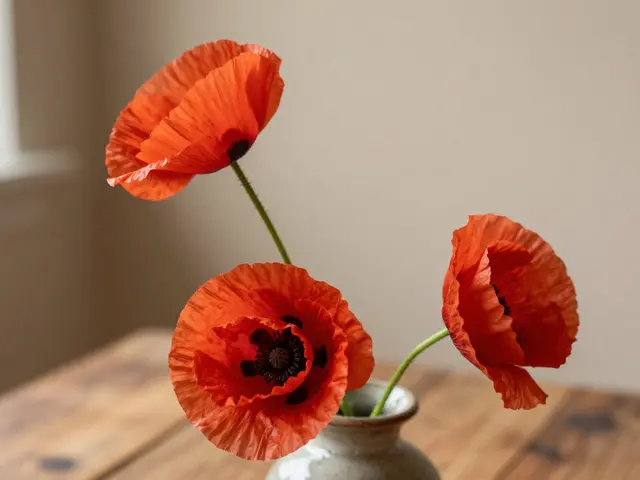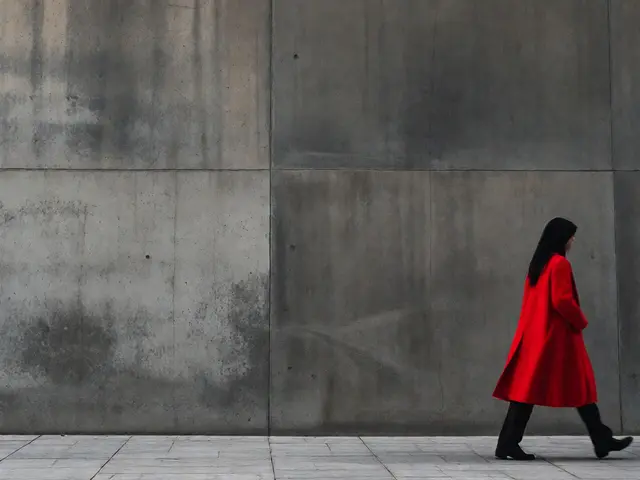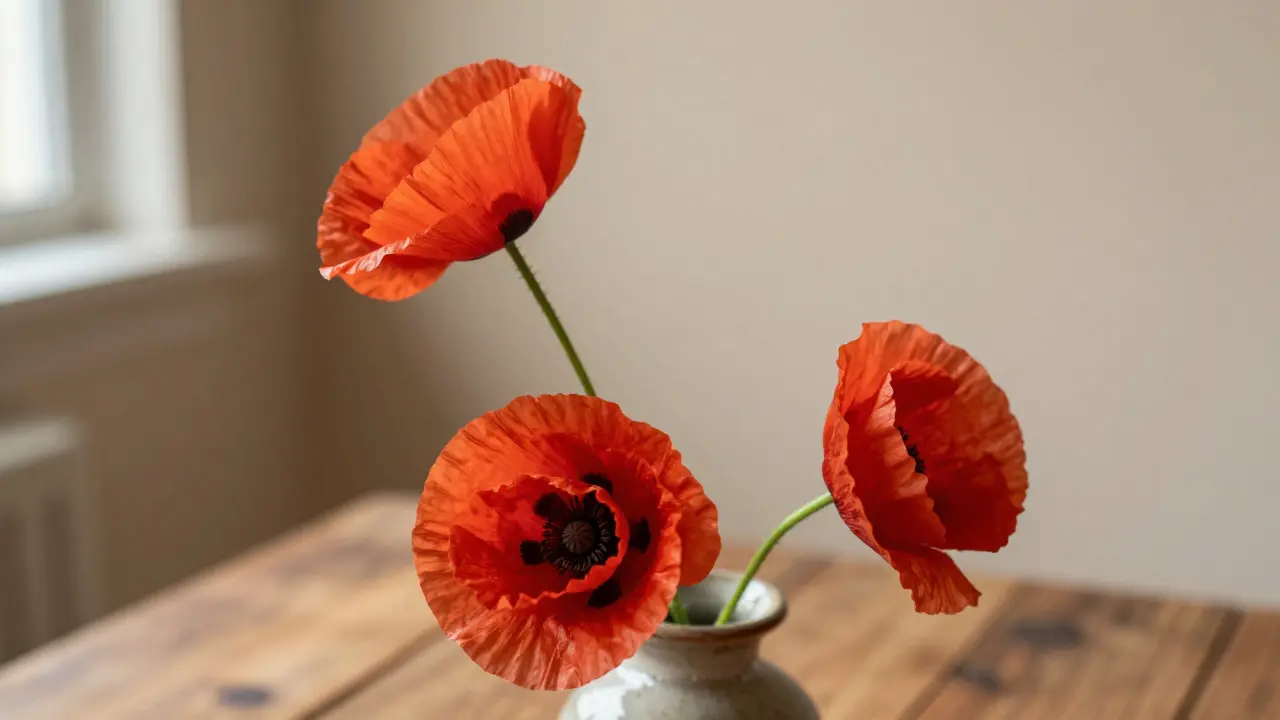
Ever stared at a photo and felt something was off, even though everything looked technically correct? The culprit is often the number of subjects. When you place an even number of objects or people in a frame, your eye struggles to find a single focal point. It bounces around, searching for a leader that isn't there. This is where the rule of odds comes in. It’s one of the most powerful, yet underutilized, tools in a photographer's kit for creating images that feel effortless and natural.
The core idea is simple: odd numbers create tension and movement, while even numbers create stability and symmetry. In nature, perfect symmetry is rare. We see asymmetry everywhere-in the way leaves grow on a branch, how stars scatter across the sky, or how clouds drift. By using odd numbers, you mimic this organic randomness, making your compositions feel more authentic and engaging to the human brain.
Why Even Numbers Feel Static
When you shoot two people standing side-by-side, they compete for attention. Your viewer’s eye doesn’t know who to look at first. It splits its focus equally between both subjects, resulting in a static, balanced image that can feel flat. This is not necessarily bad; it works well for formal portraits or architectural shots where symmetry is the goal. But for storytelling, lifestyle, or environmental photography, that equal split kills the narrative flow.
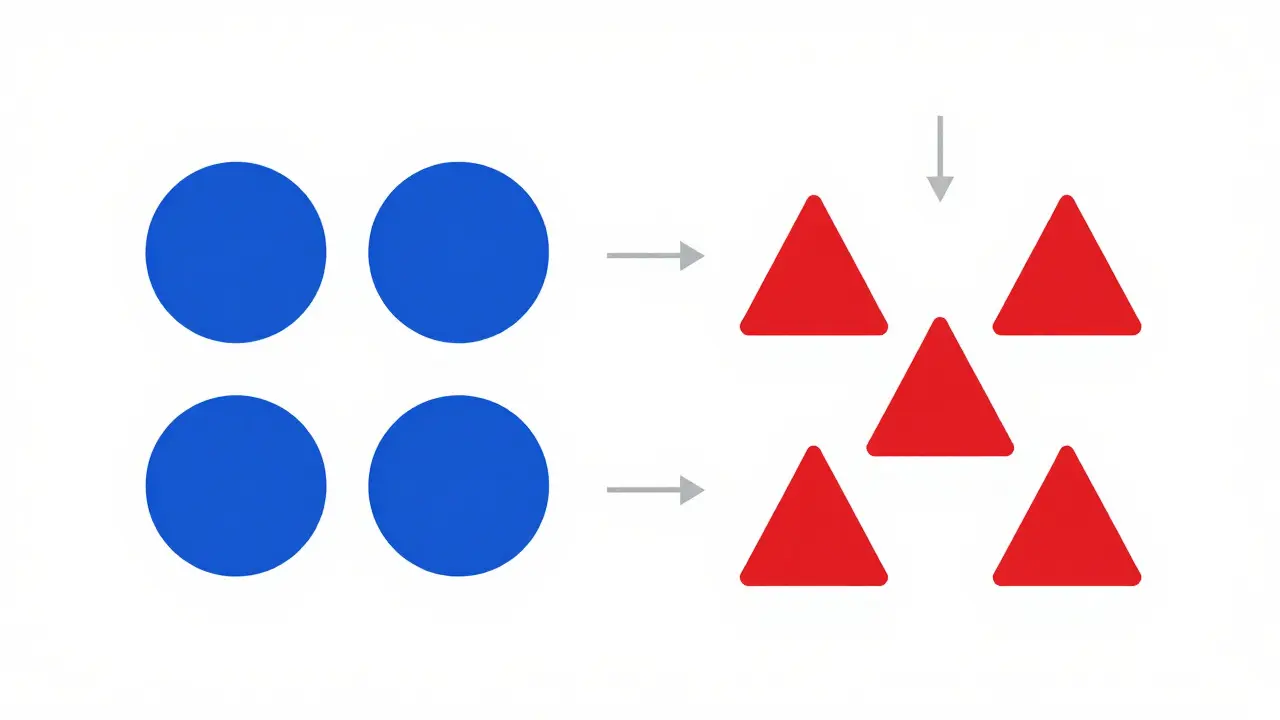
Consider a shot of four flowers in a vase. They form a rigid square or rectangle. The image feels contained and finished. Now, add a fifth flower slightly off-center. Suddenly, the composition breathes. The extra element breaks the pattern, forcing the eye to move through the frame rather than settling on a single geometric shape. This movement is what keeps viewers engaged longer.
The Psychology Behind the Rule of Odds
Human perception is wired to seek hierarchy. We naturally rank items by importance. With an even number of similar elements, there is no clear hierarchy. Every item has equal weight. With an odd number, one element inevitably becomes the 'odd one out'-the leader. This creates a subtle visual hierarchy that guides the viewer’s gaze without them realizing it.
- 1 Subject: Maximum impact. The subject is isolated and commands full attention. Best for dramatic portraits or minimalist still lifes.
- 3 Subjects: The sweet spot. You get enough elements to suggest a group or environment, but one clearly leads. It feels dynamic yet organized.
- 5 Subjects: Adds complexity and depth. Great for busy scenes where you want to show context without overwhelming the viewer.
This principle aligns with Gestalt psychology, which states that our brains organize visual information into groups. An odd number prevents the brain from grouping all elements into a single, static block, encouraging it to process the scene as a series of connected moments instead.

Applying the Rule in Real Scenarios
You don’t need to count every grain of sand. The rule applies to distinct, recognizable elements. Here’s how to use it in common shooting situations:
- Group Portraits: Instead of shooting six friends in a straight line, try five. Arrange them so one person is slightly forward or turned differently. That person becomes the anchor. If you must shoot six, have one step back or lean against a wall to break the row.
- Still Life: Plating food is a prime example. Three berries on a dessert plate look intentional. Four look like a mistake. Use three, five, or seven garnish elements to create visual rhythm.
- Landscape Elements: A landscape with two trees might feel balanced but boring. Add a third tree in the distance, or include a lone rock in the foreground. These odd-numbered anchors give the eye places to rest.
- Street Photography: Look for clusters of pedestrians. A group of three walking together is more interesting than a pair. One person might be looking down, another up, creating a triangle of action.
Notice that the elements don’t have to be identical. A mix of sizes, colors, or positions makes the 'leader' even clearer. The rule isn’t about math; it’s about breaking symmetry to create interest.
When to Break the Rule
Every rule exists to be broken, and the rule of odds is no exception. Sometimes, symmetry is exactly what you want. Architectural photography often relies on bilateral symmetry to convey order and grandeur. A perfectly centered reflection in water uses two halves (an even concept) to create peace and tranquility.
Also, consider the scale of the elements. If you’re photographing a field of thousands of wildflowers, counting them is impossible and irrelevant. The mass acts as a single texture. The rule matters most when individual elements are distinct and separable by the eye.
| Feature | Even Numbers (2, 4, 6) | Odd Numbers (1, 3, 5) |
|---|---|---|
| Visual Feeling | Static, stable, formal | Dynamic, natural, casual |
| Focal Point | Split or ambiguous | Clear hierarchy/leader |
| Best For | Architecture, formal portraits, minimalism | Lifestyle, street, still life, storytelling |
| Viewer Engagement | Quick scan, low retention | Longer dwell time, higher engagement |
Use the table above as a quick reference when planning your shot. If you want the viewer to linger, reach for the odd numbers. If you want to convey precision and order, stick with the evens.
Practical Tips for Implementation
Integrating the rule of odds into your workflow takes practice, but it becomes second nature quickly. Start by being aware of counts. Before you press the shutter, glance at the frame and ask: "Is this even or odd?" If it’s even, ask yourself if you can remove one element or add one. Often, moving one person or object changes the entire mood of the photo.
Don’t force it. If a scene naturally has four main elements, don’t delete one just to make it three. Instead, adjust your angle. Shooting from a different perspective might hide one element, effectively changing the count without altering the scene. Composition is about selection, not manipulation.
Finally, trust your gut. The rule of odds is a guideline, not a law. Some even-numbered compositions are stunning because of their perfect balance. Some odd-numbered ones fail because the 'leader' is too weak. The key is intentionality. Decide what feeling you want to evoke, then choose the number of elements that supports that feeling.
Frequently Asked Questions
Does the rule of odds apply to background elements?
Yes, but only if they are distinct and noticeable. If the background is a blurred bokeh, the specific count doesn’t matter much. However, if there are three distinct trees in the background, they will influence the composition’s balance. Treat any element that draws the eye as part of the count.
What if I have a pair of twins in a portrait?
Twins are a challenge because they are inherently even. To apply the rule, introduce a third element. This could be a parent, a pet, or a significant prop like a large hat or bag. Alternatively, position them asymmetrically so one is clearly the lead in terms of pose or expression, breaking the visual tie.
Is one subject always better than three?
Not always. One subject is best for isolation and drama. Three subjects are better for showing relationships or context. If you want to emphasize solitude, use one. If you want to show interaction or a small community, use three. The choice depends on your story, not just the number.
How does the rule of odds relate to the rule of thirds?
They work together. The rule of thirds helps you place the 'leader' of the odd-numbered group. For example, if you have three people, place the primary subject on a third-line intersection. The other two can fill the space around them, creating a balanced yet dynamic triangle. One governs placement; the other governs quantity.
Can I use the rule of odds in video framing?
Absolutely. Cinematographers use odd numbers to keep scenes visually active. A shot of three characters reacting to news is more engaging than two. In video, movement also plays a role, so an odd number of moving elements creates a more complex and watchable pattern than an even, synchronized movement.