You shot ten thousand frames at that wedding. You spent three weeks in Lightroom tweaking the exposure on your landscape series. And now you are staring at a folder with five hundred "good" images, paralyzed by the thought of picking just twenty for your website. Here is the hard truth: your portfolio isn't about showing everything you can do. It's about showing exactly what you want to be hired for.
Most photographers make the mistake of treating their portfolio like an archive. They think more volume equals more proof of skill. But clients don't have time to sift through mediocrity. If you show them ten great shots and one mediocre one, they remember the mediocre one. That single image drags down the perceived value of your entire service. So, how do you build a photography portfolio that actually converts viewers into paying clients? It starts with ruthless curation and ends with strategic presentation.
The Curation Trap: Why Less Is More
Think about the last time you went to a restaurant. Did you order every item on the menu? Probably not. You picked the dishes that sounded best. Your portfolio works the same way. You need to curate a menu of your strongest work, not dump the whole kitchen on the table.
A common rule of thumb among professional art directors is the "10-Image Rule." If you can't tell your story or demonstrate your specific style in ten to fifteen images, you're likely trying to cover too many niches. A portrait photographer who includes street photography, macro flower shots, and drone landscapes looks unfocused. It signals that you haven't found your voice yet.
Instead, ask yourself this: What is the one thing I want a potential client to feel when they look at my work? Do you want them to feel calm? Excited? Intrigued? Once you identify that emotional hook, delete every image that doesn't support it. This isn't about being mean to your old photos; it's about respecting your future client's attention span.
Defining Your Niche Before You Pick Photos
You cannot build an effective portfolio if you don't know who you are selling to. Are you targeting corporate headshots? E-commerce product shots? Lifestyle family portraits? Each of these requires a completely different visual language.
Let's say you specialize in lifestyle branding. Your portfolio needs to show candid moments, natural light, and authentic interaction between subjects. If you throw in a stiff, studio-lit headshot from three years ago, you break the immersion. The viewer wonders, "Is this person consistent? Can they deliver the vibe I see here?"
| Niche | Key Visual Elements | Common Mistake | Target Audience Goal |
|---|---|---|---|
| Wedding | Emotion, lighting consistency, variety of moments (ceremony, reception) | Including blurry artistic shots as primary heroes | Trust & Reliability |
| Commercial/Product | Clean backgrounds, sharp details, color accuracy | Over-editing colors to unrealistic levels | Clarity & Sales Conversion |
| Portrait/Headshot | Eye contact, skin texture retention, background simplicity | Using heavy beauty retouching that looks fake | Professionalism & Approachability |
| Landscape/Travel | Composition, scale, atmospheric depth | Mixing vertical and horizontal crops without context | Aspiration & Wonder |
Technical Quality vs. Artistic Voice
Here is where many beginners get stuck. They obsess over pixel-peeping. They zoom in to 400% to check for noise or chromatic aberration. While technical perfection matters, it is secondary to artistic voice. A technically flawless photo that says nothing will lose to a slightly imperfect photo that tells a compelling story.
Consider the difference between a stock photo and an editorial shot. Stock photos are often perfectly lit, sharply focused, and compositionally safe. Editorial shots might use motion blur, unconventional cropping, or moody shadows to convey a narrative. When building your portfolio, lean toward the latter. Clients hire you for your eye, not just your ability to operate a camera.
However, there is a baseline. Blurry focus due to missed shutter speed? Delete it. Incorrect white balance that makes skin tones look green? Fix it or cut it. Banding in gradients? Cut it. But if the emotion is raw and the composition is bold, forgive the minor technical hiccups. Authenticity sells better than sterility.

Structuring the Narrative Flow
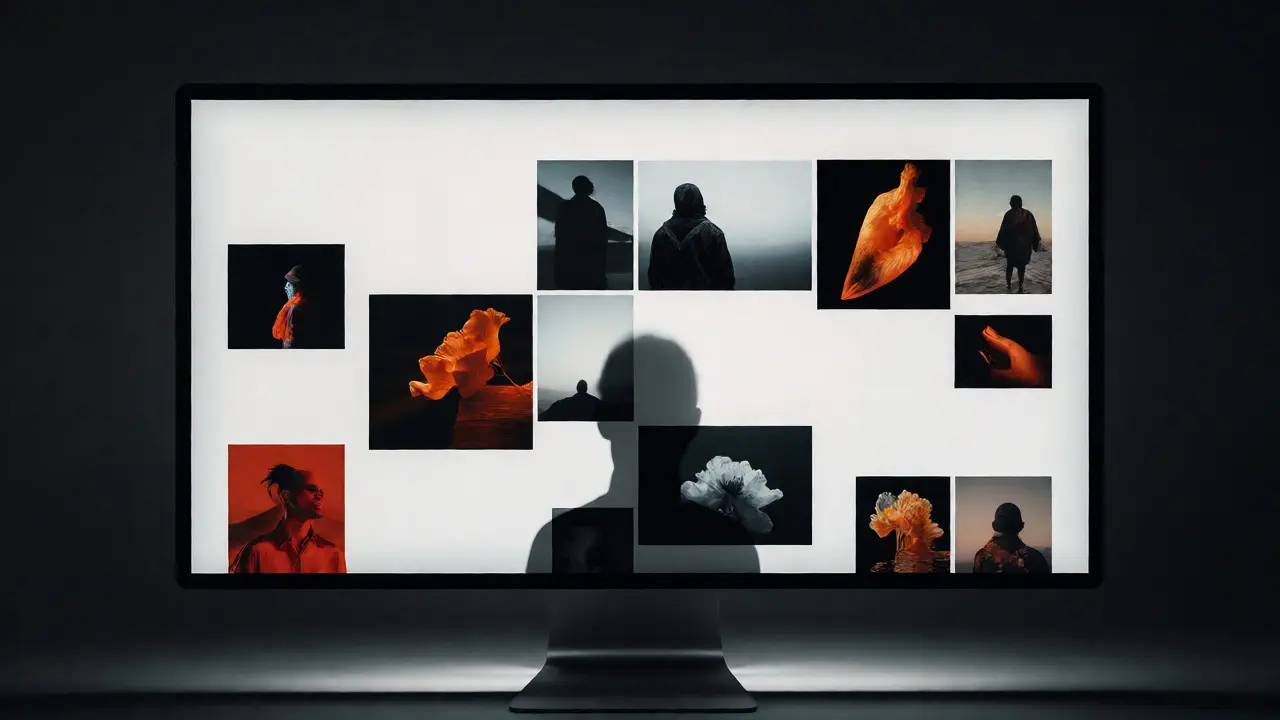
Once you have your curated selection, the order matters. Don't just sort by date taken. Think of your portfolio as a movie trailer. You need a strong opening, a middle that builds interest, and a memorable closing.
- The Hook: Start with your absolute best, most recognizable image. This is the thumbnail that stops the scroll. It should represent your niche clearly.
- The Variety: In the middle section, show range within your niche. If you shoot weddings, follow the couple from getting ready to the first dance. Show detail shots, wide angles, and intimate close-ups. This proves you can handle different lighting conditions and moments.
- The Closer: End with an image that leaves a lasting impression. This could be your most unique creative shot or a powerful emotional moment. It’s the final note that lingers after they close the tab.
Avoid grouping similar images together too tightly. If you have five sunset portraits in a row, the viewer gets bored. Break up the rhythm. Alternate between wide environmental shots and tight facial details. Keep the eye moving.
Platform Selection: Website vs. Social Media
Your Instagram grid is not your portfolio. It’s a marketing tool. Your website is your portfolio. These serve different purposes, and conflating them hurts your business.
On Instagram, algorithms favor engagement and recency. You post behind-the-scenes clips, reels, and casual updates. On your website, you control the experience. You want high-resolution images, fast loading times, and clear calls to action. Use platforms like Squarespace, Format, or WordPress with a photography-specific theme. These allow you to create dedicated galleries for different services.
For example, create separate pages for "Weddings," "Portraits," and "Commercial." Don't mix them on one endless scroll. If a corporate client lands on your site looking for headshots, they shouldn't have to scroll past twenty wedding couples to find them. Make navigation intuitive. Use breadcrumbs and clear labels.
Updating Your Portfolio: The Annual Audit
A static portfolio is a dying portfolio. The market changes, trends shift, and your skills improve. Set a calendar reminder every six months to audit your work.
Ask yourself: 1. Does this image still represent my current skill level? 2. Is this the type of work I want to get more of next year? 3. Have I received any negative feedback or questions about this specific style?
If the answer to question two is "no," remove it. Even if it was a popular shot, it might attract the wrong kind of client. If you want to move into high-end fashion but your portfolio is full of casual family snapshots, you’re sending mixed signals. Replace those older shots with new, targeted projects. You might need to shoot spec work-personal projects done specifically for your portfolio-to fill gaps.
Common Pitfalls to Avoid
Even experienced photographers fall into these traps. Watch out for them.
- The "Friend Zone": Including photos of friends and family just because they were easy to get. Unless they are exceptional examples of your niche, leave them out. Clients don't care about your social circle; they care about their own vision.
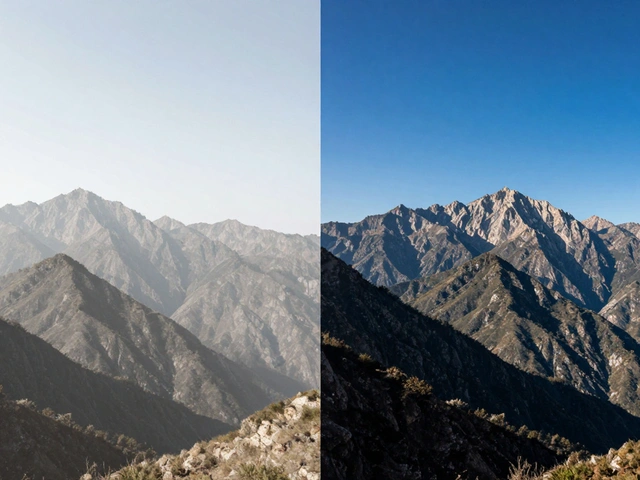
- Over-Editing: Showing a before-and-after slider is great, but ensure your "after" doesn't look artificial. Skin should retain texture. Skies shouldn't be neon blue unless that’s your signature style.
- Missing Contact Info: It sounds obvious, but many portfolios bury the contact button. Put it in the header and footer. Make it impossible to miss.
- Slow Load Times: If your high-res images take ten seconds to load, visitors bounce. Compress images using tools like TinyPNG or ShortPixel. Aim for under 3MB per image while maintaining quality.
Final Thoughts on Presentation
Building a photography portfolio is an ongoing conversation with your ideal client. It’s not a one-time task you finish and forget. Every image you choose is a statement about who you are and what you value. Be intentional. Be selective. And remember, the goal isn't to impress other photographers-it's to resonate with the people who will sign your checks.
How many photos should be in a photography portfolio?
Aim for 15-25 images total across all categories, or 10-15 per specific niche gallery. Quality always beats quantity. A shorter, highly curated portfolio keeps the viewer engaged and ensures every image serves a purpose. If you have more than 30 images, consider creating sub-galleries or rotating featured work.
Should I include personal projects in my portfolio?
Yes, absolutely. Personal projects demonstrate your creativity and passion outside of client constraints. They show you can direct a scene and execute a vision without a brief. However, ensure these projects align with the type of commercial work you want to attract. If you want corporate clients, abstract fine art might distract them.
Is it okay to show edited images in a portfolio?
Yes, but be transparent about your editing style. Clients hire you for your aesthetic. If you heavily color grade or retouch, that is part of your brand. Just avoid over-processing that looks unnatural, such as plastic-looking skin or oversaturated skies, unless that hyper-real style is your specific niche.
How often should I update my photography portfolio?
Review your portfolio every six months. Actively replace older work with newer, stronger images annually. If your style evolves significantly or you shift niches, update immediately. Stale portfolios signal to clients that you may not be active or current in your craft.
Do I need a physical portfolio book?
For most digital-first businesses, no. A well-designed website is sufficient. However, if you meet clients in person for high-ticket sales (like luxury weddings or commercial contracts), a small, high-quality print book can be a powerful tactile experience. It shows professionalism and allows for a focused, distraction-free viewing session.