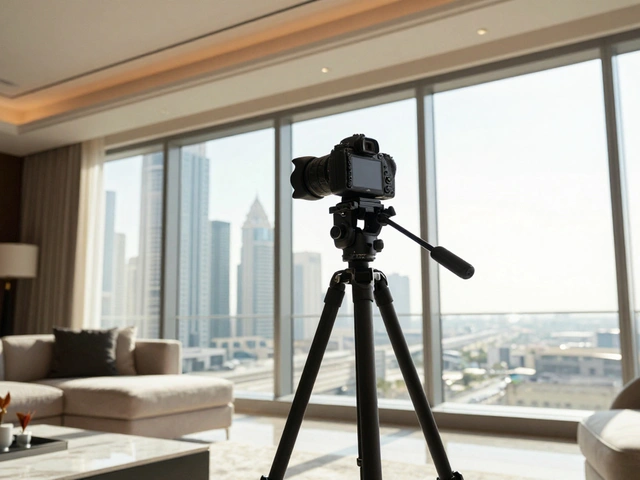
Buying a new camera feels like it should be a magic button for better photos. We've all seen the ads promising a "game-changing" autofocus system or a sensor that sees in the dark. But here is the truth: a fancy new body won't suddenly make you a better storyteller. However, there comes a point where your gear isn't just outdated-it's actually getting in the way of your vision. Knowing the difference between "I want a new toy" and "my gear is limiting my work" is the key to not wasting thousands of dollars.
The Five Red Flags That It's Time to Upgrade
You don't need to upgrade just because a new model dropped last Tuesday. Instead, look for concrete technical ceilings. When your equipment creates a problem you can't solve with skill or lighting, that's your signal.
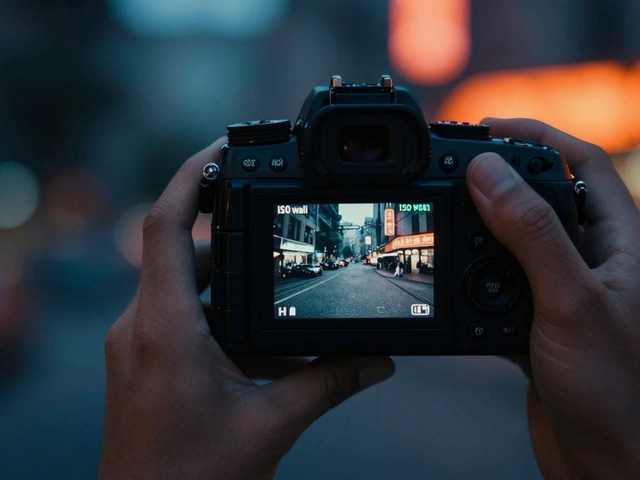
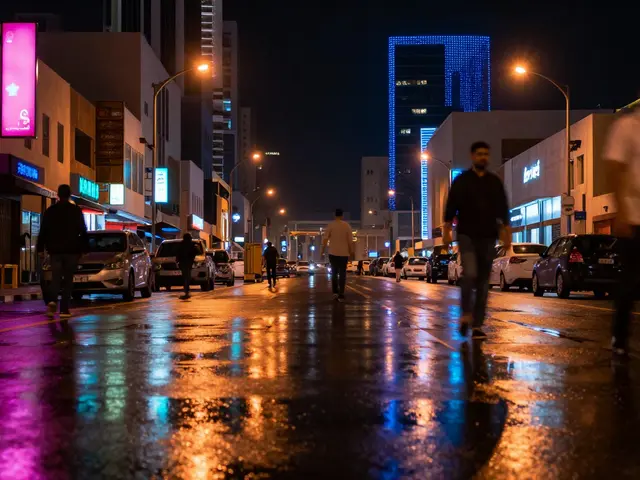
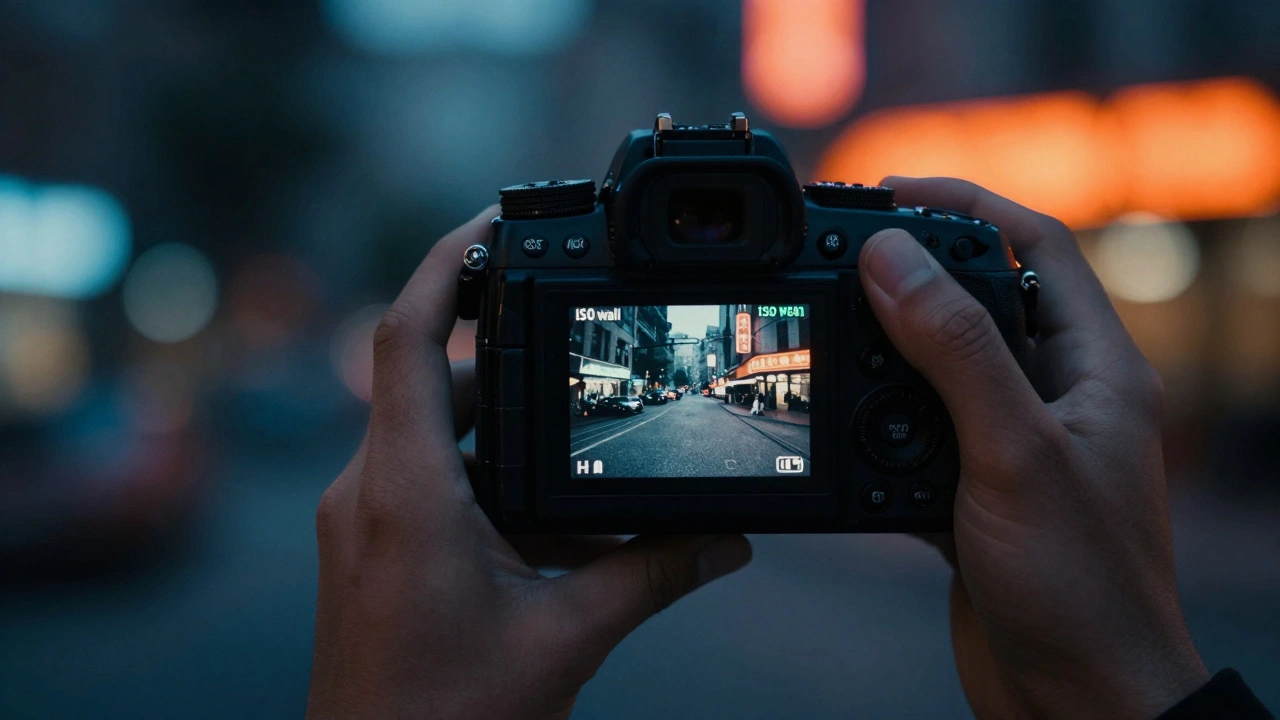
- The ISO Wall: You know you're hitting this when you shoot a dimly lit event and your photos are riddled with color noise and banding. If you're forced to use ISO 3200 or higher and the image quality collapses into a grainy mess, your sensor has reached its limit.
- Autofocus Failure: If you're consistently missing focus on moving subjects-kids running, pets, or athletes-and your current system just can't keep up, it's time. Modern Mirrorless Cameras have tracking capabilities that make older DSLRs feel like they're operating in slow motion.
- Video Shortfalls: If you're still stuck with 8-bit color and 1080p, you're missing out on a lot of flexibility. Professional work today generally requires 4K resolution and 10-bit color depth. The difference is huge when you try to color grade; 8-bit files often "break" or show banding in the sky when you push them too far.
- Mount Obsolescence: Sometimes the body is fine, but the lens mount is a dead end. If you can't find modern, high-quality glass for your current system, the body becomes a liability.
- The "Friction" Factor: This is the most overlooked sign. If your camera is so heavy or clunky that you've started leaving it at home and just using your phone, your gear is failing you. A five-pound setup with a battery grip can be a physical burden that kills your desire to shoot.
Full-Frame vs. Crop Sensor: Making the Leap
One of the biggest decisions in a camera body upgrade is whether to move from a crop sensor (APS-C) to a full-frame system. This isn't just a small bump in quality; it's a fundamental shift in how your gear behaves.
Crop Sensor cameras have smaller sensors that "crop" the image, creating a multiplication factor. This means a 35mm lens on a crop body feels like a 50mm. When you move to a Full-Frame Sensor, you get the true focal length of your lenses and a massive jump in low-light performance.
| Feature | Crop Sensor (APS-C) | Full-Frame |
|---|---|---|
| Low Light Performance | Moderate (more noise at high ISO) | Superior (cleaner shadows) |
| Depth of Field | Deeper (harder to get extreme blur) | Shallower (easier creamy bokeh) |
| Lens Cost | Generally cheaper and smaller | More expensive and heavier |
| Field of View | Narrower (zoomed in) | Wider (true focal length) |
A word of caution: crop-specific lenses won't perform well on full-frame bodies (they'll leave a heavy black circle around your image). If you're planning this jump, don't buy another "better" crop body. Save your money and go straight to full-frame to avoid buying a set of lenses you'll eventually throw away.
The Glass Trap: Lenses vs. Bodies
Here is a secret that pro photographers know: lenses are a long-term investment; bodies are disposable. A high-end lens you bought ten years ago will likely still be fantastic on a brand-new camera body today. However, a camera body from ten years ago is practically a dinosaur.
If you have a limited budget, prioritize your Lenses. Buying one professional-grade prime lens often does more for your image quality than upgrading from a mid-range body to a high-end one. Lenses dictate the character, sharpness, and light-gathering ability of your shot, while the body simply records that information.
The Psychology of the Upgrade
It's easy to fall into the trap of thinking that a new camera equals new skills. I've seen photographers jump from a Sony A7III to an A7IV and wonder why their compositions didn't magically improve. They didn't, because equipment only solves technical problems; it doesn't solve creative ones.
An upgrade improves your reliability. It means you'll hit focus more often in a dark room or you'll have more room to tweak a video clip in post-production. But the growth-the actual improvement in your art-comes from your own development. Don't use a gear purchase as a substitute for practice.
Thinking About Switching Brands?
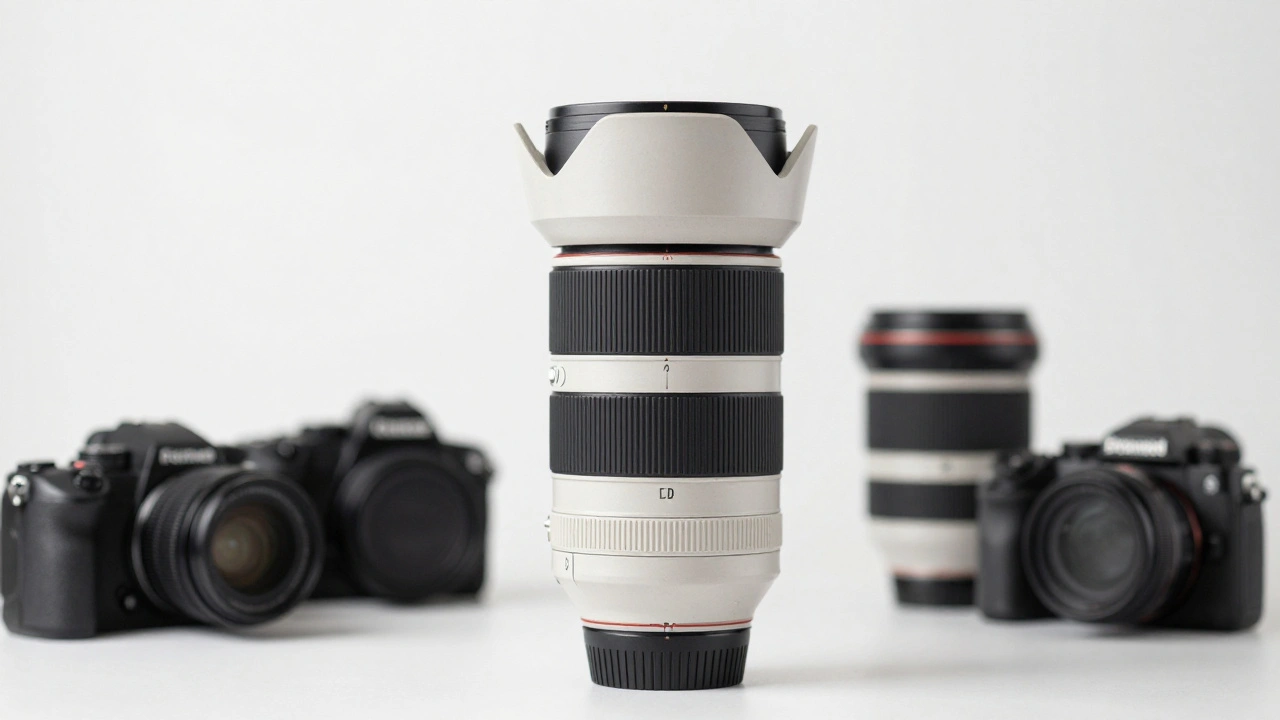
Switching brands is a "nuclear option." It's not as simple as buying a new body; it's a total ecosystem reset. Before you jump ship, ask yourself if your frustration is with the brand or just your current model. Brand switching involves:
- Sunk Costs: You'll likely have to sell your entire lens collection at a loss to buy new glass.
- The Learning Curve: Every brand has a different menu philosophy. You'll go from being an expert to a beginner overnight, which can actually hurt your performance during paid gigs.
- Muscle Memory: Button placement and grip feel vary wildly between brands.
Only switch if there is a specific, irreplaceable feature in another system-like a specific lens mount or a vastly superior autofocus system for your niche-that justifies the cost and headache.
How often should I upgrade my camera body?
There is no set schedule. Some pros upgrade every two years to stay at the cutting edge, while others keep a body for a decade. You should upgrade only when the current tool limits your ability to get the shot you want. If your images look great and your autofocus is reliable for your specific needs, keep your money.
Will a full-frame camera make my photos look professional?
Not automatically. It provides technical advantages like better low-light performance and shallower depth of field, which are common in "professional" looks. However, lighting, composition, and editing are what actually make a photo look professional. A master with a crop sensor will always beat a novice with a full-frame camera.
Is it worth upgrading if I only shoot in daylight?
Probably not, unless you need better autofocus or video features. The biggest advantage of newer, larger sensors is low-light performance. If you always have plenty of light, you're not hitting the "ISO wall," meaning your current sensor is likely doing just fine.
Should I buy a DSLR or a Mirrorless camera in 2026?
For almost everyone, mirrorless is the way to go. The industry has shifted, meaning most new lens development is happening for mirrorless mounts. While DSLRs are great for battery life and feel, mirrorless offers superior autofocus and a much more accurate way to see your exposure in real-time.
Does a higher megapixel count always mean a better camera?
No. Higher megapixels are great for large prints or heavy cropping, but they can actually lead to more noise in low light and require much more expensive lenses to resolve that extra detail. Match your megapixels to your output; if you're posting on Instagram, 50MP is overkill.
Next Steps for Your Upgrade Path
If you've decided it's time to move on, don't just buy the most expensive model. Rent the body you're eyeing for a weekend. Take it into the exact conditions where your current camera is failing you. If the new body solves that specific problem without adding too much bulk or complexity, then it's a smart investment. Otherwise, look into a new lens-it might be the missing piece you're actually looking for.