There is a specific kind of regret that hits every photographer who has ever lugged a heavy DSLR rig through a humid airport terminal. You stand there, sweating, your shoulder screaming in protest, wondering why you brought a lens that weighs more than your passport. Travel photography isn’t about capturing the perfect image at any cost; it is about capturing the moment without the gear getting in the way. If your equipment makes you slow, tired, or conspicuous, it is already failing you.
The goal of modern travel photography is the art of documenting journeys with portable, durable, and high-quality equipment that prioritizes mobility over maximum specifications is simple: balance image quality with physical comfort. In 2026, this balance tips heavily toward mirrorless systems and strategic minimalism. You do not need to carry a studio on your back to take stunning photos. You need the right tools, used wisely.
The Mirrorless Revolution: Why Size Matters
Gone are the days when you had to sacrifice image quality for compactness. The shift from bulky DSLRs to mirrorless cameras is camera systems that eliminate the optical viewfinder mirror box, resulting in smaller bodies and lighter weight while maintaining high sensor performance has been the single biggest game-changer for travelers. These cameras offer full-frame or APS-C sensors in bodies that fit comfortably in a jacket pocket or a small daypack.
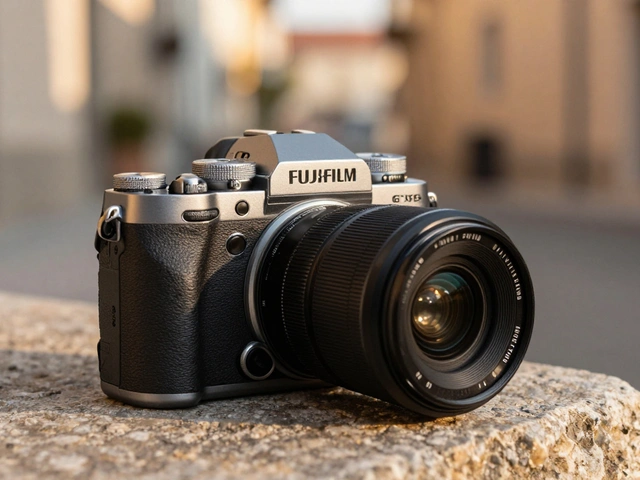
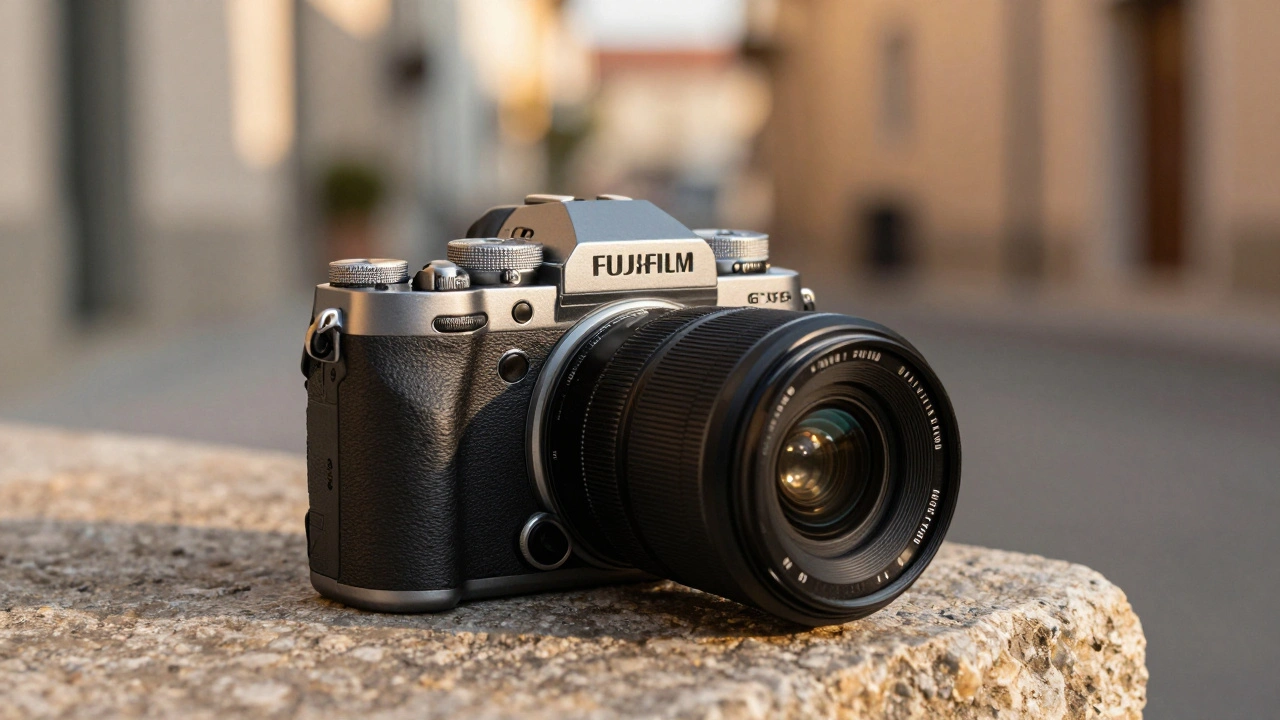
If you are looking for the sweet spot between professional capability and hiking-friendly weight, the Fujifilm X-T5 is a 40-megapixel APS-C mirrorless camera known for its classic design, excellent color science, and lightweight build ideal for travel stands out. It pairs beautifully with the kit 16-50mm f/2.8 lens is a compact standard zoom lens that covers wide-angle to short telephoto focal lengths, perfect for everyday travel scenes. This combination delivers incredible resolution without the bulk of a full-frame system. For those who prefer Sony, the Sony A7III is a versatile full-frame mirrorless camera offering robust autofocus and weather sealing in a relatively compact body remains a top contender, though it requires slightly heavier glass to reach its potential.
Avoid battery grips unless you absolutely need them for vertical shooting during long events. They add significant weight and consume valuable bag space. Instead, rely on carrying multiple spare batteries. A lightweight body like the Fujifilm X-T50 or Nikon Z6 offers enough power efficiency for a full day of shooting if you manage your settings wisely.
The Three-Lens Rule: Covering Every Scenario
The biggest mistake new travel photographers make is bringing too many lenses. Interchangeable lenses are great, but changing them in dusty streets or windy cliffs is risky and annoying. The industry standard for efficient travel is the "three-lens rule." This approach ensures you can handle wide landscapes, everyday street scenes, and distant details without swapping glass constantly.
| Role | Focal Length Range | Best Use Case | Example Lens |
|---|---|---|---|
| Wide Angle | 16-35mm | Landscape, Architecture, Astrophotography | Sony 16-35mm F4 |
| Standard Zoom | 24-105mm or 24-120mm | Street, Candid, General Purpose (90% of shots) | Nikon 24-120mm f/4G VR |
| Telephoto | 70-200mm | Wildlife, Compression, Detail Shots | Sony 70-200mm f/4 G OSS |
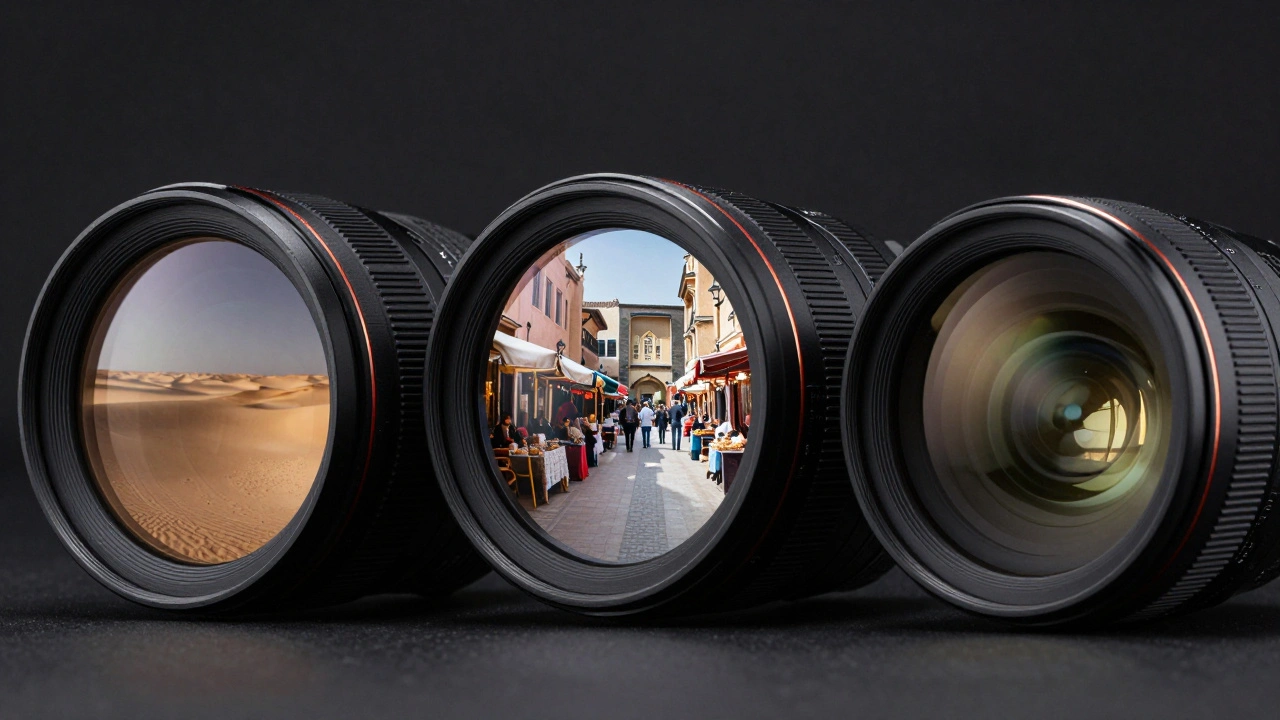
The standard zoom lens is a versatile lens covering focal lengths from wide to short telephoto, serving as the primary workhorse for most travel photography scenarios should be mounted on your camera 90% of the time. It handles everything from a bustling market scene to a portrait of a local artisan. The wide-angle lens is reserved for grand vistas and tight interior spaces. The telephoto lens helps you isolate subjects from a distance, adding compression and depth to your images. Stick to these three, and you will cover nearly every situation you encounter.
Carrying Your Gear: Backpacks Over Shoulder Bags
How you carry your gear matters just as much as what you carry. Shoulder bags might look stylish, but they create uneven weight distribution that leads to back pain and shoulder strain after just a few hours. Rolling luggage is convenient at airports but useless on cobblestone streets, sandy beaches, or mountain trails.
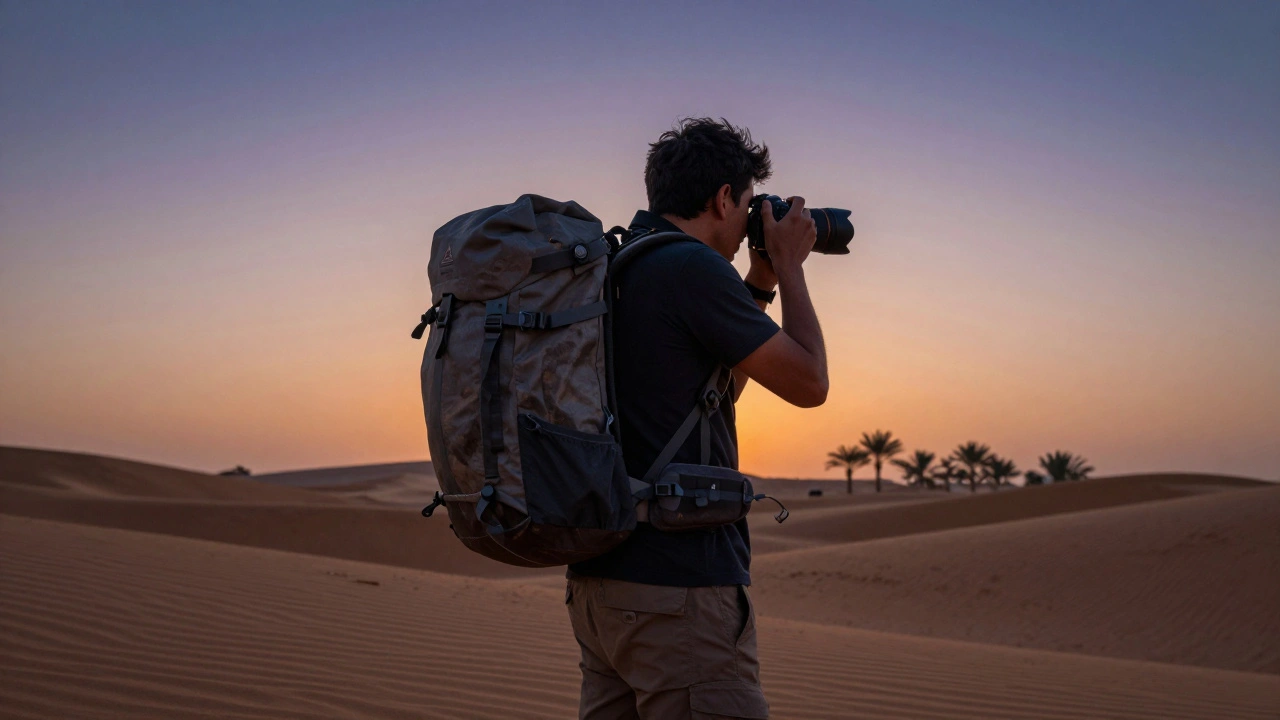
The photography backpack is a specialized bag designed to distribute camera gear weight evenly across the shoulders and back, often featuring quick-access side panels and weather protection is the undisputed champion of travel. Look for a model with padded straps, a hip belt, and weather-resistant material. The Lowepro ProTactic BP 450 AW is a modular, all-weather backpack capable of holding dual camera bodies and multiple lenses while maintaining comfortable ergonomics is a popular choice among professionals. For lighter setups, the Peak Design Everyday Backpack is a sleek, minimalist backpack with flexible dividers that adapts to various gear configurations without adding unnecessary bulk offers a cleaner aesthetic that blends in better in urban environments.
Your total kit weight should ideally stay under 18 pounds (8 kilograms) for extended trips. This includes your camera bodies, lenses, batteries, laptop, and clothing. Anything heavier becomes a burden that distracts you from the experience of traveling.
Power Management and Backup Strategies
Running out of battery in a remote location is a travel photographer’s nightmare. Unlike home studios, you cannot simply plug into the wall. Power management is a critical part of your pre-trip planning.
- Carry Multiple Batteries: Bring at least three to four fully charged batteries for each camera body. Lithium-ion batteries hold their charge well, but cold temperatures can drain them faster.
- Universal Charging Solutions: Pack a multi-port USB charger that can handle different voltage inputs. Many modern cameras can charge via USB-C, allowing you to use power banks on the go.
- Data Redundancy: Never rely on a single storage device. Use two SD cards simultaneously if your camera supports it. Alternatively, carry a rugged portable SSD like the SanDisk Extreme Portable SSD is a compact, shock-resistant solid-state drive used for backing up photo files directly from camera memory cards and backup your files every evening.
A lightweight laptop like the Dell XPS 13 or an iPad Pro is sufficient for reviewing and backing up images. You do not need a heavy desktop replacement for basic editing in a hotel room.
Essential Accessories: Small Items, Big Impact
While cameras and lenses get all the attention, small accessories can save your shoot in difficult conditions. Weatherproofing is non-negotiable. Rain can ruin a day of shooting, but OP-TECH Rainsleeves are compact, foldable protective covers for cameras and lenses that shield against rain and dust without adding significant weight are cheap, lightweight, and highly effective. Keep one in your bag at all times.
Lighting control is also vital. A circular polarizer filter is a screw-on lens filter that reduces glare and reflections from water and glass, enhancing color saturation in skies and foliage is essential for landscape photography. It cuts through haze and deepens blue skies. Carry a universal size or adapters to fit your lenses. For low-light situations, a small LED flashlight like the J5 Tactical V1-Pro provides reliable illumination for night shots or reading maps in dark alleys.
If you plan to do astrophotography or long-exposure cityscapes, bring a tripod. However, avoid heavy aluminum models. Opt for a carbon fiber travel tripod like the Gitzo Traveler Series 1 is a lightweight carbon fiber tripod weighing approximately 1 kilogram, designed for stability and portability in travel photography. It weighs just over 2 pounds and folds down small enough to fit in most backpacks. If weight is still a concern, consider a monopod as a compromise for stability.
Minimalism: The Photographer’s Mindset
The best gear is the gear you actually use. Minimalism in travel photography is not about owning less; it is about removing distractions. When you carry less, you move faster. You blend in with locals rather than standing out as a tourist with intimidating equipment. This psychological distance allows you to capture more authentic moments.
Before packing, ask yourself: "Will I use this lens more than once?" If the answer is no, leave it behind. Trust your skills over your inventory. A single prime lens forces you to move your feet and compose creatively, often leading to better photographs than a cluttered bag full of unused options.
What is the lightest camera setup for travel?
The lightest effective setup typically consists of an APS-C mirrorless camera like the Fujifilm X-T5 paired with a compact kit lens such as the 16-50mm f/2.8. This combination weighs under 500 grams and delivers professional-grade image quality without the bulk of full-frame systems.
Should I bring a tripod for travel photography?
Only if you plan to shoot landscapes, astrophotography, or long exposures. Choose a carbon fiber travel tripod weighing under 1.2 kilograms. Brands like Gitzo and Peak Design offer models that fold small enough to fit in a backpack. Otherwise, skip it to save weight.
How many lenses should I pack for a trip?
Stick to three lenses: a wide-angle (16-35mm), a standard zoom (24-105mm or 24-120mm), and a telephoto (70-200mm). This covers 99% of travel scenarios. Adding more lenses increases weight and complexity without significantly improving your results.
Is a full-frame camera necessary for travel?
No. Modern APS-C sensors offer excellent dynamic range and low-light performance. Full-frame cameras are heavier and require larger lenses. Unless you specifically need extreme ISO performance or shallow depth of field, an APS-C mirrorless camera is a smarter choice for travel.
What type of bag is best for travel photography?
A dedicated photography backpack is the best option. It distributes weight evenly, protects gear from impacts, and often includes weather resistance. Avoid shoulder bags and rolling luggage, which are impractical for active travel and cause physical strain.