Carrying your camera gear shouldn’t feel like lugging around a suitcase full of fragile glass and expensive metal. Yet, if your bag doesn’t fit your workflow, you’ll end up missing shots, straining your back, or worse-damaging your gear. The right camera bag isn’t just storage. It’s an extension of your camera. It’s what lets you move fast, stay protected, and keep everything you need within reach.
What You Actually Need in a Camera Bag
Most photographers start with a vague idea: "I need something to carry my camera and lenses." But that’s not enough. You need to ask: How do you shoot? Are you hiking up a mountain with a 70-200mm and a tripod? Running around a wedding with three bodies and six lenses? Or just snapping photos on your lunch break with a mirrorless body and one prime lens?
Your bag should match your rhythm. A bag that’s too big becomes a burden. One that’s too small forces you to leave gear behind. And if you can’t access your lens in under two seconds, you’ll miss the shot.
There are four core needs every serious photographer should consider:
- Protection - Your gear isn’t just expensive. It’s sensitive. Dust, moisture, bumps, and pressure can all cause damage.
- Organization - No more digging through a pile of filters, batteries, and memory cards. Everything should have a place.
- Accessibility - Can you grab your camera from the bag without setting it down? Can you swap lenses without exposing your sensor?
- Comfort - If it hurts to carry, you won’t carry it. And if you don’t carry it, you won’t shoot.
Backpacks: The Workhorses of Photography
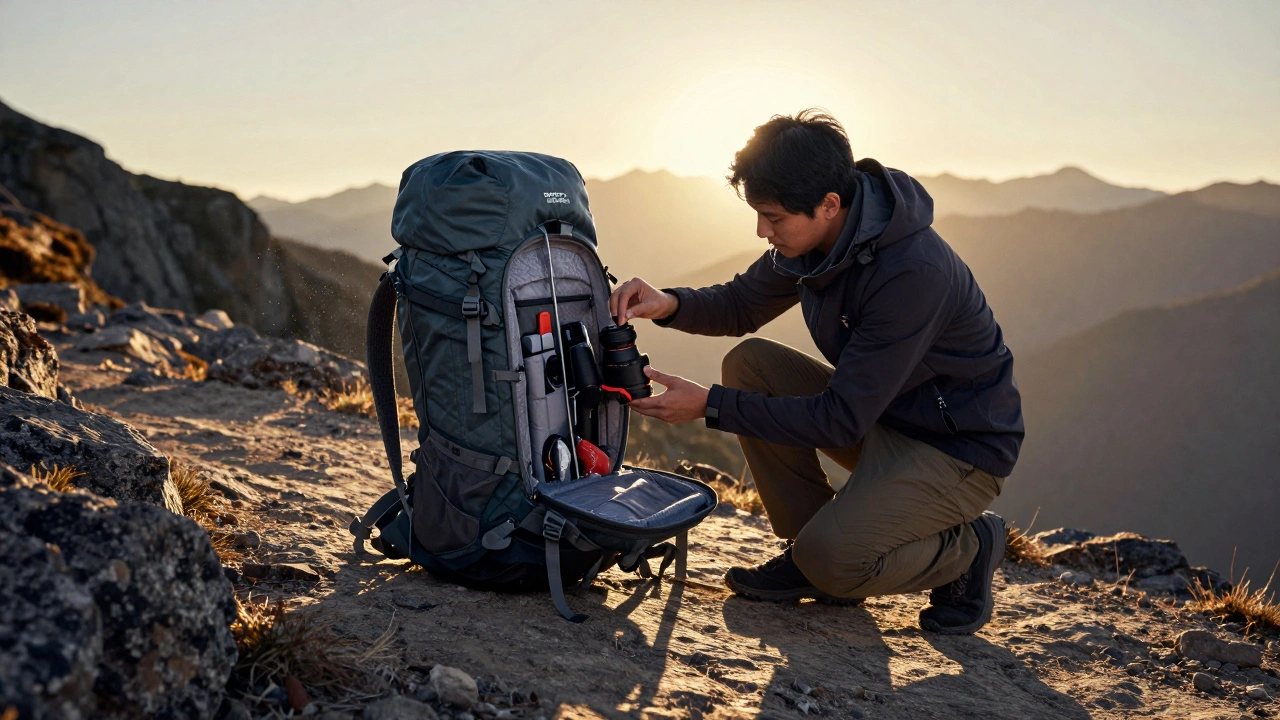
If you carry more than two lenses, a tripod, or extra batteries, a backpack is your best bet. The best ones balance weight distribution, weather resistance, and smart compartment design.
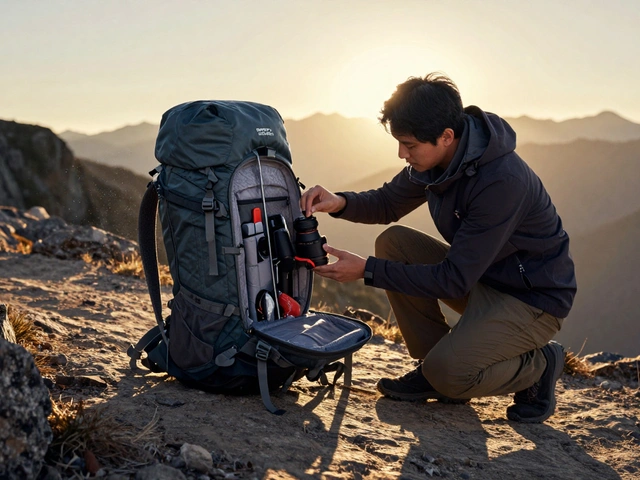
The Shimoda Explore V2 35 is a rugged, weather-resistant backpack with a 35L capacity, designed for photographers who need to carry full-frame mirrorless setups, multiple lenses, and even a small drone. It scores 9 out of 10 for waterproofing thanks to its built-in rain cover and sealed zippers. The rear panel opens fully, letting you access your gear without removing the pack-perfect for quick changes on the trail.
For those who need even more space, the Vanguard Alta Sky 68 is a professional-grade backpack built for wildlife and sports shooters who carry an 800mm lens with multiple telephotos attached. It holds up to seven extra lenses and has reinforced padding for heavy loads. At 68L, it’s not for daily use-but if you’re chasing birds or football games, this is the only bag that won’t leave you behind.
On the budget side, the Vanguard Veo Active 42M is a compact, affordable backpack that fits a DSLR or mirrorless body with 3-4 lenses, plus a 13-inch laptop. It’s not flashy, but it’s tough, well-padded, and comes in under $100. For weekend trips or city walks, it’s a no-brainer.
Sling Bags and Messenger Bags: Speed and Style
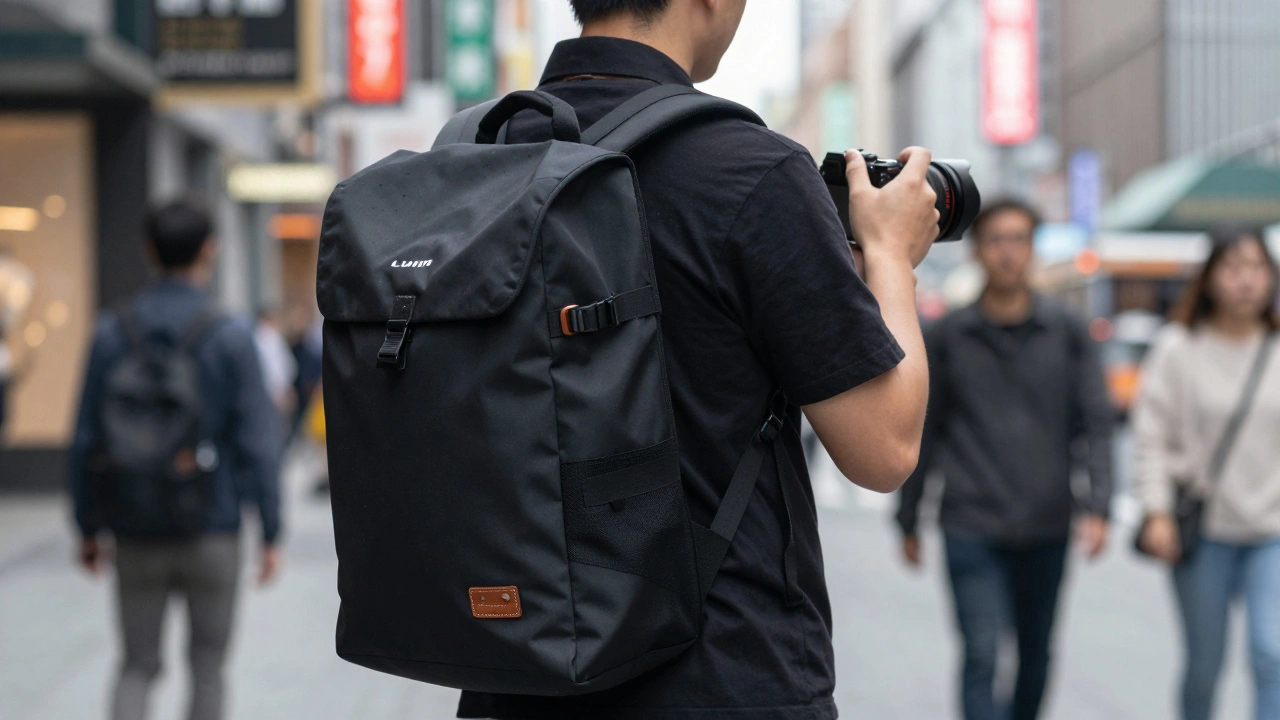
If you’re shooting street, travel, or urban photography, a sling bag gives you speed without bulk. The key is one-shoulder access-no unzipping, no rummaging.
The Nomatic LUMA Camera Sling 12L is a minimalist sling made from 900D Poly Ox fabric with a padded interior and modular dividers. It holds a mirrorless camera with a 24-70mm lens, two extra lenses, a charger, and a few cards. The lid opens like a briefcase, and the front pocket has mesh compartments for memory cards and batteries. It’s lightweight, water-resistant, and looks like a regular urban bag-no one knows it’s a camera bag unless you tell them.
The Billingham 307 is a classic leather-and-canvas messenger bag that’s been trusted by pros since the 1980s. It’s not cheap, but it’s built to last. The padded insert holds two cameras and three lenses, and the leather base lets it stand upright on any surface. If you want a bag that turns heads for the right reasons, this is it.
Modular Systems: The Pro’s Choice
Professional photographers don’t just carry gear-they customize it. That’s where modular systems like the Lowepro ProTactic BP 450 AW II come in. This isn’t just a backpack-it’s a system. You can add side pockets, lens inserts, and even external mounts for tripods. The rain cover is built-in, the padding is military-grade, and the access is triple-layered: front, side, and top.
It’s expensive. But if you’re shooting events, documentaries, or commercial work, you’ll thank yourself when you’re in the middle of a storm and your gear stays dry. The ProTactic line is designed for people who treat their gear like precision tools-and who can’t afford to lose a day’s shoot.
Organization: More Than Just Pockets
Not all bags are created equal when it comes to organization. A good bag doesn’t just have compartments-it has logic.
The Peak Design Everyday Backpack 30L (V2) is a sleek, minimalist backpack with a magnetic access panel that lets you pull out your camera in one motion. Inside, the dividers are adjustable and held in place with hook-and-loop straps. You can reconfigure it for a 24-70mm, a 100-400mm, or even a laptop and camera together. The side pockets fit water bottles, and the front has a zippered pocket for your phone and keys.
Compare that to the Manfrotto PRO Light Backloader-a 30L bag with only one main compartment and no internal organization. It’s lightweight and cheap, but you’ll spend more time searching than shooting. If you’re serious about your gear, don’t settle for a bag that forces you to guess where everything is.
Waterproofing and Durability: Don’t Trust Luck
Photographers get caught in rain, snow, dust storms, and humid jungles. Your bag needs to handle it.
The Shimoda Urban Explore 20 and Lowepro Whistler 450 BP AW II both score 9/10 for waterproofing. They use sealed zippers, weather-resistant fabrics, and included rain covers that snap on in seconds. Even the F-Stop Kashmir 2 AIR-a rugged outdoor pack-scores 8/10 and can carry a full kit plus a weekend’s worth of clothes.
At the other end, the Brevite Jumper Photo Backpack scores just 3/10. It looks nice, but it’s not built for weather. If you live in Portland-or anywhere with unpredictable rain-you’ll regret choosing it.
What to Avoid
Here are three common mistakes photographers make:
- Buying a bag based on looks alone - A sleek, minimalist bag might look great on Instagram, but if it doesn’t have padded dividers or quick access, it’s just a fashion statement.
- Ignoring weight distribution - A bag that puts all the weight on your lower back will ruin your posture. Look for sternum straps, waist belts, and breathable back panels.
- Overpacking - If you’re carrying six lenses and a tripod, you’re not a pro-you’re a burden. Be honest about what you actually use. Less gear means more mobility.
Final Tip: Test Before You Buy
Don’t buy a camera bag online without trying it on. Load it with your gear. Walk around your house. Sit down. Bend over. Reach for your camera. Does it feel natural? Does it dig into your shoulders? Can you open it with one hand while holding your coffee?
Most stores let you test bags. If they don’t, borrow one from a friend. Your gear is too important to leave to guesswork.
| Bag Model | Capacity | Waterproof Rating | Best For |
|---|---|---|---|
| Shimoda Explore V2 35 | 35L | 9/10 | Travel, landscape, full kit |
| Lowepro Whistler 450 BP AW II | 36L | 9/10 | Outdoor, harsh weather |
| Peak Design Everyday Backpack 30L | 30L | 7/10 | Urban, daily carry |
| Vanguard Veo Active 42M | 25L | 6/10 | Beginners, budget |
| Nomatic LUMA Camera Sling 12L | 12L | 7/10 | Street, minimal gear |
| Vanguard Alta Sky 68 | 68L | 8/10 | Wildlife, telephoto |
Frequently Asked Questions
What’s the best camera bag for a beginner?
The Vanguard Veo Active 42M is the top pick for beginners. It’s affordable, holds a full DSLR or mirrorless setup with three lenses, and has enough padding to protect your gear. It’s also light enough to carry all day without strain. If you’re not sure what you need yet, this bag gives you room to grow without overpaying.
Can I use a regular backpack for my camera gear?
You can-but it’s risky. Regular backpacks lack padded compartments, so your lenses can bump against each other. They also don’t have quick-access panels, so you’ll have to take everything out to find your camera. If you’re just starting out and on a tight budget, a Vanguard VEO BIB F33 insert is a smart middle ground. It turns any regular backpack into a camera bag with adjustable dividers and dual access points.
Do I need a rain cover?
Yes-if you shoot outside. Even light drizzle can damage electronics. Bags like the Shimoda and Lowepro come with built-in rain covers that snap on in seconds. If your bag doesn’t include one, buy a universal rain cover for under $20. It’s cheaper than replacing a water-damaged sensor.
What’s the difference between a sling and a messenger bag?
A sling bag is worn across one shoulder and swings to the front for quick access. A messenger bag is larger, worn like a briefcase, and opens from the top. Slings are better for speed and mobility-think street photographers. Messengers are better for carrying laptops, notebooks, and more gear-ideal for wedding or portrait shooters who need to carry extra accessories.
How do I know if a bag is too big?
If you’re filling half the bag with empty space, it’s too big. A good bag should fit your gear snugly, with room for one or two extras. Too much space means your gear shifts around, increasing the risk of damage. It also adds unnecessary weight. Aim for a bag that’s 80% full when packed.
Next Steps
Start by listing what you carry every day. Write down your camera, lenses, filters, batteries, and chargers. Then, measure the total volume. Add 20% for future gear. That’s your minimum capacity.
Next, test two bags. Borrow one from a friend or visit a local store. Load them with your gear. Walk around. Try to access your camera. See how it feels after 10 minutes. If one feels easier, you’ve found your match.
Don’t rush. A good camera bag lasts years. And in photography, the right gear doesn’t just protect your equipment-it protects your creativity.