Ever wonder why some fashion photos feel an instant sense of mystery and movement while others look like static passport photos? Often, it comes down to a single, powerful technique: the over-the-shoulder pose. This isn't just about having a model look back at the camera; it's a calculated move that solves the biggest headache in fashion imagery-how to show the face and the back of a garment at the exact same time without making the model look like they have a twisted spine.
| Variation | Primary Goal | Model's Key Action | Visual Result |
|---|---|---|---|
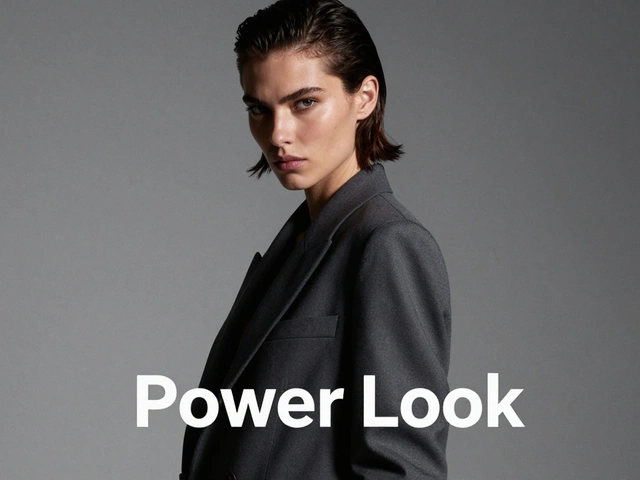
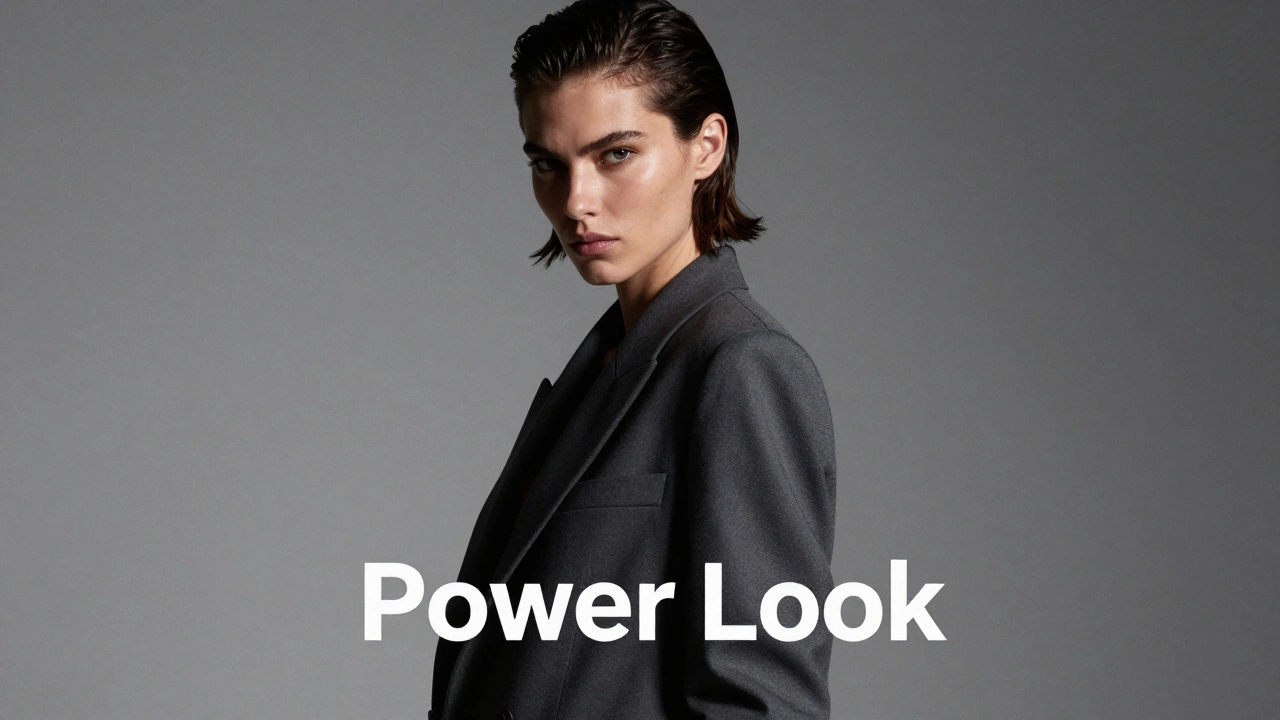
| The Power Look | Dominance/Authority | Direct eye contact, wide shoulders | Bold, commanding presence |
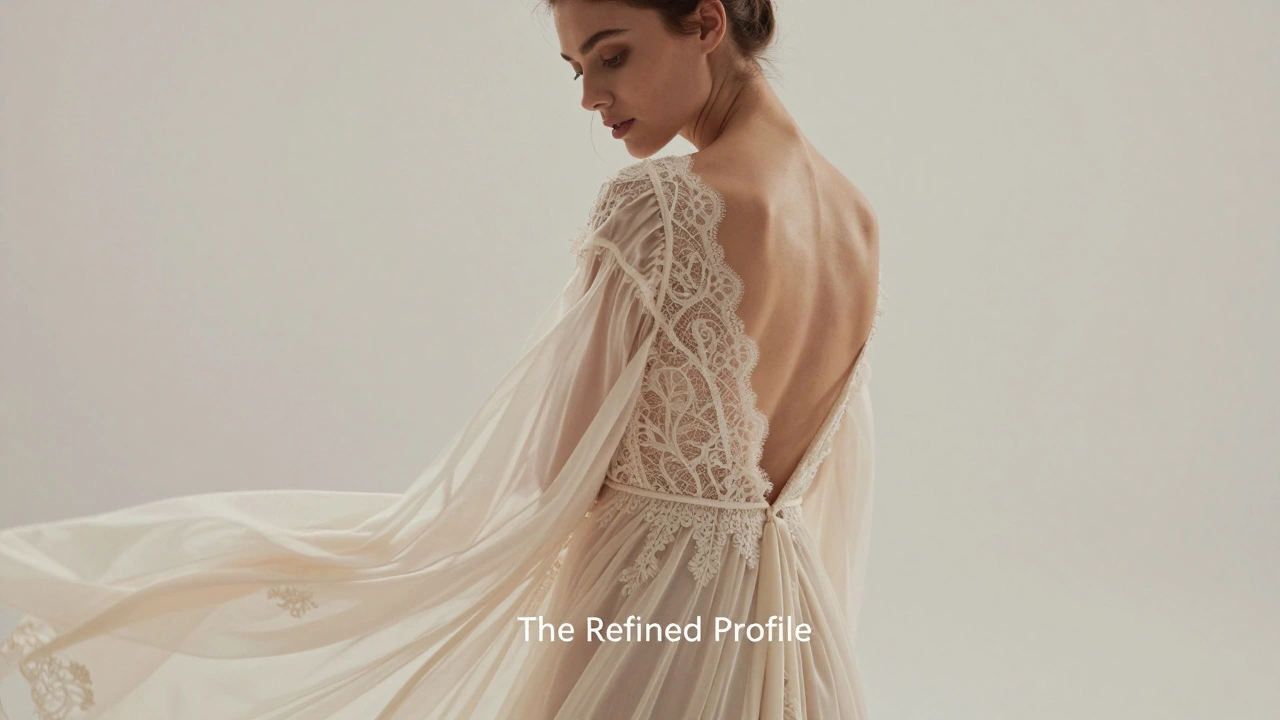
| The Refined Profile | Elegance/Slimming | Slight head tilt, deeper torso rotation | Sleeker silhouette, softer mood |
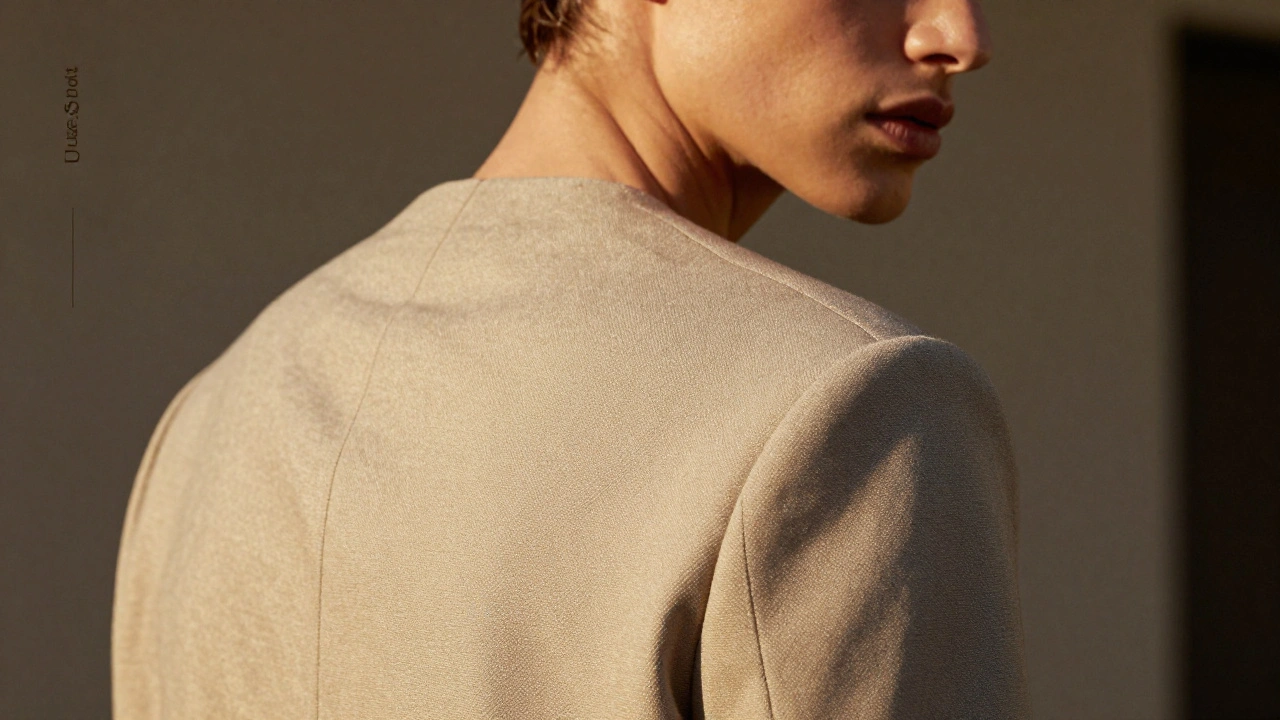
| The Detail Shot | Garment Showcase | Maximized shoulder blade push | Clear view of back seams and fabric |
The Magic of the Over-the-Shoulder Technique
At its core, over-the-shoulder poses is a photography technique where the model positions their body at an angle and rotates their upper body and head to look back toward the lens. It transforms a flat image into a 3D experience. Instead of a simple front-facing shot, you're creating a triangular or pyramid-shaped composition. This geometric trick is what makes a photo feel "polished" rather than accidental.
Why does this matter? Because in fashion, the back of the dress is often just as important as the front. Think about a gown with a dramatic open back, an intricate lace pattern on the shoulders, or a sharp tailored suit. If you only shoot from the front, you're missing half the story. By using this pose, you capture the facial expression-which provides the emotional connection-while simultaneously documenting the garment details that define the piece.
How to Execute the Perfect Twist
If you just tell a model to "look back," you'll likely end up with a stiff profile shot that looks like they're checking for traffic. To get a professional result, you need a specific sequence of movements. First, have the model bring one shoulder closer to the camera. Then, the real secret happens: the upper body rotation.
For the pose to work, the model must push their shoulder blade backward substantially. This opens up the chest and allows the camera to see nearly 100% of the face while the torso remains angled away. If there isn't enough twist in the waist and shoulders, the neck will look crunched, and the composition will lose its dynamic energy. You want a flow that leads the eye from the curve of the back up to the eyes.
Depending on the vibe of the shoot, you can tweak the intensity of this rotation. If you're shooting a high-powered business portrait or an athlete, a direct, square-shouldered look back creates a sense of strength. If you're aiming for high-fashion elegance, a deeper twist and a softer gaze create a more slender, refined silhouette that emphasizes the drape of the fabric.
The Geometry of a Great Shot: The Triangle Rule
Professional photographers don't just see people; they see shapes. The "triangle rule" (or pyramid effect) is the gold standard for these poses. When a model twists over their shoulder, their body naturally forms a series of triangles. The shoulders typically form the base of the triangle, with the head acting as the peak.
When you're framing a head-and-shoulders portrait, adjusting the model's chin and shoulder height to maintain these triangular shapes prevents the image from looking blocky. For full-body or upper-body shots, try to position the shoulders halfway between the base and the peak of your overall composition. This ensures the image feels balanced and intentional, guiding the viewer's eye across the entire garment rather than letting it get stuck in one spot.
Connecting Fashion to Art: A Brief History
This isn't a new trend; it's an evolution of portraiture. Long before the digital age, Victorian-era portrait painters used these angles to add depth to their subjects. In 1911, Edward Steichen is credited with taking some of the first serious fashion photographs, moving the medium away from simple documentation and toward actual art. Later, Condé Nast brought in professionals like Baron Adolf de Meyer at Vogue to refine these visual styles.
The utility of the back-view pose shifted as clothing changed. In the 1950s, the structured silhouettes of Christian Dior demanded precise, rigid posing. But when Hubert de Givenchy introduced the "sack dress" in 1957, the clothes became looser and more fluid. This meant photographers had to use more dynamic poses-like the over-the-shoulder twist-to show how the fabric actually moved and draped around the body.
Balancing Portraiture and Product
The legendary David Bailey once described a fashion photograph as simply "a portrait of someone wearing a dress." This captures the eternal struggle of the fashion photographer: you aren't just selling a shirt; you're selling a mood, a persona, and a product all at once.
The over-the-shoulder pose is the perfect compromise. It satisfies the "portrait" requirement by maintaining eye contact and facial expression, but it satisfies the "product" requirement by revealing the construction, seaming, and silhouette of the clothing. While other techniques, like the "Best Foot Forward" pose, are great for lengthening the legs and adding movement, the over-the-shoulder shot provides the technical data a buyer or editor needs to see the garment's full design.
Common Pitfalls and How to Fix Them
Even experienced models can struggle with this pose. Here are a few common mistakes and how to pivot:
- The "Crunched Neck": This happens when the model turns their head without rotating their torso. The Fix: Ask them to lead with the shoulder and push the shoulder blade back first, then turn the head.
- The Flat Profile: The model looks back, but the body is too parallel to the camera. The Fix: Move the model further at an angle (about 45 to 90 degrees) away from the lens before they turn.
- The Dead Eye: The body is in a great position, but the expression is blank. The Fix: Encourage a "smize" or a specific emotional cue to ensure the portrait element remains strong.
What is the main purpose of an over-the-shoulder pose in fashion?
The primary goal is to showcase both the model's face and the rear details of the clothing simultaneously. This allows photographers to document back-view design elements, such as seams, drapes, and silhouettes, while maintaining the emotional connection of a portrait through eye contact.
How do I avoid the model looking stiff in this pose?
Avoid having the model simply turn their head. Instead, instruct them to rotate their entire upper body and consciously push the shoulder blade back. This creates a more natural, fluid curve and prevents the neck from appearing compressed.
What is the "triangle rule" in posing?
The triangle rule is a compositional technique where the photographer arranges the model's body to create triangular shapes (e.g., the shoulders forming the base and the head the peak). This adds visual interest and balance, making the pose look more professional and intentional.
Does this pose work for all body types?
Yes, it is highly versatile. By adjusting the degree of rotation, you can create different effects: a shallower turn can make the shoulders look wider and more powerful, while a deeper twist creates a slimmer, more refined profile.
How has this pose evolved over time?
It evolved from Victorian portraiture and was refined by early 20th-century pioneers like Edward Steichen. As clothing shifted from the rigid structures of the 1950s to the looser styles of the late 50s and 60s, the pose became even more essential to show how softer fabrics draped from multiple angles.
Next Steps for Your Next Shoot
If you're a photographer, try starting your session with a few standard front-facing shots to get the model comfortable, then introduce the over-the-shoulder twist. For models, practice the "shoulder blade push" in a mirror-it's the difference between a snapshot and a high-fashion editorial. If you're working with a very structured garment, keep the movements slower and more deliberate to highlight the tailoring. For flowing fabrics, encourage a bit more movement in the twist to let the material catch the air.