Most people think a great dish looks good because the chef nailed the recipe. But in editorial food photography is a specialized branch of commercial photography that prioritizes narrative, mood, and brand alignment over simple product display. It’s about selling the experience, not just the calories. If you’ve ever scrolled through Instagram and felt hungry for a place you’ve never visited, you’ve seen this at work. The difference between a snapshot of a burger and an editorial shot isn’t just lighting; it’s the story wrapped around the plate.
For restaurants, this distinction is critical. A standard menu photo answers "what is this?" Editorial photography answers "who am I becoming when I eat this?" This shift changes how customers perceive value. It moves the decision from price-based to emotion-based. In a crowded market, where everyone has decent food, the visual narrative often decides who gets the reservation.
The Core Difference: Menu vs. Editorial
To understand why food styling is the art of arranging food and props to create a visually appealing composition for photography or video., you first need to see what it’s *not*. Standard menu photography is functional. It’s bright, clean, and direct. The goal is clarity. You need to know exactly what you’re ordering. Editorial photography is atmospheric. It’s moody, textured, and intentional. The goal is connection.
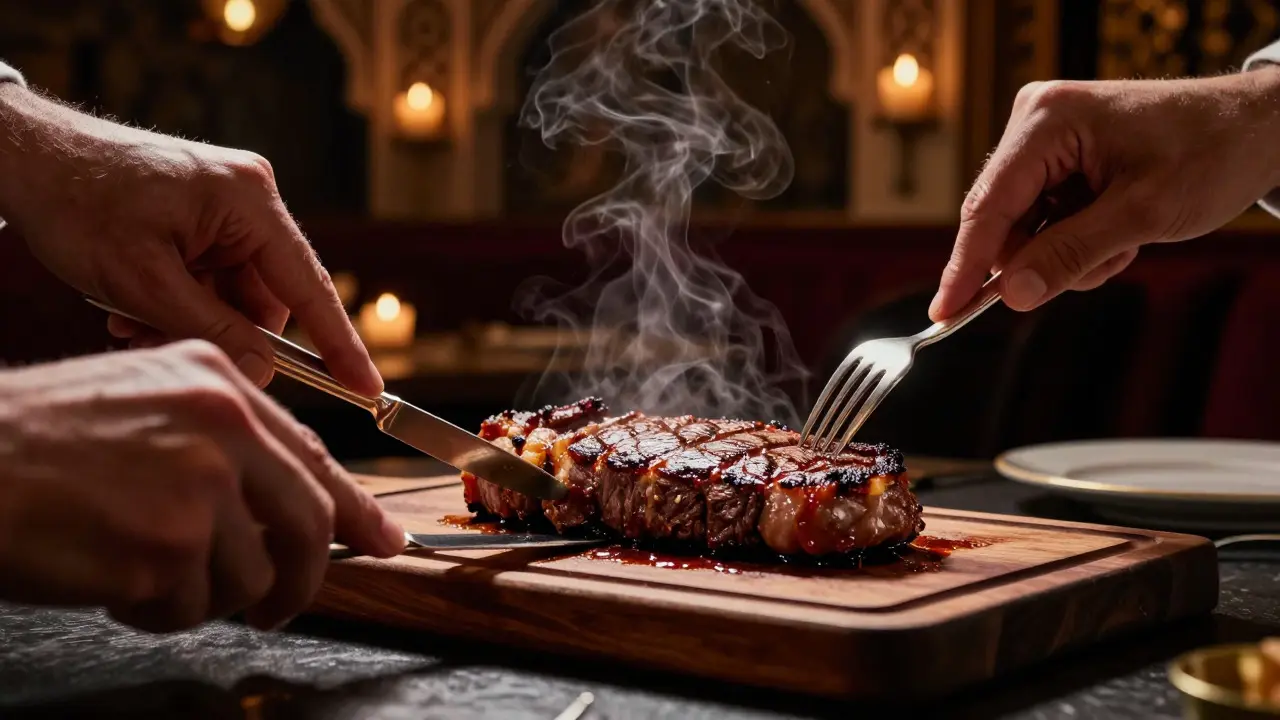
Think of it this way. A menu photo of a steak shows you the cut, the doneness, and the sauce. An editorial photo of that same steak might show it on a rustic wooden board, with steam rising, hands reaching in, and a blurred background of a candlelit table. The first tells you what you’re getting. The second tells you how you’ll feel.
- Menu Photography: High-key lighting, neutral backgrounds, focus on product detail, consistent angle.
- Editorial Photography: Directional or low-key lighting, contextual backgrounds, focus on mood and action, dynamic angles.
This isn’t about making one better than the other. They serve different jobs. You need both. But if your brand relies heavily on social media or press features, editorial is where the magic happens.
Building the Narrative Arc
Storytelling in food photography follows a similar structure to film. You have a beginning, middle, and end, even in a single frame. The setup creates anticipation. The reveal delivers satisfaction. The aftermath leaves a lingering feeling.
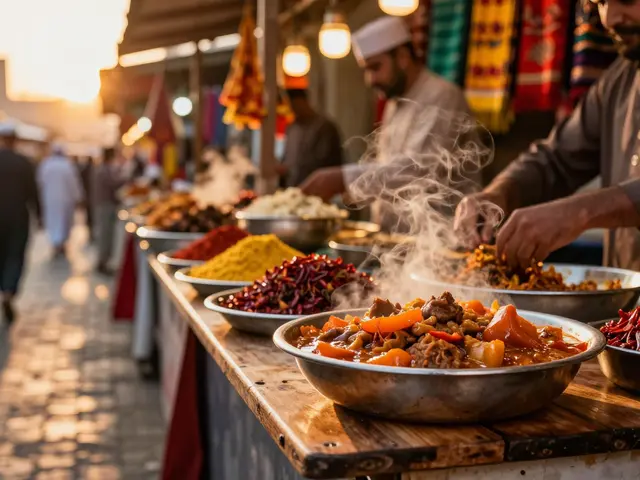
Start with the environment. Where does this meal happen? Is it a bustling street food stall in Bangkok or a quiet farm-to-table spot in Oregon? The location dictates the props. A concrete surface suggests industrial chic. Linen cloth suggests heritage. Metal cutlery suggests modern minimalism. Every object on the table is a character in the story.
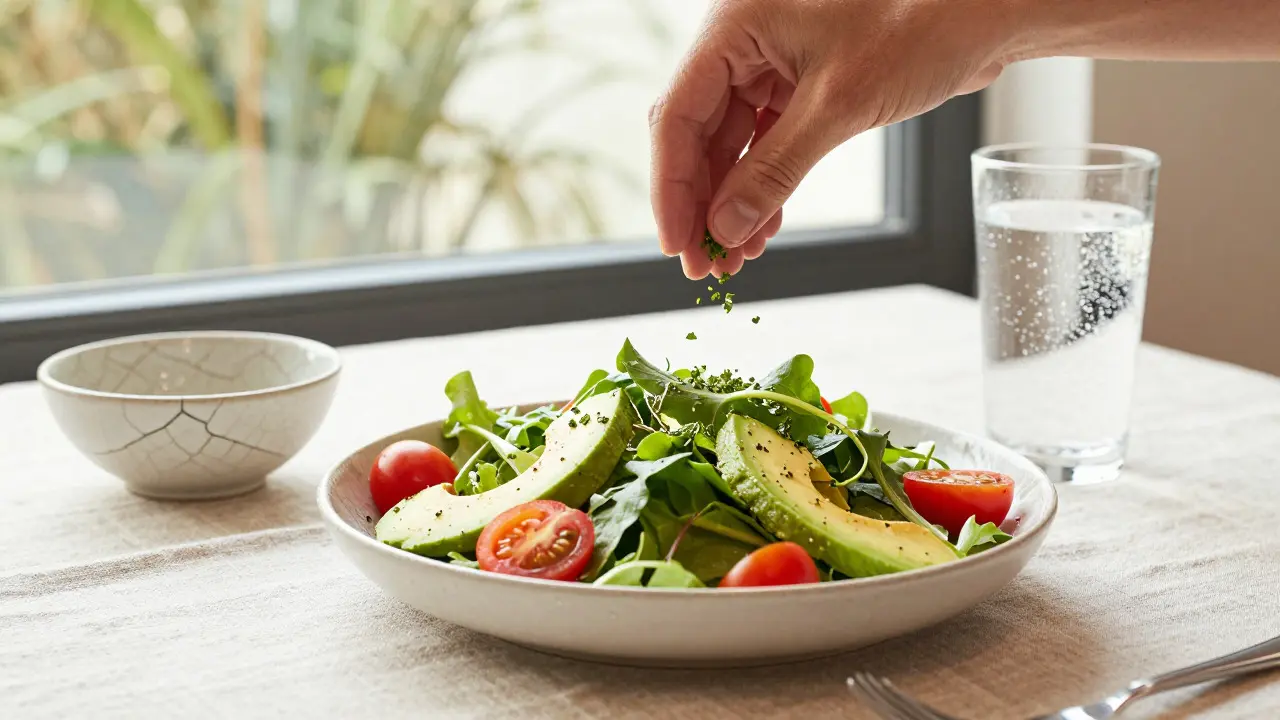
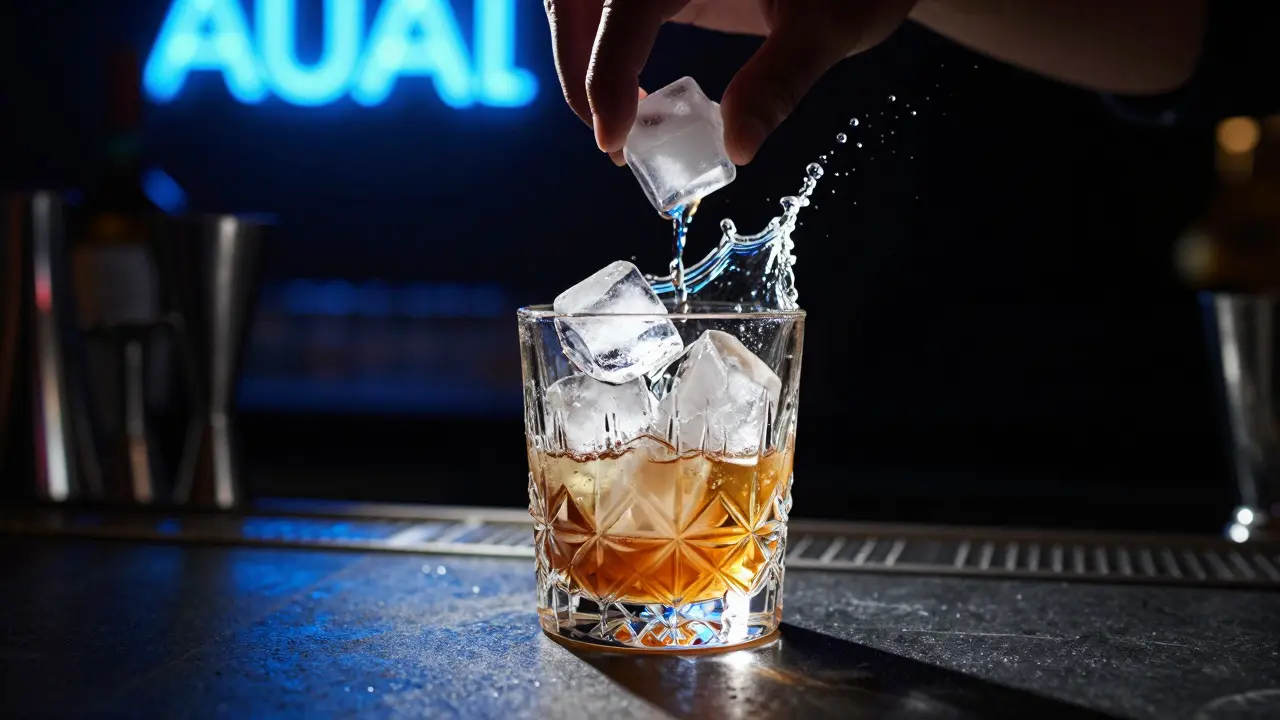
Next, consider the action. Static food can look dead. Adding movement brings it to life. Pouring wine, tearing bread, sprinkling herbs-these are micro-moments that imply freshness and immediacy. In visual storytelling is the practice of using images to convey a message or evoke an emotional response without relying solely on text., these actions bridge the gap between the viewer and the subject.
Finally, look at the human element. Hands are powerful tools. They provide scale, warmth, and intention. A hand holding a fork implies interaction. A hand resting on the table implies relaxation. Including people, even partially, grounds the image in reality. It reminds the viewer that food is meant to be shared, not just displayed.
Lighting as Emotional Language
Lighting is the most underrated tool in your kit. It doesn’t just illuminate; it interprets. Hard light creates drama and texture. Soft light creates comfort and intimacy. The choice depends entirely on the story you’re telling.
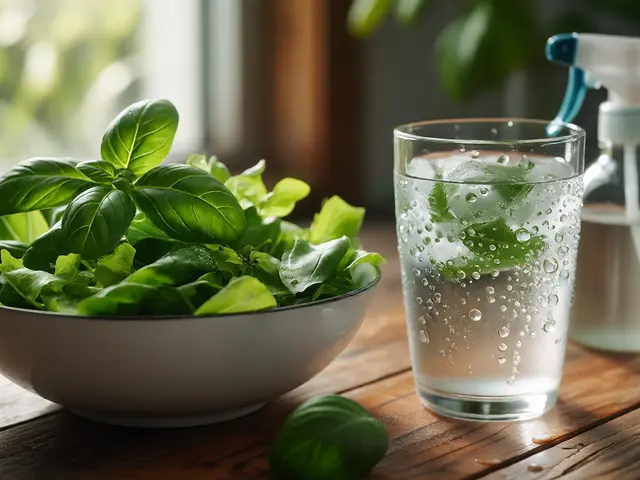
If you’re shooting a late-night diner special, hard shadows and warm tungsten tones mimic the vibe of a neon-lit corner booth. If you’re shooting a fresh spring salad, diffused natural light from a window mimics the energy of a sunny patio. Mismatched lighting kills credibility instantly. Nothing feels more fake than a bright, airy salad shot under harsh studio strobes that look nothing like daylight.
| Lighting Style | Emotional Tone | Best For |
|---|---|---|
| Hard Direct Light | Dramatic, Bold, Edgy | Burgers, BBQ, Late-night eats |
| Soft Diffused Light | Gentle, Fresh, Organic | Salads, Breakfast, Health foods |
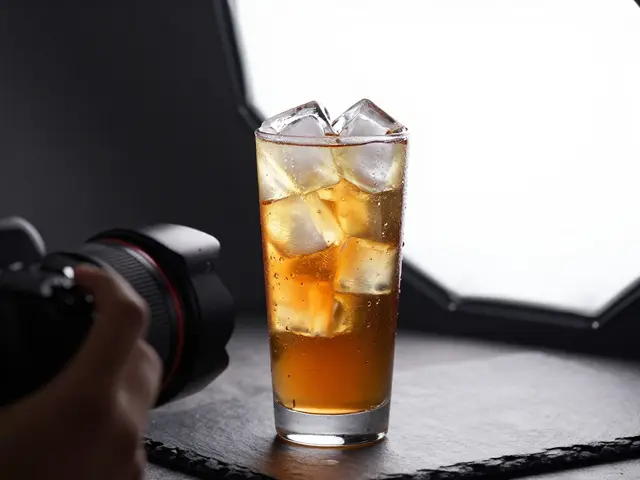
| Low-Key Backlight | Mysterious, Elegant, Luxurious | Fine dining, Desserts, Cocktails |
| Natural Window Light | Authentic, Casual, Homey | Cafes, Bakeries, Family restaurants |
Mastering this requires understanding the source. Are you simulating a window? A fireplace? A streetlamp? Once you decide the source, the rest of the scene must obey its rules. Shadows fall in one direction. Highlights match the color temperature. Consistency builds believability.
Props and Context: Setting the Stage
Props are not decorations; they are evidence. They prove the context. If you’re shooting a pizza, a flour-dusted peel and a worn wooden crate tell a story of artisanal craftsmanship. If you’re shooting sushi, a minimalist ceramic bowl and a folded napkin tell a story of precision and respect.
Avoid generic props that could fit any restaurant. White plates on white tables are safe but forgettable. Instead, choose items with history. Cracked mugs, vintage silverware, stained glass windows in the background-these details add layers of meaning. They suggest that the restaurant has a past, a culture, a soul.
Color theory plays a huge role here. Complementary colors make dishes pop. Analogous colors create harmony. But don’t force it. The food should always be the hero. Props support the star; they don’t steal the spotlight. If the prop competes with the dish, remove it. Simplicity is often stronger than clutter.
Common Mistakes That Break the Illusion
Even experienced stylists trip up. Here are the pitfalls that ruin editorial shots:
- Over-styling: When every leaf is placed perfectly and every drop of sauce is symmetrical, it looks artificial. Real food is messy. Embrace slight imperfections.
- Ignoring Scale: Without reference points, a small appetizer can look like a main course. Use hands, utensils, or known objects to anchor size.
- Inconsistent Temperature Cues: Hot food should look hot (steam, melting butter). Cold food should look cold (condensation, crisp edges). Mixing cues confuses the brain.
- Ignoring Brand Voice: A playful cocktail bar shouldn’t look like a somber fine-dining establishment. Align the visual tone with the brand personality.
These errors aren’t technical failures; they’re narrative breaks. They pull the viewer out of the story and remind them they’re looking at a photograph.
Practical Workflow for Editorial Shoots
How do you actually execute this? It starts long before the camera turns on. Pre-production is where 80% of the success is determined.
- Define the Story: Write a one-sentence summary of the mood. "Cozy autumn evening," "Energetic brunch rush," "Quiet luxury."
- Scout Locations: Visit the restaurant. Note the textures, colors, and lighting conditions. Bring samples of key dishes.
- Build a Prop List: Source items that match the story. Rent or buy if necessary. Avoid plastic unless it’s specifically for a retro theme.
- Plan the Sequence: Decide the order of shots. Start with wide context shots, move to medium details, end with close-up actions.
- Shoot for Flexibility: Capture multiple angles and variations. You’ll need options for different platforms (Instagram square, website banner, print ad).
On set, communicate clearly with the chef and staff. They know their food best. Ask them what makes the dish special. Often, the answer leads to the best shot. Maybe the cheese pulls. Maybe the broth swirls. Listen.
Frequently Asked Questions
How much does editorial food photography cost?
Costs vary widely based on scope, location, and photographer expertise. A half-day shoot in a local restaurant might range from $1,500 to $3,000. Full-day shoots with complex styling and multiple locations can exceed $5,000. Always clarify what’s included: usage rights, retouching, travel expenses, and prop rentals.
Do I need a professional food stylist for every shoot?
Not necessarily. For simple menu updates, a skilled photographer can handle basic styling. However, for high-impact editorial campaigns, a dedicated stylist adds significant value. They bring specialized tools, knowledge of food behavior (like how sauces dry), and creative vision that elevates the final image beyond mere documentation.
What is the biggest mistake restaurants make with food photos?
Inconsistency. Using a mix of styles, lighting, and quality across different channels confuses customers. Establish a visual guideline document that defines your brand’s photographic voice. Stick to it for menus, social media, and advertising to build a cohesive identity.
How long does it take to edit editorial food photos?
Editing time depends on the complexity of the shot. Basic color correction takes minutes per image. Detailed retouching (removing crumbs, enhancing steam, adjusting skin tones) can take 1-2 hours per image. Budget 20-30% of your total project time for post-production to ensure quality control.
Can I use AI to enhance food photography?
Yes, but with caution. AI tools are excellent for removing distractions, extending backgrounds, or correcting minor flaws. However, avoid using AI to alter the fundamental appearance of the dish. Customers expect accuracy. If the photo looks too perfect, it may feel deceptive. Use AI to polish, not to fabricate.