You’ve got the camera. You’ve got the vision. But you’re missing the people who make it happen. Fashion test shoots are the engine room of the industry. They aren’t paid gigs where everyone clocks out at five. They are investments. When you team up with models and stylists for a test shoot, you aren’t just taking pictures; you are building a shared asset library that pays dividends in visibility and bookings.
Here’s the reality: nobody works for free forever. But everyone works for exposure, experience, and great images. The magic happens when you align your goals with theirs. If you want stunning portfolios, you need to treat these collaborations like professional partnerships, even if no money changes hands. Let’s break down how to pull this off without the drama.
Why Test Shoots Still Matter in 2026
Some photographers think digital saturation killed the test shoot. They’re wrong. Social media algorithms love fresh content. Agencies need updated composites. Designers need lookbooks before they have budget for campaigns. A test shoot is the cheapest way to generate high-quality, branded imagery for all parties involved.
For a photographer, it’s R&D. It’s where you try that new lighting setup or lens flare technique without a client breathing down your neck. For a Model, it’s about staying relevant. A model’s face changes, their hair grows, their body shifts. An outdated portfolio is a dead portfolio. For a Stylist, it’s creative freedom. Commercial jobs often come with strict brand guidelines. Tests let them experiment with textures, silhouettes, and colors that wouldn’t fly on a billboard.
| Role | Primary Goal | What They Provide | What They Get |
|---|---|---|---|
| Photographer | Portfolio expansion & style refinement | Equipment, location, post-production time | Creative control, diverse subject matter |
| Model | Updated comp cards & social content | Time, appearance, posing skills | High-res retouched images for marketing |
| Stylist | Creative expression & trend testing | Clothing (often loaned), accessories, expertise | Editorial-style images for portfolio |
| MUA/Hair | Makeup artistry showcase | Products, tools, labor | Before/after shots, detailed close-ups |
Finding the Right Team
Don’t just DM random accounts. Look for synergy. You want people whose work complements yours, not competes with it. If your style is moody and cinematic, a model who only does bright, commercial smiles might struggle. Check their recent posts. Are they consistent? Do they take care of their skin and hair? That reflects their professionalism.
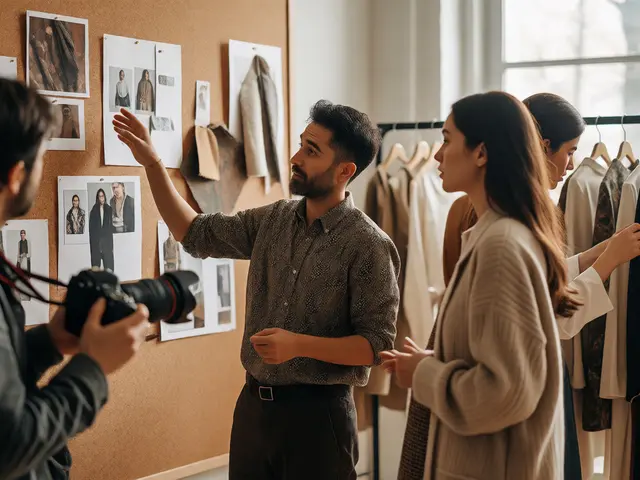
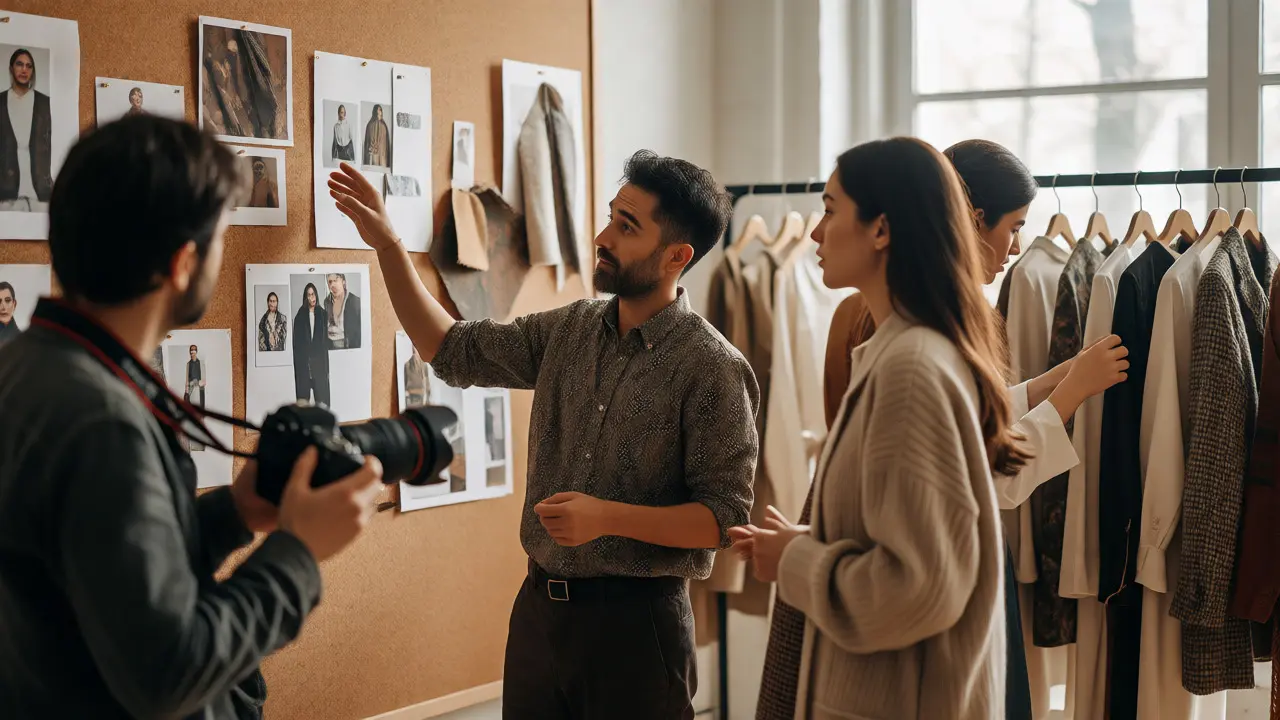
Reach out via email, not just Instagram comments. Keep it short. Attach a mood board. This shows you’ve done your homework. It signals that you respect their time. A vague "hey wanna shoot?" gets ignored. A specific proposal like "I’m shooting a neon-noir concept next Tuesday, here’s the vibe," gets replies.
Vetting Your Partners
- Reliability: Did they show up on time to previous collabs? Ask around. The fashion community is small.
- Professionalism: Do they communicate clearly? Late replies usually mean late arrivals.
- Style Match: Does their aesthetic fit your current project? Don’t force a square peg into a round hole.
- Agency Status: If they are signed, check their contract. Some agencies restrict what models can wear or do during unpaid tests.
The Pre-Production Phase: Where Projects Live or Die
Most test shoots fail because of poor planning. You need a concept. Not just "pretty girl," but a story. Who is she? Where is she? What is she feeling? Write this down. Share it with your stylist and MUA early.
Location scouting is critical. In Portland, we have incredible natural light and gritty urban backdrops. But weather is unpredictable. Always have a backup plan. If you’re shooting outdoors, check the sunrise and sunset times. Golden hour lasts twenty minutes. Plan your shot list accordingly.
Lock in the wardrobe. Stylists often borrow clothes from showrooms. These items must be returned clean and undamaged. Treat every garment like it costs $5,000-because sometimes it does. Steam everything before the shoot. Wrinkles kill the vibe faster than bad lighting.
Execution: Managing the Set Dynamics
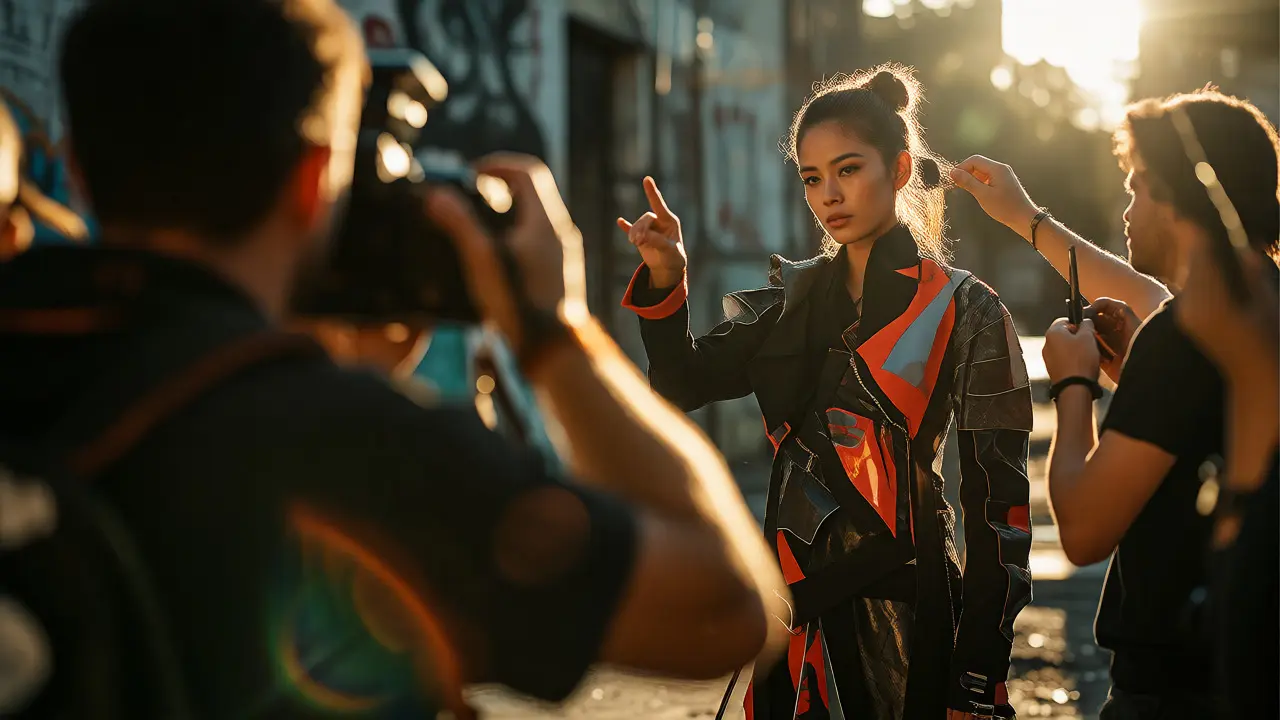
You are the director. On set, energy is everything. If you’re stressed, everyone feels it. If you’re confident, they relax. Bring snacks. Seriously. Low blood sugar makes people cranky. Water helps too. Hydrated skin looks better in photos.
Give clear direction. Models hate guessing. Instead of "be sad," say "look at the horizon as if you lost something important." Specificity yields better results. Review images together occasionally. Show them a few good frames. Confidence boosts performance. But don’t stop every three seconds to review. Flow matters.
Respect boundaries. Touching should always be consensual. Ask before adjusting hair or clothing. A simple "Can I adjust your collar?" goes a long way. It builds trust. Trust leads to vulnerability. Vulnerability leads to great photography.
Post-Production and Deliverables
This is where many photographers drop the ball. You promised images. Deliver them. Set a realistic timeline. Two weeks is standard for a full edit. If you need longer, tell them upfront. Ghosting after a shoot burns bridges permanently.
How many images? Three to five fully retouched selects is a fair trade for an eight-hour day. Include a low-res watermarked version for social media immediately so they can start posting while waiting for the finals. Tag everyone correctly. Use consistent hashtags. Make it easy for them to share.
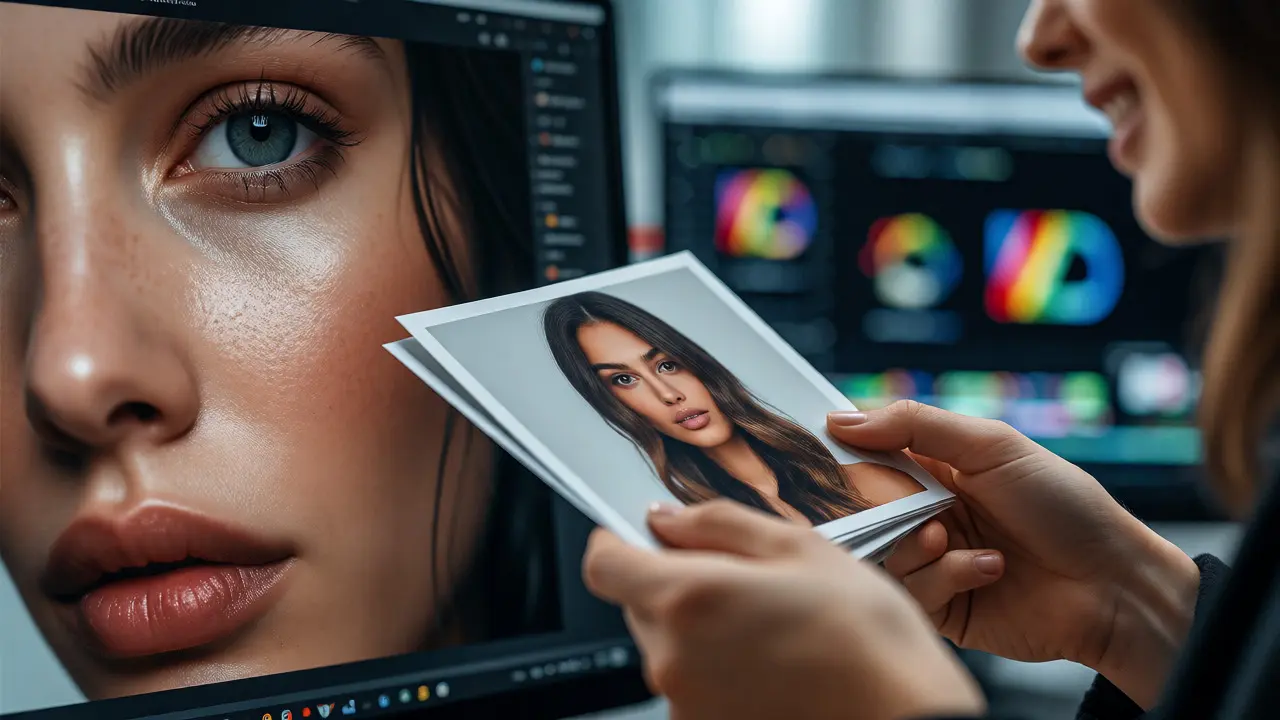
Retouching shouldn’t erase the person. Keep skin texture. Remove blemishes, sure, but don’t plasticize faces. Authenticity sells in 2026. Clients want real humans, not CGI avatars.
Legalities and Usage Rights
Even for free shoots, get a release form. No exceptions. This protects you if the image becomes viral or if you use it in a paid ad later. Specify usage rights. Typically, for test shoots, everyone gets non-exclusive rights for self-promotion. The photographer retains copyright. Clarify if the model can sell the image. Usually, they can’t without your permission.
A simple agreement covers: 1. Credit requirements. 2. Number of delivered images. 3. Timeline for delivery. 4. Usage restrictions (e.g., no AI training without consent).
Troubleshooting Common Pitfalls
The Model Cancels Last Minute: Have a backup contact. Or reschedule quickly. Don’t burn bridges over one cancellation unless it’s habitual.
The Wardrobe Doesn’t Fit: Bring safety pins, double-sided tape, and a basic sewing kit. You will need them.
Lighting Fails: Learn to work with available light. Reflectors are cheap and portable. A white foam core can save a blown-out highlight.
Personality Clashes: Stay neutral. Mediate. Focus on the work. If two people can’t get along, separate them physically during breaks.
Do models get paid for test shoots?
Typically, no. Test shoots are considered collaborative projects where payment is exchanged for images and portfolio material. However, some established models may request a small fee to cover travel or time, especially if the shoot is complex. Always discuss compensation expectations upfront.
Who owns the copyright to test shoot images?
By default, the photographer owns the copyright to the images created. However, usage rights are usually granted to the model, stylist, and other collaborators for promotional purposes. A written agreement clarifies exactly who can use the images and how, preventing future disputes.
How many edited photos should I deliver?
A common standard is 3 to 5 fully retouched images per collaborator. This ensures quality over quantity. You might provide more unedited or lightly edited files for personal use, but the polished selects should be limited to maintain exclusivity and value.
What if the stylist brings clothes that don't fit?
This is a frequent issue. Always schedule a fitting beforehand if possible. If not, bring emergency supplies like safety pins, clips, and double-sided tape. Communicate with the stylist early if sizes are off, and be prepared to adapt the styling plan on the fly.
Is it okay to use AI-generated backgrounds in test shoots?
Yes, but transparency is key. If you significantly alter the environment using AI, mention it in the credits. Some purists prefer authentic locations, but AI can enhance creativity. Ensure the final image still highlights the model and styling effectively.