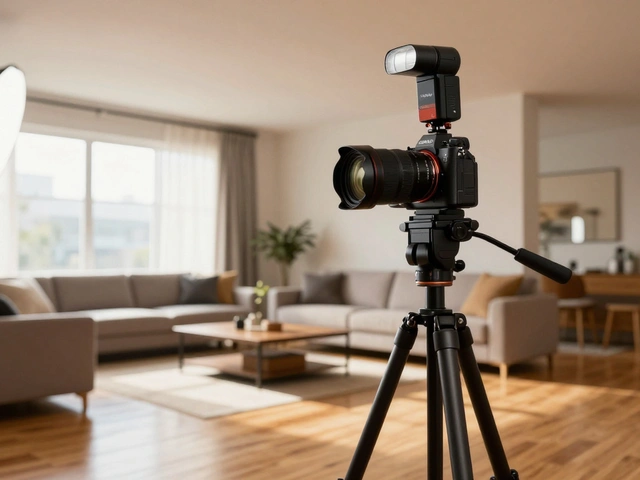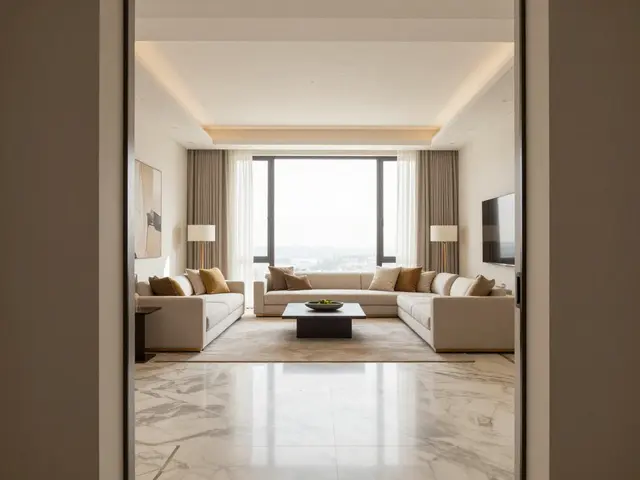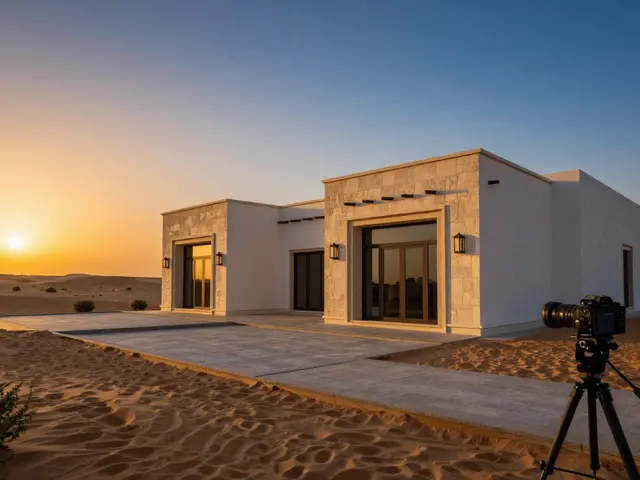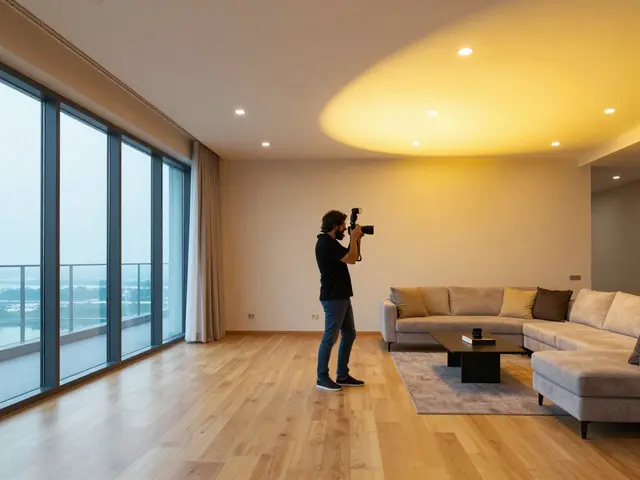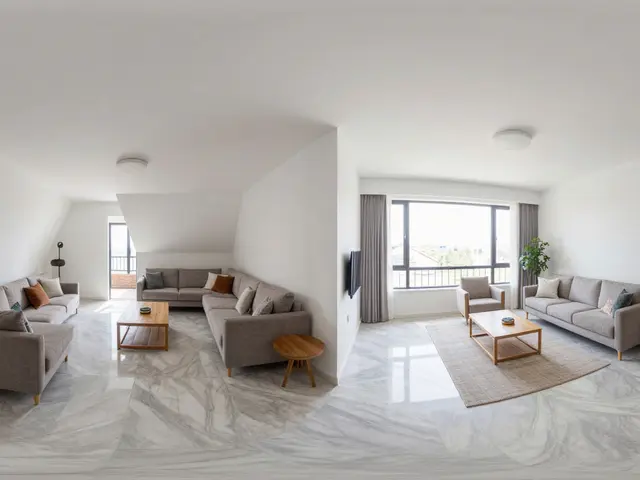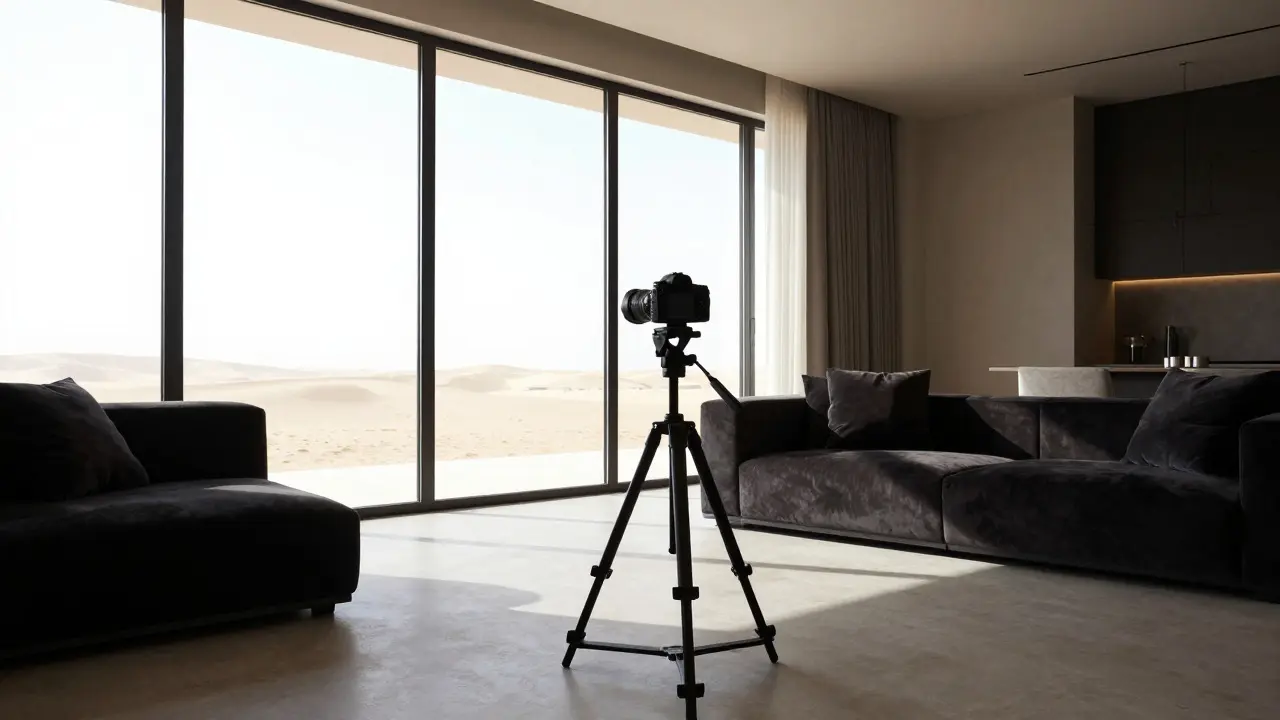
You stand in a living room that looks like a cave on one side and a supernova on the other. The window is blown out white; the corner sofa is pitch black. Your camera sensor can’t handle that range of light. This is the daily struggle for real estate photographers. You have two main ways to fix it: HDR or flambient lighting. Both get you a bright, balanced image. But they feel completely different to shoot, edit, and sell.
Picking the wrong workflow wastes your time. It also risks client pushback if the photos look too fake. Let’s break down which method fits your gear, your clients, and your schedule. We’ll look at the technical differences, the editing effort, and the final look so you can stop guessing and start shooting with confidence.
What Is Real Estate HDR Photography?
HDR stands for High Dynamic Range. In this context, it usually means HDR Bracketing, not the single-shot sensor trick found in phones. You take multiple photos of the same scene at different exposures. Typically, you shoot three to seven frames. One is dark (for the windows), one is normal (for the interior), and one is bright (for the shadows).
The magic happens in post-production. Software like Lightroom or Photomatix aligns these images and blends them into one file. The goal is to retain detail in both the brightest highlights and the darkest shadows. This mimics how your eye sees the room, rather than how your camera records it.
| Aspect | Detail |
|---|---|
| Shooting Time | Fast per shot, but requires stability |
| Gear Needed | Tripod, wide-angle lens, remote shutter |
| Editing Effort | Medium to High (blending & tone mapping) |
| Look | Natural to Hyper-realistic depending on settings |
| Best For | Static interiors, vacant homes |
The biggest hurdle here is motion. If a fan is spinning or curtains are blowing in the breeze, the blend will ghost. You need a rock-solid tripod. If you’re shooting occupied homes, getting everyone out of the frame while keeping the lights off is a logistical nightmare. But when done right, HDR captures the true atmosphere of a space without artificial interference.
What Is Flambient Photography?
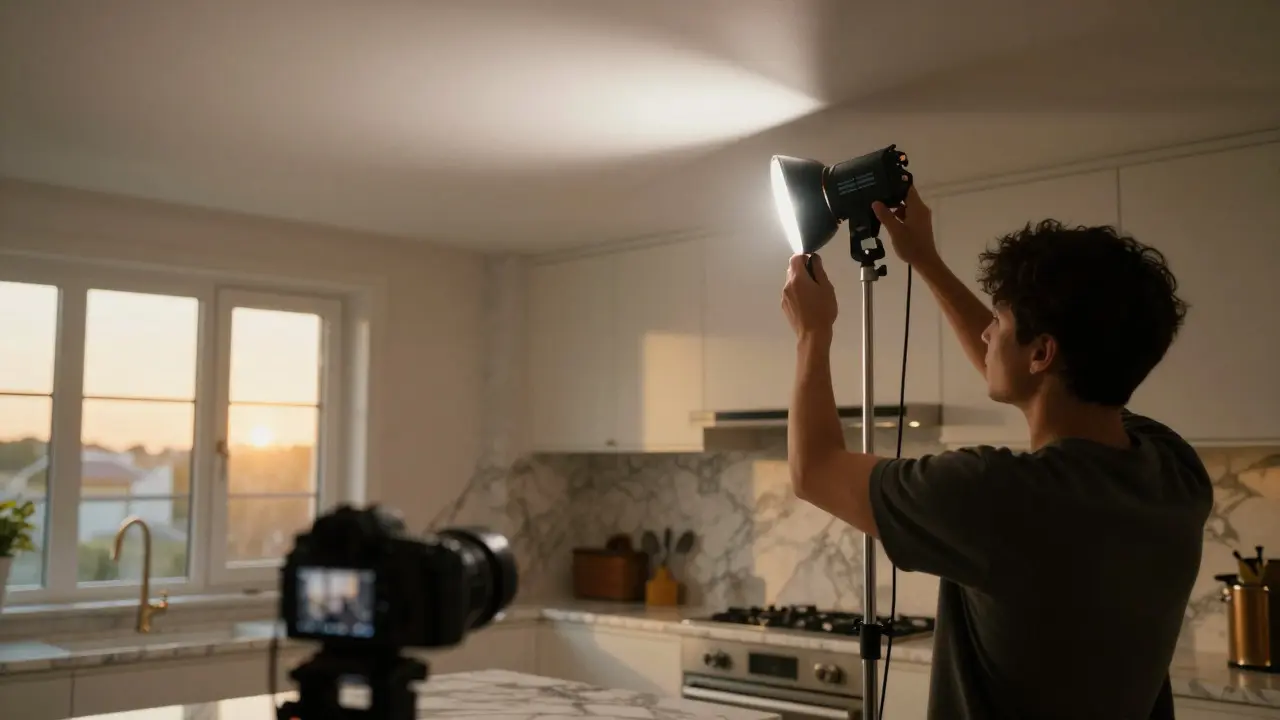
Flambient is a portmanteau of "Flash" and "Ambient." It’s not just one photo; it’s a composite. You take two separate sets of images from the exact same angle. First, you shoot the ambient light-the natural light coming through windows and existing fixtures. Then, you take a second set where you use external flashes to illuminate the dark corners and balance the interior brightness against the window light.
In Photoshop, you mask these layers together. You keep the window view from the ambient shot and the interior details from the flash shot. This gives you total control over the lighting ratios. Unlike HDR, which blends everything globally, flambient lets you paint light exactly where you want it.
| Aspect | Detail |
|---|---|
| Shooting Time | Slower per shot (lighting setup takes time) |
| Gear Needed | Tripod, speedlights/strobes, triggers, modifiers |
| Editing Effort | High (masking & color matching) |
| Look | Clean, commercial, controlled |
| Best For | Luxury listings, complex lighting, occupied spaces |
This method is favored by high-end luxury shooters. Why? Because it looks expensive. The light is crisp. There are no weird halos around windows, which can happen with poor HDR blending. However, it requires you to be good at lighting. If your flash power is too high, you get hotspots. If it’s too low, the room still looks dim. It’s a skill curve, but the payoff is consistent, magazine-quality results.
Key Differences: Control vs. Speed
Let’s compare the core mechanics. HDR relies on software algorithms to guess how to merge exposures. Flambient relies on human decision-making during the shoot and precise masking in post. Which one saves you money? That depends on your volume.
If you shoot ten houses a week, HDR is faster to shoot. You set up the tripod, press the button, move the tripod, repeat. You don’t carry heavy flash gear. You don’t worry about battery life. The editing is batchable. You can import all shots into Lightroom, apply an auto-blend preset, and export. It’s efficient.
Flambient is slower. You have to position lights, test exposure, and shoot twice. In post, you often mask each layer manually or use semi-automated actions. This doubles your editing time. But, you spend less time fixing artifacts. HDR images often need cleanup-removing green tints, fixing ghosting, or reducing noise in shadow areas. Flambient images are cleaner straight out of the camera because the flash illuminates the shadows properly.
Consider the client perspective. Agents selling mid-range homes often prefer the "bright and airy" look of HDR because it’s standard and cheap. Luxury agents expect the polished, dramatic contrast of flambient. They notice if the chandelier isn’t sparkling or if the marble floor lacks depth. HDR can flatten those textures. Flambient brings them out.
When to Choose HDR
Stick with HDR if you are new to real estate photography. The learning curve is gentler. You don’t need to understand inverse square laws or bounce cards yet. Just ensure your tripod doesn’t wobble. Use it for vacant properties where you control the environment. If the house has simple window treatments and static decor, HDR works perfectly.
It’s also ideal for tight budgets. Clients paying $150-$250 per shoot rarely justify the extra labor of flambient. You can churn out quality images quickly. Plus, many online outsourcing services specialize in HDR blending. You upload your brackets, pay a small fee, and get back finished files. This keeps your overhead low.
- Vacant Homes: No people moving around, easier to keep still.
- Simple Interiors: Fewer reflective surfaces or complex light sources.
- High Volume: When you need to process dozens of images fast.
- Budget Listings: Where cost efficiency outweighs artistic nuance.
When to Choose Flambient
Switch to flambient when the stakes are higher. Luxury listings demand perfection. If a buyer spends $2 million on a home, they expect the listing photos to reflect that value. Flambient allows you to hide flaws. Dark corners? Light them up. Ugly ceiling fans? Turn them off before shooting the flash pass. Messy cords? Hide them during the flash setup.
It’s also superior for occupied homes. People leave things behind. With HDR, if someone walks through the frame between exposures, you get a ghost. With flambient, you shoot the ambient pass first (with people maybe still packing), then clear the room for the flash pass. Or, you ask them to step out briefly. The composite hides minor inconsistencies better than global blending does.
Use it for exterior twilight shots too. Blending sky gradients with HDR can look muddy. Flambient lets you light the facade with strobes to match the blue hour sky precisely. The result is vibrant and inviting, driving more clicks on MLS listings.
Hybrid Approaches and Modern Tools
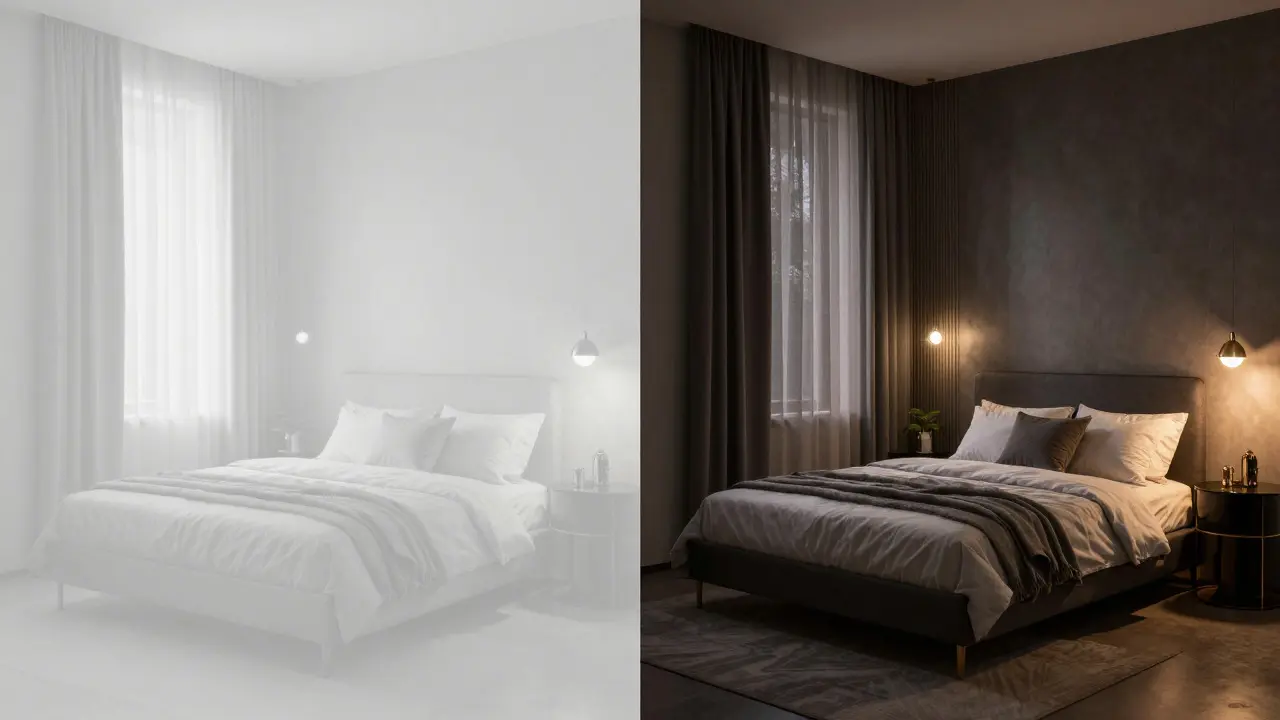
Do you have to pick one forever? Not necessarily. Many pros use a hybrid approach. They might use HDR for basic rooms and switch to flambient for the master suite or kitchen. Some even combine techniques: taking a bracketed set for the windows and a flash-lit set for the interior, then blending all four layers in Photoshop.
Software has evolved. Enfuse plugins offer non-destructive HDR within Lightroom. AI tools now assist in masking for flambient, speeding up the tedious parts. But remember: technology assists, it doesn’t replace vision. A poorly lit flambient shot looks worse than a well-executed HDR shot. Focus on mastering one workflow before adding complexity.
Check your local market norms. In Portland, Oregon, where I shoot, the aesthetic leans toward natural, moody tones. Over-processed HDR can feel sterile here. Flambient offers the control needed to maintain mood while ensuring visibility. Talk to your top-performing agents. Ask them what gets their listings sold fastest. Their feedback is your best guide.
Frequently Asked Questions
Is HDR considered cheating in real estate photography?
No, it’s a standard industry technique. As long as the final image represents the property accurately and isn’t misleadingly brightened to hide major defects, it’s accepted. Most MLS guidelines allow HDR as long as colors aren’t drastically altered.
Do I need a specific camera for flambient photography?
Any interchangeable lens camera with manual mode works. Key features include reliable autofocus, good dynamic range, and compatibility with external flash triggers. Full-frame sensors help with low-light ambient shots, but APS-C cameras are perfectly capable if paired with good lenses and lighting.
How much longer does flambient editing take compared to HDR?
Expect to spend 2-3 times longer per image. HDR can often be automated with presets. Flambient requires careful masking and color matching between the flash and ambient layers to ensure seamless transitions, especially around windows and mirrors.
Can I use HDR and flambient together?
Yes. Many professionals use a multi-bracket approach for the ambient pass to capture window details, then add a flash pass for interior illumination. This combines the dynamic range benefits of HDR with the lighting control of flambient, though it increases file management complexity.
Which workflow is better for twilight exteriors?
Flambient is generally preferred for twilight. HDR struggles with the extreme contrast between the darkening sky and unlit house facades. Flash allows you to illuminate the architecture evenly, creating a warm, inviting glow that contrasts beautifully with the cool blue sky.