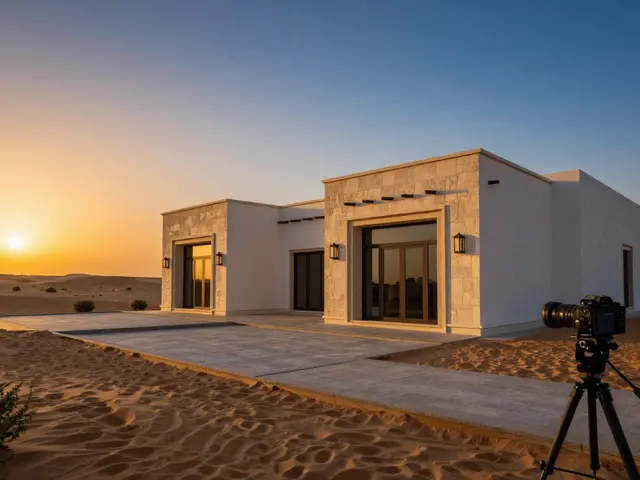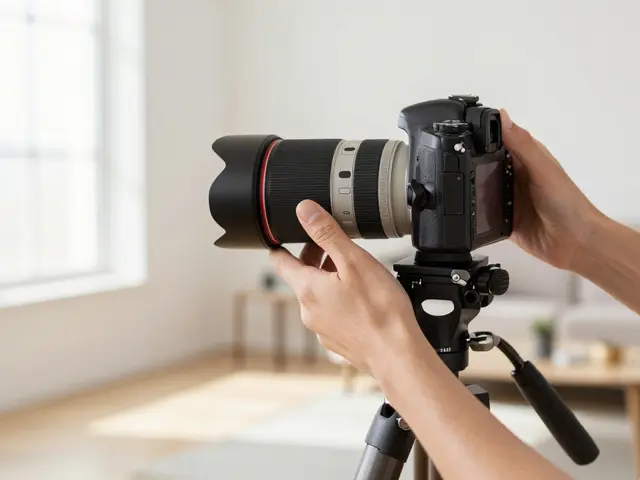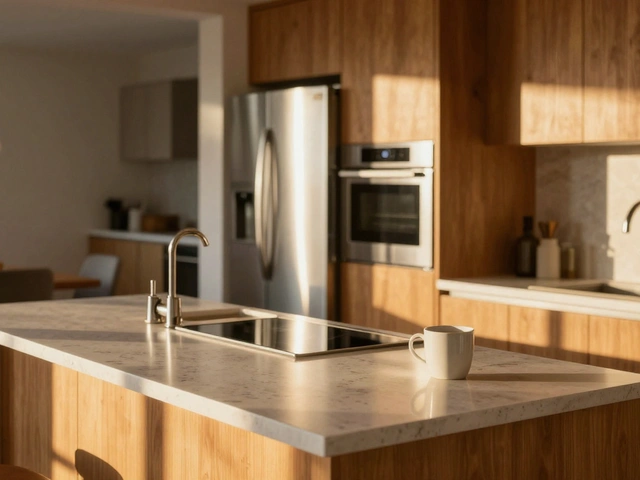
Real estate photography isn’t just about taking pictures of houses. It’s about selling a lifestyle-making a cluttered living room feel spacious, turning a dim hallway into a warm escape, and showing off a backyard like a private oasis. The difference between a snapshot and a listing that gets offers? The gear you use and how you prepare before you even step inside.
Camera: Your Foundation
You don’t need the most expensive camera on the market, but you do need one that handles low light, wide angles, and sharp detail. For most real estate photographers in 2026, the Sony A7V is the go-to choice. Why? It shoots 4K video at 60fps with no crop, so you can use the same body for stills and virtual tours. If video isn’t your focus, the Sony A7IV gives you excellent stills at a lower price. But if you’re just starting out, the Sony A7III still delivers solid results-just don’t expect smooth video.Canon shooters still swear by the 5D Mark IV, especially for its Dual Pixel RAW feature. That lets you tweak focus and reduce ghosting after the fact, which is a lifesaver when a shot is slightly off. For budget buyers, the Sony A6400 or A6500 are more than enough. They’re small, light, and pack 24MP sensors that handle interiors beautifully.
Whatever you pick, make sure it has Live View with real-time exposure preview. You can’t afford to guess exposure when you’re rushing between homes. Seeing the image change as you adjust settings saves time-and bad shots.
Lenses: The Most Important Investment
If you spend all your money on one thing, make it the lens. A wide-angle zoom is non-negotiable. Rooms look tiny without it. The Sony 16-35mm f/2.8 GM II is the current gold standard. It’s sharp, fast, and lighter than its predecessor. But if that’s out of your budget, the Sony 16-35mm f/4 Zeiss gives you 90% of the quality for half the price.For ultra-wide shots in tight spaces-like small bathrooms or narrow hallways-go for the Sony 12-24mm f/4. It’s pricey at $1,600, but it captures more than any other lens in its class. You’ll use it on every condo and townhouse you shoot.
Don’t forget a 50mm. The Sony 50mm f/1.4 GM is perfect for detail shots: kitchen backsplashes, fireplace mantels, or a sleek bathroom faucet. It’s also great for agent headshots if you offer that service. And if you want one lens that does it all-interiors, exteriors, portraits-the Sony 24-70mm f/2.8 G Master is a solid hybrid option.
And here’s a pro tip: always use a circular polarizer. It cuts glare off hardwood floors, tile, and windows. It also deepens blue skies on exterior shots. Make sure you get the right filter size-82mm for the 16-35mm f/2.8, 72mm for the f/4 version. Don’t skip this.
Tripod: No Exceptions
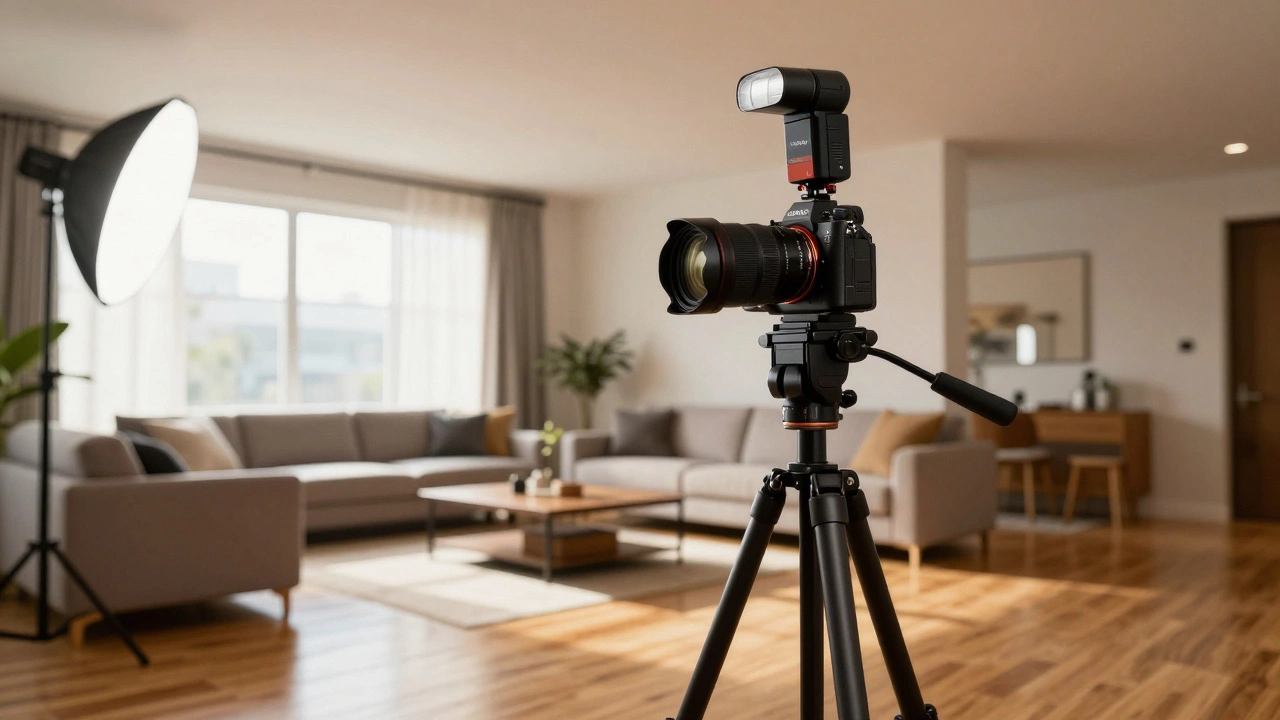
You’re not shooting handheld. Not even close. Real estate photos need to be rock-solid, especially when using long exposures in dim rooms. A shaky shot ruins your credibility.The Slik 700DX Pro tripod legs are the most practical choice. Why? They have a long center column that lets you raise the camera to eye level without adjusting the legs. That saves you 10 minutes per home. You’ll thank yourself after your third listing of the day.
For the head, go with a Benro 3-Way Geared Tripod Head. It lets you level the camera with tiny, precise movements. Perfect for capturing straight walls and flat floors. If you’re on a tight budget, the Manfrotto 322RC2 ball head works fine. Just know you’ll spend more time tweaking angles.
And if you’re doing video? Add a fluid head. A full setup with both photo and video heads runs about $900. It’s not cheap, but if you’re offering virtual tours, you’re already in the professional tier.
Lighting: Flash Is Non-Negotiable
Natural light is great-but it’s rarely enough. Even on sunny days, corners stay dark. That’s where flash comes in.The Godox AD200 Pro is the minimum you should own. It’s powerful enough to fill a large living room, works wirelessly, and doubles as a portrait light for agent photos. Regular speedlights? They’re too weak. You’ll end up with muddy shadows.
For full flambient lighting (flash + ambient), most pros use three or more flashes with a wireless controller. A basic setup with three speedlites and a trigger costs around $300. You can start with one, but you’ll quickly realize you need more.
Pro tip: Always bounce your flash off ceilings or walls. Direct flash looks harsh and unnatural. Use a diffuser if you have one. The goal is to make the light look like it’s always been there.
Video Gear: It’s Not Optional Anymore
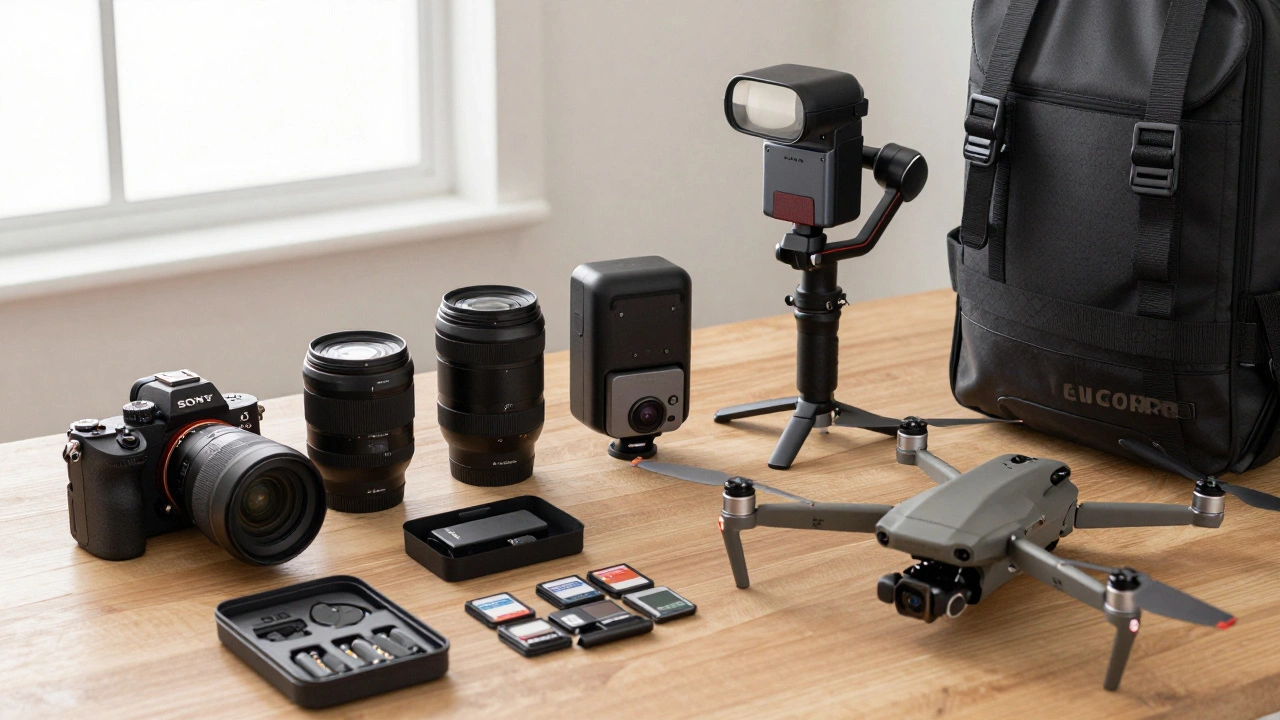
Buyers expect video now. Not just a 30-second clip, but a smooth, cinematic walkthrough. That means you need stabilization.The DJI RS4 Pro Gimbal is the top pick for professionals. It’s stable, responsive, and handles heavy cameras like the Sony A7V. At $900, it’s an investment-but so is losing clients because your video looks like a shaky phone clip.
For lighter setups, the DJI Osmo Pocket 4 is a game-changer. It’s a 4K camera with a built-in gimbal, all in one compact unit. Perfect for behind-the-scenes clips or social media snippets. If you’re just starting out, the DJI Osmo Mobile 6 ($149) lets you shoot smooth iPhone clips for Instagram Reels or TikTok.
And if you’re serious about video, consider the Sony FX3. It’s built for cinema. Dual native ISO (640 and 12,800) means you can shoot in dim basements without noise and still use wide apertures. It’s not cheap, but it’s the tool pros use when video is their main service.
Drone and 360 Cameras: The Next Level
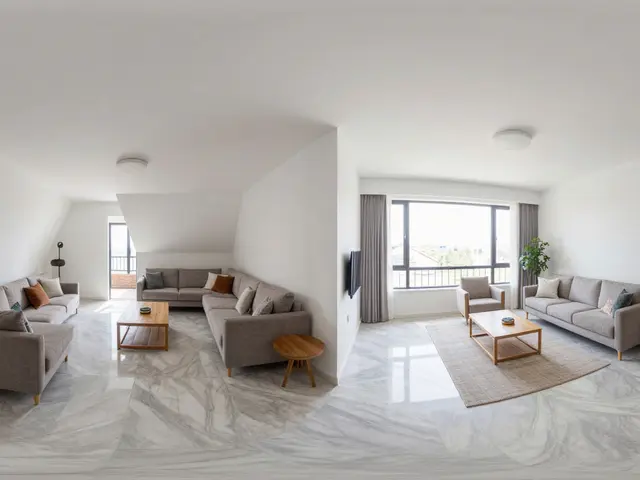
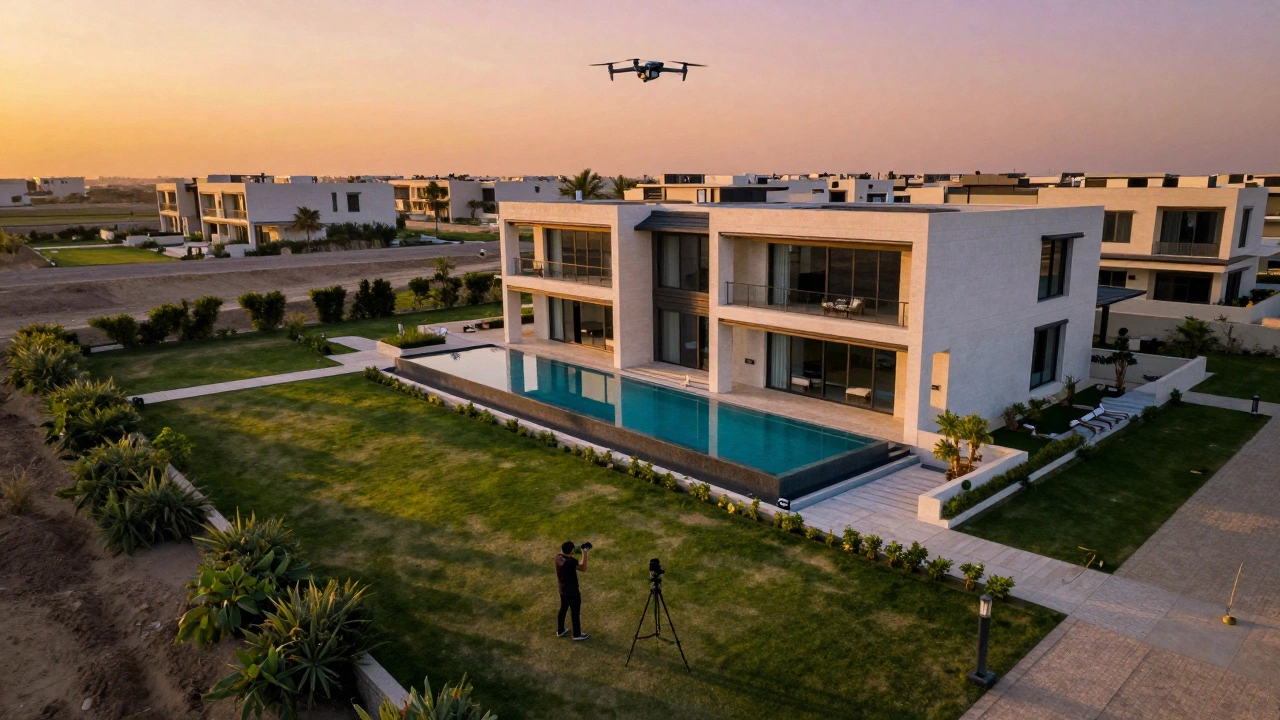
Aerial shots are no longer a luxury. Buyers want to see the yard, the neighborhood, the view. The DJI Mavic 4 Pro Fly More Combo is the best option right now. It has three cameras-including a telephoto lens-and D-Log color profiles for editing flexibility. Battery life? Over 30 minutes. That’s enough for two full properties.For indoor 360 shots, the Theta Z1 captures the whole room in one shot. It’s $1,000, but it’s perfect for virtual tours. No stitching, no distortion. Just a clean, immersive experience.
Accessories: Don’t Forget the Small Stuff
You’d be surprised how much time you lose without these:- SD cards: Get UHS-II, 64GB or 128GB. Shoot in RAW. You’ll need the space.
- Batteries: Carry at least two spares. Cold mornings drain power fast.
- Camera cleaning kit: Dust on the sensor ruins shots. Clean it before every shoot.
- Carrying case: A sturdy backpack like the Lowepro ProTactic ($250) protects everything and keeps gear organized.
- Remote triggers: Wireless triggers eliminate camera shake and let you step into the shot for agent photos.
What Does a Real Setup Cost?
Here’s what a full professional setup looks like in 2026:| Item | Model | Price |
|---|---|---|
| Camera Body | Sony A7V | $3,200 |
| Wide-Angle Lens | Sony 16-35mm f/2.8 GM II | $2,200 |
| Telephoto Lens | Sony 50mm f/1.4 GM | $1,100 |
| Travel Zoom Lens | Sony 24-70mm f/2.8 G Master | $2,300 |
| Tripod Legs | Slik 700DX Pro | $400 |
| Geared Head | Benro 3-Way Geared Head | $350 |
| Fluid Head (Video) | DJI RS4 Pro Gimbal | $900 |
| Flash System | Godox AD200 Pro + 2 Speedlights | $500 |
| Drone | DJI Mavic 4 Pro | $2,200 |
| 360 Camera | Theta Z1 | $1,000 |
| Carrying Case | Lowepro ProTactic | $250 |
| Accessories | Filters, batteries, cables, cleaning kit | $150 |
| Total | $14,450 |
That’s a full kit. But you don’t need all of it at once. Start with a camera, a 16-35mm lens, a tripod, and one flash. That’s under $2,000. Add video gear and drone later.
What to Skip
Don’t waste money on:- Expensive lenses you won’t use (like 85mm portraits).
- Travel tripods that can’t reach eye level.
- Cameras without Live View exposure preview.
- Single speedlights under 200Ws.
- Generic camera bags that don’t protect gear.
Real estate photography is about efficiency and quality. Every piece of gear should earn its place. If it doesn’t make your job easier or your photos better, leave it behind.
Do I need a full-frame camera to do real estate photography?
No. APS-C cameras like the Sony A6400 can produce excellent real estate photos. The key is the lens-not the sensor size. A 16-35mm lens on an APS-C camera gives you the same field of view as a 24-52mm on full-frame, which is still wide enough for most interiors. But full-frame gives better low-light performance and dynamic range, which matters more in dimly lit homes.
Can I use my smartphone for real estate photography?
You can, but not professionally. Smartphones lack the dynamic range and manual controls needed to handle high-contrast scenes-like a bright window next to a dark room. They also can’t shoot RAW, which limits editing flexibility. For social media snippets or quick client updates, yes. For listings, no.
How many flashes do I need?
Start with one powerful flash like the Godox AD200 Pro. That’s enough for basic flambient lighting. As you grow, add two more speedlights for side and back lighting. Three flashes give you full control over shadows and highlights. One flash is a start. Two is better. Three is professional.
Is a drone necessary for real estate photography?
Not every listing needs it, but most buyers expect it. Aerial shots show property size, layout, and surroundings in a way ground photos can’t. If you’re targeting mid-to-high-end homes, a drone is essential. For condos or urban apartments, you can skip it-until the client asks.
Should I buy a 360 camera?
If you’re offering virtual tours, yes. The Theta Z1 captures the entire room in one shot with no stitching errors. It’s faster than traditional panorama stitching and looks more polished. It’s not for every shoot, but for listings that need a 360 tour, it’s the industry standard.