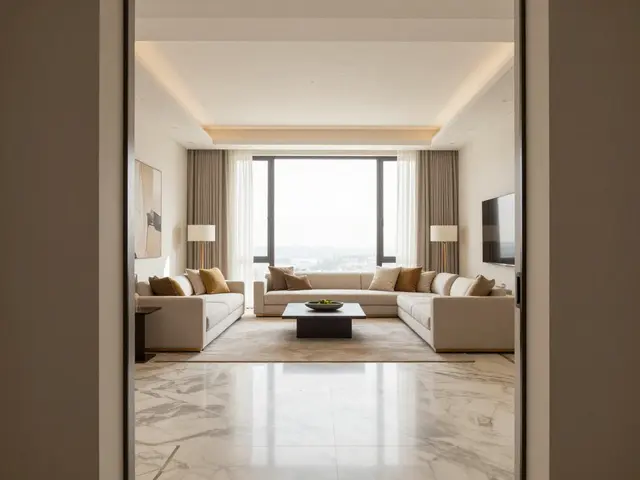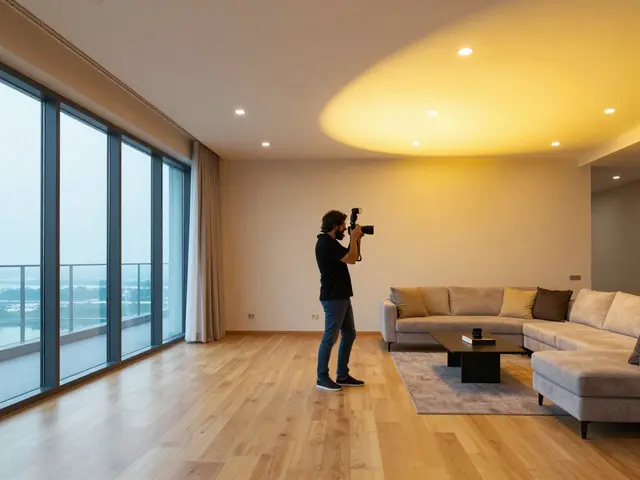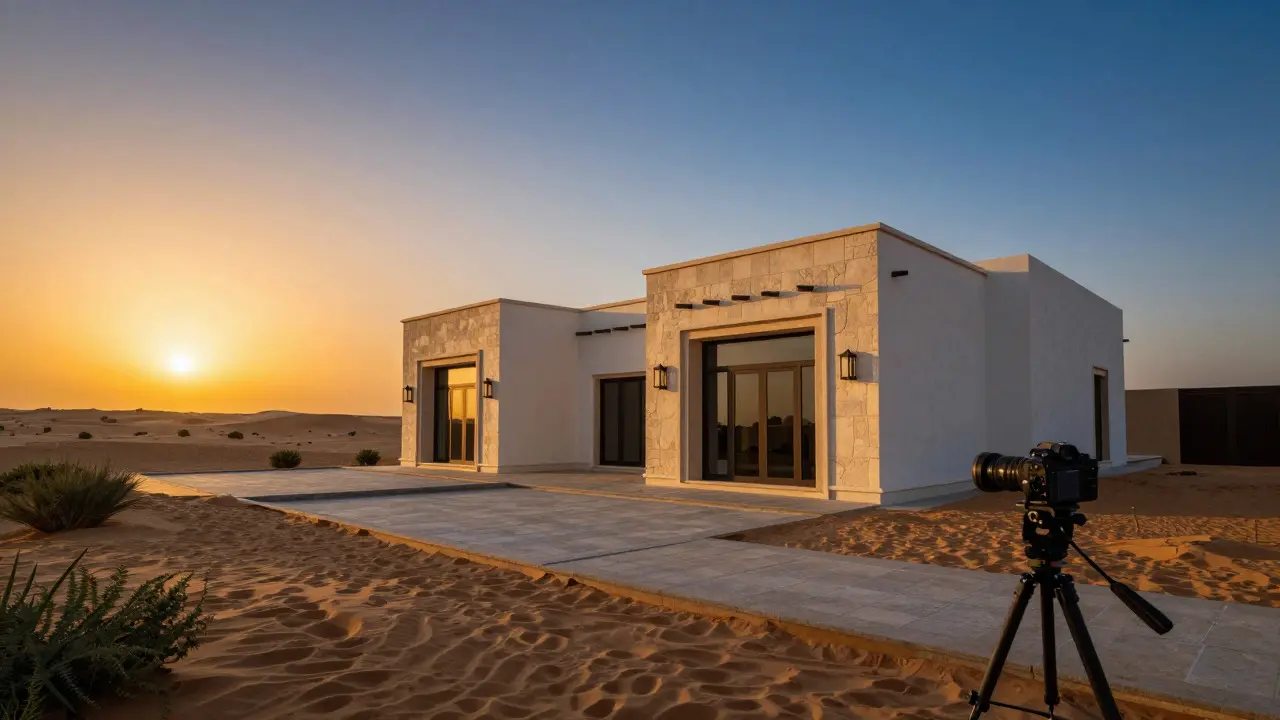
There is a specific moment when a house stops looking like a structure and starts looking like a home. It happens when the light hits the siding at the right angle, or when the interior windows glow against a deepening sky. If you are selling high-value properties, you know that buyers do not just see a house; they feel it. That feeling comes from how you capture the exterior.
Most photographers stick to midday sun because it is predictable. But if you want your listings to stand out in a crowded market, you need to master two fleeting windows of time: golden hour and blue hour. These periods offer natural light that flatters architecture, enhances curb appeal, and creates an emotional connection with potential buyers before they even step inside.
The Science Behind the Magic Light
To use these times effectively, you need to understand what is actually happening in the atmosphere. It isn't just about the sun being lower; it is about particle scattering.
Golden Hour occurs roughly one hour after sunrise and one hour before sunset. During this time, sunlight travels through more of the Earth's atmosphere. This path length filters out shorter blue wavelengths and allows longer red and orange wavelengths to dominate. The result is warm, soft, directional light. For real estate, this means shadows are longer but softer, reducing harsh contrast on facades. Textures in brick, stone, or wood become visible without blowing out highlights.
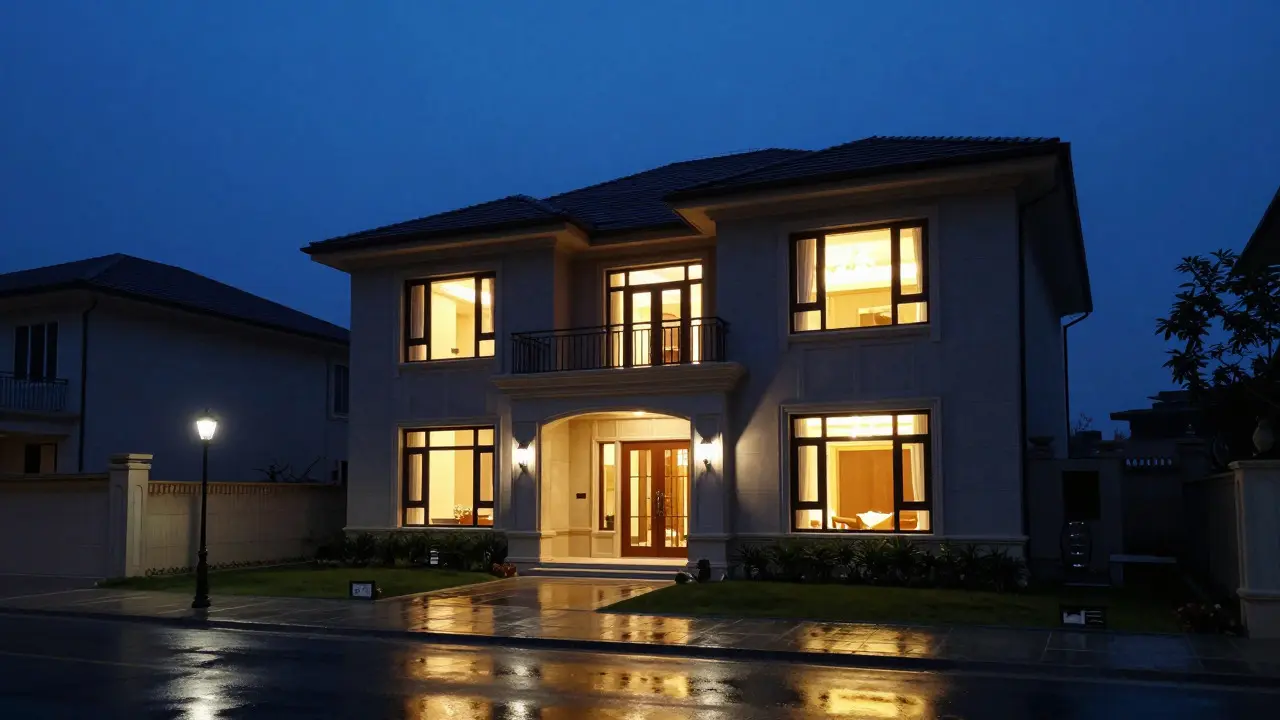
Blue Hour is the period of twilight between civil dusk and astronomical night (or vice versa). The sun is below the horizon, but its indirect light still illuminates the sky. The atmosphere scatters the remaining light, creating a uniform, cool blue backdrop. This is critical for balancing interior and exterior exposure. In midday shots, interiors often look dark compared to bright exteriors. In blue hour, the ambient light drops enough that you can expose for the glowing windows without losing detail in the sky.
Strategic Timing: When to Shoot
You cannot rely on guesswork. You need precise data. Use tools like PhotoPills or The Photographer's Ephemeris to plan your sessions. Here is how to approach each window:
- Check the Sun Position: Identify where the sun will be relative to the house's main facade. You want the light hitting the front of the house, not the side or back, unless you are shooting a specific architectural detail.
- Monitor Weather Conditions: Clear skies provide the best golden hour gradients. Overcast days kill the color warmth of golden hour but can create dramatic, moody blue hour shots if there are clouds to catch the last light.
- Buffer Time: Arrive 30 minutes early. Set up your tripod, compose your shot, and check your white balance. The light changes rapidly during these windows. You have less than 15 minutes of optimal quality light in either phase.
Camera Settings for Exterior Perfection
Your gear matters, but your settings matter more. Here is a baseline starting point for both scenarios. Adjust based on your specific lens and sensor.
| Setting | Golden Hour Strategy | Blue Hour Strategy |
|---|---|---|
| Aperture | f/8 to f/11 (Maximum sharpness) | f/8 to f/11 (Ensure depth of field) |
| ISO | 100-400 (Keep noise low) | 400-1600 (Higher ISO needed for low light) |
| Shutter Speed | 1/125s or faster (Freeze motion) | 1/60s to 1/30s (Use tripod for stability) |
| White Balance | Daylight or Shade (Enhance warmth) | Cloudy or Tungsten (Preserve blue tones) |
| Focal Length | 16mm-24mm (Wide angle for context) | 16mm-24mm (Wide angle for context) |
Techniques to Enhance Curb Appeal
Capturing the light is only half the battle. You must also manage the scene. Buyers judge a property by its first impression. Use these techniques to elevate your shots.
- Turn On Interior Lights: This is non-negotiable for blue hour. Warm interior lighting contrasts beautifully with the cool blue exterior. Ensure lamps are on in the living room and kitchen. Avoid overhead fluorescent lights which cast a greenish tint.
- Manage Landscaping: Long shadows in golden hour can obscure walkways or hide flaws. Move potted plants or trim overgrown bushes that cast distracting shadows across the facade. In blue hour, ensure pathway lights are functional to guide the eye into the home.
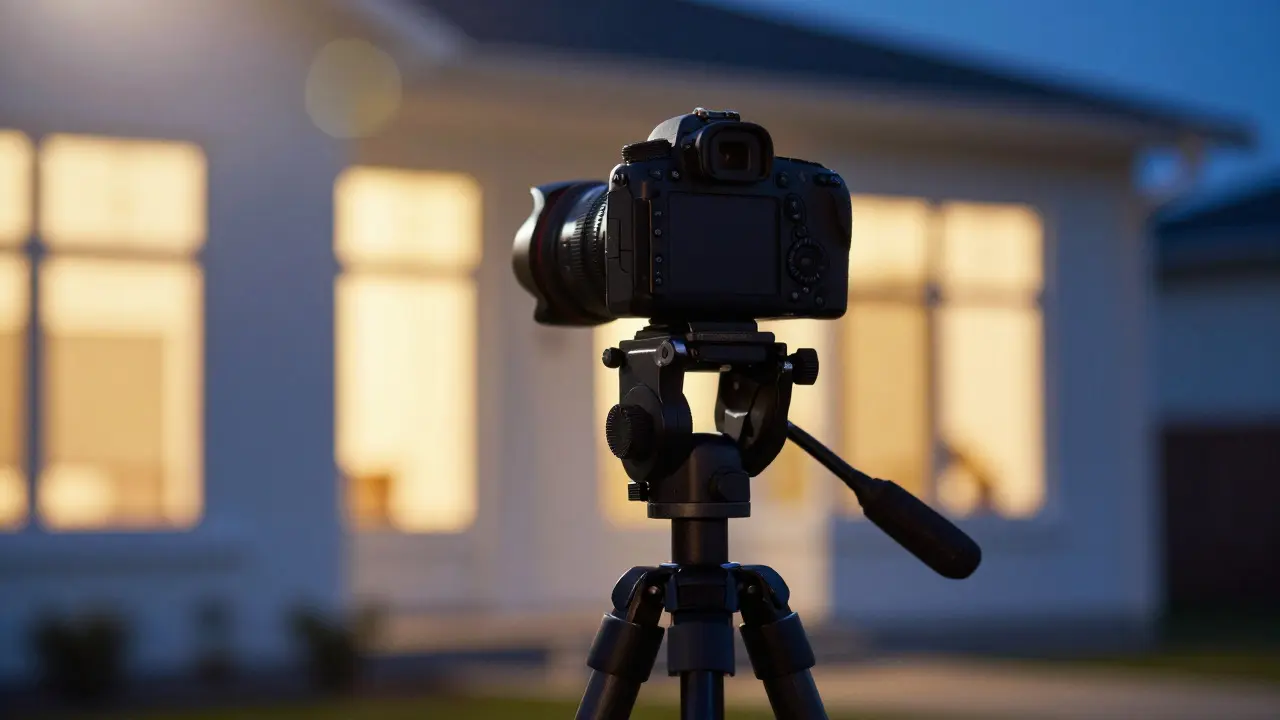
- Use a Tripod: Especially in blue hour, shutter speeds drop. A sturdy tripod prevents blur. Use a remote shutter release or the 2-second timer to avoid camera shake.
- Shoot RAW: Always shoot in RAW format. White balance is tricky during transitions. RAW files give you the flexibility to adjust color temperature in post-processing without degrading image quality.
Post-Processing: Balancing the Exposure
Even with perfect in-camera settings, you will likely need to tweak the images. The goal is to make the house look inviting, not artificially enhanced.
For Golden Hour images, focus on preserving the warmth. Slightly increase the vibrance rather than saturation to keep skin tones and foliage natural. Watch the shadows; they may contain important details like entry doors or landscaping features. Lift the shadows slightly to reveal texture without introducing noise.
For Blue Hour images, the challenge is balancing the interior and exterior. Use the Graduated Filter tool in Lightroom or Photoshop. Darken the sky slightly to enhance the blue mood, then brighten the interior windows to make them pop. Be careful not to overexpose the windows; you want them to glow, not blow out to pure white. Aim for a balanced histogram where neither end is clipped.
Common Mistakes to Avoid
Even experienced photographers miss the mark. Here are the pitfalls that ruin otherwise good shots.
- Waiting Too Long: Golden hour ends quickly. If you are still setting up when the sun touches the horizon, you have missed the best light. Start shooting when the sun is still above the roofline.
- Ignoring Reflections: Wet driveways or pools reflect the sky. In blue hour, this can create a beautiful mirror effect, but in golden hour, it might reflect harsh direct sun. Check reflections before you press the shutter.
- Forgetting the Sky: A flat, featureless sky detracts from the subject. Look for interesting cloud formations. If the sky is boring, consider cropping tighter or using a tilt-shift lens to flatten the perspective and minimize the sky area.
- Inconsistent White Balance: If you switch between manual white balance presets mid-session, your photos will have inconsistent colors. Lock your white balance once you find the right tone and stick with it.
Building a Portfolio That Sells
Consistency is key. When buyers scroll through listings, they compare properties instantly. If your portfolio mixes harsh midday shots with dreamy blue hour images, it looks unprofessional. Commit to a style. Decide if you prefer the warm, welcoming feel of golden hour or the sophisticated, luxurious vibe of blue hour. Or, better yet, learn to master both so you can choose the best option for each specific property.
High-end listings often benefit from a mix. Use golden hour for the main hero shot that shows the overall structure and landscaping. Use blue hour for secondary shots that highlight the interior livability and evening ambiance. This variety gives buyers a complete picture of life in the home.
What is the difference between golden hour and blue hour?
Golden hour is the period shortly after sunrise or before sunset when the light is warm, soft, and directional. Blue hour is the twilight period when the sun is below the horizon, creating a cool, uniform blue light that allows for balanced exposure between interior and exterior.
Which time of day is better for real estate photography?
It depends on the property. Golden hour is excellent for showcasing architecture, landscaping, and curb appeal. Blue hour is superior for highlighting interior lighting, creating a cozy atmosphere, and balancing exposure in homes with large windows.
Do I need a tripod for blue hour photography?
Yes, a tripod is highly recommended. Because the light is dim, you will need slower shutter speeds to get a proper exposure. A tripod ensures sharp images by preventing camera shake.
How long does golden hour last?
Golden hour lasts approximately one hour after sunrise and one hour before sunset. However, the peak quality of light is often shorter, around 20-30 minutes, depending on weather conditions and latitude.
Can I use flash for exterior real estate shots?
Generally, no. Flash can create harsh, artificial-looking highlights that clash with natural light. Instead, rely on natural light and interior lamps. If you need extra fill, consider using a continuous LED light source placed strategically, but keep it subtle.