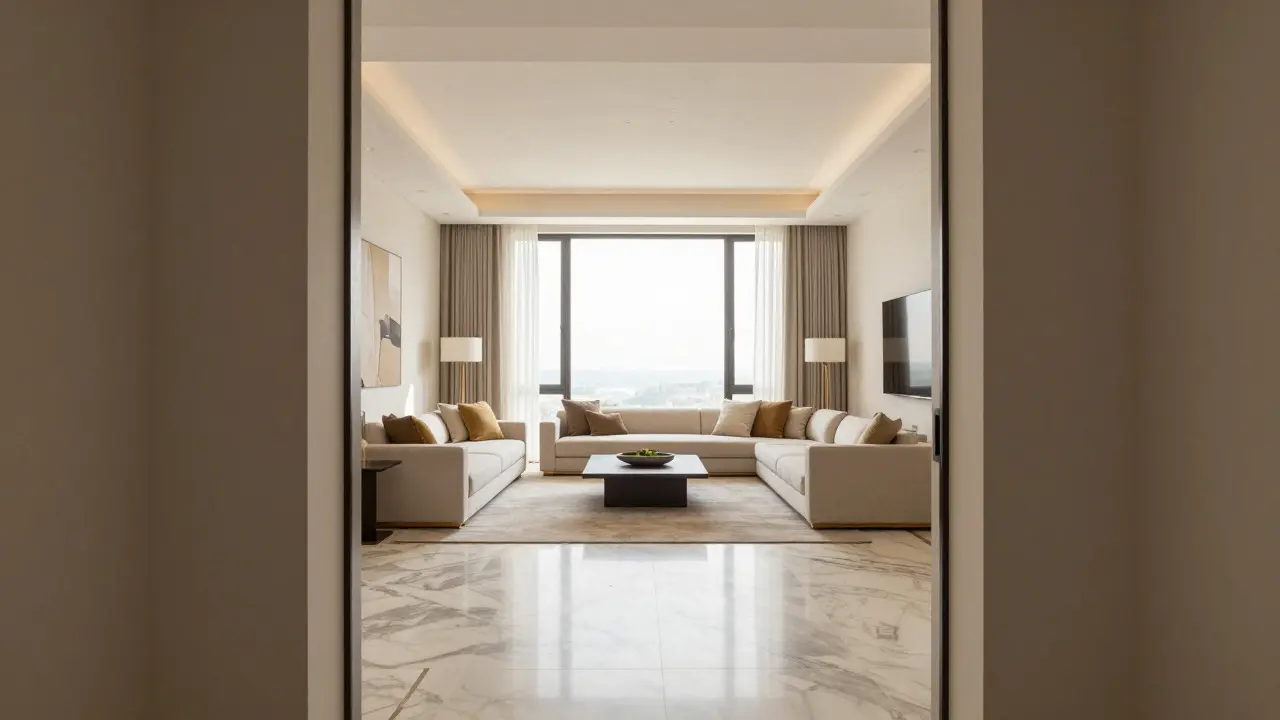
Walk into a home and your eyes don’t just see the furniture; they trace paths. In Real Estate Composition is the strategic arrangement of visual elements within a frame to guide the viewer's attention and convey spatial flow. It’s not about making a house look pretty-it’s about making it feel navigable. When you master leading lines, you create invisible roads that pull the buyer from the front door to the kitchen island without them realizing it. And when you nail the room entry view, you stop selling isolated boxes and start selling a living experience.
Why Standard Wide-Angle Shots Fail
Most amateur shots suffer from what I call "flat space." You stand in the middle of a room, click, and get a boxy image where every wall is equal distance away. The problem? Human brains hate flatness. We crave depth. Without directional cues, a photo feels static. A buyer scrolling through listings doesn’t want a map; they want a movie scene where they can imagine walking forward. If the image doesn’t tell them where to go next, they move on to the next listing.
The Power of Leading Lines
Leading lines are converging architectural or decorative elements that direct the viewer’s gaze toward a focal point. They are the skeleton of your composition. Think of them as arrows pointing to value.
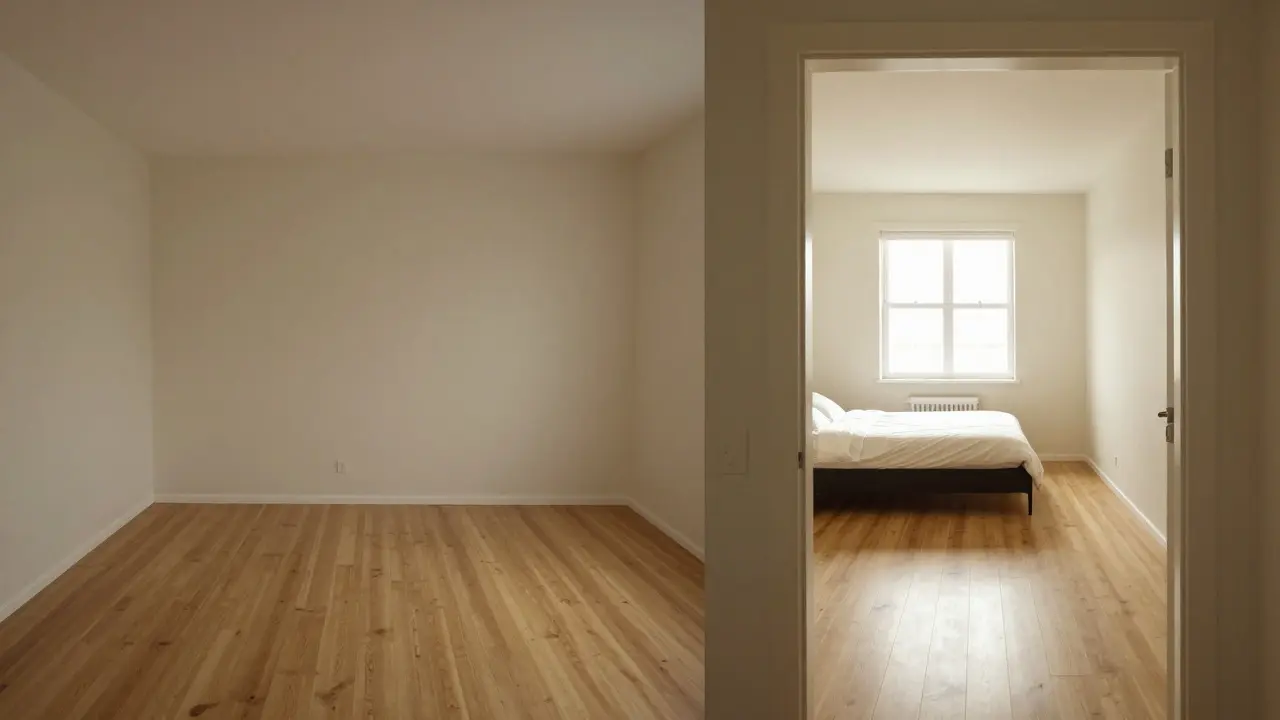
- Floorboards: Parallel planks running toward a window or doorway are the most common natural lines. Ensure they are straight and uncluttered.
- Ceilings: Beams or recessed lighting tracks can create overhead convergence, especially effective in high-ceiling spaces.
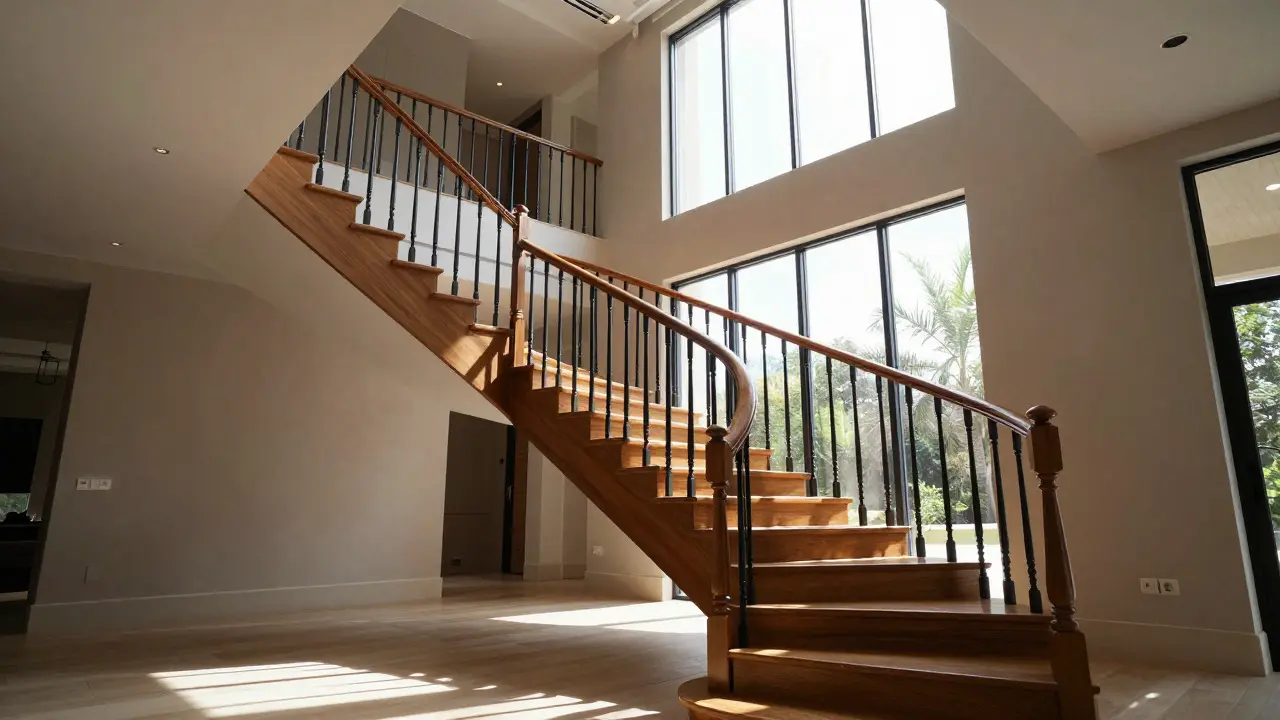
- Staircases: A staircase is a powerful dynamic line. Shoot it from the bottom looking up to emphasize height and movement, or from the top looking down to show the landing area.
- Doorways: The frame of an open door acts as a strong vertical line pair. Keep the door fully open to maximize the visual corridor.
The key rule here is simplicity. If a rug edge cuts across the floorboards at a weird angle, it breaks the line. Move the rug. If a chair blocks the path of the floorboards, move the chair. Your job is to clear the runway so the eye can fly.
Mastering the Room Entry View
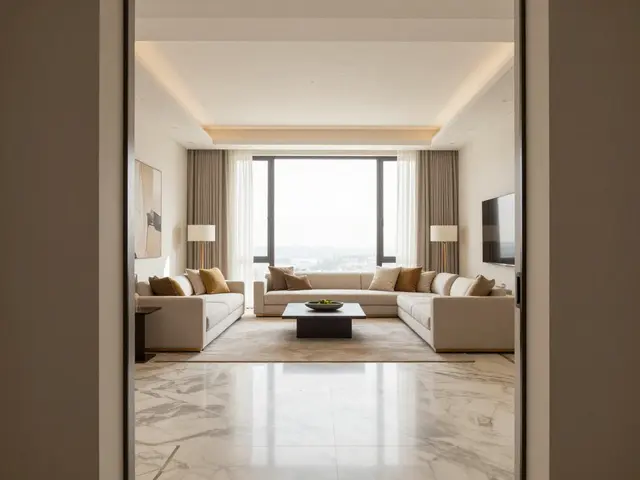
A Room Entry View is a photographic perspective taken from the threshold of a doorway, capturing the room as one would see it upon entering. This is the single most important shot for any bedroom, bathroom, or secondary living space. Why? Because it mimics the actual human experience of stepping into a room.
When shooting this, you aren't trying to fit the whole room in. You are trying to show the *flow*. Position yourself exactly where a person would stand when opening the door. Look slightly down if the room has low ceilings, or level if it’s standard. The goal is to capture the first three feet of the room clearly, while allowing the background to fade into context.
| Shot Type | Primary Goal | Best For | Common Mistake |
|---|---|---|---|
| Centered Wide-Angle | Showing all walls equally | Small square rooms | Flat, boxy appearance |
| Entry View | Mimicking human entry experience | Bedrooms, Bathrooms | Blocking the view with furniture |
| Diagonal Corner | Maximizing depth perception | Living Rooms, Kitchens | Distorting verticals too much |
Practical Steps for Better Flow
You don’t need expensive gear to fix composition. You need discipline. Here is how to approach a shoot using these principles:
- Identify the Anchor: Before picking up the camera, walk the room. Where do you naturally look first? That’s your anchor. Usually, it’s a window, a fireplace, or a piece of art.
- Clear the Path: Remove anything that interrupts the lines leading to that anchor. Toys, shoes, bags-gone.
- Set the Entry Point: Stand in the doorway. Take a test shot. Does the eye move smoothly from the door to the anchor? If it hits a wall of clutter, adjust your position slightly left or right.
- Check Verticals: Use your phone’s grid overlay. Walls should be vertical. If they lean, tilt your camera until they are straight. Leaning walls make houses feel unstable.
- Shoot the Sequence: Don’t just take one shot per room. Take the entry view, then a wide shot showing the connection to the next room. This creates a narrative sequence in the gallery.
Leveraging Light as a Compositional Tool
Light isn’t just illumination; it’s a directional cue. Shadows cast by window blinds create horizontal lines that can compete with your floor lines. Sometimes, you need to close the blinds to let the floorboards lead the way. Other times, you open them to let the light draw the eye to a specific corner. Natural light changes throughout the day. Morning light is soft and diffuse, good for showing texture. Afternoon light is harsher but creates stronger contrast, which can help define edges and lines more sharply. Always check how the light interacts with your leading lines before finalizing the shot.
Common Pitfalls to Avoid
Even experienced photographers fall into traps. Watch out for these:
- The Busy Background: If your leading line points to a messy closet door, you’re directing attention to chaos. Close the closet.
- Over-Correction: Trying to force a line that doesn’t exist results in awkward angles. If the room is chaotic, simplify the content rather than distorting the perspective.
- Ignoring the Ceiling: High ceilings are a luxury feature. If you crop them out, you lose value. Include them if they add to the sense of space.
- Inconsistent Eye Level: Jumping between chest-height and waist-height shots confuses the brain. Stick to a consistent eye level (around 5'7") for all entry views to maintain continuity.
How This Impacts Buyer Psychology
Buyers make emotional decisions backed by logical data. Good composition reduces cognitive load. When a photo flows well, the brain processes it as "easy" and "safe." When a photo is cluttered or confusing, the brain flags it as "problematic." Studies in environmental psychology suggest that perceived spaciousness and order directly correlate with willingness to pay. By using leading lines and entry views, you are essentially editing the buyer’s perception of the home’s usability. You are telling them, subconsciously, that this home is easy to live in.
Frequently Asked Questions
What is the best lens for real estate entry views?
A 16-35mm zoom lens on full-frame cameras is ideal. It provides enough width to capture the room without excessive distortion. On crop-sensor cameras, a 10-18mm range works well. Avoid going below 16mm unless necessary, as extreme wide angles warp vertical lines significantly.
How high should the camera be for an entry view?
Position the camera at approximately 4.5 to 5 feet off the ground. This simulates the average adult eye level. Going higher makes the room feel like a dollhouse; going lower makes it feel cramped and distorted.
Do leading lines work in small apartments?
Yes, even more so. In small spaces, lines help prove that the space is usable. Use diagonal shots from corners to stretch the perceived dimensions. Focus on clean lines created by baseboards and ceiling trim to emphasize order and cleanliness.
Should I include windows in every shot?
Not necessarily. Windows are great anchors for light, but if a window is dirty or overlooks a neighbor’s laundry, it might detract from the shot. Use windows as focal points only when they enhance the view or provide bright, neutral light.
How does composition affect online listing performance?
Listings with cohesive, well-composed photos typically receive 30% more clicks than those with inconsistent or poorly framed images. Buyers spend less time analyzing bad photos and more time moving on. Good composition builds trust in the agent’s professionalism.