Senior portrait photography isn’t just another photo session. It’s a milestone. For most teens, this is the last time they’ll have a professional portrait taken before stepping into adulthood. And unlike school photos taken in a gym with fluorescent lights, senior portraits are meant to feel personal. They’re meant to capture who you are right now - not who your parents think you should be, or what looks good in a catalog. This is your moment. And that means every choice - from your outfit to the dirt under your nails - matters.
What Colors Actually Work on Camera?
Forget what you think looks good in the mirror. What looks good on camera is different. Black? It swallows details. Bright white? It turns into a glowing halo under sunlight. Both are traps. The best colors have depth. They’re not loud, but they’re not dull either. Think burnt orange, deep green, navy, mustard, rust, and ivory. These tones hold their own in natural light without stealing attention from your face. If you’re shooting in fall, lean into burgundy, emerald, and brown. Winter? Go for deep greens, navy, and metallics like gold or silver - they pop against snow or gray skies. Heather Osteen Photography says soft pink, heather gray, and cream are foolproof. Katie Niemer swears by maroon and sage green. The pattern? Solid colors. Always. Patterns can work, but only if they’re big, bold, and intentional. Tiny florals or thin stripes? They turn into weird, wavy distortions on camera - moiré, it’s called. Skip it.Texture Is Your Secret Weapon
A plain T-shirt? Fine. A knitted sweater? Better. A leather jacket? Even better. Texture adds dimension. It makes photos feel alive. Fabrics like corduroy, linen, velvet, distressed denim, and lace photograph beautifully. They catch light differently. They create shadows that give shape. Layering helps too. A simple tee under an open flannel? Instant depth. A scarf draped over your shoulders? Adds movement. Julien Kibler says dressing in layers gives you options. You can remove one piece mid-session and get two completely different looks. And don’t forget shoes. Chunky boots, vintage sneakers, or even bare feet can change the whole vibe. Shoes aren’t an afterthought - they’re part of the story.Location Dictates Your Outfit - Not the Other Way Around
You picked a rooftop? Then dress like you own it. Leather jacket, ripped jeans, oversized blazer, statement sunglasses. No flowy dresses here - they’ll look lost. Going to a forest? Soft colors. Flowy fabrics. Barefoot if you’re brave. A light dress or linen pants with a tucked-in tee works. Avoid anything too stiff or formal. You want to look like you belong there, not like you wandered in from a wedding. Industrial area? Brick walls, steel beams, graffiti. Go edgy. Crop tops, chunky boots, bold lipstick. This isn’t about being pretty - it’s about being real. Lakeside? Light, breezy, natural. Roll up your sleeves. Wear a tank top. Let the wind catch your hair. Avoid heavy coats or bulky layers. You’re not going for cozy - you’re going for free. Laura Mares says it best: your outfit should match the location like a puzzle piece. If you show up in a sequin dress at a hiking trail, it won’t look cool. It’ll look like a mistake.Body Type? Just Wear What Makes You Feel Like You
There’s no one-size-fits-all. But there are smart tricks. If you’re petite, avoid oversized clothes that swallow you. Go for fitted pieces. High-waisted pants. V-necks. Monochrome outfits - they stretch your silhouette. Add a chunky necklace or a bold scarf to draw the eye up. Tall? Own it. Maxi dresses, long coats, flowy skirts - they look amazing on you. Pair them with a cropped top or a fitted jacket to balance proportions. Don’t hide your height - show it off. Athletic build? Emphasize your shape. Fitted tops, sleeveless styles, tailored jackets. Layering with a light cardigan or open blazer adds softness without hiding muscle. You’re not trying to look small - you’re trying to look powerful. The goal isn’t to fit a mold. It’s to feel confident. If you feel awkward in a dress, don’t wear one. If you love your hoodie, wear it. Authenticity beats perfection every time.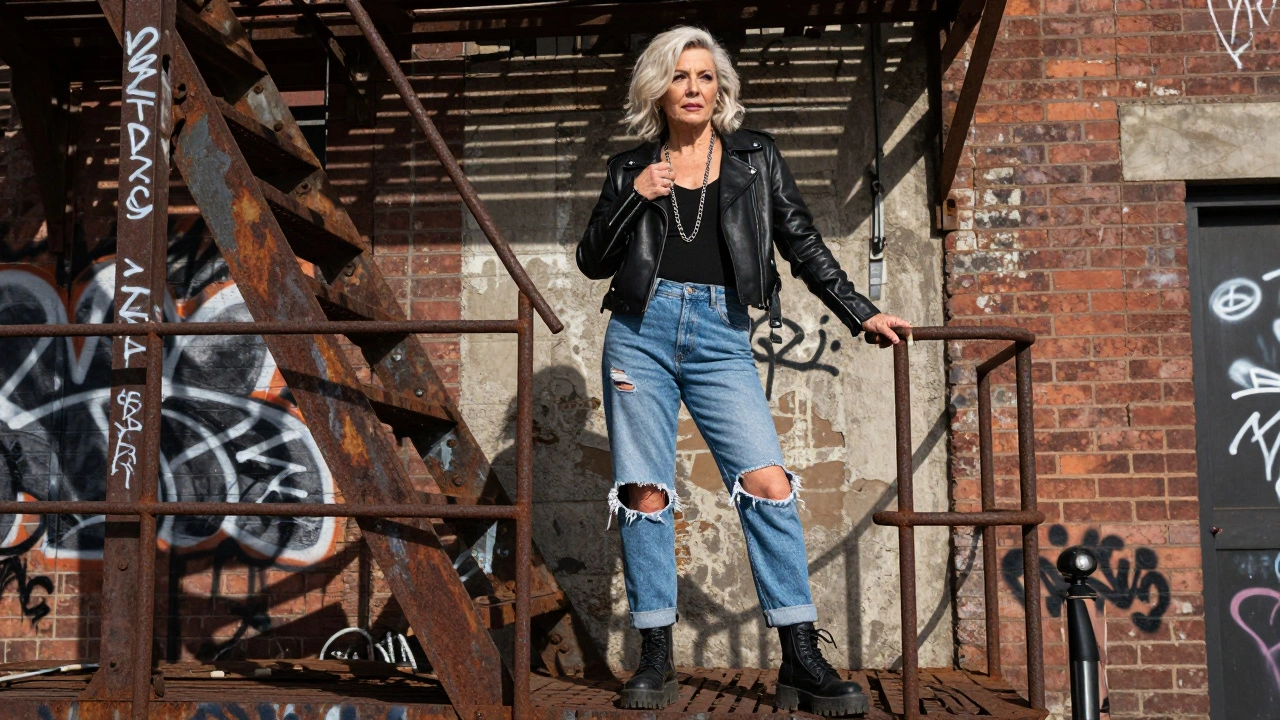
Hair, Makeup, and What Not to Do
Don’t get a spray tan the day before. It leaves marks. It looks unnatural. And it’s hard to edit out. Don’t wear tight hair ties. They leave dents in your scalp. Those don’t vanish in editing. Makeup? Keep it real. If you wear eyeliner every day, wear it for the shoot. If you don’t, don’t start now. Professionals can fix acne, redness, or stray hairs. You don’t need to be flawless. You just need to be you. Julien Kibler says: if you’re doing your own makeup, go light. If you’re unsure, get it done professionally. It’s worth it. Behind the Shutter uses olive green and teal eyeshadow together - it’s unexpected, but it looks incredible in photos. Don’t be afraid to experiment.Accessories and Props - Make It Yours
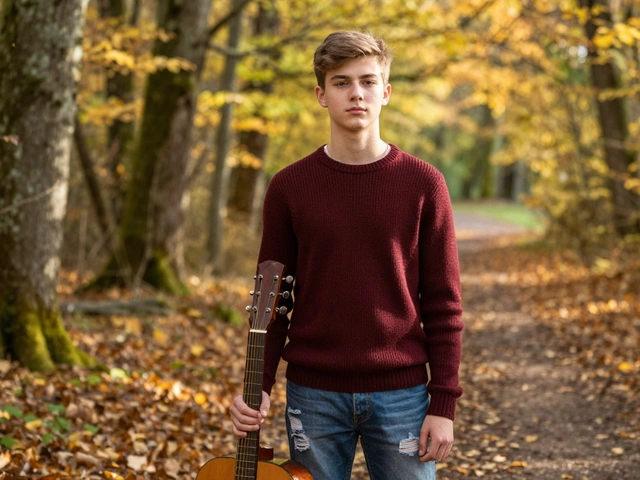
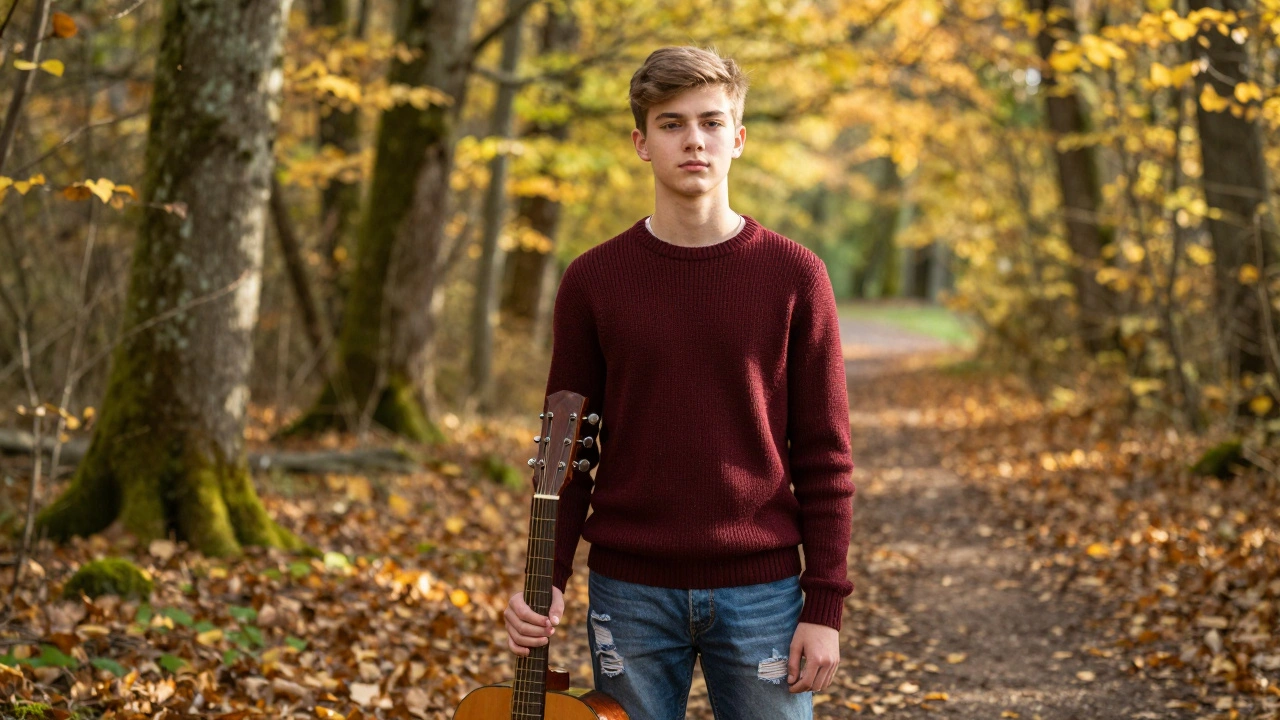
A necklace? Fine. A whole chain? Too much. One statement piece - a bold ring, a vintage watch, a single layered chain - that’s enough. Props aren’t optional. They’re essential. What do you love? A guitar? A book? A vintage bike? A pet? Bring it. Hands are hard to pose. Props give them a job. And they tell your story. Heather Osteen says cute shoes and nail polish matter. They’re small, but they add personality. A red lip? A glittery toe? They’re the details that make people say, “That’s so her.”Seasons Change Everything
Fall isn’t just a season - it’s a mood. Warm tones, cozy textures, scarves, boots. You’re not just taking photos. You’re capturing the smell of woodsmoke and the crunch of leaves. Winter? Cold light. Snow. Quiet. Deep greens and navy blues look stunning against white. Metallics shimmer. A sleek coat, not a puffy one. You want elegance, not bulk. Spring? Pastels. Light fabrics. Flowers. Bare arms. It’s soft. It’s fresh. Summer? Bright, but not neon. Whites, creams, light blues. Sunlight is harsh. Avoid anything that reflects too much. Wear hats. Let your hair fly. Don’t fight the season. Use it.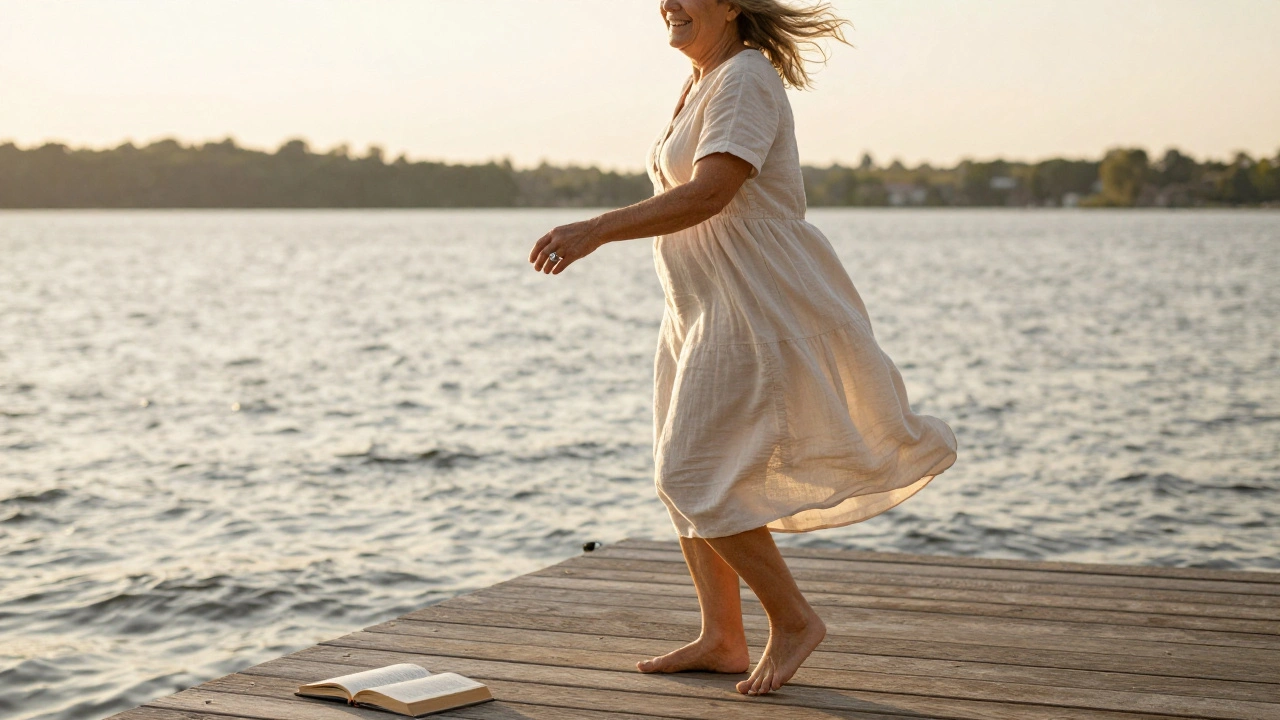
Group Shots? Coordinate, Don’t Match
If you’re doing a session with friends or family, don’t wear matching outfits. That’s prom, not a senior portrait. Pick a color palette. Maybe everyone wears something in the blue family - navy, teal, powder blue. Or all neutrals: cream, gray, brown. That’s cohesion. It looks intentional. It lets each person stand out. Laura Mares says it best: you want unity, not uniformity.Move. Don’t Pose.
Stop. Breathe. Look away. Laugh. Twirl. Lean forward. Lean back. Lacey Carroll says the best shots happen when you’re moving. A photographer doesn’t just snap one pose. They shoot 20 variations in 30 seconds. One second you’re smiling. The next, you’re looking down. The next, you’re tossing your hair. That’s when the real you shows up. Don’t freeze. Don’t overthink. Let the photographer guide you. And if they don’t ask you to move - ask them to.Final Tip: This Is Your Story
Senior portraits aren’t about looking perfect. They’re about being remembered. Ten years from now, you won’t care if your hair was slightly out of place. You’ll care that you felt like yourself. That you laughed. That you wore your favorite boots. That you held your guitar. That you stood in the rain because it felt right. Your photographer isn’t just taking pictures. They’re helping you archive a version of you that only exists right now. So choose colors that feel like you. Pick a location that makes your heart beat faster. Bring the thing that makes you feel alive. This isn’t just a photo session. It’s your legacy.What’s the best time of year for senior portraits?
Fall and spring are the most popular because of the lighting and natural backdrops. Fall offers warm colors and soft light, while spring brings fresh greens and blooming flowers. Summer works for beach or urban shoots, and winter can be stunning with snow and metallic tones. Avoid mid-summer if you’re not into sweating through your outfit.
Should I get professional hair and makeup?
It’s not required, but it’s highly recommended. A professional makeup artist knows how to make your skin look natural under bright lights and long exposure. They’ll avoid overdoing it - which is what ruins most selfies. If you’re doing it yourself, keep it light, blend well, and skip the glitter or spray tan.
Can I wear patterns in my senior photos?
Yes - but only bold, large patterns. Think vintage florals, big plaids, or abstract designs. Tiny stripes or micro-print florals create moiré - a weird wavy distortion on camera. Solid colors are safer, but a well-chosen pattern adds texture and personality. Just keep it simple and intentional.
What camera gear do professional senior photographers use?
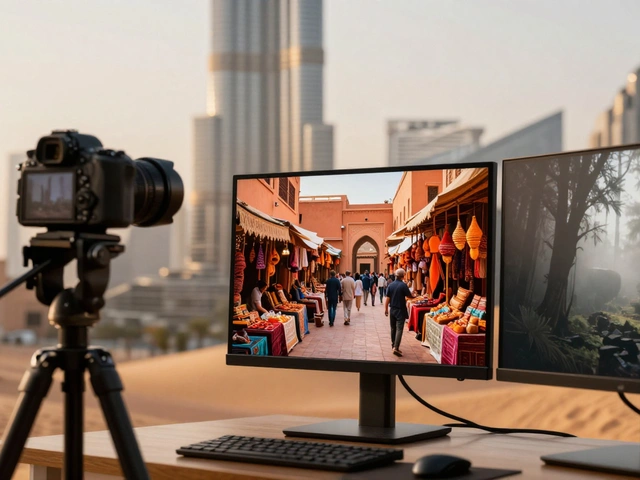
As of 2026, top photographers use gear like the Canon EOS R5 with the RF28-70mm F2 L USM lens. This combo delivers sharp detail, smooth bokeh, and excellent low-light performance. Lighting is often handled by Nanlite Forza 60C LED panels - they’re portable, color-accurate, and perfect for outdoor and studio shoots. The tools matter, but how they’re used matters more.
How many outfit changes should I plan for?
Two to three is ideal. One for a classic look, one for edgy or casual, and one for something personal - like your favorite band tee or a family heirloom. More than three can rush the session. Less than two might leave you with limited options. Quality over quantity.
Do I need to bring props?
You don’t need to, but you should. Props make photos feel real. A book you love, your skateboard, your dog, your guitar - something that says “this is me.” If you’re unsure, ask your photographer. They’ve seen what works.
What if I have acne or skin imperfections?
Don’t stress. Professional photographers edit out blemishes, redness, and stray hairs. That’s part of the job. The goal isn’t to hide you - it’s to highlight you. Be yourself. Let them do the rest.
Can I include my pet or friends in the session?
Absolutely. Many photographers offer group or pet-inclusive sessions. Just let them know ahead of time. Pets and friends add warmth and authenticity. But keep the focus on you - they’re supporting characters, not the main event.