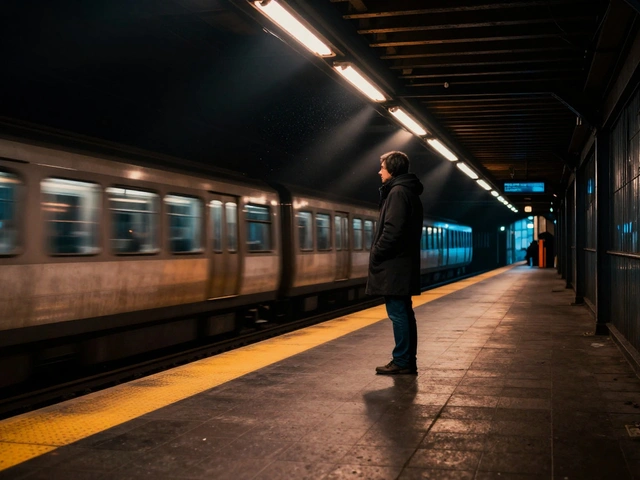
Ever snapped a photo of a stranger on the subway and wondered if you should have asked? Or maybe you edited a landscape shot until it looked nothing like what was actually there. These moments are where photography ethics is the set of moral principles guiding how photographers capture, edit, and share images to respect subjects and maintain truthfulness. It’s not just about breaking laws; it’s about navigating the gray areas between art, privacy, and public interest. In an era where every phone is a camera, understanding these boundaries has never been more critical for professionals and hobbyists alike.
The Core Pillars of Ethical Shooting
At its heart, responsible photography rests on three main pillars: consent, context, and consequence. While legal frameworks vary by country, ethical standards often go further than what the law requires. For instance, in many US cities, you can photograph anything in a public space without permission. However, just because you *can* doesn’t mean you *should*. The ethical question shifts from "Is this legal?" to "How will this person feel when they see this image?"
- Consent: This isn't just a signature on a release form. It’s an ongoing conversation. Did the subject understand where their image would be used? Were they aware of the potential reach?
- Context: An image taken in isolation can tell a different story than one taken within a broader narrative. Ethical photographers strive to present subjects with dignity, avoiding exploitation for shock value.
- Consequence: Consider the impact on the subject. Will this photo help them, or will it reduce them to a stereotype? Will it bring attention to an issue, or just consume their suffering?
Navigating Street Photography and Public Spaces
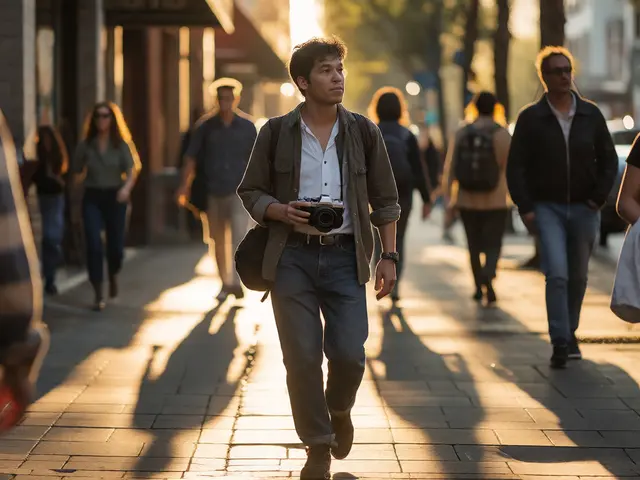
Street photography is perhaps the most contentious area in visual arts. You walk down the streets of Portland, New York, or Tokyo, and everyone is a potential subject. The general rule in common law jurisdictions is that if you are in a public place and the subject has no reasonable expectation of privacy, you are free to shoot. But "reasonable expectation of privacy" is a tricky concept. Peering into a backyard through a fence might be technically public, but ethically dubious.
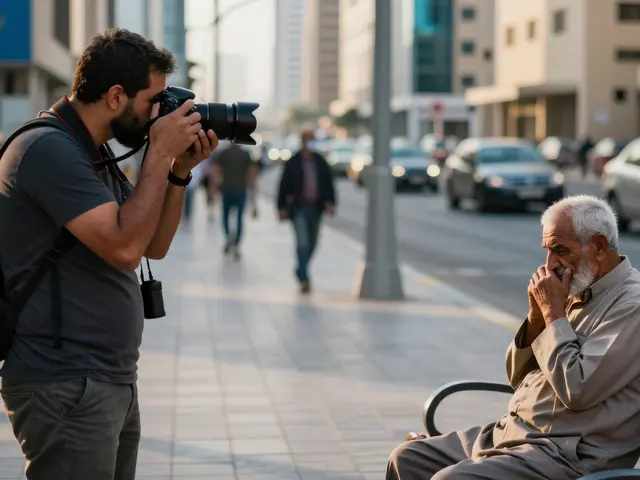
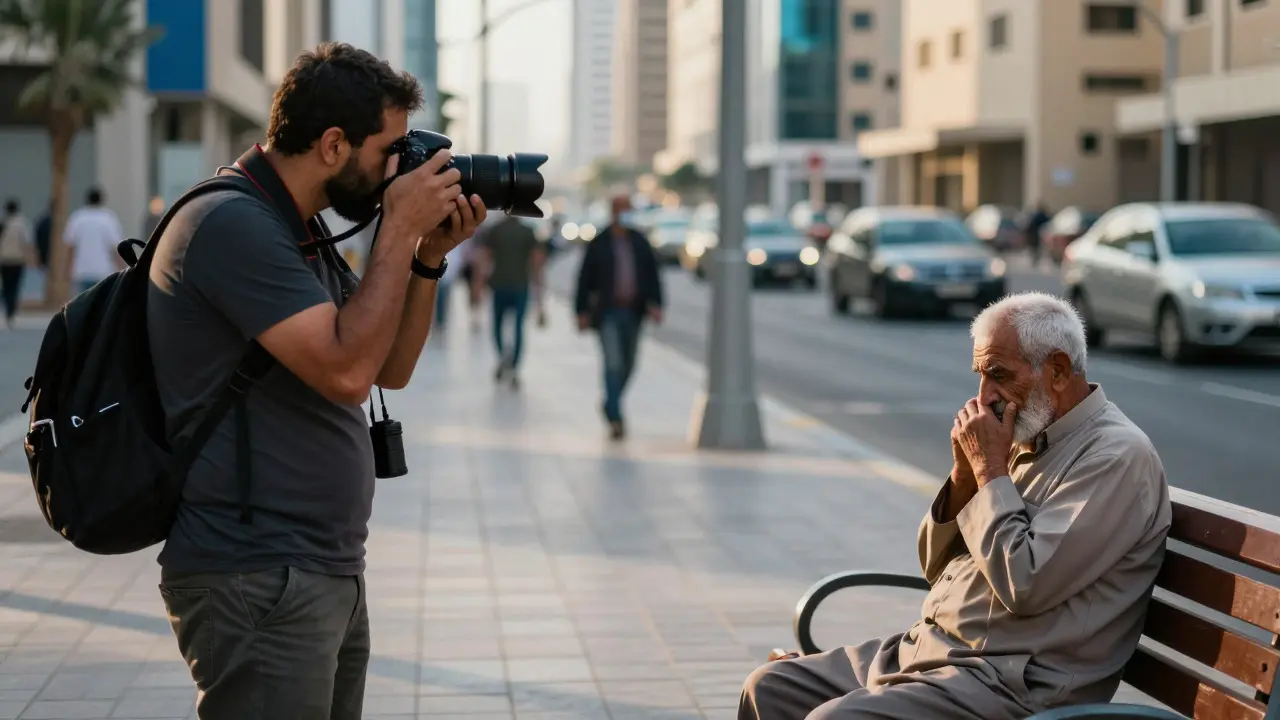
Here is a practical heuristic for street shooters: If the subject is engaged in a candid, private moment (like crying on a bench or having an intimate conversation), pause. Ask yourself if the image adds value to your portfolio or if it invades their personal space. Many professional street photographers carry a small card with their contact info. If someone approaches you upset, offering a way to connect humanizes the interaction and often resolves tension instantly.
| Scenario | Legal Status (US General) | Ethical Consideration |
|---|---|---|
| Candid shot of a tourist taking photos | Legal | Generally acceptable; low privacy expectation |
| Close-up of a grieving family at a public funeral | Legal | Highly controversial; invasion of emotional privacy |
| Photographing a child playing in a park | Legal | Acceptable if not exploitative; caution if commercial use |
| Using a telephoto lens to peer into a window | Gray Area/Legal | Often viewed as voyeuristic; high risk of backlash |
The Dilemma of Image Manipulation and Truth
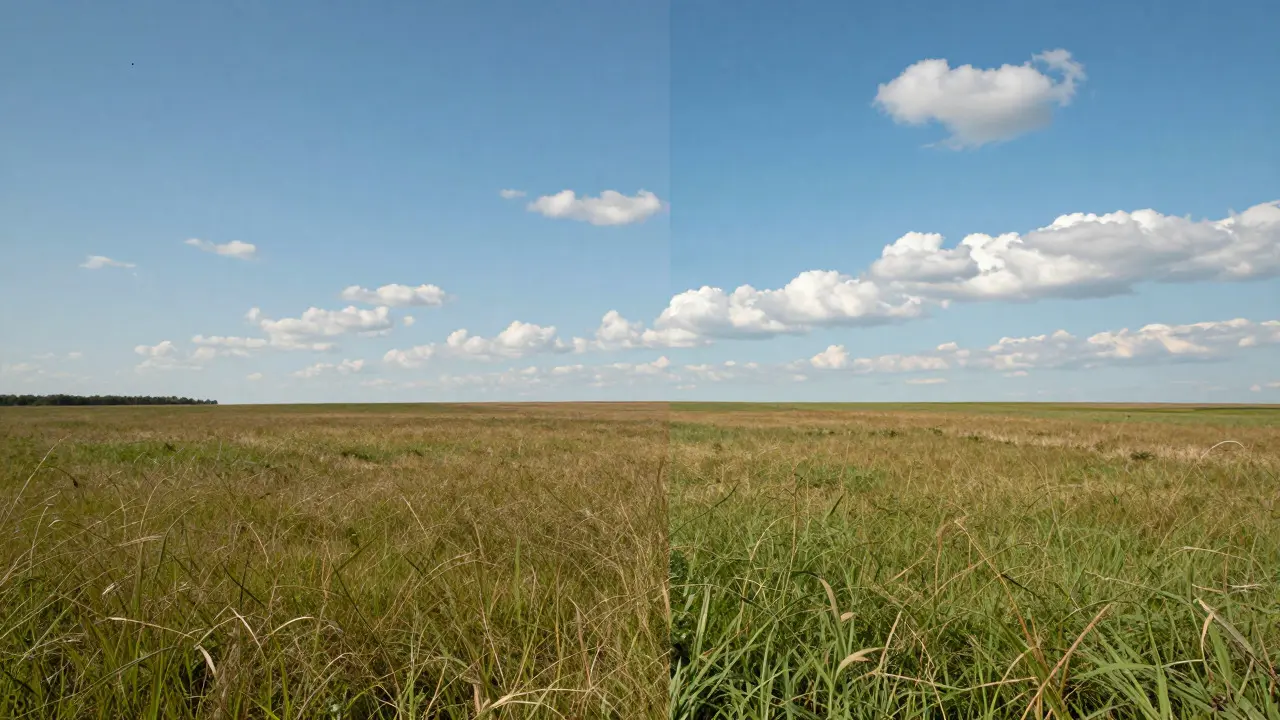
We live in the age of digital retouching is the process of using software like Adobe Lightroom or Photoshop to alter digital images for aesthetic or corrective purposes. In commercial advertising, heavy editing is expected. But in documentary and news photography, the line blurs. When did a "creative choice" become a lie? Removing a trash can from a street scene to make it look cleaner is a minor edit. Removing a protest sign to change the political message is a major breach of trust.
The industry standard, established by organizations like the Pulitzer Prizes, distinguishes between "correction" and "alteration." Corrections include fixing dust spots, adjusting exposure, or cropping out distractions. Alterations involve adding, removing, or moving elements. Ethical practice demands transparency. If you move a cloud in a landscape photo, note it. If you remove a person from a crowd shot, acknowledge it. Audiences are increasingly savvy; once trust is broken, it’s hard to regain.
Cultural Sensitivity and Representation
Travel and portrait photography often involves crossing cultural boundaries. This is where cultural appropriation is the adoption of elements from one culture by members of another culture, often without understanding or respect for their original meaning. becomes a real concern. Are you shooting a sacred ritual for Instagram likes? Are you reinforcing stereotypes by only photographing poverty and neglect in developing nations?
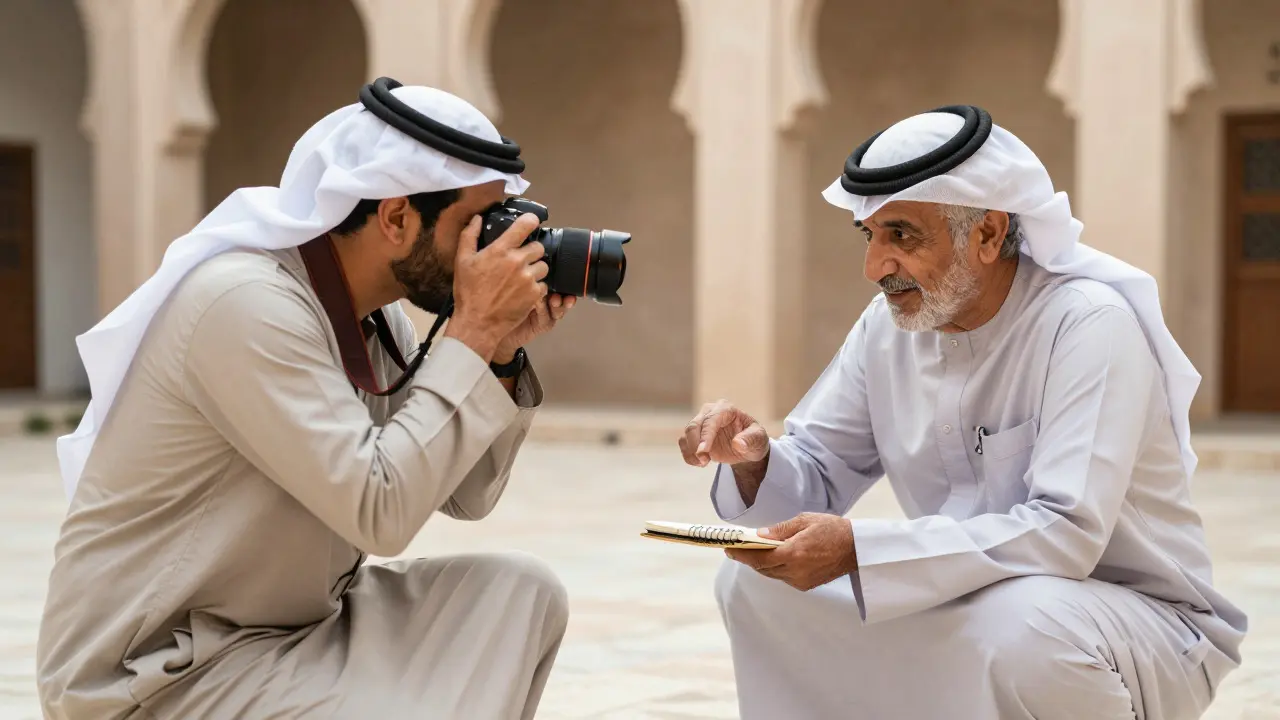
Responsible practices here involve research and reciprocity. Before shooting, learn about the local customs. Dress appropriately. Ask permission not just for the photo, but for the story. Consider who benefits from the image. Does the community get a say in how they are portrayed? Collaborative projects, where locals co-create the narrative, are becoming the gold standard in modern documentary work. It shifts the dynamic from "extractor" to "partner."
Commercial Use and Model Releases
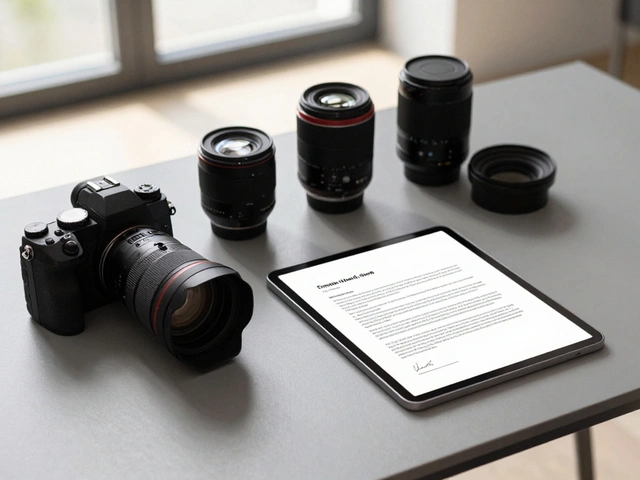
If you plan to sell prints, license images to stock agencies, or use photos in ads, you need more than good intentions. You need legal protection. This is where model releases are legal documents signed by subjects granting permission to use their likeness for specific commercial purposes. come in. A model release protects you from lawsuits regarding right of publicity. Without one, a recognizable person could sue you if they don’t like how their image is used in a commercial context.
However, releases aren't magic wands. They must be specific. A release for "editorial use" does not cover "commercial advertising." Always read the fine print. And remember, even with a release, ethics matter. If you promise a model their photo will only be used for a local blog, don’t sell it to a global corporation later. Trust is the currency of the creative industry.
Building Your Personal Ethical Code
There is no single rulebook that covers every scenario. That’s why every photographer should develop their own code of conduct. Start by asking simple questions before you press the shutter:
- Do I have the right to be here?
- Does the subject know I’m shooting?
- Will this image be used fairly?
- Am I capturing the whole truth, or just a fragment?
Do I always need permission to take photos in public?
Legally, in most Western countries, no, if the location is public and there is no reasonable expectation of privacy. Ethically, however, it is often better to ask, especially for close-ups or sensitive moments. Permission builds rapport and reduces the risk of conflict.
What counts as unethical editing?
Unethical editing usually involves changing the factual content of an image. Moving people, adding objects, or removing key evidence in documentary work is considered unethical. Basic color correction, cropping, and noise reduction are generally accepted as standard practice.
How do I handle a subject who wants their photo deleted?
If the photo hasn't been published yet, it is usually best to honor their request and delete it. If it is already published, check your contract or release. If none exists, consider taking it down to maintain goodwill. If it’s a news piece, editorial judgment applies, but communication is key.
Is it okay to photograph children in public?
Yes, legally in most places. However, parental consent is strongly recommended for any commercial use or long-term publication. Be mindful of the child's comfort and avoid shooting them in vulnerable situations without guardian approval.
What is the difference between editorial and commercial rights?
Editorial use refers to illustrating news, facts, or opinions (like a magazine article). Commercial use implies promoting a product, service, or brand. Editorial use rarely requires a model release, while commercial use almost always does to protect against right of publicity claims.