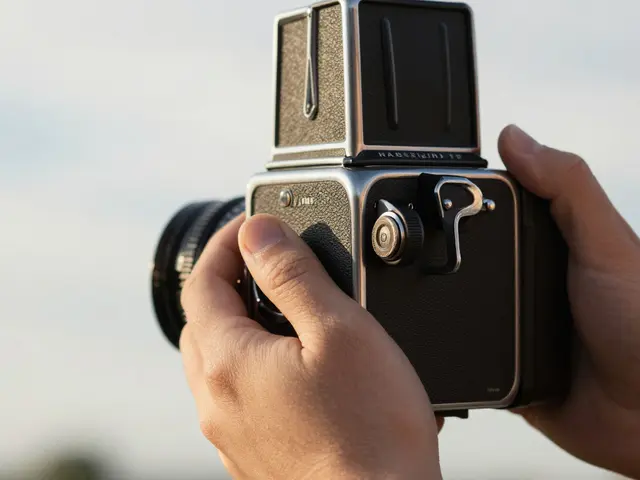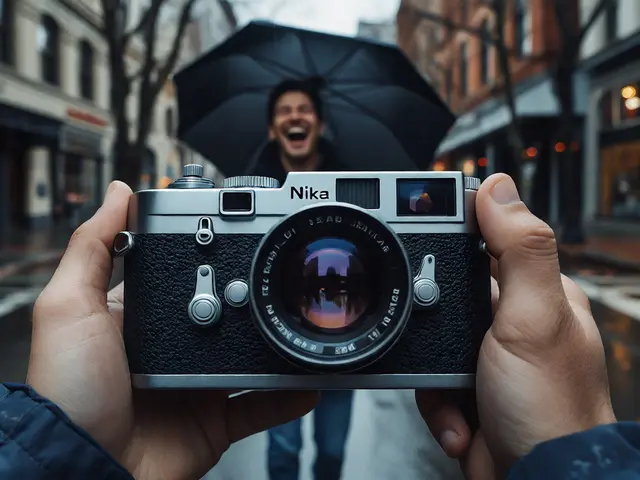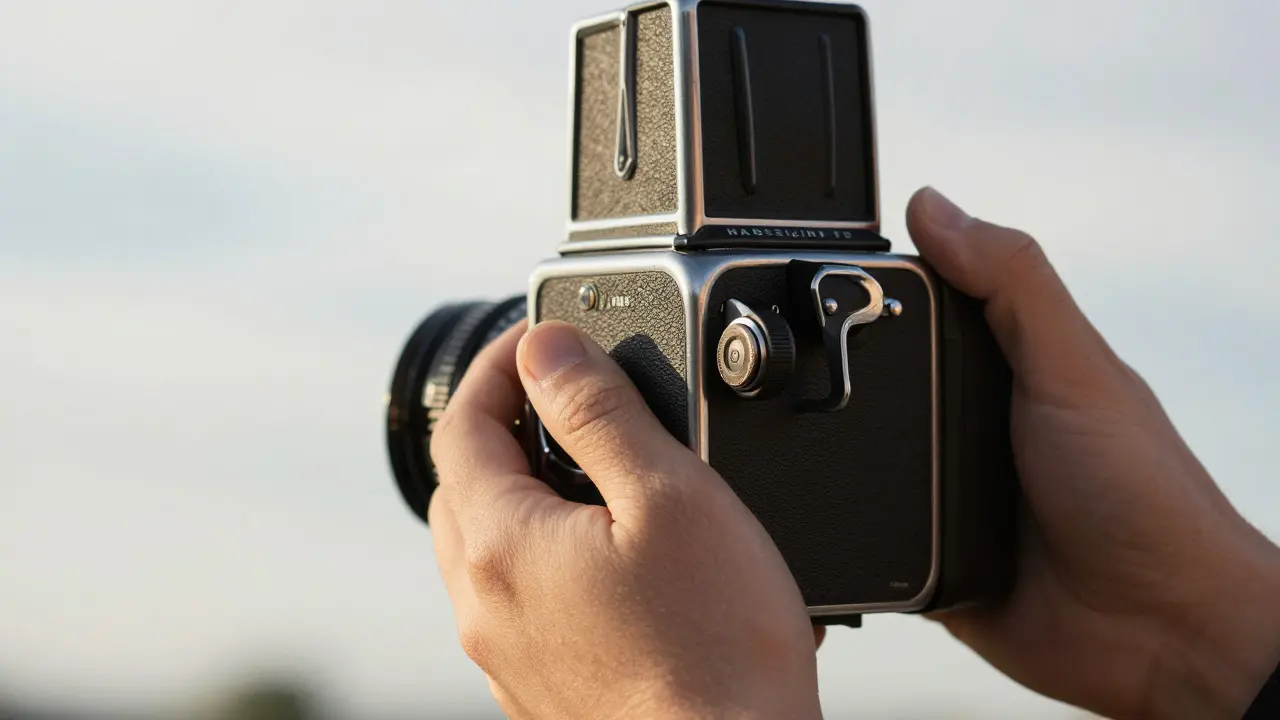
There is a specific weight to holding a Hasselblad camera that you just don’t get with a modern mirrorless body. It’s not just the metal; it’s the promise. When you press the shutter on a medium format system, you are committing to a piece of history and a level of detail that full-frame sensors still struggle to match in certain lighting conditions. If you’ve been shooting 35mm or digital full-frame and feeling like your images lack that "depth" or texture, this is where the conversation starts.
Medium format photography uses film or sensors larger than 35mm but smaller than large format sheet film, offering superior dynamic range and resolution. The most common sizes are 6x4.5cm (used by Pentax 67) and 6x6cm (the standard for square formats like the Mamiya RZ67). This physical size difference isn't just marketing fluff; it changes how light hits the recording surface, directly impacting your ability to capture subtle gradations in shadows and highlights.
The Physics of Size: Why Bigger Is Better
Let’s cut through the math jargon and talk about what actually happens when you enlarge an image. A 35mm negative has a width of roughly 36mm. A 6x6 medium format frame is 56mm wide. That’s a significant jump in area. More area means more photons hitting the film emulsion or sensor pixels per unit of subject detail. In practical terms, this translates to finer grain structure on film and less noise on digital sensors at equivalent ISO settings.
If you shoot portraits, you know the pain of skin texture looking noisy or plasticky when cropped tight. Medium format gives you that extra buffer. You can crop into a face from a waist-up shot and still have enough resolution for an 8x10 print without visible pixelation or grain clumping. For landscape photographers, this means you can pull back further from the scene, knowing that the fine details in distant foliage or water ripples will survive the enlargement process intact.
Film vs. Digital: The Current Landscape
For decades, medium format was exclusively a film game. Brands like Mamiya and Pentax dominated the professional studio and wedding markets in the 90s and early 2000s. But the digital revolution hit this niche hard. While Canon and Nikon pushed full-frame digital forward, medium format digital systems were expensive, bulky, and slow. Today, the landscape has shifted dramatically with the rise of high-resolution digital backs.
Companies like Phase One and Fujifilm have made digital medium format accessible to serious enthusiasts. The Fujifilm GFX series, for example, offers 102-megapixel sensors in bodies that weigh significantly less than their film predecessors. This hybrid era allows you to choose based on workflow preference rather than technical limitation. Do you want the tactile experience of loading a roll of Portra 400? Or do you need immediate feedback and high-speed burst capability for sports or street work? Both options now coexist robustly.
| Format Type | Negative/Sensor Size | Typical Use Case | Key Advantage |
|---|---|---|---|
| 35mm | 36 x 24 mm | Street, Documentary | Portability, Speed |
| Medium Format (6x6) | 56 x 56 mm | Portrait, Product | Square Composition, Detail |
| Medium Format (6x4.5) | 56 x 40 mm | Landscape, Editorial | Higher Resolution, Rectangular Crop |
| Digital Medium (GFX) | 44 x 33 mm | Commercial, Fine Art | Instant Review, High MP Count |
The Tactile Experience: Loading Film and Manual Controls
One of the biggest misconceptions about medium format is that it’s all about the file size. Sure, the files are big. But the soul of the format lies in the interaction. Loading a roll of film into a Hasselblad V requires a steady hand and a bit of patience. You’re working with a mechanical system that demands respect. There’s no autofocus hunting, no menu diving. You set the aperture, you set the shutter speed, and you compose. This slowness forces you to think before you click. It eliminates the "spray and pray" mentality that often plagues digital photography.
In Portland, where the light can shift from bright sun to heavy overcast in minutes, this manual discipline pays off. You learn to meter carefully because you only have 12 or 24 exposures per roll. When you finally develop those negatives, the reward is a set of images that feel intentional and curated. The grain structure of films like Kodak Ektar 100 or Fuji Pro 400H adds a texture that digital filters try to mimic but rarely nail perfectly. It’s organic, unpredictable, and beautiful.
Workflow Realities: Scanning and Storage
Let’s be honest about the downsides. Medium format is not cheap. A single roll of film might cost $15-$20, plus another $20-$30 for development and scanning. If you shoot digitally, you’re looking at storage costs that can rack up quickly. A single 100MP RAW file from a digital medium format back can exceed 200MB. Shoot a day’s worth of work, and you’re filling up SSDs fast.
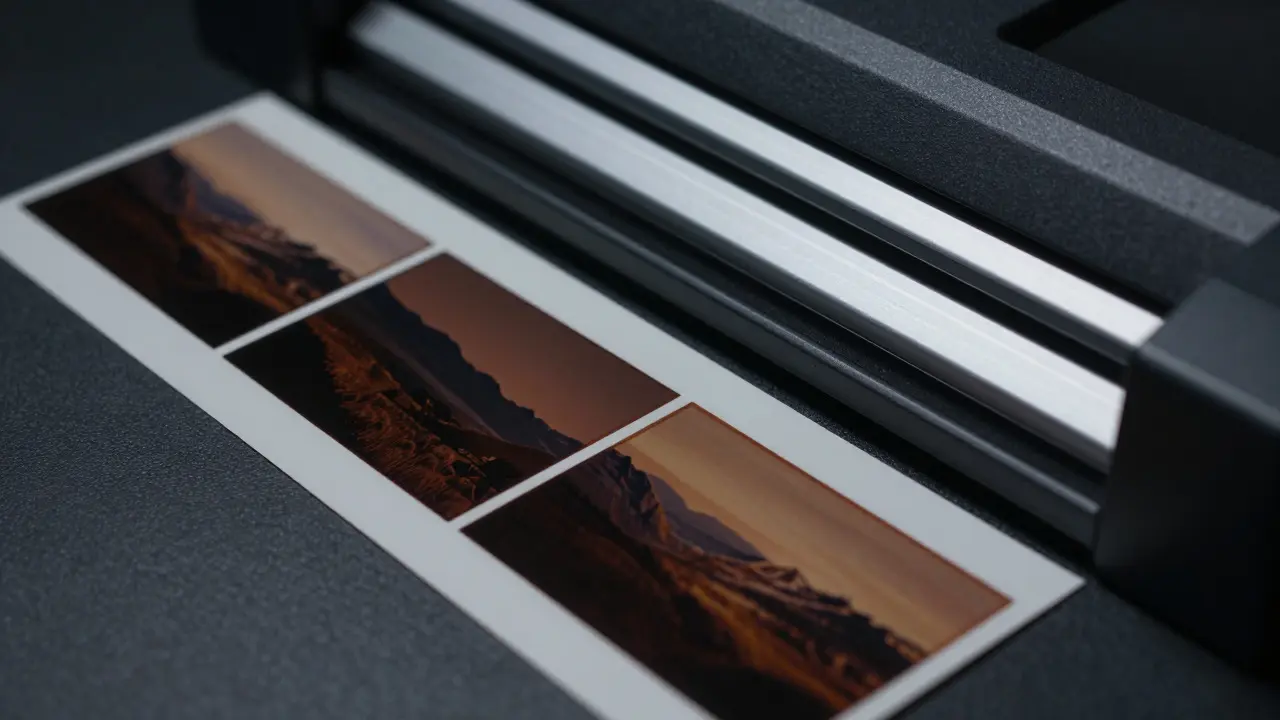
Scanning is also a critical step. To truly appreciate the detail captured on medium format film, you need a high-quality flatbed scanner or a dedicated film scanner like a Noritsu or Epson V850 Pro. Skipping this step and using a basic consumer scanner will waste the potential of the format. Your images deserve to be treated with the same care as the exposure itself. Many photographers invest in home scanning setups to maintain control over color grading and dust removal, which is far more efficient than sending batches to a lab every month.
Choosing Your First Medium Format System
Where do you start? If budget is tight, look for used film cameras. The Pentax 67 is a classic choice, though heavy. The Mamiya 645 series is lighter and more versatile, with interchangeable lenses that hold their value well. For digital entry, the Fujifilm GFX 50S II is a strong contender, offering excellent image quality in a manageable package. Avoid buying brand-new unless you have the budget, as the used market for both film and digital medium format is robust and often offers better value.
Consider your primary genre. If you shoot mostly landscapes, a 6x4.5 format gives you that extra vertical space. If you do portraits, the square 6x6 composition helps center subjects naturally. Don’t buy gear just because it looks cool. Buy gear that fits your creative process. Will you carry it out daily? Can you afford the ongoing costs of film or storage? These questions matter more than megapixel counts.
Common Pitfalls to Avoid
- Ignoring Light Discipline: Medium format film is sensitive to light leaks. Always check your seals and practice loading in dim light until it becomes muscle memory.
- Over-Processing: The beauty of medium format is its natural tonality. Resist the urge to apply heavy vignettes or contrast curves in post-production. Let the image breathe.
- Underestimating Weight: These cameras are heavier than DSLRs. Invest in a good strap and consider a rain cover if you’re shooting outdoors in variable weather.
- Skipping Test Shots: Whether film or digital, always take a test shot. Metering errors are more costly here due to limited frames or high file values.
Medium format photography isn’t for everyone. It requires time, money, and patience. But for those who value the craft of image-making over the speed of content creation, it remains the gold standard for quality. It slows you down, makes you think, and rewards you with images that have a presence you can almost touch. Whether you choose the nostalgic click of a film advance lever or the silent precision of a digital shutter, the result is the same: a deeper connection to the moment you captured.
Is medium format better than full-frame digital?
In terms of maximum resolution and dynamic range, yes, medium format generally outperforms full-frame digital. However, full-frame wins in portability, low-light performance at high ISOs, and video capabilities. The "better" choice depends entirely on whether you prioritize ultimate detail or versatility and speed.
What is the best beginner medium format camera?
For film, the Mamiya 645 Pro II is widely recommended due to its reliability and available lens options. For digital, the Fujifilm GFX 50S II offers a balance of price, weight, and image quality that makes it accessible to enthusiasts without breaking the bank compared to higher-end Phase One systems.
How much does it cost to scan medium format film?
Professional labs typically charge between $0.50 and $1.50 per frame for standard scanning. If you invest in a home scanner like the Epson V850 Pro, the cost per frame drops significantly after the initial hardware investment, making it economical for frequent shooters.
Can I use 35mm lenses on medium format cameras?
Generally, no. Medium format sensors and film areas are physically larger than 35mm, so 35mm lenses will not project a large enough image circle to cover the frame without heavy vignetting. You need lenses specifically designed for medium format mounts, such as those from Carl Zeiss, Schneider-Kreuznach, or Fujinon.
What film stock is best for medium format?
Kodak Portra 400 is a staple for portraits due to its forgiving latitude and pleasing skin tones. For landscapes, Ilford HP5 Plus provides classic black-and-white contrast. Fuji Pro 400H offers a balanced color palette that works well for mixed lighting scenarios. Experimentation is key, as each stock reacts differently to the larger film area.