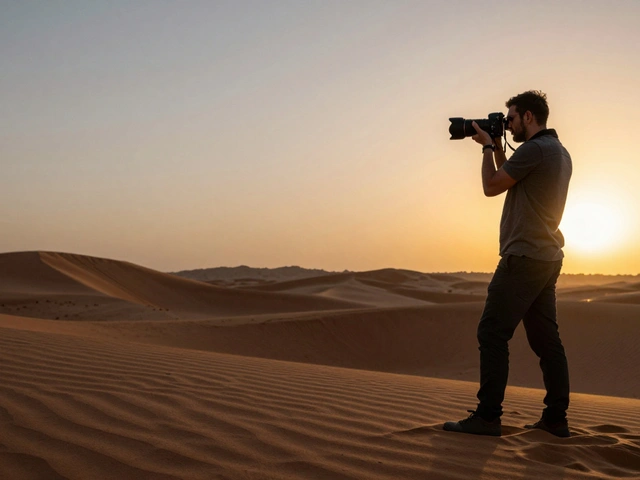
Have you ever looked at a stunning landscape photo or walked through a beautifully designed garden and felt an instant sense of calm? You might not know why it works, but there’s a good chance geometry is to blame. We often think of nature as wild and random, but look closer. The way mountains rise, the curve of a river, the roundness of a boulder-these aren’t accidents. They are structured by geometric shapes that guide your eye and create balance.
In both landscape design and photography, triangles and circles are the heavy lifters. They don’t just sit there; they do work. They tell your brain where to look, how long to stay, and what feels stable versus dynamic. Understanding these shapes isn’t about drawing perfect lines on a map. It’s about recognizing the visual language that makes outdoor spaces feel right.
The Power of Triangles in Visual Structure
Triangles are arguably the most powerful shape in any landscape. Why? Because they are directional. A triangle points somewhere. In a photograph, that point pulls your attention. In a garden, that point leads you toward a focal feature, like a bench or a statue.
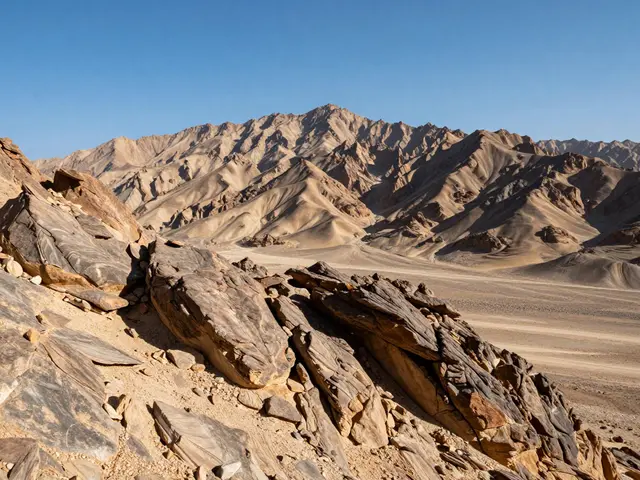
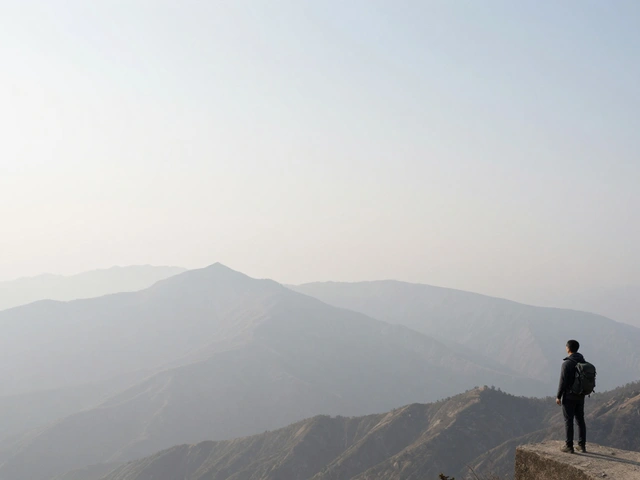
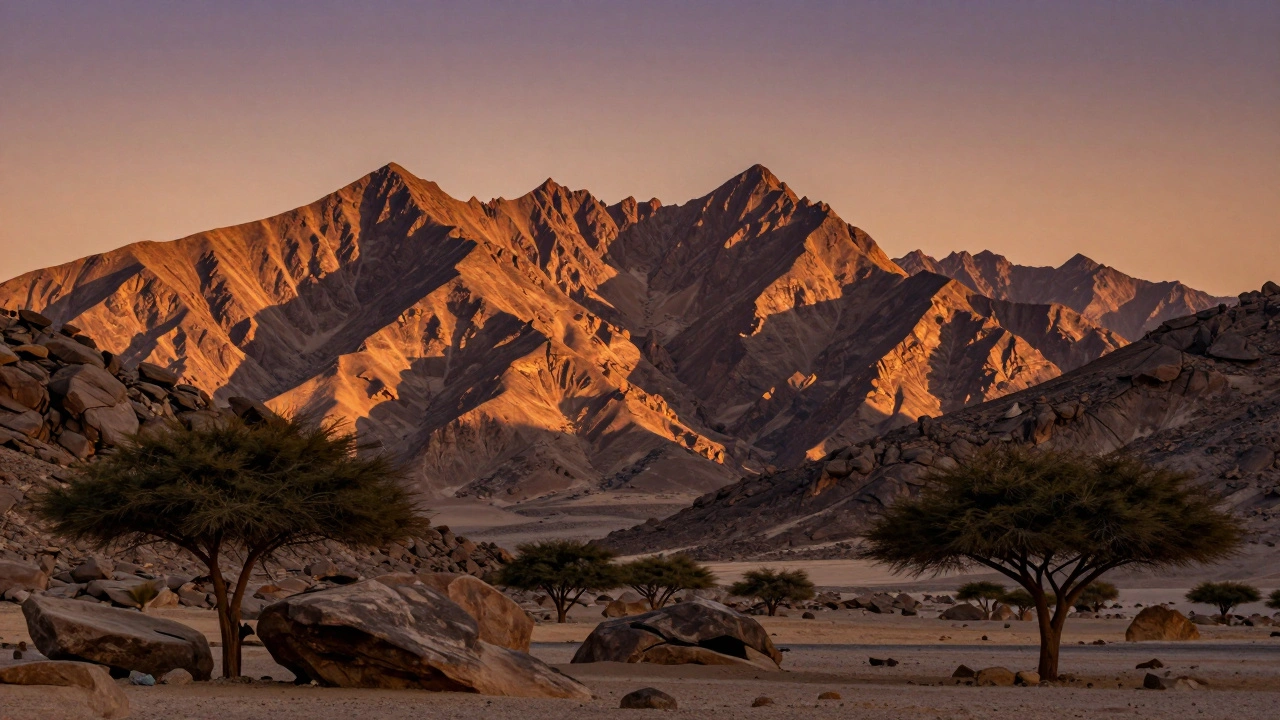
Nature loves triangles. Think about mountain peaks. When you shoot a mountain range, you’re rarely shooting flat lines. You’re capturing the sharp angles of ridges against the sky. These natural triangles create a sense of stability and strength. If you want your image to feel grounded and permanent, lean into triangular compositions.
| Shape | Visual Effect | Best Use Case | Potential Pitfall |
|---|---|---|---|
| Triangle | Directional, Stable, Strong | Mountains, converging paths, framing subjects | Can feel aggressive if too sharp |
| Circle | Soft, Focusing, Enclosing | Boulders, tree canopies, ponds | Can feel static or off-balance if isolated |
| S-Curve | Flowing, Dynamic, Inviting | Rivers, winding trails, hedgerows | Can distract if the curve itself becomes the subject |
Professional photographers use triangles to manage negative space. Imagine a photo with a large empty sky. If you place a lone tree on the left side, it feels lonely. But if you frame that tree within the triangular negative space created by two foreground branches, the composition suddenly balances. The triangle holds the empty space, making it feel intentional rather than accidental.
In landscape design, triangles help organize space. A triangular bed of flowers draws the eye inward. Pathways that converge in a V-shape (an inverted triangle) lead visitors deeper into a garden. This is basic visual hierarchy: the shape tells the viewer what is important.
Circles: Softening the Edges
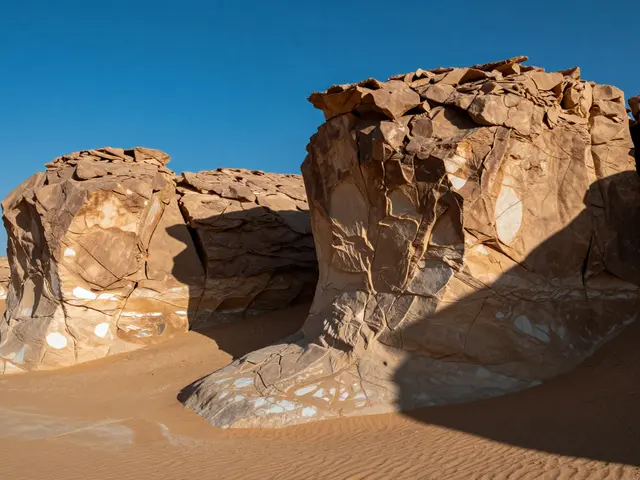
If triangles are about direction, circles are about focus. A circle has no beginning and no end. It doesn’t point anywhere; it encloses something. This makes circles incredibly effective for highlighting a specific subject. When you see a round boulder in a field, your eye stops there. It rests.
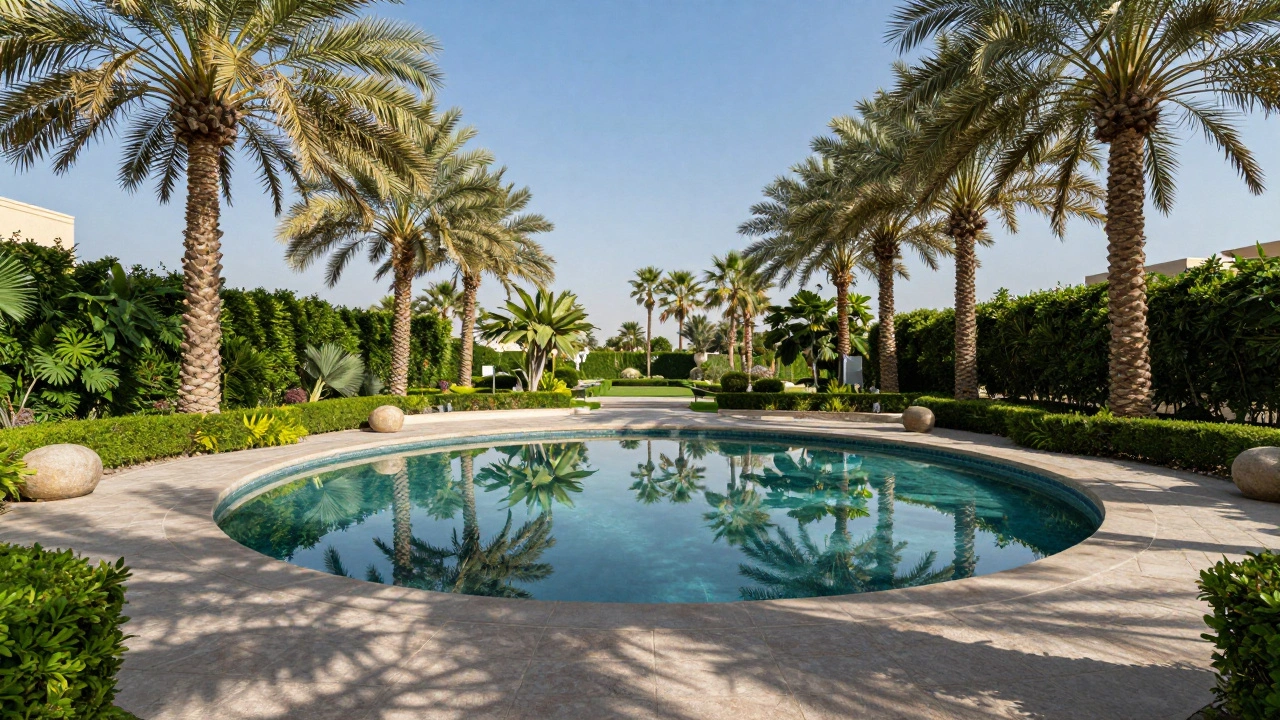
You don’t need a perfect circle for this to work. A partial arc, like the canopy of a large oak tree or the rim of a pond, still functions as a circular element. In fact, imperfect circles often feel more natural and inviting. They mimic the organic growth patterns found in nature, from ripples in water to the rings inside a tree stump.
However, circles require careful placement. Because they are self-contained, they can sometimes isolate themselves from the rest of the scene. If a circular element is too dominant and disconnected, the image or space can feel unbalanced. To fix this, connect the circle to other elements. Place a path leading to the circular pond. Frame the round boulder with linear grasses. This integration keeps the circle from feeling like an island.
The Flow of S-Curves
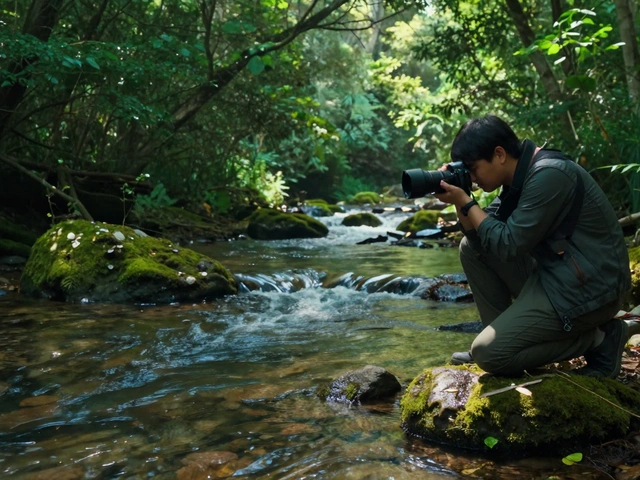
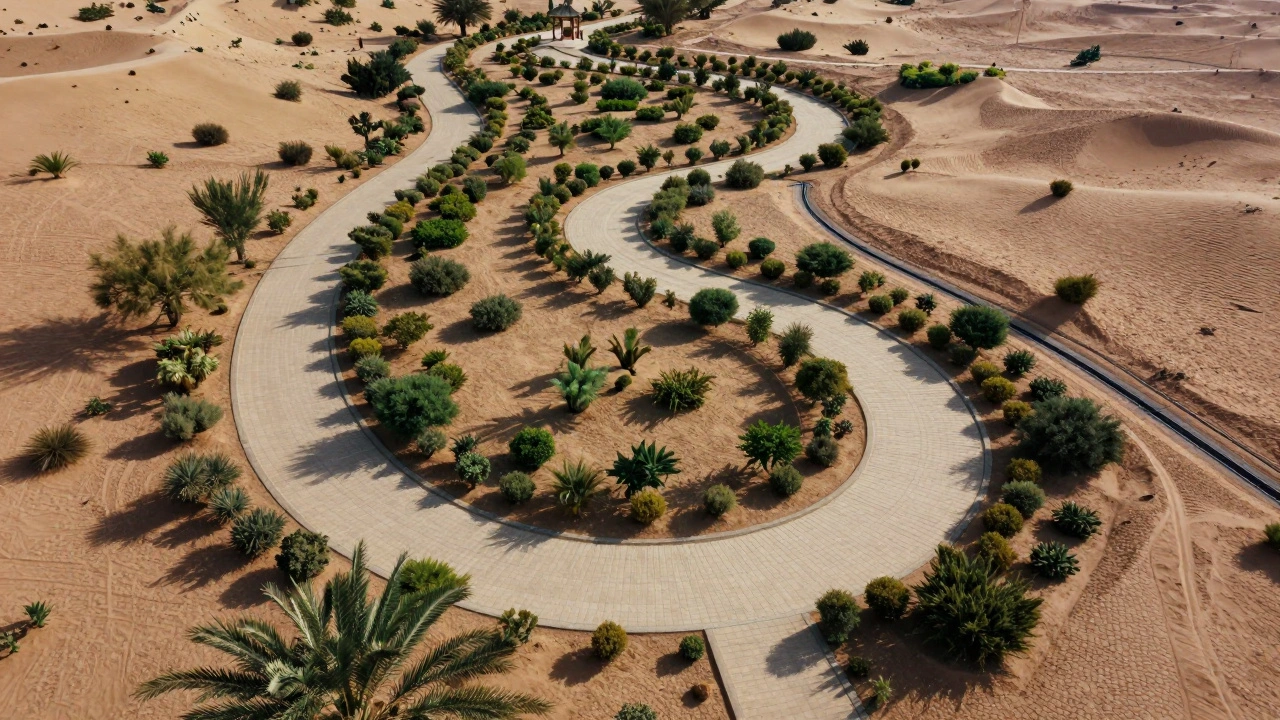
While circles stop the eye, curves move it. Specifically, the S-curve is one of the most engaging compositional tools in landscape photography and design. An S-curve creates a journey. Your eye starts at one end, follows the bend, and arrives at the other end. This takes time, which means the viewer spends more time looking at your image or walking through your space.
The visual weight of a curve increases with its drama. A gentle meander is subtle, but a tight, sweeping S-curve demands attention. In landscape design, this is why winding paths are preferred over straight ones. Straight lines get you from A to B quickly. Curved lines make you enjoy the trip. They reveal views gradually, creating surprise and interest.
A key rule for S-curves: place your main subject at the end of the curve. If the curve itself is beautiful, sure, let it be the star. But usually, the curve is a tool to deliver the viewer to the destination. Whether that destination is a distant mountain peak or a cozy seating area, the S-curve acts as a visual arrow that bends gracefully.
Sacred Geometry and Natural Patterns
There’s a deeper layer to this discussion. Many of these shapes appear consistently across nature, art, and architecture because they reflect underlying mathematical principles. This concept, often called sacred geometry, suggests that certain patterns hold universal significance. You see spirals in seashells and galaxies. Hexagons form honeycombs. Pentagonal symmetry organizes flower petals.
This isn’t just mysticism; it’s efficiency. Nature uses these shapes because they are structurally sound and resource-efficient. When we incorporate these same shapes into our landscapes, we tap into a sense of familiarity. Our brains recognize these patterns as “correct.” A garden that mimics the Fibonacci sequence in its planting layout will feel harmonious even if you can’t explain why.
Modern studies in fractals and symmetry support this idea. Fractals are repeating patterns that scale infinitely, found in ferns, clouds, and coastlines. By introducing varied scales of similar shapes-small rocks near large boulders, small shrubs near tall trees-you create a fractal-like quality that feels rich and complex without being chaotic.
Practical Tips for Applying Geometry
So, how do you actually use this? You don’t need a protractor or a ruler. You need observation and intention.
- Scout for Lines: Before you take a photo or plant a bed, look for existing lines. Where do the shadows fall? Do they create triangles? Are there natural curves in the terrain?
- Frame with Foreground: Use foreground elements to create geometric frames. Two branches forming a triangle around a distant lake instantly adds depth and structure.
- Balance Hard and Soft: Mix triangles (hard, angular) with circles (soft, rounded). A stark rock formation looks better when softened by a curved stream or rounded bushes nearby.
- Guide the Eye: Ask yourself, “Where do I want the viewer to look?” Use an S-curve path or a triangular arrangement of plants to lead them there.
- Check for Balance: Step back. Does the circular element feel stuck? Add a connecting line. Does the triangle feel too aggressive? Soften the edges with foliage.
Remember, geometry is a tool, not a rulebook. Nature isn’t perfectly geometric, and neither should your designs or photos be. The goal is to enhance the natural beauty, not to force rigid structures onto it. Use triangles for strength, circles for focus, and curves for flow. Let these shapes work together to create landscapes that feel both orderly and alive.
Why are triangles considered so powerful in landscape composition?
Triangles are powerful because they are inherently directional and stable. They guide the viewer's eye toward a specific point, creating a clear visual hierarchy. In nature, triangles appear in mountains and converging lines, providing a sense of strength and permanence that anchors a composition.
Do circles need to be perfect to be effective in a landscape?
No, circles do not need to be perfect. Partial arcs, such as tree canopies or the edge of a pond, function effectively as circular elements. Imperfect circles often feel more natural and organic, helping to soften the overall composition and draw attention to a focal point without appearing artificial.
How does an S-curve improve a landscape design or photo?
An S-curve creates a dynamic visual journey, guiding the viewer's eye through the scene in a flowing motion. Unlike straight lines, which are direct and fast, S-curves encourage slower observation, revealing views gradually and adding a sense of movement and elegance to the composition.
What is the connection between sacred geometry and landscape design?
Sacred geometry refers to mathematical patterns found throughout nature, such as spirals, hexagons, and the Fibonacci sequence. Incorporating these patterns into landscape design taps into a human sense of familiarity and harmony, making spaces feel balanced and aesthetically pleasing because they align with universal natural principles.
How can I balance hard geometric shapes with soft ones?
To balance hard shapes like triangles, introduce soft elements like circles or curves. For example, pair a sharp, angular rock formation with rounded bushes or a curving stream. This contrast prevents the design from feeling too rigid or aggressive, creating a more inviting and naturalistic environment.