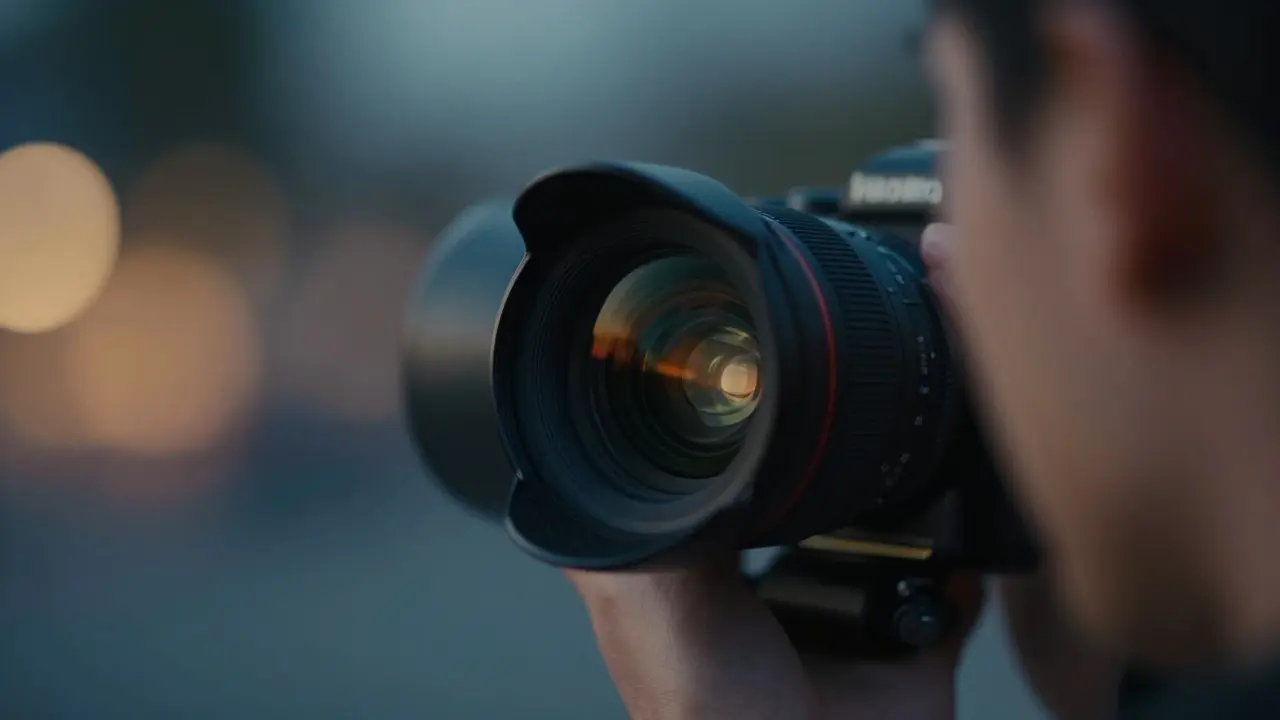
Standing in a camera store or scrolling through online specs can feel like trying to solve a complex equation with missing variables. You have the body, you have the memory cards, but the glass? That’s where the magic happens-or where your budget goes up in smoke. The right lens selection changes everything about how light hits the sensor, how deep your focus falls, and whether your subject pops off the background or gets lost in it.
There is no single "best" lens for every situation. A wide-angle prime might ruin a tight headshot, while a telephoto zoom could make a sweeping mountain range look flat and distant. Understanding the optical characteristics of different genres helps you buy gear that actually fits your workflow, not just what looks cool on a shelf.
The Portrait Lens: Compressing Reality
Portrait photography is less about capturing a face and more about isolating it from the chaos of the world. This is where focal length becomes your primary tool for storytelling. Most professional portraits are shot between 85mm and 135mm on full-frame sensors. Why this range? It provides natural perspective compression. At wider angles, like 35mm, noses look larger and ears stick out further because of perspective distortion. At 85mm or 135mm, facial features flatten slightly, creating a flattering, two-dimensional effect that mirrors how we perceive faces in person.
Beyond focal length, aperture matters immensely. Portraits thrive on shallow depth of field. An f/1.4 or f/1.8 aperture blurs the background into creamy bokeh, separating the subject from distracting elements like busy streets or cluttered rooms. However, there is a trade-off. Wide apertures create razor-thin planes of focus. If your subject moves their head even an inch forward, their eyes might fall out of focus. Many photographers stop down to f/2.8 or f/4 to ensure critical sharpness across the entire eye line, accepting a bit more background detail in exchange for reliability.
| Focal Length | Perspective Effect | Ideal Use Case | Background Blur (at f/1.8) |
|---|---|---|---|
| 50mm | Natural, slight elongation | Candid environmental portraits | Moderate |
| 85mm | Flattering compression | Standard headshots, studio work | Strong |
| 135mm | High compression, isolation | Formal portraits, weddings | Very Strong |
When choosing a portrait lens, consider the physical size as well. A 135mm f/2 lens is significantly heavier than a 50mm f/1.8. If you are shooting events where you need to move quickly, the lighter weight of a standard prime often wins out over the superior compression of a long telephoto.
Landscape Optics: Wide Angles and Sharpness
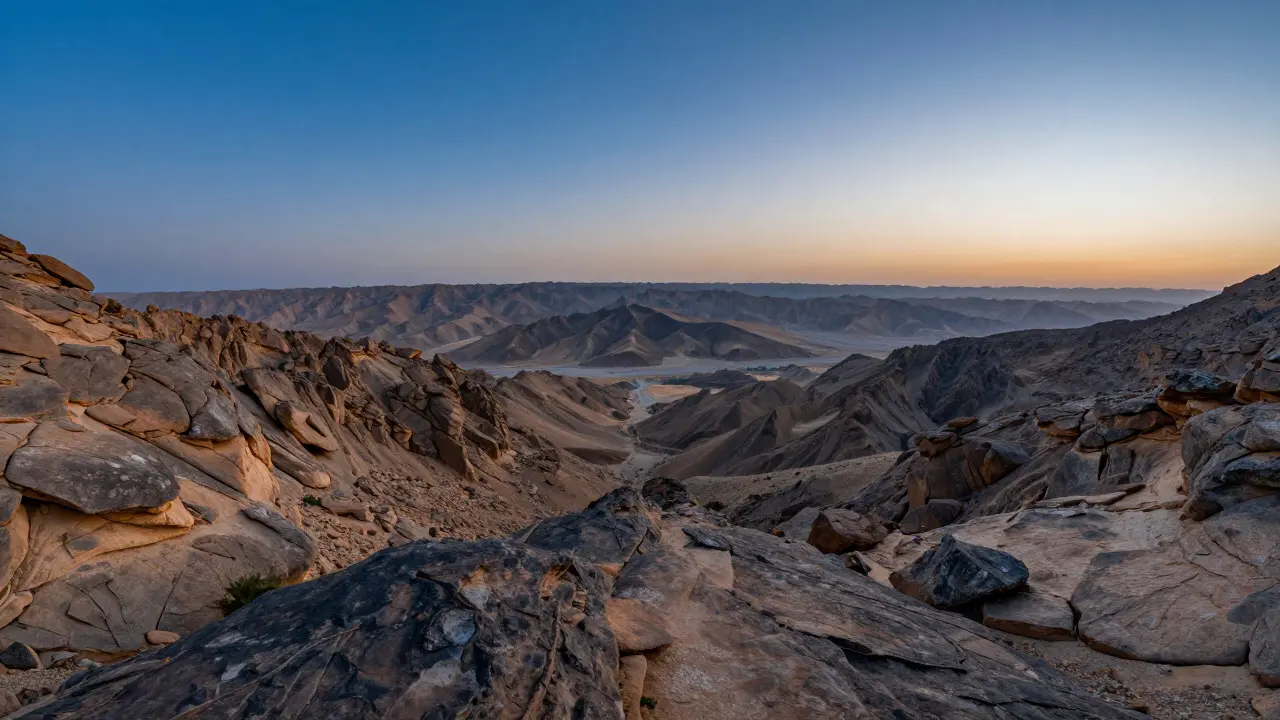
Landscape photography flips the priorities entirely. Here, you want maximum depth of field, meaning everything from the foreground rocks to the distant mountains needs to be sharp. This requires stopping down to small apertures, typically f/11 or f/16. Consequently, the quality of your lens at these smaller apertures becomes critical. Cheap lenses often suffer from vignetting (dark corners) and chromatic aberration (color fringing) when stopped down, which can ruin a high-resolution file.
The focal length choice for landscapes usually falls between 16mm and 35mm. A 16mm ultra-wide captures vast scenes but distorts straight lines, making buildings look like they are falling over unless you use a tilt-shift lens or correct it in post-processing. A 24mm or 28mm lens offers a more balanced view, preserving perspective while still allowing you to include significant context around your main subject. Many landscape photographers avoid going wider than 24mm because the extreme edge of the frame can become distracting rather than immersive.
Build quality is non-negotiable here. You will likely be using these lenses in harsh conditions-rain, dust, cold. Weather sealing protects the internal elements from moisture, which can cause fungus growth inside the glass. Additionally, coatings matter. Modern multi-coated lenses reduce flare and ghosting, which is crucial when shooting against bright skies or backlit subjects. A lens with poor coating will produce hazy images with low contrast, forcing you to spend hours in editing software trying to recover clarity that should have been captured in-camera.
Sports and Action: Speed and Reach
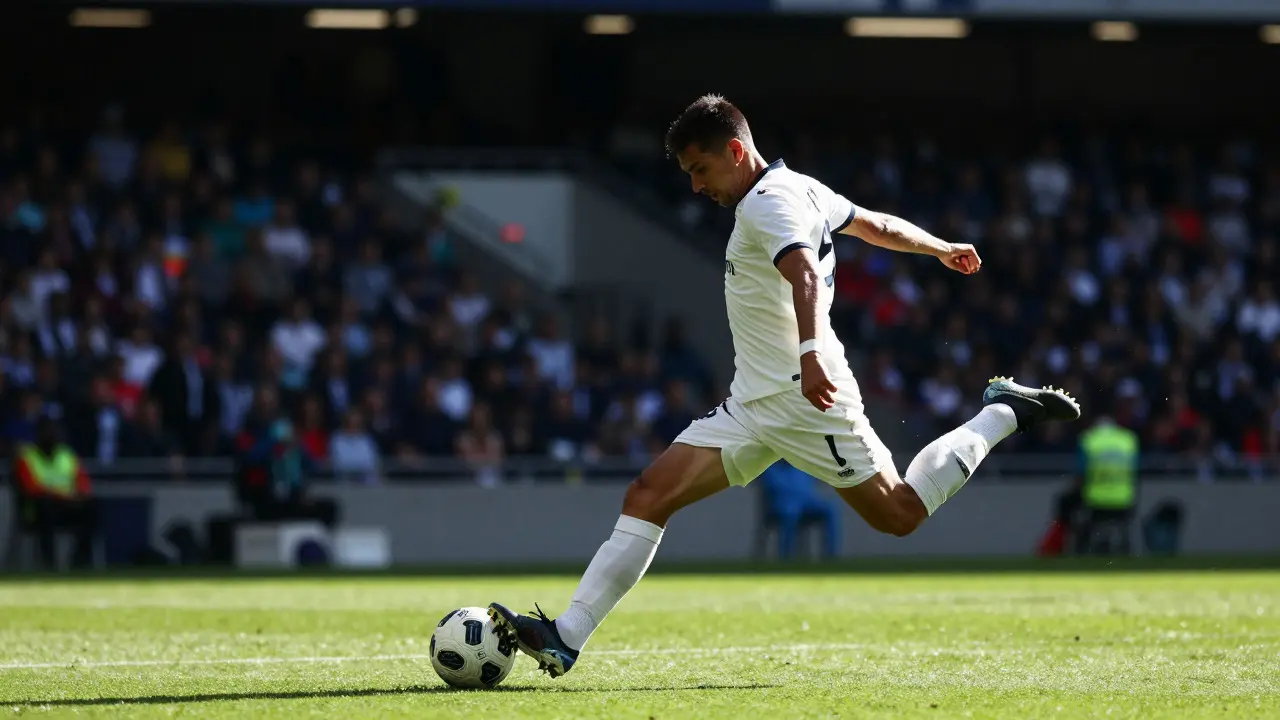
Sports photography is a race against time. You are dealing with fast-moving subjects, unpredictable lighting, and limited opportunities. The two most important attributes here are autofocus speed and focal length reach. You need a lens that can track a soccer player sprinting across the pitch or a bird taking flight without losing focus. Modern autofocus systems rely on phase-detection pixels spread across the sensor, but the lens motor must respond instantly to these signals. Ultrasonic motors provide the quick, precise movements needed for continuous tracking.
Focal length dictates how close you need to stand to your subject. For stadium sports, you rarely get closer than 50 meters. This means you need a telephoto lens, typically starting at 70-200mm. On full-frame bodies, 70-200mm is the standard workhorse. For crop-sensor cameras, the effective focal length is multiplied by the crop factor (usually 1.5x or 1.6x), so a 70-200mm lens acts like a 105-300mm or 112-320mm lens, providing extra reach without buying a longer, more expensive glass.
Zoom range flexibility is vital. In sports, you cannot always predict where the action will happen. A 70-200mm lens lets you cover both medium shots and tight close-ups without changing lenses, which is impossible during a live game. While primes are sharper and faster, the risk of being under-focal-lengthed is too high. Therefore, variable-aperture zooms (like f/2.8 constant) are preferred over fixed-aperture zooms (like f/4-5.6) because the brighter maximum aperture allows for faster shutter speeds to freeze motion, especially in indoor arenas with artificial lighting.
Matching Glass to Your Camera Body
Your lens choice doesn't exist in a vacuum; it depends heavily on your camera sensor size. Full-frame sensors utilize the entire image circle projected by the lens. Crop-sensor sensors only use the center portion. This has two major implications. First, crop sensors give you a magnification boost, effectively extending your focal length. Second, they allow you to use cheaper lenses designed for APS-C formats, which are physically smaller and lighter.
If you are shooting portraits on a crop-sensor body, a 50mm lens gives you the field of view of a 75mm lens on full-frame. This makes 50mm primes incredibly popular for entry-level portrait work because they offer that flattering compression without the bulk of an 85mm lens. However, if you plan to upgrade to a full-frame body later, investing in full-frame compatible lenses ensures your investment lasts. Conversely, if you are committed to a crop-sensor system for its portability, buying dedicated APS-C lenses saves money and weight, though you lose the ability to switch to a larger sensor in the future.
Budget and Value Propositions
You don't need the most expensive lens to take great photos, but you do need to understand where the money goes. Premium lenses cost more due to exotic glass elements (like fluorite or ED glass) that correct chromatic aberration and spherical distortion. They also feature better build materials, such as magnesium alloy barrels instead of plastic, and superior weather sealing.
For beginners, kit lenses (the zooms that come with the camera) are a decent starting point, but they are often slow (f/5.6 or f/6.3) and lack the optical refinement for low-light or creative blur. A better strategy is to start with one versatile prime lens, such as a 50mm f/1.8, which costs a fraction of a pro zoom but delivers excellent image quality and beautiful bokeh. As your skills grow, you can add specialized glass for specific genres. Remember, the best lens is the one you actually carry. A heavy 400mm f/2.8 super-telephoto sitting in a drawer contributes nothing to your portfolio, while a lightweight 35mm f/1.4 carried daily produces hundreds of usable images.
Common Pitfalls to Avoid
- Buying for the future: Don't buy a 400mm lens because you *might* shoot birds next year. Buy it when you are ready to commit to the hobby.
- Ignoring mount compatibility: Ensure the lens mount matches your camera body. Sony E-mount, Canon RF, and Nikon Z are all proprietary. Adapters exist but can degrade autofocus performance and add bulk.
- Overlooking filter threads: Check the diameter of the front element. Filters, UV protection, and polarizers must match this size. Larger lenses require more expensive filters.
- Assuming zoom equals versatility: A 24-70mm zoom is convenient, but a set of primes (24mm, 35mm, 50mm) often produces sharper images and forces you to compose more deliberately.
Final Thoughts on Gear Selection
Gear selection is ultimately about aligning your tools with your artistic vision. If you love the intimacy of human connection, invest in fast portrait primes. If you are drawn to the grandeur of nature, prioritize wide-angle sharpness and weather resistance. If you chase motion, focus on autofocus speed and telephoto reach. There is no wrong answer, only mismatches between your style and your equipment. Start with one genre, master the specific requirements of that lens type, and expand from there. Your camera bag should reflect your passion, not just your bank balance.
What is the best focal length for portraits?
The ideal range is 85mm to 135mm on full-frame cameras. This provides flattering perspective compression and strong background separation. On crop-sensor cameras, a 50mm to 85mm lens achieves similar results.
Do I need a wide-angle lens for landscape photography?
Yes, wide-angle lenses (16mm to 35mm) are essential for capturing expansive scenes and emphasizing depth. However, mid-range lenses like 35mm or 50mm can be used for detailed landscape compositions where you want to isolate specific elements within the scenery.
Is a 70-200mm lens good for sports?
It is the industry standard for sports and wildlife. It offers sufficient reach for stadiums and fields, along with fast autofocus and good image stabilization. For very large venues, a 100-400mm or 200-400mm lens may be necessary.
Should I buy prime lenses or zoom lenses?
Primes offer better optical quality, wider maximum apertures, and smaller sizes. Zooms offer flexibility and convenience. A common strategy is to own one versatile zoom for travel and events, and several primes for controlled environments like studios or static landscapes.
How does sensor size affect lens choice?
Crop sensors multiply the effective focal length, giving you more reach from the same lens. They also allow you to use smaller, cheaper lenses. Full-frame sensors require lenses that project a larger image circle, which generally results in bigger, heavier, and more expensive glass.