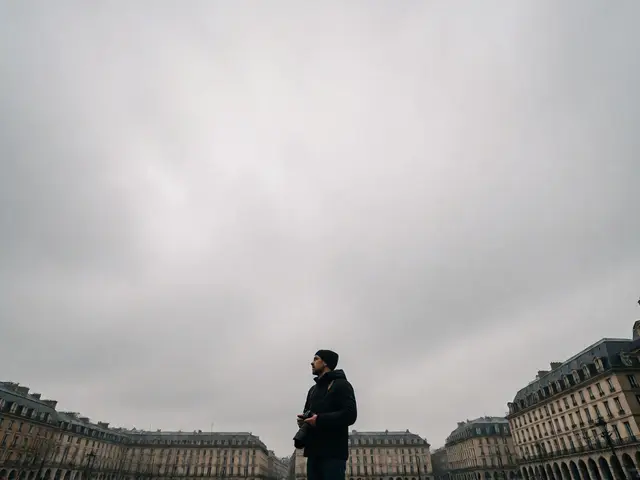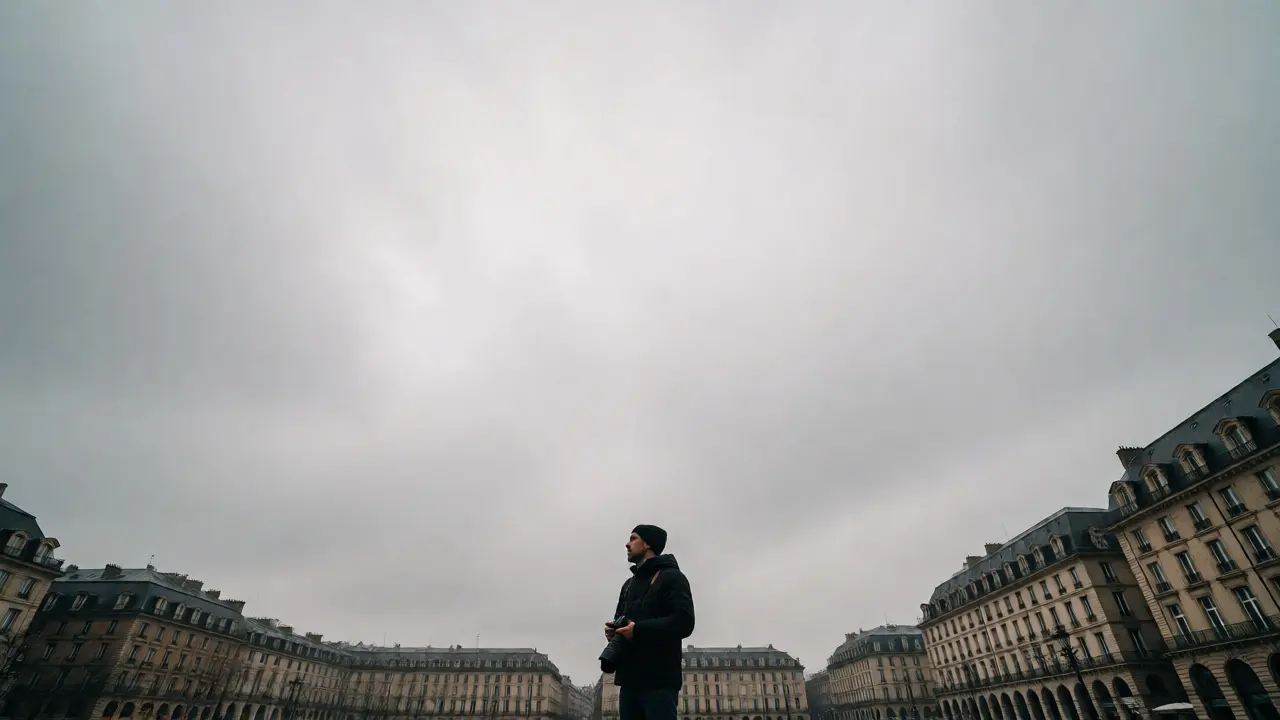
You probably grabbed your camera on a sunny Tuesday morning, expecting those crisp shadows and golden highlights. Instead, you stepped outside into a blanket of gray cloud cover and felt your heart sink. "Bad light," you muttered, checking the weather app again. But here is the secret most photographers learn too late: overcast days aren't a curse-they are a giant, free softbox suspended in the sky. Overcast day photography leverages diffused natural light that eliminates harsh shadows, providing even illumination ideal for portraits and macro details. If you know how to work with it, you can shoot images that look studio-lit without spending a dime on gear.
| Condition | Shadow Quality | Color Saturation | Best For |
|---|---|---|---|
| Direct Sun | Hard, deep black | High contrast, warm tones | Landscape drama, high-key sports |
| Golden Hour | Long, soft but directional | Warm, saturated oranges/pinks | Portraits, romantic scenes |
| Overcast | Soft, barely visible | Muted, true-to-life colors | Portraits, product shots, moody landscapes |
Why Cloud Cover Is Your Best Friend
Think about the last time you tried to take a portrait of a friend at noon. Their eyes were squinting, there was an ugly shadow under their nose, and half their face was blown out white while the other half was lost in darkness. That is direct sunlight being difficult. Now imagine moving them under a large tree or into a garage doorway. The light wraps around their features gently. That is exactly what a thick cloud layer does for the entire world. It scatters the sun's rays, turning the whole sky into a single, massive light source. This means no hard transitions between light and dark. You get detail in the shadows and highlight retention in the bright spots without needing complex HDR blending or flash fill. It is forgiving, consistent, and incredibly easy to expose correctly.
Adjusting Camera Settings for Gray Skies
The biggest mistake people make when shooting on cloudy days is trusting their camera’s auto-exposure too blindly. Cameras want to average everything to mid-gray. If you point your lens at a white wedding dress against a gray sky, your camera might think the scene is too bright and darken the image, making the dress look dirty. You need to override this. Dial in positive exposure compensation-start with +0.7 or +1.0 EV. Check your histogram; you want the data pushed toward the right side (brighter) without clipping the pure whites. Because the light is diffuse, you don’t have extreme dynamic range issues, so you can often shoot at lower ISOs like 100 or 200 for maximum quality. Shutter speed becomes your main tool for freezing motion since you likely won't need to stop down the aperture heavily to control depth of field in such even light.

Boosting Mood Through Post-Processing
Straight out of camera, overcast photos can look a bit flat and desaturated. The clouds absorb some color vibrancy, leaving greens looking muddy and skies looking dull white. This is where editing saves the day. Do not try to force blue skies back in if they weren't there-that looks fake. Instead, lean into the mood. Increase local contrast slightly to bring out texture in subjects, which tends to disappear in soft light. Boost saturation carefully, focusing on specific color ranges rather than global saturation. If you are shooting landscapes, consider converting to black and white. The lack of harsh shadows makes monochrome conversion surprisingly clean, allowing shapes and textures to take center stage. For portraits, a slight increase in clarity or texture can add definition to skin without introducing the artifacts that harsh light causes.
Subject Choices That Shine in Diffuse Light
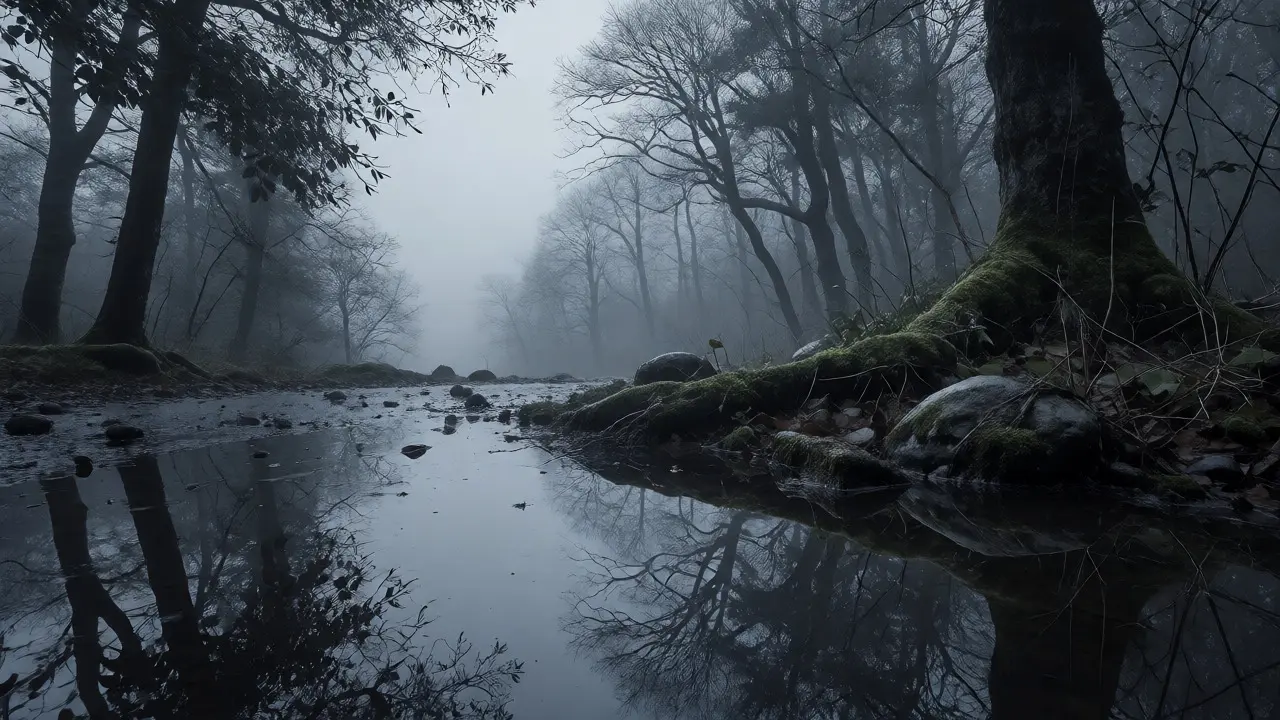
Not every subject benefits from soft light, but many thrive in it. Portraits are the obvious winner because the diffused light acts as a natural beauty dish, smoothing skin imperfections and eliminating raccoon-eye shadows. Macro photography also excels here. When you are photographing a spiderweb covered in dew or the intricate veins of a leaf, direct sun creates specular highlights (glare) that ruin detail. Overcast light reveals these tiny structures clearly. Urban environments change character too. Wet pavement after rain reflects the gray sky, creating mirror-like surfaces that double the visual interest of city streets. Waterfalls and rivers lose the blown-out white caps seen in sun and gain silky, detailed flow when captured with a slower shutter speed in low-light conditions.
Dealing with the White Sky Problem
A blank white sky is boring. It eats up frame space and offers no visual anchor. You have two options: crop it out or replace it. Cropping is easier. Frame your shot tighter on the subject, using trees, buildings, or mountains to block the sky entirely. If you must include the sky, use a polarizing filter. While less effective on overcast days than sunny ones, a circular polarizer can still deepen the gray tones slightly and cut glare from wet surfaces, adding depth. In post-production, you can swap the sky entirely using software like Photoshop or Luminar Neo, but do it subtly. A dramatic sunset sky over a flatly lit forest looks disjointed. Match the brightness and direction of the new sky to the existing light on your ground elements. Consistency sells the illusion.
Practical Gear Tips for Cloudy Shoots
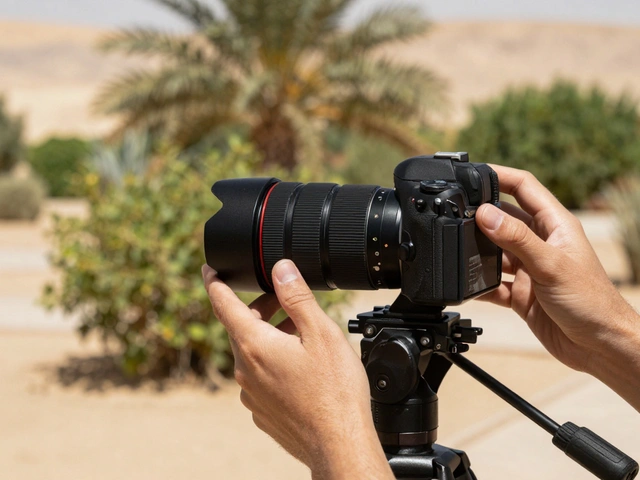
You do not need expensive equipment to master this, but a few small additions help. Bring a reflector, even a simple white foam board. While the light is even, it comes from above. Holding a reflector below your subject’s chin bounces light back up, filling in any residual shadows under the eyes or jawline. This adds dimension without artificial power sources. Also, protect your gear. Portland gets drizzly, and moisture ruins electronics. Use a rain sleeve or an umbrella mount for your camera. Keep microfiber cloths handy to wipe water droplets off the front element immediately; otherwise, they create blurry spots that are hard to edit out later.
Is overcast light bad for landscape photography?
No, it is actually excellent for capturing detail and texture. Without harsh shadows, you can see the intricacies of rock formations, foliage, and water surfaces more clearly. It is particularly good for misty forests or coastal scenes where mood matters more than vibrant color.
How do I fix a white sky in my photos?
You can crop it out by composing tighter shots, use a polarizing filter to darken the tone slightly, or replace it in post-processing with a realistic sky texture that matches the ambient light direction and intensity.
Do I need a flash on cloudy days?
Usually not. The light is already soft and even. However, if you are shooting portraits and want to add a catchlight in the eyes or separate the subject from a dark background, a low-power fill flash can help without creating harsh shadows.
Why do my overcast photos look dull?
Clouds scatter light, reducing contrast and saturation. To fix this, increase local contrast and saturation selectively in editing software. Avoid boosting global saturation, which can introduce noise and unnatural colors.
Can I shoot video in overcast conditions?
Yes, and it is often preferred. Video suffers greatly from changing light conditions caused by passing clouds. Overcast days provide stable, unchanging exposure levels, allowing you to focus on composition and movement without constantly adjusting settings.