Most photographers chase the same green meadows and blue skies every summer. But if you want to stand out, you need to stop fighting the calendar and start working with it. Landscape photography is the art of capturing natural environments where light, texture, and mood shift dramatically across the four seasons. Each season offers a distinct palette, unique atmospheric effects, and specific challenges that force you to adapt your technique. Spring brings delicate detail, summer delivers high contrast, autumn provides color saturation, and winter simplifies composition. Mastering these shifts transforms your portfolio from generic snapshots into evocative storytelling.
Spring: Capturing Delicate Details and Fresh Growth
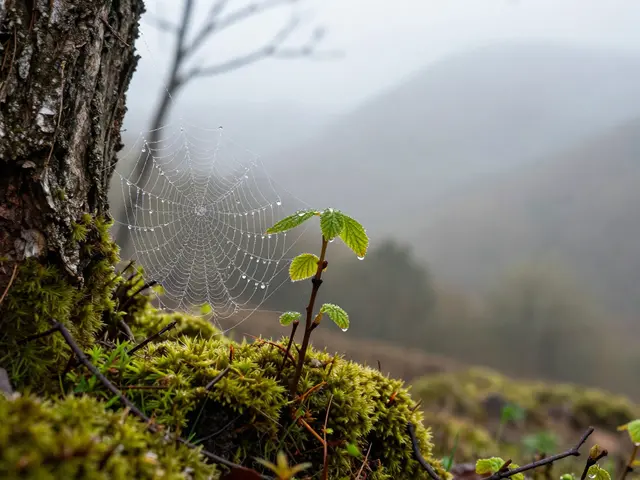
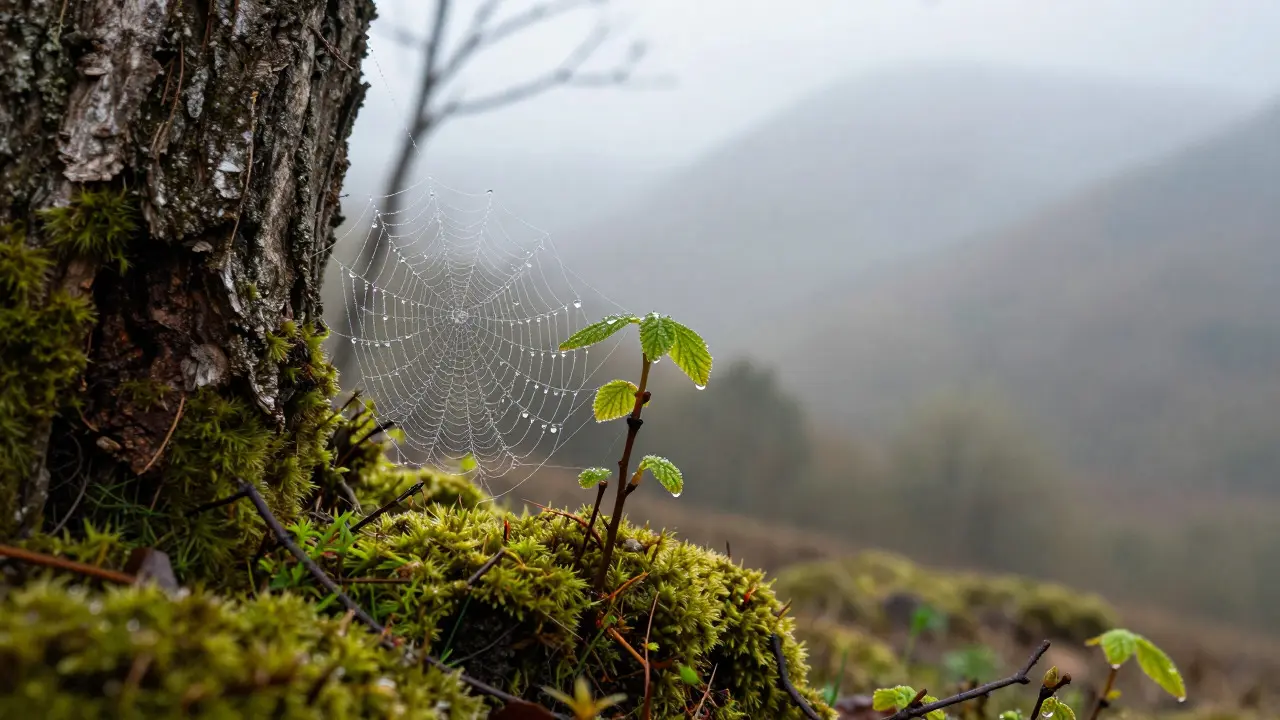
Spring is often misunderstood as just "green." In reality, it is a study in subtlety. The light in spring is softer than in summer because the sun angle is lower, creating longer shadows even at midday. This allows you to capture textures in moss, bark, and emerging leaves without harsh highlights blowing out your sensor. You should focus on macro-landscape shots here. Think of close-ups of wildflowers with a blurred forest background, or dew drops on spiderwebs catching the first light of morning. The air is usually humid, which can create a soft haze that adds depth to distant mountains. However, be prepared for unpredictable rain. If you shoot during a drizzle, use a polarizing filter to cut glare off wet rocks and foliage, revealing richer colors underneath. The key attribute of spring photography is patience; the best moments often happen right after a storm when the air is crisp and the colors are vivid.
Summer: Managing High Contrast and Vibrant Colors
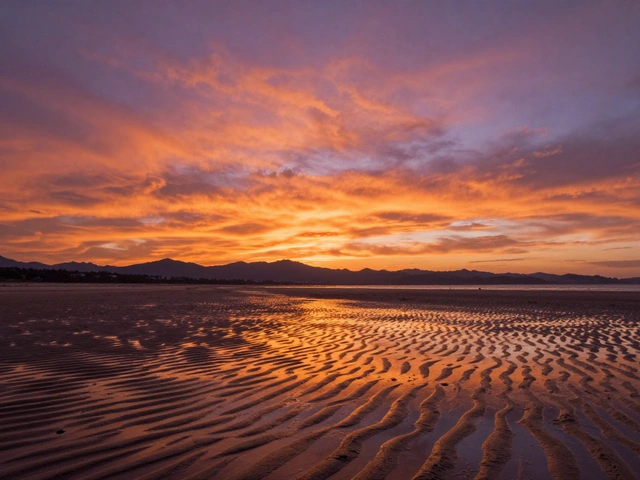
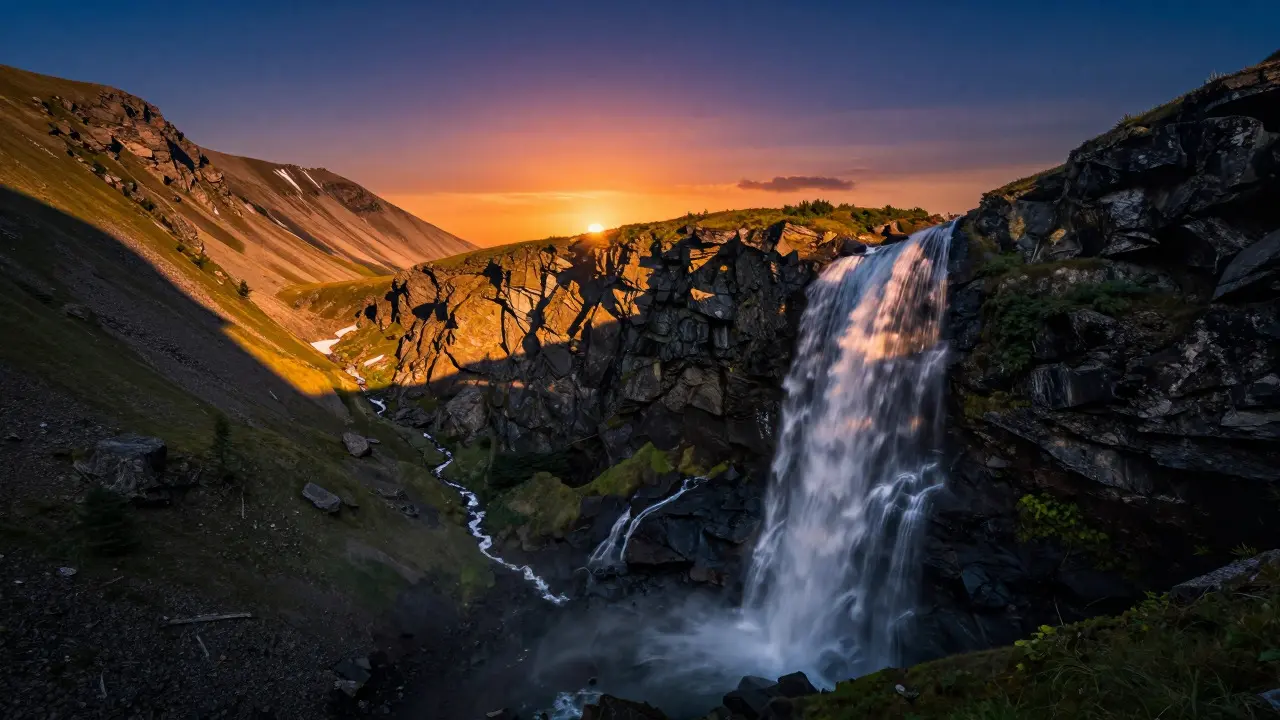
Summer is the most demanding season for exposure control. The sun sits high in the sky, creating short, hard shadows and intense contrast. Mid-day shooting is generally discouraged unless you are using a graduated neutral density filter or bracketing exposures heavily. Instead, prioritize the "golden hours"-the first and last hour of daylight. During these times, the light turns warm and directional, stretching shadows across valleys and highlighting the contours of terrain. Summer also offers the longest days, giving you more flexibility for multi-stop bracketing to handle wide dynamic ranges. Water features like waterfalls and rivers are at their peak flow due to snowmelt in many regions, adding motion and energy to static landscapes. When shooting in bright conditions, watch your white balance carefully. Auto settings often skew too cool under direct sunlight. Setting a custom white balance based on a gray card or a neutral object ensures your greens remain lush rather than yellowish. Don't forget about heat haze; standing still for long exposures can result in shimmering distortions in the distance. Using a tripod and a remote shutter release helps mitigate camera shake, but wind remains your biggest enemy for stability.
Autumn: Embracing Saturation and Textural Richness
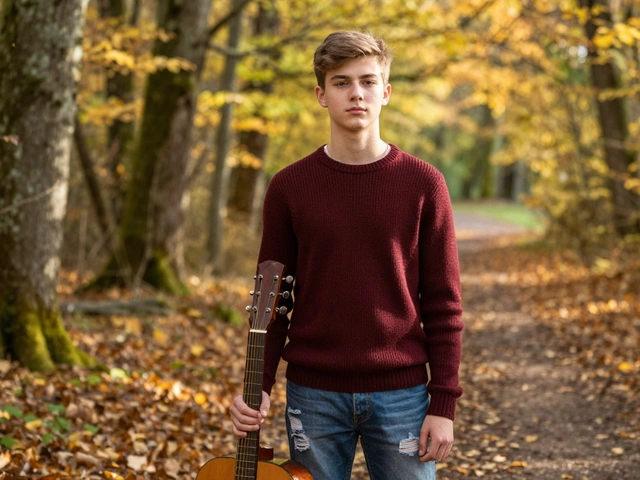
If you love color, autumn is your playground. The chlorophyll in leaves breaks down, revealing carotenoids and anthocyanins that produce oranges, reds, and yellows. This period is fleeting, often lasting only two to three weeks at peak intensity depending on your latitude. You must track weather forecasts closely to anticipate the best days. Clear, sunny days after a light rain provide the ideal conditions: saturated colors without excessive glare. The light in autumn is similar to spring but with warmer tones, enhancing the reds and golds. Compositionally, look for leading lines created by fallen leaves or winding paths through forests. The ground cover changes drastically, offering new foreground elements that guide the viewer's eye into the scene. Be mindful of crowds; popular fall foliage spots get busy. Arriving before sunrise or staying until sunset helps you secure prime vantage points without dealing with other photographers. Additionally, the cooler temperatures mean less heat haze, allowing for sharper details in distant peaks. Use a small aperture (like f/11 or f/16) to ensure maximum depth of field, keeping both the vibrant foreground leaves and the distant mountain range in sharp focus.
Winter: Simplifying Composition and Playing with Light
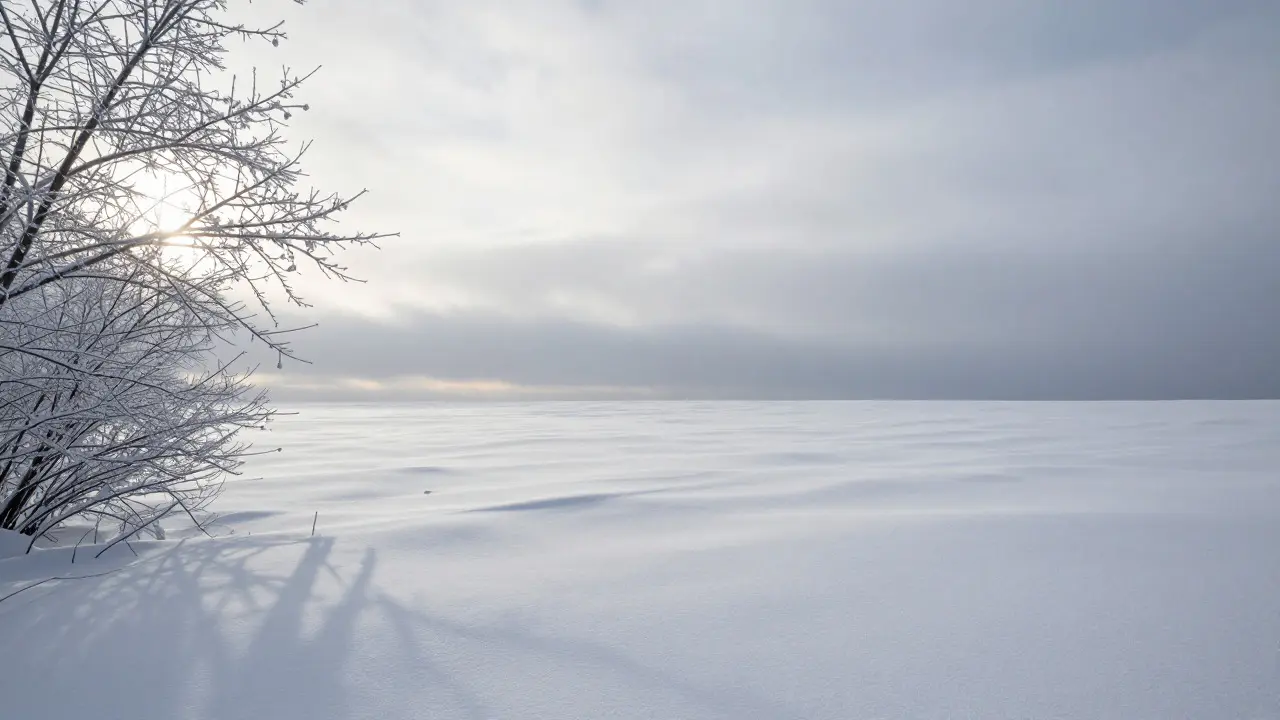
Winter strips away the clutter. With trees bare and snow covering the ground, your compositions become cleaner and more minimalist. This simplicity forces you to rely on strong geometric shapes, lines, and patterns. Snow acts as a massive reflector, bouncing light up onto subjects and reducing shadow contrast. This means you can shoot in flat, overcast conditions and still get interesting results, provided you expose correctly for the whites. Underexposing snow makes it look gray; overexposing it blows out all detail. Aim to keep your histogram shifted slightly to the right while protecting the highlights. Winter light is low and angled, creating long, dramatic shadows that stretch across snowy fields. These shadows add dimension and interest to otherwise blank spaces. Ice formations, frozen waterfalls, and frost-covered branches offer unique textures that are impossible to find in other seasons. Gear considerations are crucial here. Cold batteries drain quickly, so carry spares in an inner pocket to keep them warm. Fogging lenses is a common issue when moving from cold outdoors to warm indoors; let your gear acclimate inside a sealed bag before opening it. The mood of winter photography is often serene, melancholic, or stark, offering a powerful emotional contrast to the vibrancy of summer.
| Season | Primary Light Quality | Key Challenge | Recommended Aperture | Ideal Time of Day |
|---|---|---|---|---|
| Spring | Soft, diffuse, humid | Unpredictable rain | f/8 - f/11 | Morning mist |
| Summer | Hard, high contrast | Dynamic range management | f/11 - f/16 | Sunrise/Sunset |
| Autumn | Warm, saturated | Short window of peak color | f/11 - f/16 | Mid-morning/Afternoon |
| Winter | Low angle, reflective | Battery drain/Lens fogging | f/8 - f/11 | Golden Hour |
Adapting Your Gear and Workflow Across Seasons
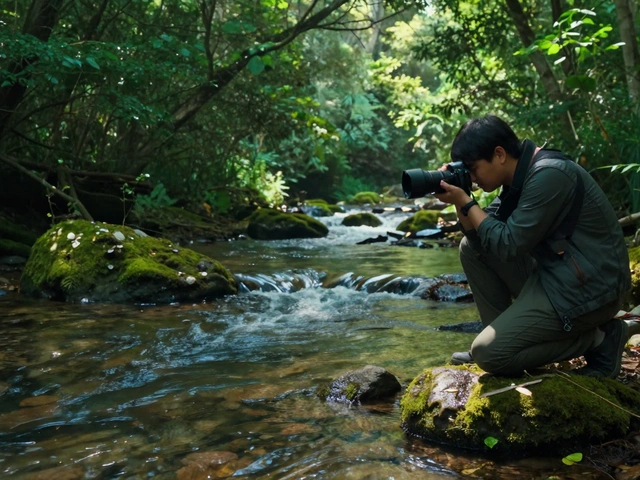
Your equipment needs to evolve with the environment. In spring and autumn, a sturdy tripod is essential for long exposures of water or clouds, but you must also carry a microfiber cloth constantly to wipe condensation off lenses. In summer, a UV filter might seem unnecessary, but it protects your front element from dust and minor scratches during hikes. More importantly, invest in fast memory cards and multiple bodies if you plan to do bracketing sequences frequently. Winter requires specialized protection. A rain cover for your backpack is vital, not just for rain, but for slush and melting snow. Consider using lens hoods to block stray light, which is particularly effective in winter when the sun is low and can cause flare. Post-processing also varies by season. Spring images often need gentle sharpening to bring out fine details in foliage. Summer images require careful highlight recovery to save blown-out skies. Autumn photos benefit from selective saturation adjustments to enhance specific hues without making the image look unnatural. Winter images often need temperature adjustments to balance the cool blues of shadows against the warm tones of the setting sun. Understanding these technical nuances allows you to translate the raw data from your sensor into a final image that matches the mood you experienced on location.
Frequently Asked Questions
What is the best season for landscape photography?
There is no single best season; each offers unique advantages. Autumn is best for color enthusiasts, winter for minimalist compositions, spring for delicate details, and summer for high-energy scenes with water. The "best" season depends on your personal style and the specific location you are visiting.
How do I handle changing light conditions in different seasons?
Use bracketing to capture a range of exposures, especially in high-contrast summer scenes. In winter, adjust your white balance manually to avoid overly cool casts. Always check your histogram to ensure you are not clipping highlights or shadows, as this becomes more critical in extreme lighting conditions.
Do I need special gear for winter photography?
Yes, you need extra batteries kept warm in an inner pocket, a rain cover for your bag, and possibly a lens heater if you are shooting for extended periods in sub-zero temperatures. Lens fogging is a common issue, so allow your gear to acclimate to indoor temperatures gradually.
When is the best time of day to shoot in summer?
The best times are early morning and late evening, known as the golden hours. Mid-day light is too harsh and creates difficult contrast ratios that are hard to manage without advanced techniques like HDR bracketing. Sunrise and sunset provide soft, directional light that enhances texture and color.
How does humidity affect landscape photography?
High humidity in spring and early summer can create a soft haze that adds depth to distant landscapes but may reduce clarity. It also increases the risk of lens condensation. Use a silica gel pack in your camera bag to absorb moisture and protect your equipment from mold and fogging.