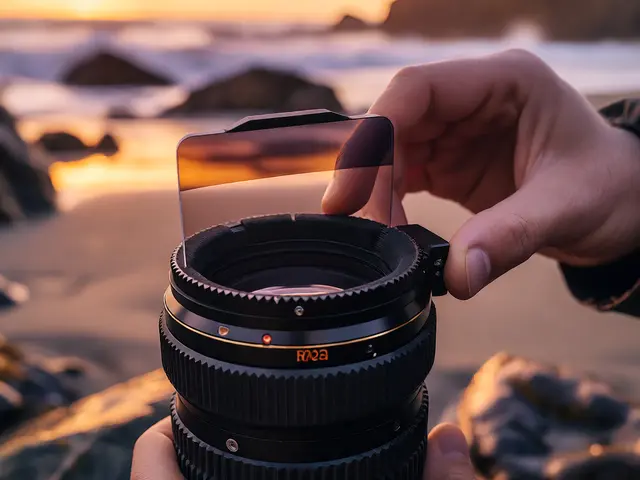
You’ve probably been there. You’re standing on a rocky shoreline at golden hour, trying to tame the glare off the wet sand with a cheap screw-on polarizer. But as you zoom in, the edges of your image go dark-a vignette so thick it looks like you’re peering through a toilet paper roll. Or worse, you stack two filters, and suddenly the sky has a weird color cast that no amount of post-processing can fix without wrecking your whites. This is why serious landscape and architectural photographers stop buying individual screw-in filters and switch to filter systems. Unlike single glass discs, these modular setups let you stack multiple effects-polarizers, neutral density (ND) grads, and solid NDs-without the optical interference or mechanical headaches that plague traditional methods.
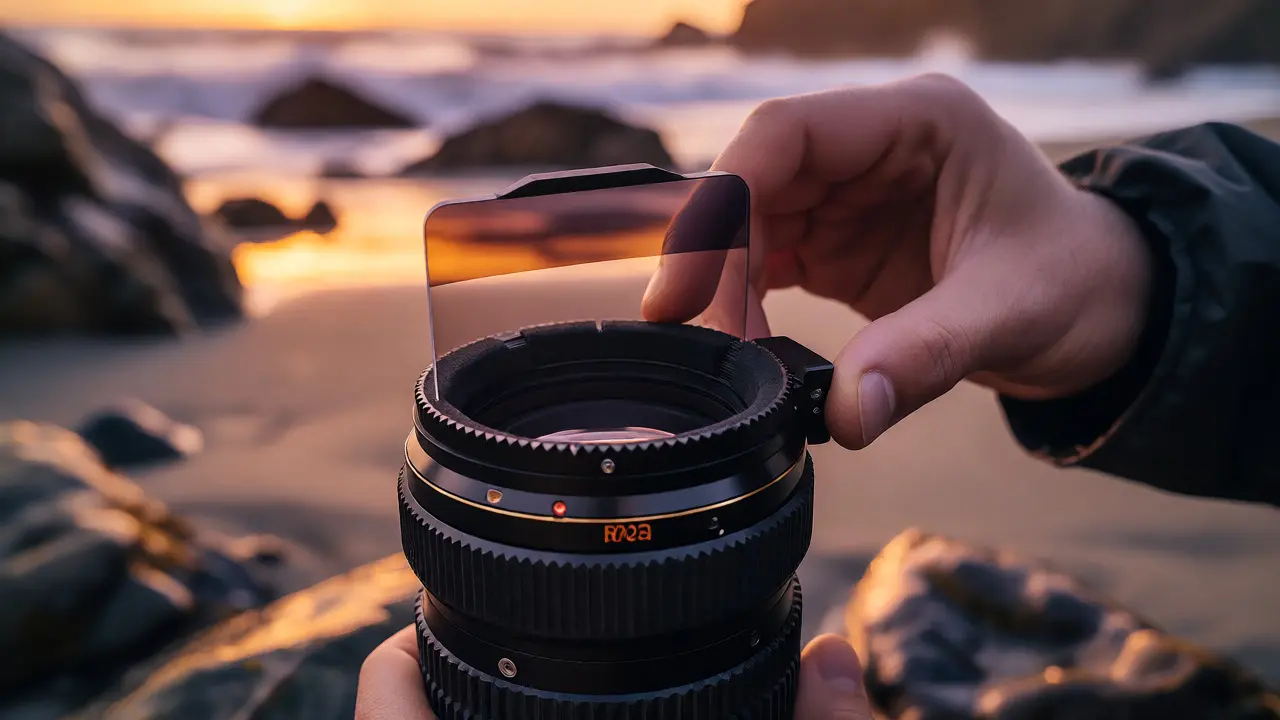
The core problem with screw-in filters isn’t just the cost; it’s the physics. When you screw a filter onto a lens, you’re forcing light through a piece of glass that might not be perfectly flat or aligned. Stack three of them, and you’re adding more glass-air interfaces, which increases reflections and reduces contrast. A proper filter system solves this by using a holder that grips rectangular or square glass or resin filter sheets outside the lens thread. This allows you to adjust the position of graduated filters vertically, which is impossible with a circular screw-in version unless you rotate the entire lens.
Why Switch from Screw-On to System Holders?
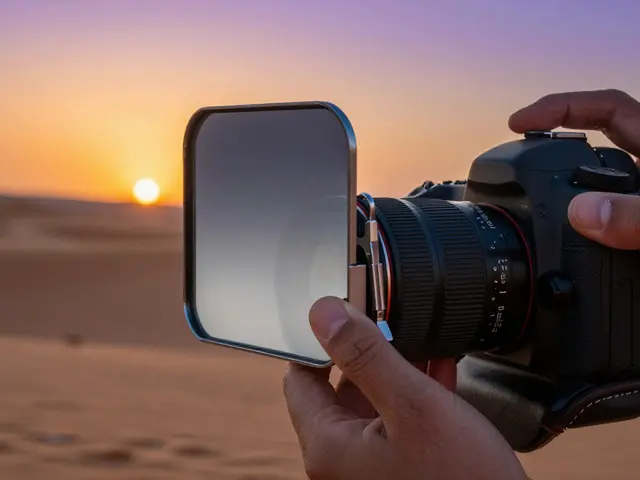
Think of screw-in filters like wearing sunglasses indoors-they work for one specific situation, but they’re rigid. Filter systems offer flexibility. The biggest advantage is the ability to use graduated neutral density (GND) filters. These have a clear bottom half and a dark top half, used to balance exposure between a bright sky and a darker foreground. With a holder, you slide the filter up or down to align the transition line exactly with the horizon. Try doing that with a round screw-on GND filter, and you’ll find yourself rotating the lens until your head hurts, often still missing the perfect alignment.
Another major benefit is size standardization. Most professional systems use either 100mm or 150mm wide filters. Once you buy a set of 100mm filters, they fit any lens that accepts a 100mm adapter ring. This saves money long-term because you don’t need to buy new filters every time you upgrade your lens. If you switch from a Canon EF 24-70mm f/2.8 to a Sony FE 24-70mm GM II, you just swap the adapter ring, not the $300 glass inside.
Anatomy of a Filter Holder
A typical filter holder consists of three main parts: the base plate, the arms, and the adapter ring. The base plate attaches to the lens via the adapter ring. The arms extend outward and hold the filter slots. Some holders are made of plastic, others of aluminum or carbon fiber. Plastic holders, like those from Cokin, are lightweight and cheap but can flex under wind pressure, causing uneven gaps between filters. Metal holders are stiffer and provide a better seal against light leaks, but they add weight to your front-heavy setup.
Light leaks are the silent killer of long exposures. If stray light hits the back of your sensor through gaps around the filter edges, it creates color casts or haze. High-end holders feature felt-lined slots to block this light. Cheaper options rely on tight friction fits, which wear out over time. If you shoot exposures longer than 30 seconds, that difference becomes glaringly obvious in your RAW files.
Top Brands and Their Ecosystems
The market is dominated by a few key players, each with its own philosophy. Understanding their differences helps you avoid buying into a dead-end ecosystem.
| Brand | Material Focus | Best For | Price Tier |
|---|---|---|---|
| Lee Filters | Glass & Resin | Professional landscapes, durability | Premium |
| NiSi | Nano-coated Glass | Value seekers, sharpness | Mid-High |
| Breakthrough Photography | X4 Nano Coating | Color accuracy, anti-reflective tech | Premium |
| Cokin | Resin | Budget beginners, creative effects | Budget |
| Haida | MRC Nano Glass | Compact travel kits | Mid |
Lee Filters is the old guard. Founded in the UK, they pioneered the modern system. Their glass filters are incredibly durable and scratch-resistant, making them ideal for rugged outdoor environments. However, their proprietary mounting system means you’re locked into their ecosystem. If you buy a Lee holder, you generally stick with Lee adapters. It’s a closed loop, but the quality control is exceptional.
NiSi disrupted the market by offering near-Lee performance at a lower price point. Their nano-coatings are excellent at reducing flare, which is critical when shooting into the sun. Many pros now prefer NiSi for their sharpness-to-cost ratio. They also make magnetic holders, which snap onto magnetic rings attached to the lens. This speeds up workflow significantly-you don’t fumble with screws in the cold.
Breakthrough Photography markets itself on its X4 coating technology, claiming superior transmission and reduced color shift. While marketing claims should always be taken with a grain of salt, independent tests show their filters do maintain neutral color balance well, especially with heavy ND stacks where cheaper filters introduce a magenta cast.
The Magnetic Revolution
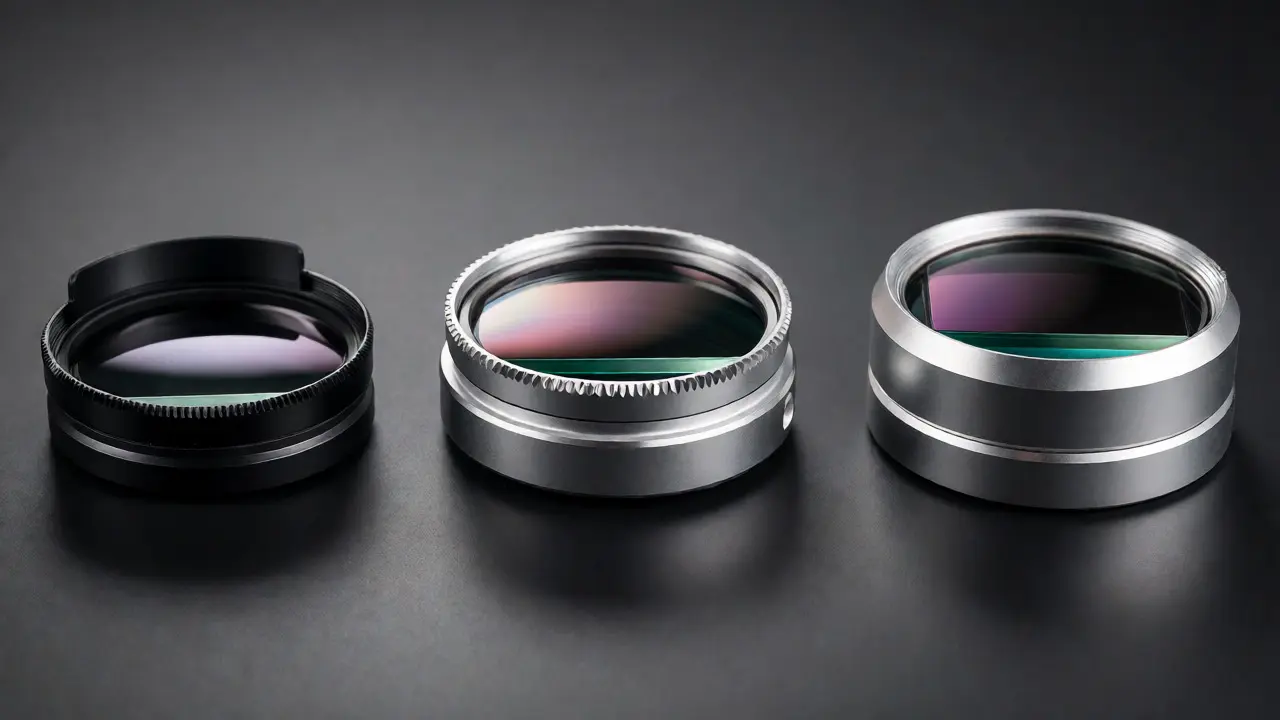
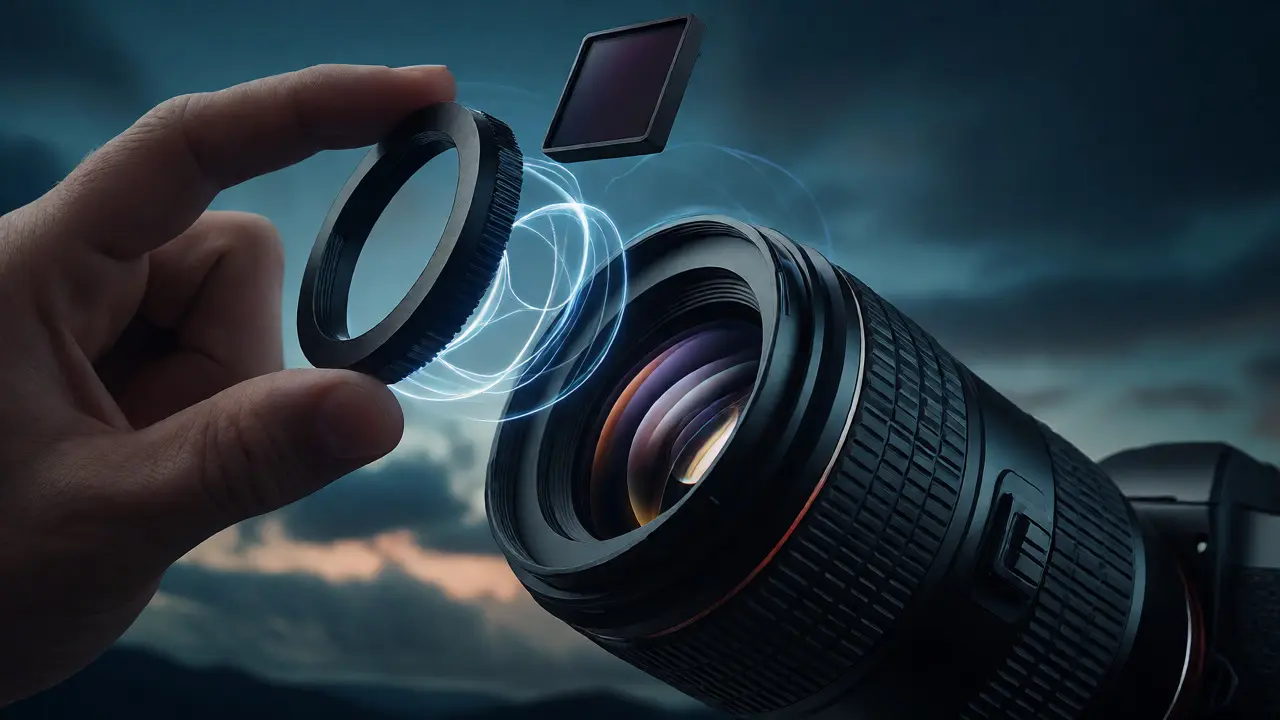
Traditional holders require you to unscrew an adapter ring, attach the holder, then slot in filters. It’s slow. In fast-changing weather, seconds matter. Enter magnetic filter systems. Brands like Kase and NiSi now offer magnetic rings that stay permanently attached to your lens. You simply snap the holder-and thus the filters-onto the ring. It takes less than two seconds.
Is it worth the extra cost? If you shoot frequently, yes. The frustration of dropping a small adapter ring in tall grass or snow is real. Magnetic systems eliminate that risk. Plus, they reduce the total number of parts you need to carry. You don’t need separate holders for different lenses if you use step-down rings that accept the same magnetic interface.
Choosing the Right Size: 100mm vs. 150mm
Most hobbyists start with 100mm systems. They cover lenses up to about 95mm front diameter comfortably. This includes most full-frame wide-angle lenses, like the Canon RF 15-35mm or Nikon Z 14-24mm (with careful stacking). If you try to force a 100mm holder on a super-wide lens with a bulbous front element, you’ll get vignetting-the corners of your image turn black.
For extreme wide-angle lenses (under 14mm equivalent) or medium format cameras, you need a 150mm system. These are bulkier and heavier, but they prevent vignetting on lenses like the Sigma 14-24mm Art or the Canon RF 10-20mm. Don’t buy a 150mm system unless you actually need it. The added weight and cost aren’t justified for standard zooms.
Critical Pitfalls to Avoid
First, never mix brands blindly. While some third-party manufacturers claim compatibility, tolerances vary. A Lee filter might rattle in a Haida holder, allowing light leaks. Always test your combination before heading out on a big trip.
Second, watch out for color casts. Cheap resin filters, especially older Cokin models, often tint images green or blue. This is annoying but correctable in Lightroom. Bad glass coatings, however, cause halos around bright lights (like street lamps at night) that are nearly impossible to remove cleanly.
Third, remember that filters eat light. A strong 10-stop ND filter reduces light by 10 stops. Stacking a polarizer adds another 1.5-2 stops. Your camera’s meter will compensate, but autofocus may struggle in low light. Switch to manual focus when using heavy ND stacks, or use a live view magnification to nail focus before attaching the filters.
Building Your Kit: A Starter Checklist
You don’t need every filter type immediately. Start with what solves your immediate problems.
- Adapter Ring: Match your widest lens’s front thread diameter (e.g., 82mm).
- Holder: Choose based on budget and whether you want magnetic convenience.
- Variable ND (VND): Great for video and general light reduction. Look for multi-coated versions to avoid cross-polarization issues.
- Hard Graduated ND (GND): Essential for seascapes with distinct horizons.
- Soft Graduated ND: Better for mountains or trees where the horizon isn’t a straight line.
- Circular Polarizer (CPL): Only buy this if you plan to stack it with NDs. Otherwise, a screw-on CPL is fine for casual shots.
Buying a bundle kit is usually cheaper than purchasing items separately. Just check that the included filters are high-quality glass, not basic resin, if you plan to print large.
Frequently Asked Questions
Do I really need a filter system if I already have screw-on filters?
If you only use a UV protector or a single polarizer occasionally, no. But if you combine ND and GND filters, or use wide-angle lenses prone to vignetting, a system holder offers superior flexibility, easier adjustment of graduated lines, and better optical quality by reducing glass-to-glass contact points.
What is the difference between glass and resin filters?
Glass filters are sharper, more scratch-resistant, and less likely to warp over time. Resin filters are lighter and cheaper but can yellow with age and scratch easily. For professional work requiring maximum sharpness and longevity, glass is preferred. For casual hiking where weight matters, high-quality resin is acceptable.
Will a 100mm filter system fit my wide-angle lens?
It depends on the lens's front element shape. Lenses with deeply recessed front elements (like many ultra-wides) may cause vignetting with 100mm holders even if the thread size matches. Check manufacturer compatibility charts for your specific lens model. Super-wide lenses often require 150mm systems or rear-mount solutions.
Are magnetic filter holders reliable?
Yes, modern magnetic holders from reputable brands like NiSi and Kase use strong neodymium magnets that withstand normal handling and wind. However, they can detach if bumped hard. For extremely rough conditions, some photographers prefer traditional screw-lock holders for peace of mind.
How do I clean my filter system?
Use a blower to remove dust first. Then apply a drop of lens cleaning solution to a microfiber cloth and wipe gently in circular motions. Never spray liquid directly onto the filter, as it can seep into the holder seams. Clean the holder slots regularly to prevent grit from scratching your filters during insertion.