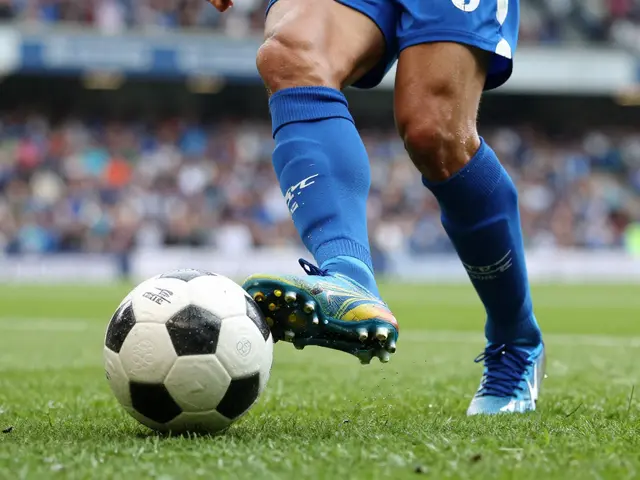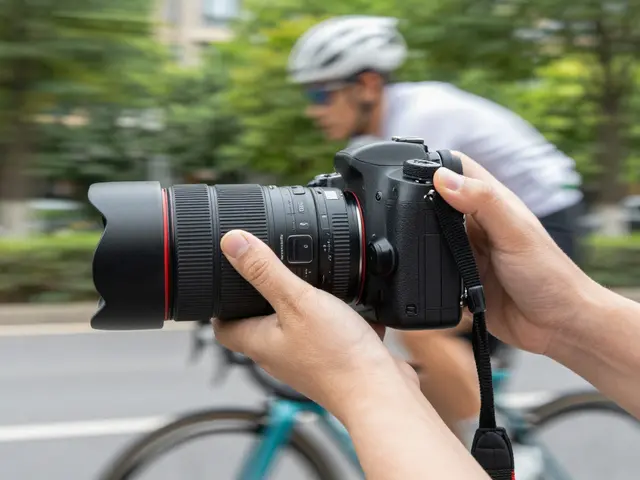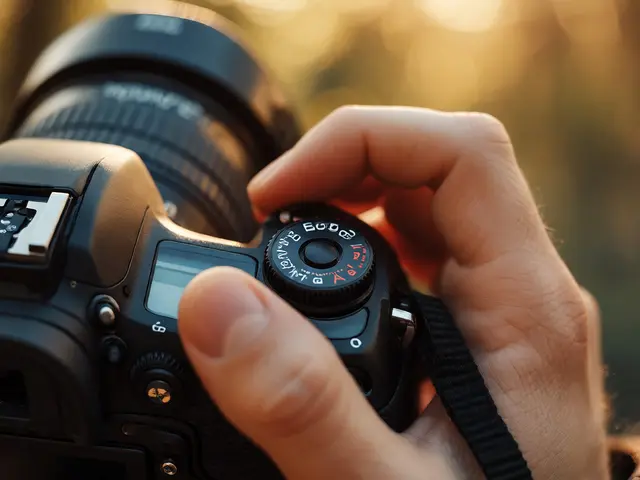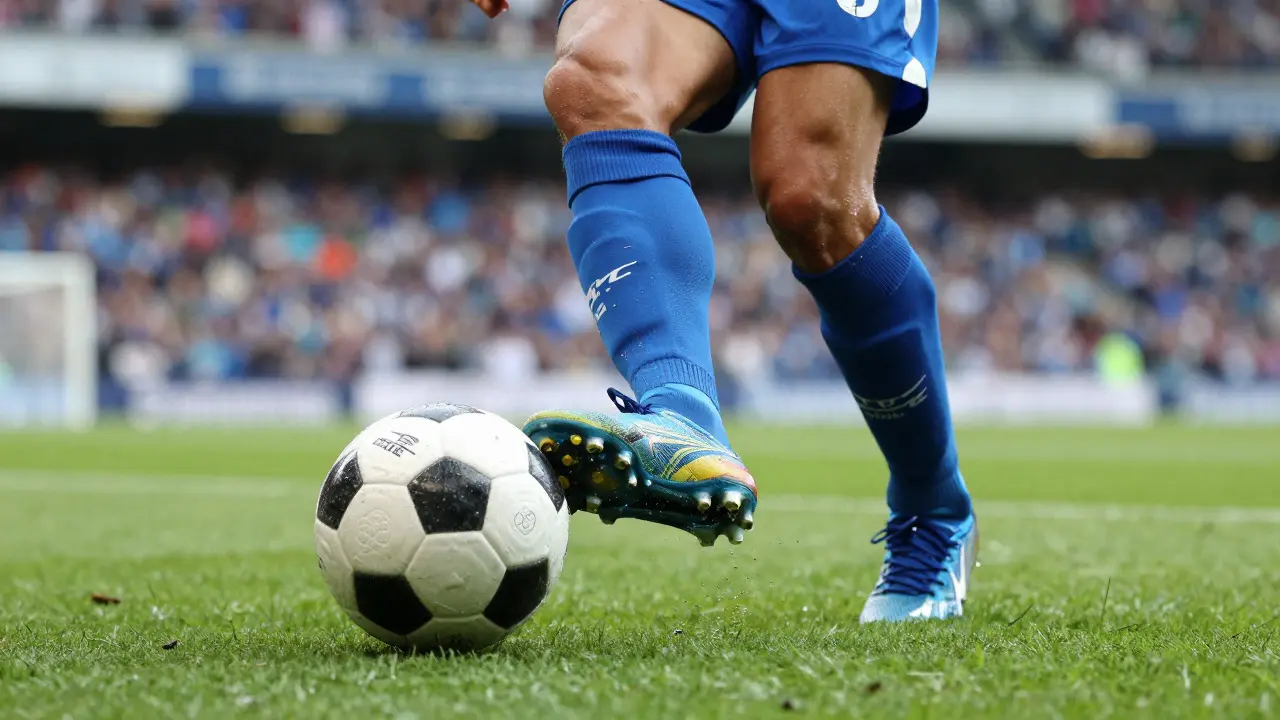
There is a specific moment in a soccer match where the striker’s foot connects with the ball. It lasts less than a tenth of a second. To the naked eye, it is a blur. But to a photographer using Burst Mode is a camera setting that captures multiple consecutive images at high speed to freeze rapid motion, it is a sequence of distinct, usable frames. This is where the magic of action sequences begins. You are not just taking a picture; you are building a narrative from fragments of time.
Most amateur shooters think they need a faster shutter speed to capture action. They crank it up to 1/4000s and wonder why their photos feel static and disconnected. The real secret lies in understanding how to use the burst rate to tell a story. A single frozen frame shows *what* happened. A sequence of frames shows *how* it happened and *why* it matters. This guide breaks down exactly how to turn raw data into compelling visual narratives.
The Physics of Motion and Frame Rate
To understand why burst frames work for storytelling, you have to look at the physics of movement. Human motion is continuous, but our cameras capture discrete moments. When you shoot at 10 frames per second (fps), you are sampling reality ten times every second. If an athlete moves significantly between those samples, you get gaps. If they move slowly relative to the frame interval, you get smooth transitions.
Consider a basketball player driving to the hoop. Their body changes position dramatically in about 0.5 seconds. At 5 fps, you might only catch two or three key poses: the start of the drive, the jump, and the landing. That is a basic clip. But at 12 fps, you capture the subtle shift in weight before the push-off, the extension of the arm during the jump, and the tension in the face upon impact. These micro-movements are what create emotional resonance in a sequence. The higher the frame rate, the more nuance you have to edit with, but also the larger your file size becomes. You need to balance detail against storage capacity and post-processing time.
Choosing the Right Burst Speed for Your Subject
Not all sports require the same shooting strategy. Different disciplines have different speeds and rhythms. Matching your burst rate to the subject's tempo is crucial for creating a coherent sequence.
- Sprinting: High velocity, linear motion. Use high burst rates (10-20 fps) to capture the stride cycle. Look for the "power phase" where legs extend fully.
- Gymnastics: Complex rotations and flips. Use medium-to-high bursts (8-12 fps). Focus on the peak of the flip and the spotter's hands.
- Swimming: Water distortion complicates things. Use high bursts (10+ fps) because water droplets obscure faces. Look for the splash pattern rather than just the swimmer.
- American Football: Sudden stops and starts. Use variable bursts. Start slow, then ramp up when contact is imminent. The collision is the climax of the sequence.
For slower-paced sports like golf or tennis serves, you don't need extreme speed, but you do need precision. A tennis serve involves a kinetic chain from the ground up. Capturing this requires a burst that covers the entire wind-up through the follow-through. Missing the initial leg lift ruins the story of the power generation.

Composition Within the Sequence
A common mistake is treating each frame in a burst as independent. Instead, think of them as chapters in a book. The first frame should establish context. The middle frames should build tension. The final frame should deliver resolution. This is known as the rule of three in sequential photography.
Let's say you are photographing a baseball batter. Frame one shows the stance, relaxed and ready. Frame two shows the swing initiating, arms rotating. Frame three shows the bat connecting with the ball. Frame four shows the follow-through and the ball flying. If you only keep frames two and three, you lose the anticipation and the result. The viewer needs to see the cause and effect. Compose your shots so that the subject remains in a consistent part of the frame across the sequence, unless the motion itself dictates a change in position. Consistency allows the eye to track the movement smoothly.
Technical Settings for Clean Bursts
Getting clean, sharp frames in a burst requires precise technical control. Autofocus is your biggest enemy here. If your camera hunts for focus during the burst, half your frames will be soft. Use Continuous Autofocus (AF-C or AI Servo) and select a single point AF area that tracks the subject's eyes or center of mass.
Exposure is equally critical. In bright daylight, you can rely on auto-exposure, but shadows can cause flickering. Lock your exposure manually if the lighting is consistent. For indoor sports, increase your ISO to maintain a fast enough shutter speed. A shutter speed of 1/1000s is often the minimum for freezing fast action without motion blur within the frame. Remember, motion blur inside a single frame is different from motion between frames. You want sharp individual frames that, when viewed together, imply motion.
| Setting | Outdoor Daylight | Indoor Arena | Night Game |
|---|---|---|---|
| Shutter Speed | 1/1000s - 1/2000s | 1/500s - 1/1000s | 1/250s - 1/500s |
| ISO Range | 100 - 400 | 1600 - 3200 | 3200 - 6400 |
| Burst Rate | 10-15 fps | 8-12 fps | 5-8 fps (due to buffer limits) |
| Focus Mode | Single Point AF-C | Zone AF-C | Zone AF-C + Tracking |
Note that buffer depth matters. Most modern DSLRs and mirrorless cameras can handle 20-50 RAW frames before the buffer fills. Once full, the camera slows down until the memory card writes the data. Plan your bursts accordingly. Don't hold the button down for ten seconds. Shoot in controlled bursts of 5-10 frames to ensure you capture the critical moment without missing it due to buffer lag.
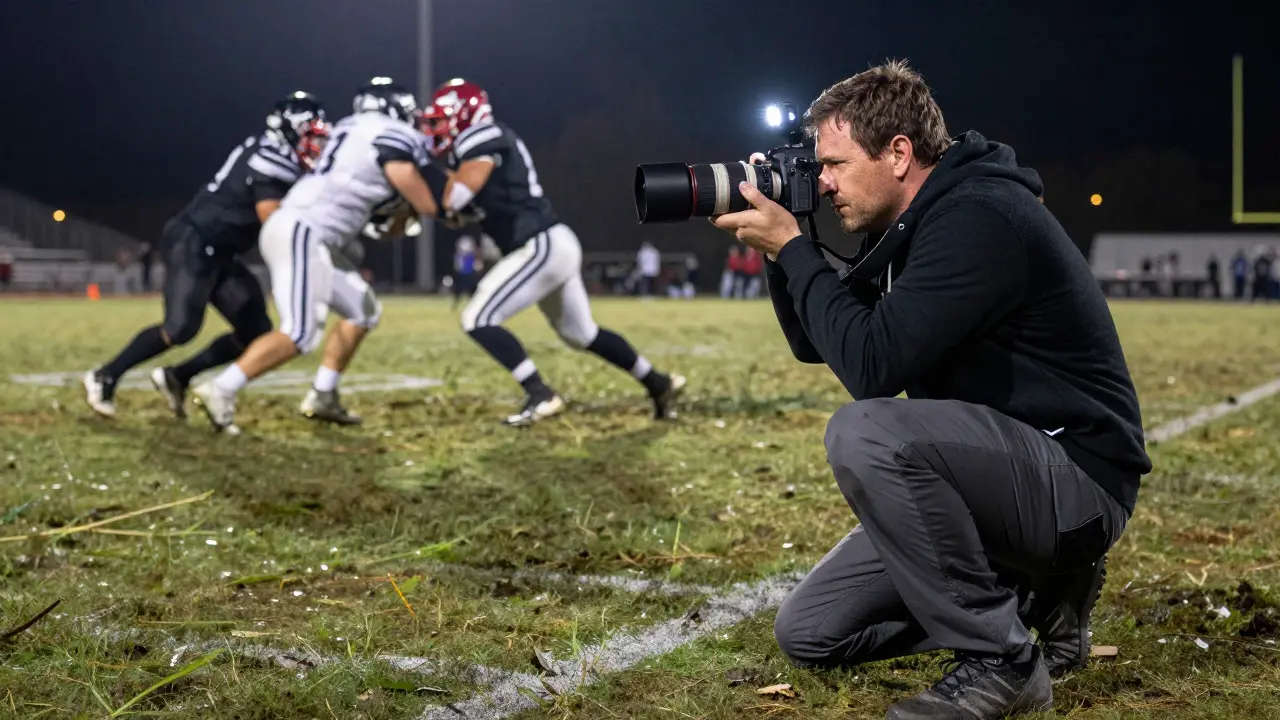
Editing the Narrative Flow
Post-processing is where the sequence comes alive. You have dozens of similar images. Your job is to cull them down to the essential few. Start by deleting any blurry frames, closed eyes, or awkward angles. Then, arrange the remaining frames in chronological order. Look for the "peak action" frame. This is usually the one with the most dynamic pose or the clearest expression. Place this in the center of your selection if you are making a triptych or a grid.
Color grading should be consistent across all frames in the sequence. If one frame looks warmer than another, it breaks the illusion of continuity. Use the same white balance and contrast settings for the entire set. Crop carefully to remove distractions, but leave enough negative space to show the direction of movement. If the athlete is moving left to right, give them more space on the right side of the frame. This leads the viewer's eye in the correct direction.
Common Pitfalls to Avoid
Even experienced photographers make mistakes with burst mode. Here are the most common ones and how to fix them.
- Over-shooting: Firing off 50 frames when 10 would suffice. This wastes card space and editing time. Be intentional. Watch the action, anticipate the peak, and shoot a focused burst.
- Ignoring the Buffer: Holding the shutter down too long. Learn your camera's buffer limit. Practice counting frames while shooting to stay within safe limits.
- Inconsistent Framing: Letting the subject drift out of frame. Use panning techniques or pre-focus zones to keep the subject centered throughout the sequence.
- Missing the Context: Focusing so tightly on the action that you miss the environment. Include some wider frames in your sequence to show where the action is taking place.
Finally, don't forget the sound of the crowd. While photos are silent, the energy of the event is palpable. Capture the reactions of the coaches, the fans, or the opponents in the background. These secondary elements add depth to the primary action sequence.
What is the ideal burst rate for capturing fast sports?
For very fast sports like sprinting or tennis, aim for 10-15 frames per second. For slower or more complex movements like gymnastics or swimming, 8-12 fps is usually sufficient. The key is matching the rate to the speed of the subject's motion to ensure smooth transitions between frames.
How many frames do I need to tell a complete story?
A minimum of three frames is needed to establish a beginning, middle, and end. However, five to seven frames allow for more nuanced storytelling, capturing subtle shifts in posture and expression. More than ten frames can become overwhelming for the viewer unless presented as a video-like slideshow.
Does burst mode affect image quality?
Generally, no. Each frame in a burst is captured with the same sensor settings as a single shot. However, if your camera's buffer fills up, the write speed to the memory card can sometimes introduce slight processing delays, but the actual image quality remains consistent. Ensure you use a high-speed SD card to minimize any potential lag.
Can I use burst mode for slow-motion effects?
Yes, but with limitations. Photo burst modes typically capture still images at 5-20 fps. True slow-motion video requires 60-120 fps or higher. However, a well-edited photo sequence can mimic the feeling of slow motion by showing distinct steps in a fast action, allowing the viewer to appreciate details that would be missed in real-time.
What lens focal length is best for action sequences?
Telephoto lenses (70-200mm or longer) are standard for sports photography as they allow you to compress distance and isolate the subject. For sequences, a constant aperture lens is preferable to maintain consistent depth of field and exposure across the burst. Zoom flexibility helps you adjust framing quickly without changing lenses mid-action.