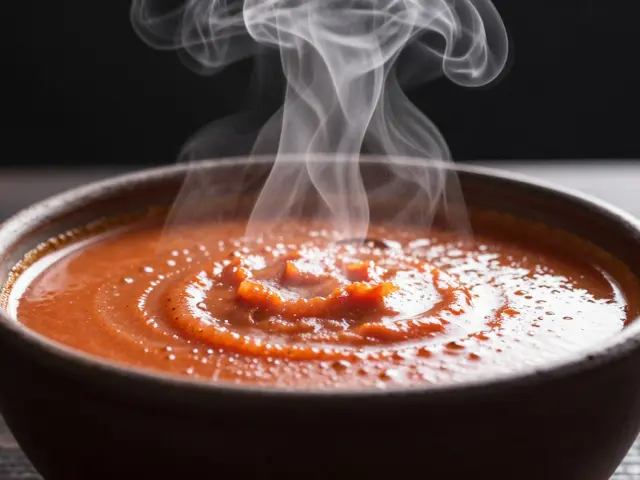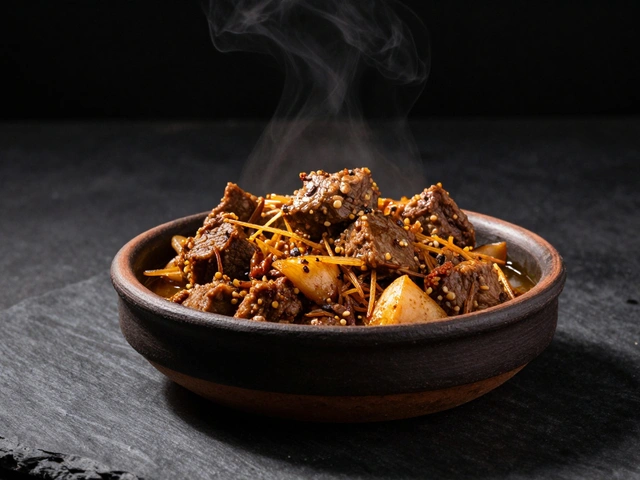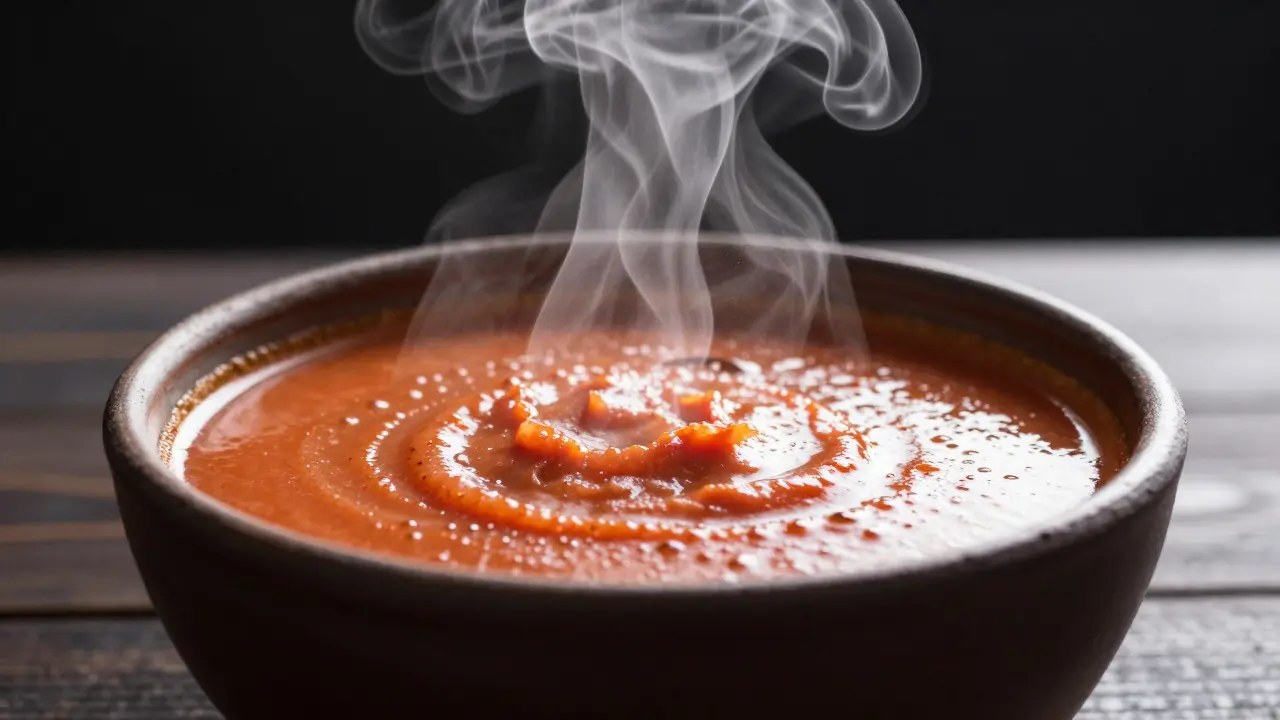
There is a specific magic to seeing steam rise from a bowl of soup or a plate of fresh pasta. It tells the viewer the food is hot, inviting, and ready to eat. But creating that effect without ruining your setup or burning down the studio is a different story. Many photographers rely on dry ice or open flames, which are risky and messy. You can achieve realistic, long-lasting vapor using safer, more controllable methods that keep your gear protected and your images crisp.
Understanding the Physics of Visible Steam
True steam, the water vapor produced by boiling, is actually invisible. What we perceive as "steam" in food photography is usually condensation-tiny water droplets formed when hot air meets cooler ambient air. To create this effect, you need two things: a source of heat and a temperature differential. If the room is too warm, the vapor dissipates instantly. If the light hits the vapor at the wrong angle, it disappears entirely. Understanding this helps you choose the right tool for the job rather than just spraying water into the air and hoping for the best.
The Dry Ice Method: Impact and Caution
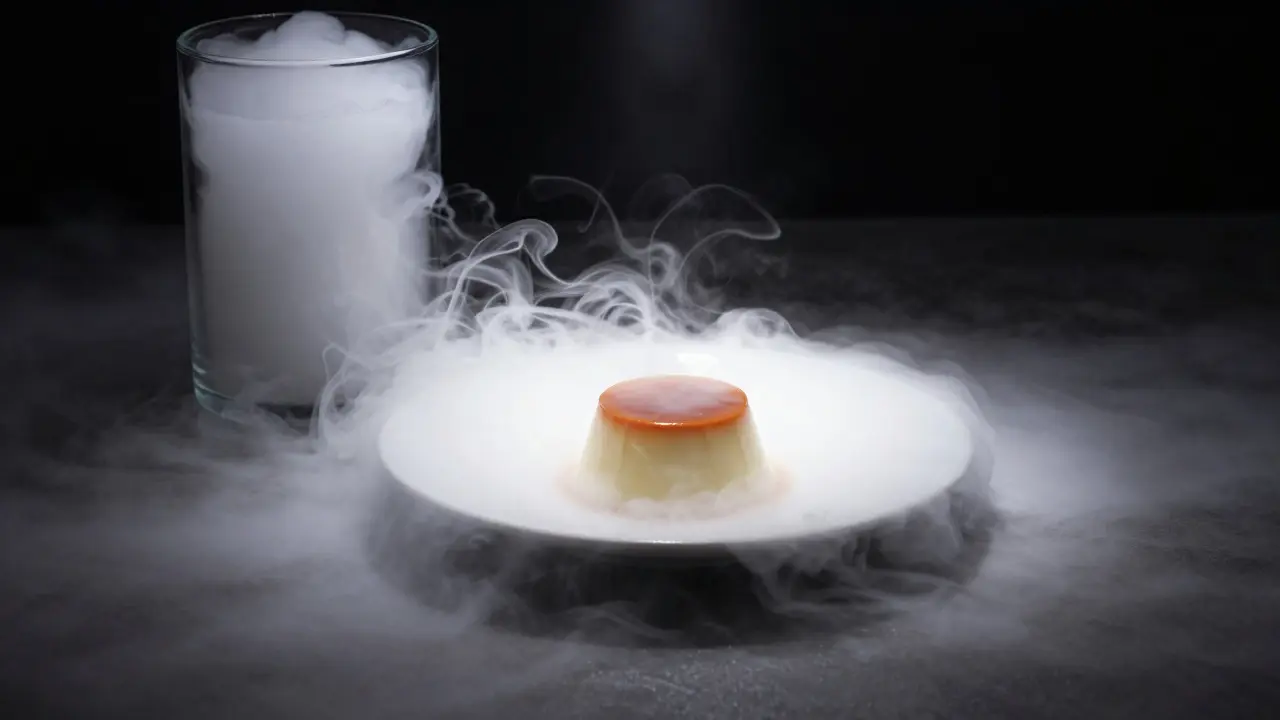
Dry ice is solid carbon dioxide that sublimates directly into gas at -78.5 degrees Fahrenheit. When placed in warm water, it creates a dense, low-lying fog that hugs the surface of the dish. This is perfect for desserts like panna cotta or cold soups where you want a dramatic, theatrical look. However, dry ice is dangerous if mishandled. It can shatter glass bowls if they aren't tempered, and the cold temperature can cause condensation on your camera lens if you get too close. Always use tongs to handle dry ice, never bare hands, and ensure the container is vented to prevent pressure buildup.
Using a Miniature Steam Generator
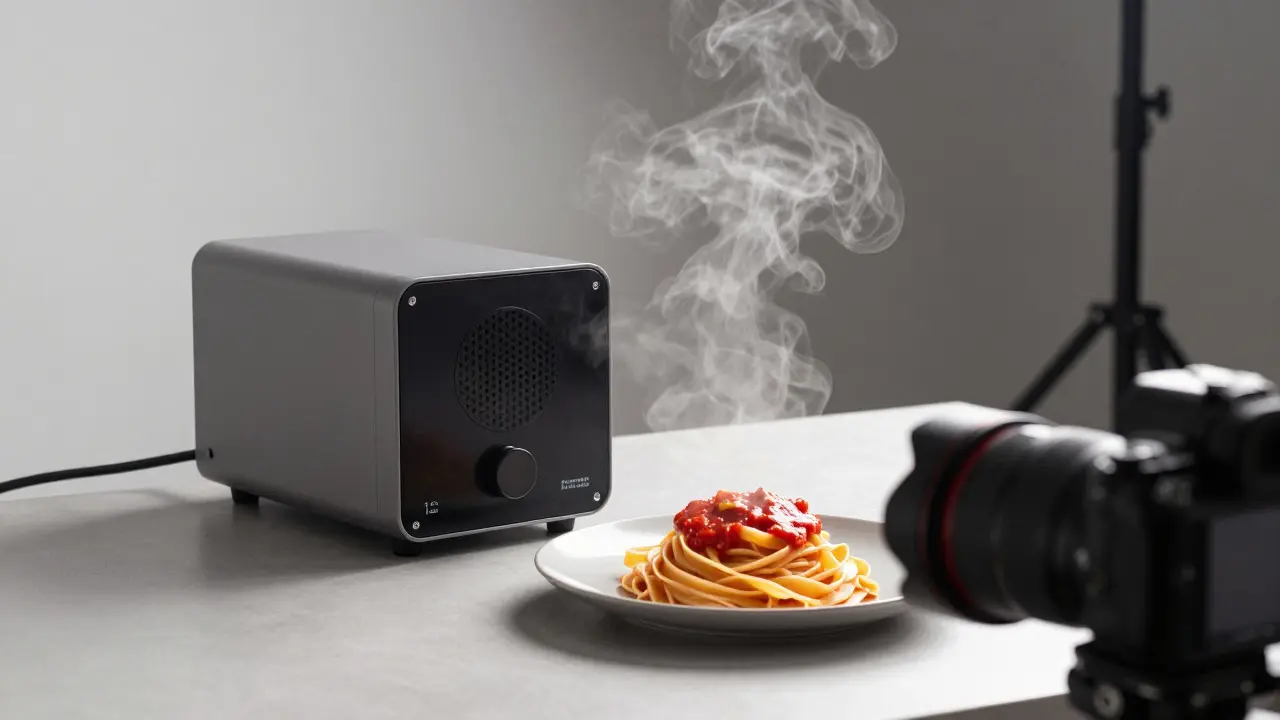
For a more subtle, natural look, a small electric steam generator is often superior to dry ice. These devices heat water to produce fine mist that rises vertically, mimicking the behavior of real boiling liquid. They are quieter and don’t require constant replenishment like a kettle might. The key here is control. Most professional-grade mini generators allow you to adjust the output volume. Start with a low setting; too much mist will obscure the food details. Position the nozzle so the steam rises from behind the main subject, allowing the backlight to illuminate the particles without blurring the focal point.
Lighting for Vapor Visibility
Vapor is only visible when light scatters off the water droplets. Front lighting makes steam nearly invisible because the light passes through the mist without reflecting back to the camera. You need side or backlighting. A simple technique is to place a strobe or continuous light source behind the food, aimed slightly downward toward the steam plume. Use a grid or snoot to control the beam width. The contrast between the dark background and the illuminated white vapor creates depth. If you are shooting in a bright studio, consider lowering the ambient light to make the steam pop without overexposing the highlights on the food itself.
Safety and Gear Protection
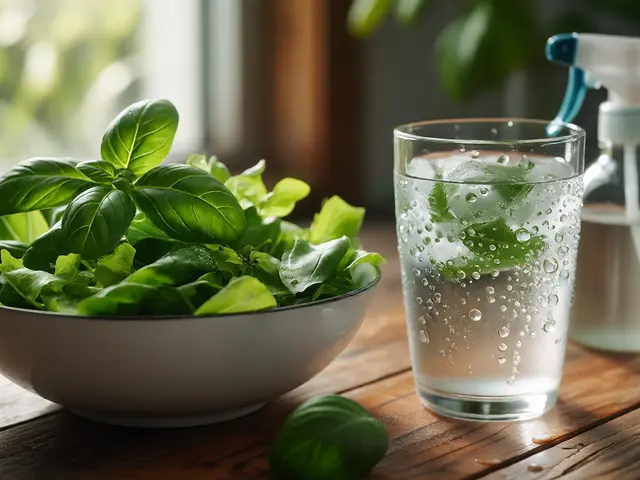
Mist is water, and water is the enemy of electronics. When using steam machines or dry ice, protect your camera body and lenses. Use a weather-sealed camera if possible, or cover non-essential parts with plastic bags secured with rubber bands. Keep your sensor away from direct moisture. For lenses, a UV filter can help prevent scratches from condensation, but be aware that heavy fog can still fog up the glass. Wipe the front element gently with a microfiber cloth before each shot. Also, watch out for slip hazards. Spilled water from steam machines can create slick floors, especially in tight studio spaces. Use non-slip mats under your equipment stands.
| Method | Visual Effect | Safety Level | Best For |
|---|---|---|---|
| Dry Ice in Water | Dense, low-lying fog | Medium (cold burns, shattering risk) | Desserts, cold dishes, dramatic shots |
| Electric Steam Generator | Vertical, fine mist | High (electrical safety only) | Pasta, soups, savory dishes |
| Kettle Whistle | Natural, intermittent plumes | Low (burn hazard, noise) | Casual, lifestyle shots |
| Smoke Machine (Glycerin) | Thick, slow-moving haze | Medium (residue, smell) | Moody, dark backgrounds |
Alternative: Glycerin Smoke Machines
If you want a thicker, slower-moving effect, a small glycerin-based smoke machine can work well. Unlike steam, which rises quickly, glycerin smoke lingers and drifts. This is ideal for moody, dark-background portraits of food. However, glycerin leaves a sticky residue if it settles on surfaces. Use a drop cloth underneath your set and clean any affected areas immediately. The smell is generally neutral, but sensitive noses may detect a faint chemical scent. Test the fluid in an empty area first to ensure it doesn’t stain your backdrop paper.
Troubleshooting Common Issues
If your steam disappears too fast, check your room temperature. Lowering the ambient temperature by even five degrees can significantly extend the life of the vapor. If the steam looks clumpy rather than smooth, your mist nozzle might be clogged or dirty. Clean it with distilled water regularly. If you see condensation on your lens, wait a few seconds after stopping the steam before taking the next shot, allowing the air to clear. Patience is key; sometimes the best frame happens in the quiet moment after the machine stops.
Frequently Asked Questions
Can I use a regular kitchen kettle for food photography?
Yes, but it’s unpredictable. Kettles produce large, turbulent bursts of steam that are hard to time with a shutter click. It works for casual lifestyle shots but lacks the consistency needed for commercial product photography. A dedicated steam generator offers better control over flow rate and duration.
How do I prevent my camera lens from fogging up?
Keep the lens warmer than the surrounding air. One trick is to keep the lens cap on until the last second before shooting. Another is to position the camera further away from the direct path of the steam. Using a longer focal length allows you to compress the scene while keeping the sensor outside the immediate humid zone.
Is dry ice safe to use near food?
Yes, provided the food is not directly touching the dry ice. The extreme cold can alter the texture of delicate foods like meringue or chocolate. Place the dry ice in a separate vessel nearby, allowing the vapor to drift onto the dish naturally. Never seal dry ice in a closed container, as it can explode due to gas expansion.
What type of water should I use in a steam generator?
Always use distilled or demineralized water. Tap water contains minerals that can build up inside the heating element of the steam machine, leading to reduced performance and potential leaks over time. Distilled water also produces a cleaner, whiter mist that photographs better against dark backgrounds.
How long does steam last in a typical studio environment?
In a standard 70-degree Fahrenheit room, visible steam lasts anywhere from 10 to 30 seconds depending on humidity and airflow. In cooler environments or with higher humidity, it can linger for over a minute. Controlling air circulation with fans turned off or directed away from the set helps preserve the effect longer.