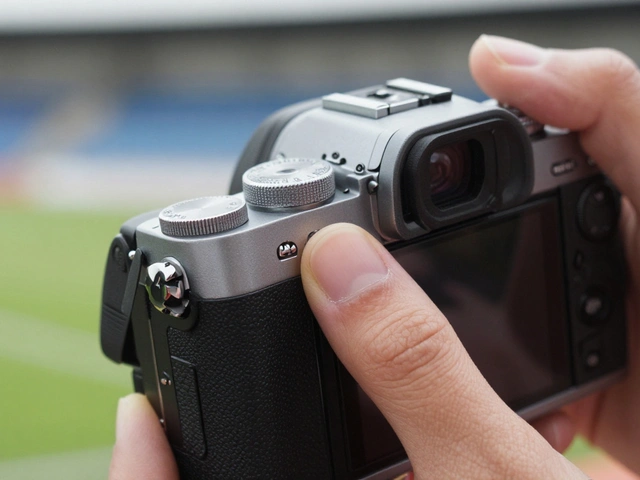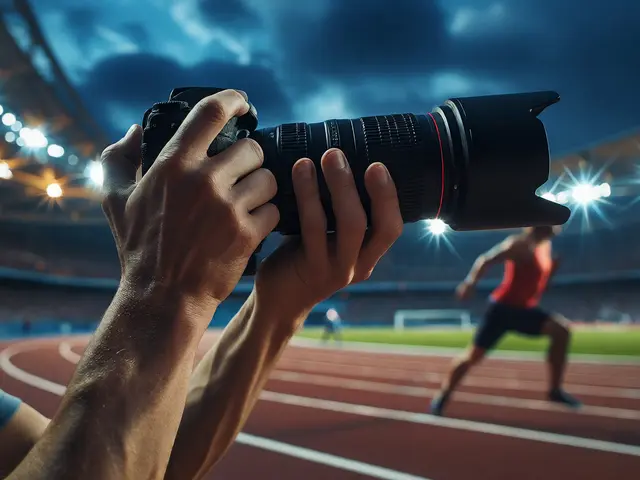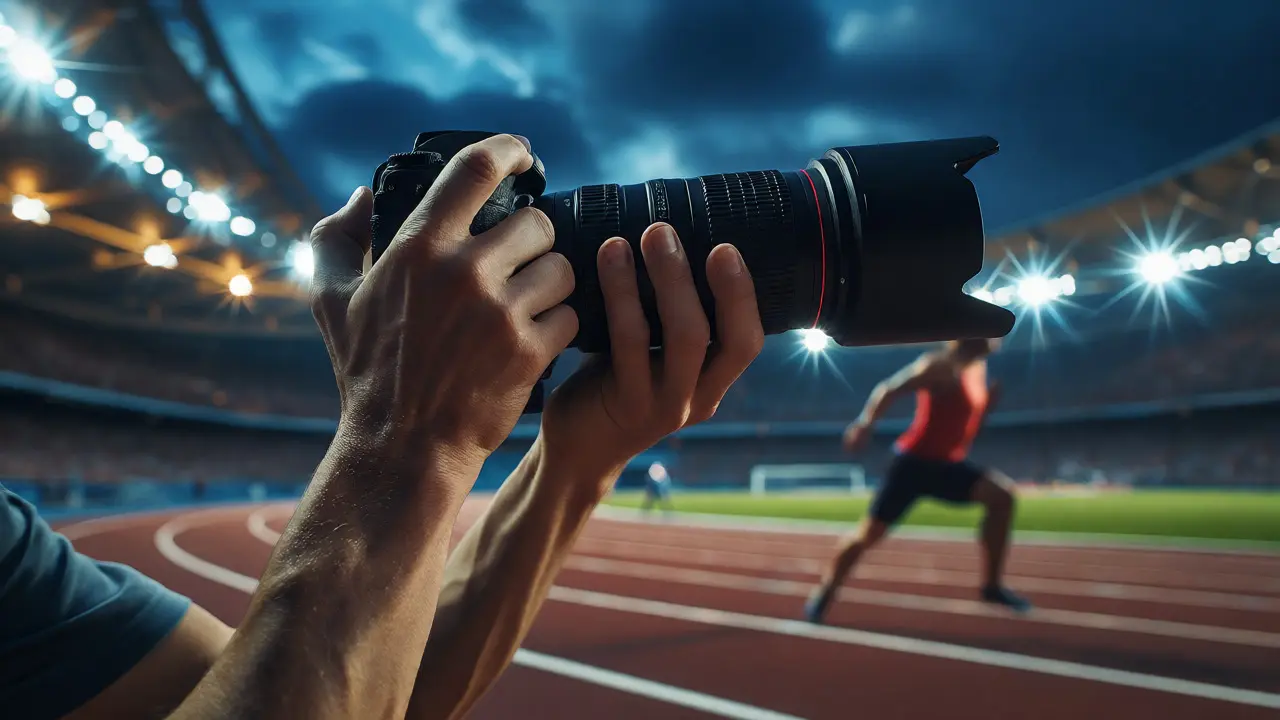
You’re tracking a sprinter coming down the final straight. Your heart is pounding, your shutter speed is set to 1/2000th of a second, and you need that shot to be razor-sharp. But your arms are shaking from holding a heavy telephoto lens for twenty minutes. This is where the debate heats up: do you grab a gimbal or a monopod? Both promise stability, but they solve different problems. Choosing wrong means missed focus, blurry images, or just plain exhaustion.
The Core Difference: Stabilization vs. Support
Let’s clear up the confusion right away. These two tools aren’t interchangeable; they serve distinct roles in your workflow. A monopod is essentially a one-legged tripod. It takes the weight off your arms and shoulders but offers zero stabilization against movement. If you shake, the image shakes. It’s a static support tool designed to reduce fatigue during long waits.
A gimbal, specifically a motorized 3-axis gimbal like those made by DJI or Zhiyun, actively counteracts motion. Its motors sense tilt, pan, and roll, correcting them instantly. While primarily built for video, modern gimbals have become powerful allies for stills photography when used correctly. They allow for smooth panning at slow shutter speeds and eliminate micro-jitters that ruin high-magnification shots.
When the Monopod Takes the Gold Medal
If you are shooting track and field, soccer, or any sport where you stand in one spot for hours, the monopod is usually king. Why? Because it’s light, fast to deploy, and doesn’t require battery management. You plant the foot, rest the camera on the head, and wait. When the action happens, you lift, shoot, and lower. The physical act of lifting the camera slightly off the monopod often helps with quick refocusing compared to locking a tripod head.
Monopods excel in situations requiring rapid vertical adjustment. Think basketball courts or gymnastics arenas where athletes move up and down significantly. Adjusting a telescoping monopod leg is faster than re-balancing a gimbal. Plus, in crowded press boxes, a monopod has a smaller footprint. You won’t trip over it, and you won’t block the view of the person behind you.
- Battery Anxiety: Zero. Never worry about dying mid-game.
- Setup Time: Seconds. Extend legs, attach plate, go.
- Weight Savings: Significant reduction in arm strain without adding electronic bulk.
Why Gimbals Are Changing the Game
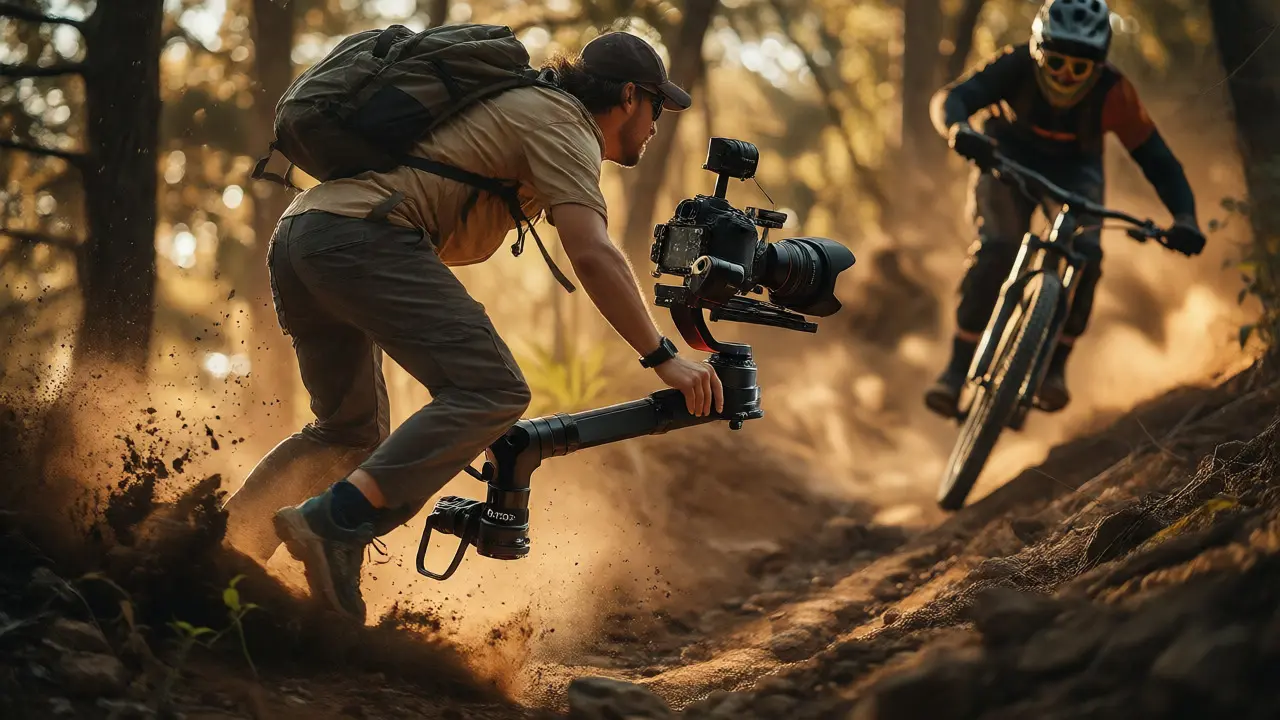
Gimbals shine when you need to move while shooting. Imagine following a cyclist on a mountain bike trail or tracking a skateboarder through a park. Handheld panning at these distances is brutal on your wrists. A gimbal smooths out the bumps and jolts of walking or running. For sports photographers, this opens up creative possibilities previously reserved for videographers.
One underrated benefit is the ability to use slower shutter speeds for artistic effect. Normally, shooting at 1/60th of a second with a 400mm lens handheld is a gamble. With a gimbal, you can nail sharp backgrounds while letting the subject blur slightly, creating a sense of speed. This technique, known as panning, becomes much more consistent with active stabilization.
However, there is a catch. Gimbals add weight. A typical setup includes the gimbal itself (often 1-2 lbs), a battery grip, and sometimes an external monitor. Combined with a large telephoto lens, your rig can easily exceed 15 pounds. Holding that for an entire football game requires serious core strength. Also, balancing a heavy zoom lens on a gimbal takes practice. If the center of gravity is off, the motors will struggle, drain batteries quickly, and potentially fail to stabilize.
Practical Comparison: Specs and Scenarios
To help you decide, let’s look at how these tools stack up in real-world conditions. We’re comparing a standard carbon fiber monopod (like a Manfrotto) against a popular mirrorless-camera-compatible gimbal (like a DJI RS 3 Pro).
| Feature | Monopod | Motorized Gimbal |
|---|---|---|
| Primary Function | Weight support & height adjustment | Motion stabilization & smooth panning |
| Weight Added | Low (1-3 lbs) | High (3-6 lbs + batteries) |
| Setup Speed | Instant | Slow (requires balancing) |
| Best For | Static sports (Track, Field, Football sidelines) | Moving subjects (Cycling, Skateboarding, Surfing) |
| Learning Curve | Minimal | Moderate to Steep |
| Cost | $50 - $300 | $400 - $800+ |
The Hybrid Approach: Using Both
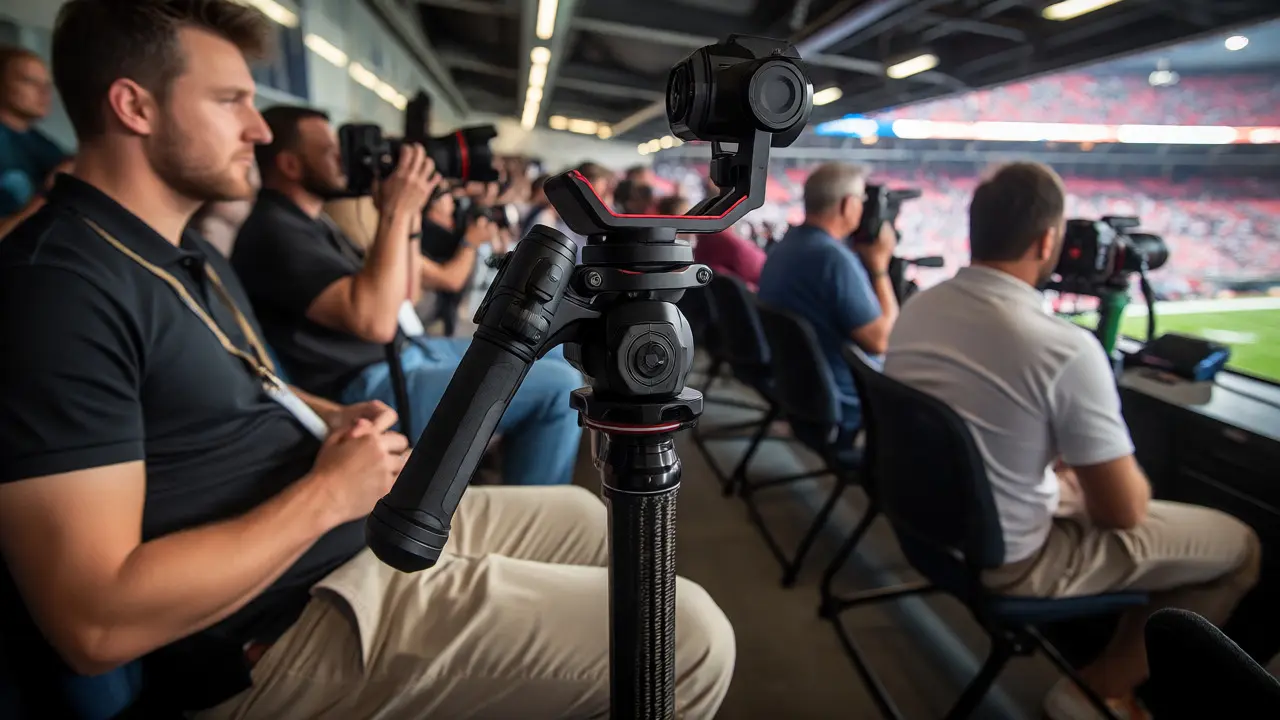
Here’s a pro tip many beginners miss: you don’t always have to choose one. Some photographers mount their gimbal onto a monopod. Yes, really. By attaching the gimbal handle to a sturdy monopod, you get the best of both worlds. The monopod handles the static weight and allows you to sit or lean comfortably. When the action starts, you simply lift the assembly off the ground. The gimbal continues to stabilize the motion as you pan, while the monopod provides a stable base when you need to lock onto a stationary target.
This hybrid method is particularly effective for wildlife sports or long-distance running events where you might spend ten minutes waiting for one moment of action. You save energy by resting the rig, but you retain the smooth panning capabilities when the runner enters the frame. Just ensure your monopod has a strong enough load rating to support the combined weight of the camera, lens, and gimbal.
Pitfalls to Avoid
Don’t underestimate the learning curve of gimbals. Many sports shooters buy a gimbal, try it once, find it awkward, and leave it in a drawer. The key is pre-shoot calibration. Always balance your gear before leaving home. Check your motor torque settings; too low, and it won’t hold heavy lenses; too high, and it vibrates. Use the “Sport Mode” or “FPV Mode” on your gimbal for faster response times when tracking erratic movements like tennis serves or baseball swings.
With monopods, the common mistake is poor footing. On grass or turf, metal spikes are essential. On concrete, rubber feet prevent slipping. Also, avoid using a flimsy ball head on a monopod if you plan to do quick pans. A fluid head or a simple friction-controlled pan bar makes a massive difference in tracking accuracy.
Final Verdict: Who Should Buy What?
If you shoot mostly static events like soccer matches, baseball games, or track meets, stick with a high-quality monopod. It’s cheaper, lighter, and lets you focus entirely on composition and timing. Save your money for better glass or a faster body.
If you chase dynamic sports like BMX, skateboarding, surfing, or motocross, invest in a gimbal. The ability to move smoothly alongside the athlete creates images that feel immersive and energetic. For the versatile shooter who does both, consider starting with a monopod. Once you’ve mastered static shooting, add a gimbal to your kit for specific assignments where movement is part of the story.
Can I use a gimbal for still photography?
Yes, absolutely. While gimbals are marketed for video, they are excellent for stills. They provide superior stabilization for panning shots and allow you to use slower shutter speeds handheld. Most modern gimbals have dedicated photo modes that lock the axes for steady framing.
Is a monopod better than a tripod for sports?
Generally, yes. Tripods are bulky and take time to set up and tear down. In sports, you often need to shift position quickly or stand for long periods. A monopod offers the height and weight relief of a tripod but remains portable and agile enough to follow play along a sideline.
Do gimbals drain camera batteries?
Not directly, but they add complexity. The gimbal has its own battery pack. However, some gimbals can charge the camera via USB-C, which might extend your shooting time. Be aware that keeping the gimbal powered on consumes energy, so carry spare batteries for both the camera and the gimbal.
Which is heavier to carry all day?
A gimbal setup is significantly heavier. Adding a gimbal to a camera and lens adds roughly 2-4 pounds. Over a full day of shooting, this extra weight leads to faster fatigue. A monopod adds minimal weight and actually reduces overall fatigue by supporting the camera's weight when not actively shooting.
Can I use a monopod with a gimbal?
Yes, this is a popular hybrid technique. You mount the gimbal handle into the socket of a monopod. This allows you to rest the rig on the ground or a surface when waiting for action, then lift it for stabilized shooting. Ensure your monopod supports the total combined weight.