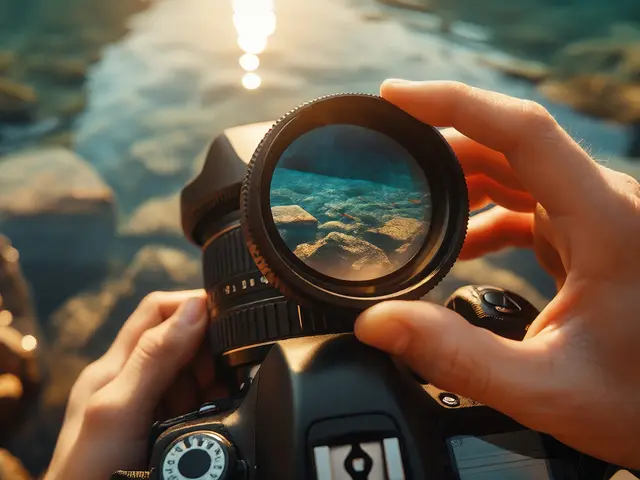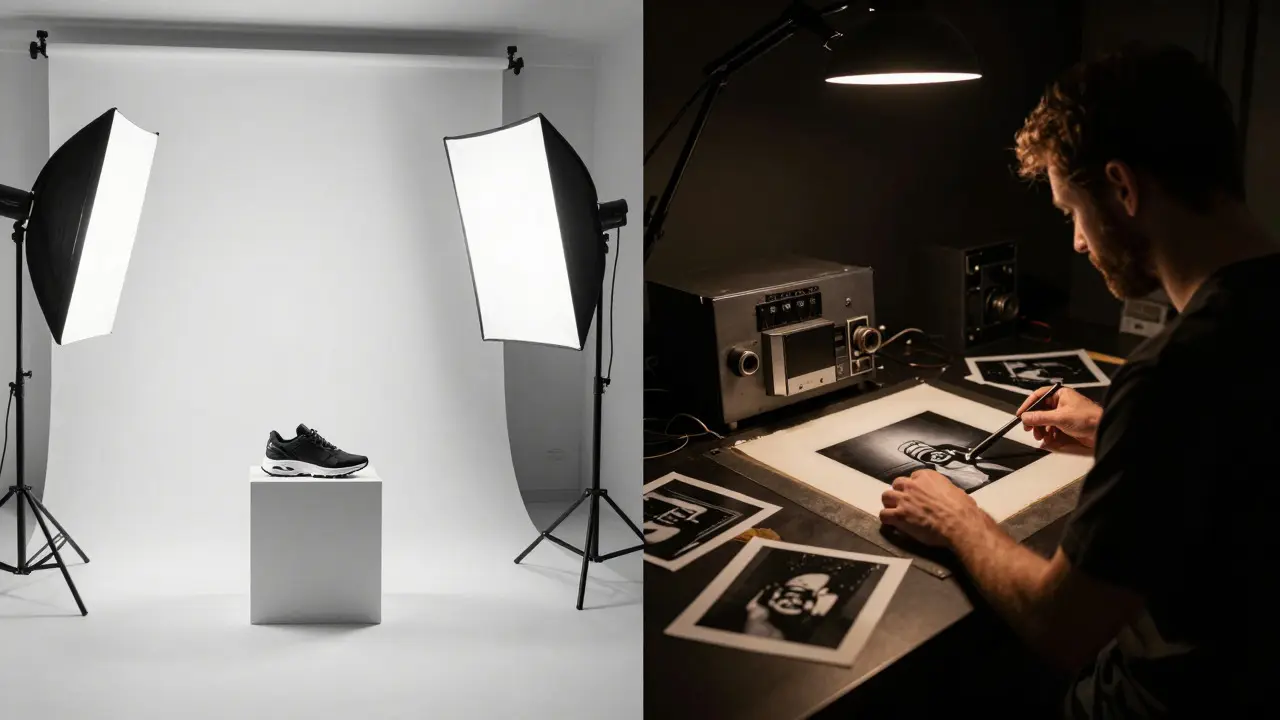
There is a persistent myth that Fine Art Photography is "real" art and Commercial Photography is just a job. It’s a false dichotomy that does a disservice to both sides of the lens. The truth? Both are powerful forms of visual communication, but they operate on different fuel tanks, answer to different masters, and serve distinct purposes in our cultural landscape.
When you look at a photograph, your brain instantly categorizes it based on context. Is this image trying to sell you a pair of sneakers, or is it trying to make you feel a sense of existential dread? That split-second recognition reveals the fundamental divide between these two disciplines. Understanding this divide isn't just academic; it helps photographers navigate their careers, helps clients brief their projects accurately, and helps viewers appreciate the craft behind the click.
The Core Difference: Intent and Ownership
At its heart, the difference comes down to who owns the final say. In commercial photography involves creating images to promote a product, service, or brand identity, the client is the boss. If Nike wants the shoes to look fast, they look fast. If a real estate agent wants the kitchen to look bright and spacious, the photographer adjusts the white balance and angles until it does. The goal is clarity, appeal, and conversion.
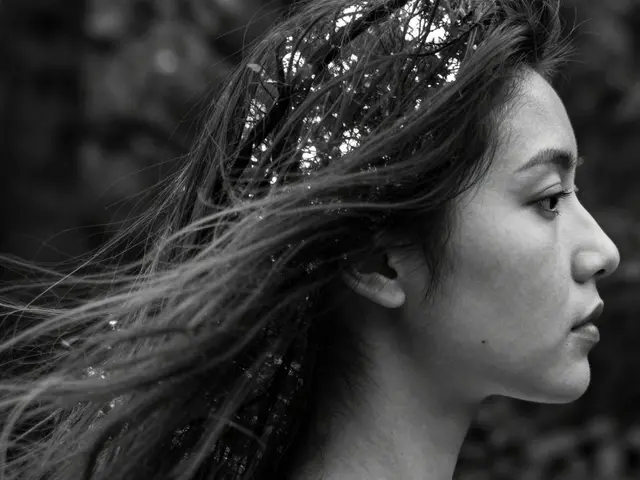
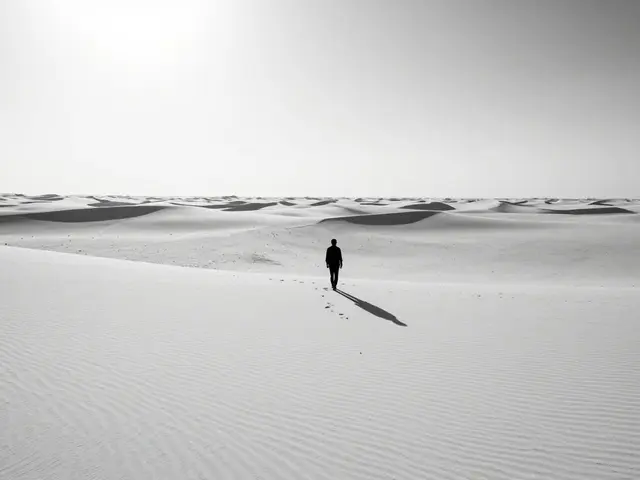
In contrast, fine art photography is a personal expression where the artist controls every aspect of the creative process. Here, the photographer is the author. There is no client brief telling you to make the subject smile more. Instead, you are driven by a personal vision, a narrative, or an emotional impulse. The image exists to communicate something about the world, the self, or the medium itself. You might shoot a series of abandoned buildings not because a developer wants to sell them, but because you find beauty in decay.
| Attribute | Fine Art Photography | Commercial Photography |
|---|---|---|
| Primary Goal | Emotional resonance, conceptual exploration | Sales, marketing, brand awareness |
| Creative Control | 100% with the photographer | Shared with client/agency |
| Success Metric | Critical acclaim, gallery sales, awards | Roi, clicks, conversions, brand lift |
| Lifespan | Long-term (often timeless) | Short-term (tied to product cycles) |
| Editing Style | Subjective, often heavy manipulation allowed | Objective, must reflect reality accurately |
The Role of the Viewer
How does the audience engage with each type? When you see a commercial ad for a luxury watch, you aren’t expected to spend twenty minutes analyzing the shadow play on the dial. You are meant to register the brand, admire the craftsmanship, and perhaps desire ownership. The image is a tool for persuasion. It uses established visual codes-clean lines, high contrast, perfect lighting-to signal quality and status quickly.
Fine art works differently. It invites you to slow down. A fine art portrait might be underexposed, grainy, or composed in a way that feels slightly off-balance. This isn’t a mistake; it’s a choice designed to evoke a specific mood. The viewer becomes a participant in the meaning-making process. You bring your own experiences and emotions to the image, completing the circuit. This ambiguity is a feature, not a bug. It keeps the image alive long after the initial glance.
Technical Constraints vs. Creative Freedom
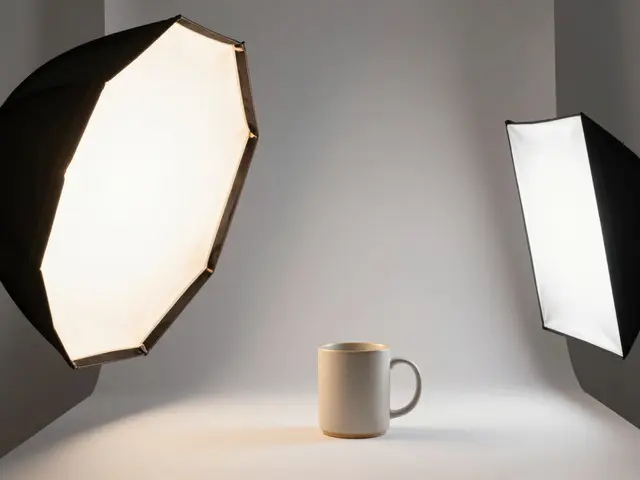
People often assume fine artists have more freedom, which is true in terms of *what* they shoot, but commercial work has its own unique technical challenges. Commercial photography requires precision. If you’re shooting for a car magazine, the reflection on the hood must be perfect. One smudge, one uneven light source, and the shot is unusable. This demands rigorous planning, expensive equipment, and often a large crew of assistants, stylists, and retouchers.
Fine art allows for experimentation. You can use obsolete film stocks, shoot with broken cameras, or print on non-traditional materials like wood or metal. The constraint here is usually budget or time, rather than technical perfection. However, this freedom can be paralyzing. Without a client’s deadline, many fine art projects stall in the planning phase. The lack of external structure means the photographer must provide their own discipline and momentum.
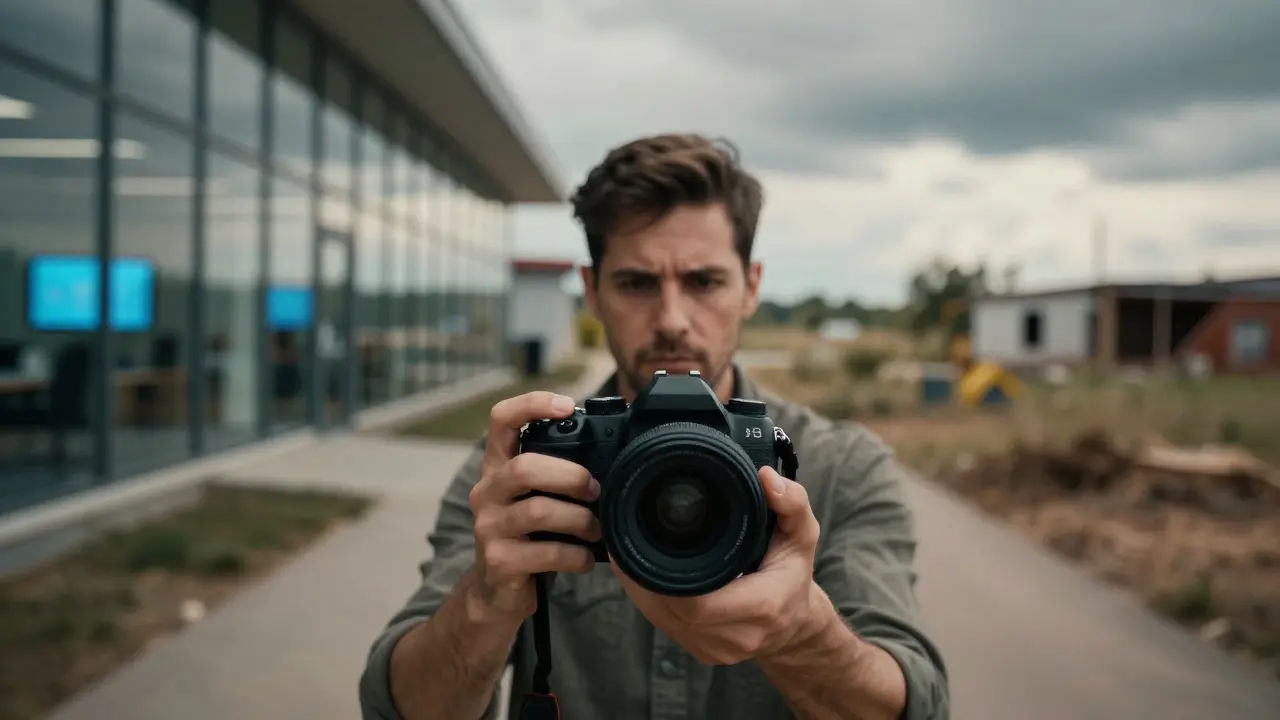
Economic Realities and Career Paths
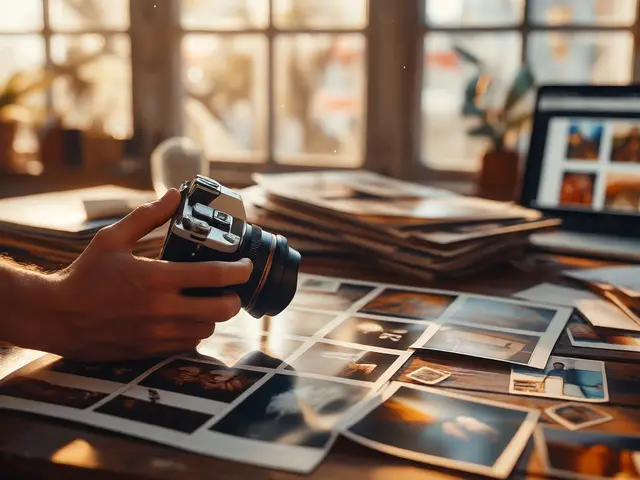
Let’s talk money, because it’s the elephant in the room. Commercial photography is generally more lucrative, especially as you move up the ladder. High-end fashion, automotive, and corporate campaigns pay premium rates because they require specialized skills and deliver tangible business results. But the work is project-based. You feast or you famine. Between contracts, you’re hunting for the next gig.
Fine art photography is harder to monetize directly. Selling prints is a niche market, and grants are competitive. Many fine art photographers supplement their income with teaching, workshops, or even taking commercial jobs to fund their personal work. This hybrid approach is common and perfectly valid. Some of the most respected names in photography history, like Annie Leibovitz or Steve McCurry, seamlessly blend both worlds. Their commercial fame funds their artistic exploration, and their artistic depth elevates their commercial work.
The Blurring Lines: Where Do They Meet?
The boundary between fine art and commercial photography is increasingly porous. Brands now hire artists known for their distinctive aesthetic to create campaigns that feel less like ads and more like cultural statements. Think of how Apple markets its products-not with specs, but with lifestyle imagery that feels cinematic and aspirational. These images blur the line. Are they selling a phone, or are they selling a worldview? Probably both.
This trend is forcing photographers to adapt. To succeed in today’s market, you need a strong personal voice (fine art sensibility) and the ability to execute complex briefs (commercial skill). The most successful photographers are those who can toggle between these modes. They know when to follow the client’s lead and when to push back with a creative idea that enhances the brand’s message.

Choosing Your Path
So, which path should you take? It depends on what drives you. If you thrive on problem-solving, tight deadlines, and clear goals, commercial photography might be your sweet spot. You get immediate feedback and a sense of accomplishment when a campaign launches successfully. If you are driven by curiosity, emotion, and the desire to leave a legacy, fine art calls to you. You are okay with slower validation and deeper engagement with your subject matter.
Many photographers start in one lane and drift into the other. Perhaps you begin with wedding photography (commercial) and start incorporating more candid, documentary-style shots (leaning toward fine art). Or maybe you start with abstract personal projects and realize you want to apply that aesthetic to brand storytelling. There is no wrong path. The key is to understand the rules of each game so you can play them intentionally.
Frequently Asked Questions
Can a photo be both fine art and commercial?
Yes, absolutely. Many high-profile campaigns use images that have strong artistic merit while serving a commercial purpose. The distinction often lies in the intent and the contract. If the primary goal is to sell a product, it’s commercial, even if the execution is highly artistic. If the primary goal is to express an idea, it’s fine art, even if it ends up being sold in a store.
Which type of photography is easier to break into?
Commercial photography is often easier to enter because there is a steady demand for services. You can start by offering local businesses, events, or portraits. Fine art photography is harder to break into financially because you need to build a reputation and network within galleries and the art community before seeing significant returns.
Does fine art photography require expensive gear?
Not necessarily. While professional gear helps, fine art values concept and execution over equipment. Many famous fine art photographers have used vintage lenses, disposable cameras, or even smartphones. The story matters more than the sensor size. In commercial work, however, high-end gear is often required to meet strict technical specifications.
How do I price my fine art prints?
Pricing fine art is subjective. Common methods include charging per square inch, setting fixed prices for editions, or using a sliding scale based on size. You should also factor in the cost of printing, framing, shipping, and your time. Research similar artists’ pricing to ensure you are competitive yet fair to your value.
Is editing considered cheating in fine art?
No. Editing is part of the creative process in fine art. From choosing the paper stock to digital manipulation in Photoshop, every decision contributes to the final image. As long as the edits support your artistic vision, they are valid. In commercial photography, editing is also crucial, but it must adhere to client guidelines regarding accuracy and style.