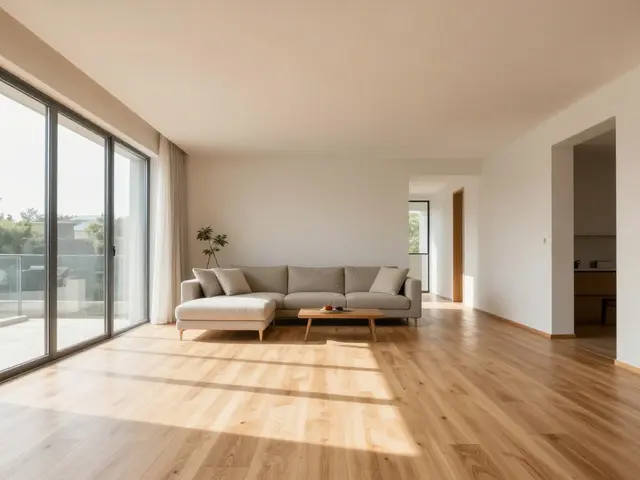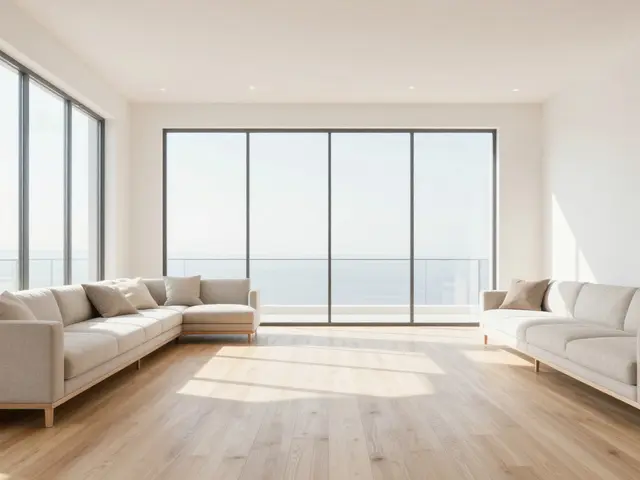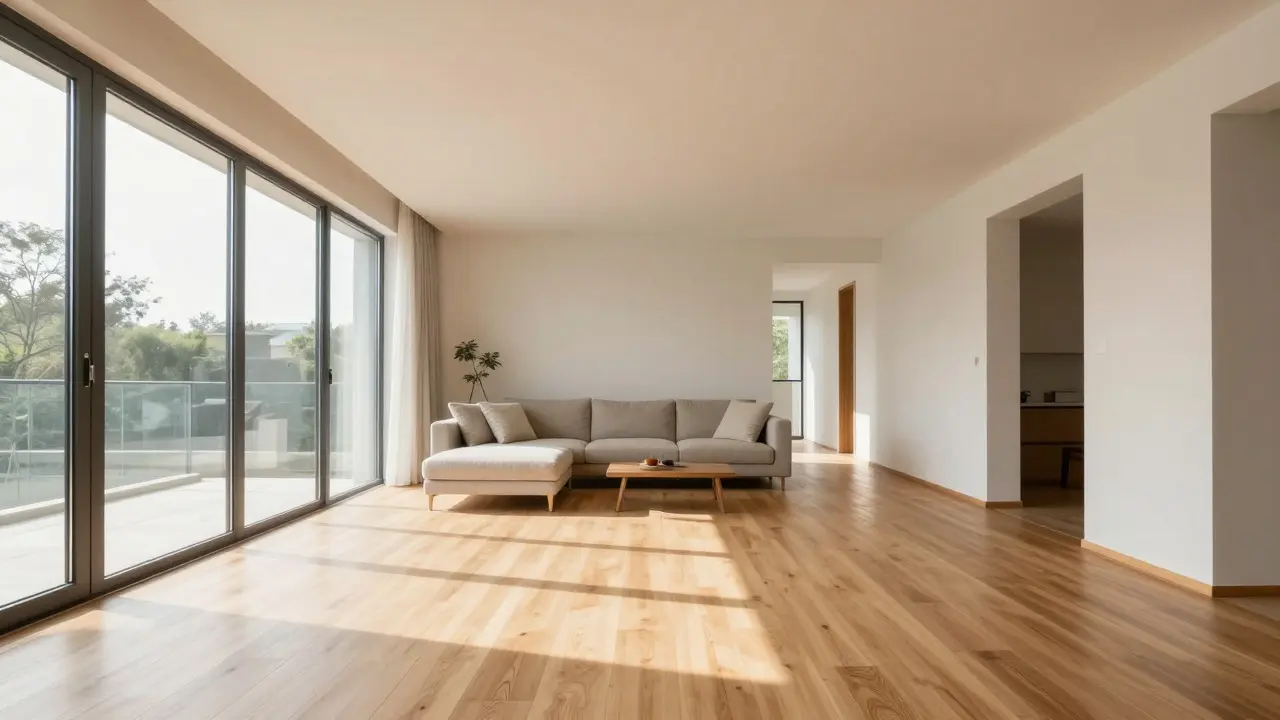
Imagine standing in a living room you haven't visited yet. You can turn your head to look at the window, check the ceiling height, and see how the light hits the floorboards at noon. This isn't science fiction; it's what Virtual Tours is an interactive digital experience that allows users to explore a physical space remotely using 360-degree imagery or 3D models. For buyers, this shifts the power dynamic. They aren't just looking at a flat image; they are virtually walking through the home before they ever put on their shoes.
Static photos have served real estate for decades, but they have limits. A photo captures a single moment from a single angle. It hides the depth of a room, the quality of the light, and the flow between spaces. In a competitive market, where buyers scroll through hundreds of listings on their phones, static images often fail to hold attention long enough to spark genuine interest. Virtual tours solve this by providing context and scale that two-dimensional pictures simply cannot convey.
The Limitations of Traditional Real Estate Photos
Let’s be honest: most real estate photos are good, but few are great. They follow a strict formula. Wide-angle lens, low angle, bright lights, decluttered surfaces. While this technique works, it creates a homogenized visual language. Every house looks similar because every photo uses the same tricks. When a buyer sees another wide-angle shot of a kitchen, their brain starts to tune out.
The biggest issue with static photos is the loss of spatial awareness. A photo of a bedroom might look spacious, but without seeing the connection to the hallway or the bathroom, it’s hard to judge if the layout actually works for daily life. Buyers often end up visiting homes only to find that the "spacious" master suite feels cramped because the door swings into the closet. Virtual tours eliminate this guesswork by showing the full geometry of the space.
How 360 Photography Changes the Buyer Experience
360 Photography is a capture method that records an entire spherical view of a scene, allowing viewers to pan around in all directions. Unlike a standard photo, which is a slice of reality, a 360 image is a complete environment. When implemented correctly, it transforms a listing from a brochure into a destination.
Here is why this matters for conversion rates:
- Increased Dwell Time: Buyers spend significantly more time interacting with a virtual tour than scrolling through a photo gallery. This engagement signals intent to sellers.
- Reduced Phantom Visits: Because the tour shows the true layout, fewer buyers show up to view properties that don’t match their expectations.
- Emotional Connection: Moving through a space digitally triggers a sense of presence. It helps buyers imagine themselves living there, not just looking at it.
In Portland, Oregon, where weather can sometimes keep people indoors, having a high-quality virtual tour means potential buyers can fall in love with a home during a rainy Tuesday afternoon. They can sit on their couch, click through the rooms, and decide if the vibe matches their lifestyle before committing to a car ride across town.
Choosing Between Matterport and Photogrammetry
Not all virtual tours are created equal. There are two main technologies used to build them: LiDAR-based scanning (like Matterport) and photogrammetry. Understanding the difference helps you choose the right tool for your property type.
| Feature | Matterport (LiDAR) | Photogrammetry |
|---|---|---|
| Capture Method | Laser scanning + camera | Hundreds of overlapping photos |
| Processing Time | Fast (minutes to hours) | Slow (hours to days) |
| Best For | Residential interiors, quick listings | Exteriors, large commercial spaces |
| Cost | Mid-range subscription | Variable (software + hardware) |
| Accuracy | High for walls/floor plans | High for detailed textures |
Matterport is a leading platform for creating interactive 3D floor plans and virtual tours using laser scanning technology. It’s the industry standard for residential real estate because it’s fast and user-friendly. You walk through the house, take snapshots, and the software stitches them together into a navigable model. It also generates accurate floor plans automatically, which is a huge selling point for agents who need to update MLS listings quickly.
On the other hand, photogrammetry involves taking many photos from different angles and using software to calculate the 3D shape. This method offers incredible detail, making it ideal for showcasing architectural features or exterior landscaping. However, it requires more technical skill and processing power. For most residential listings, Matterport strikes the best balance between speed, cost, and quality.
Technical Tips for Capturing High-Quality 360 Images
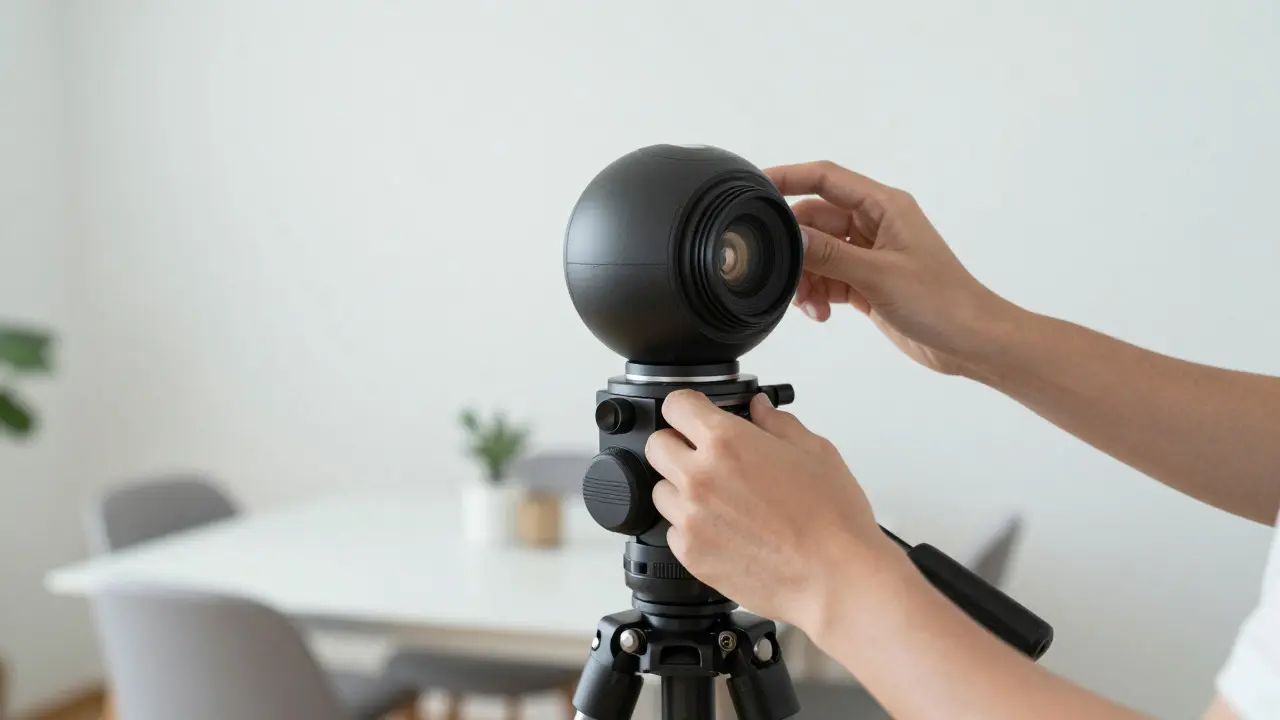
Even with the best software, bad input leads to bad output. If your 360 images are blurry, dark, or cluttered, the virtual tour will feel cheap. Here are some practical tips to ensure professional results:
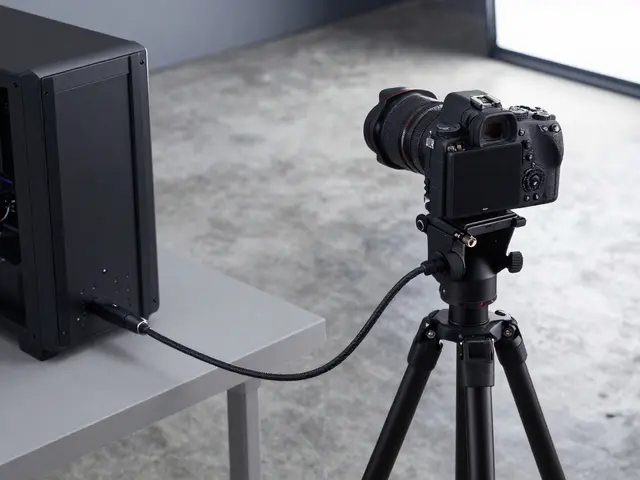
- Use a Tripod: Stability is non-negotiable. Any shake during capture will create ghosting artifacts in the final render. Use a sturdy tripod and a remote shutter release to avoid touching the camera.
- Control the Light: Natural light is your friend, but direct sunlight can blow out highlights. Open curtains to let in soft, diffused light. Avoid shooting at midday when shadows are harsh.
- Declutter Aggressively: Virtual tours expose everything. A messy counter or a pile of laundry will be noticed instantly. Stage the home as if a family were moving in tomorrow.
- Hide Personal Items: Remove artwork, personal photos, and unique decorations. Buyers want to project their own identity onto the space, not live with the seller’s taste.
- Check the Horizon: Ensure the camera is perfectly level. A tilted horizon makes the viewer feel uneasy and can distort the perception of room size.
For example, when I recently helped a client list a Craftsman bungalow in Alberta Arts District, we spent an extra hour removing all the furniture from the dining room. The resulting 360 view showed how much larger the space was than the previous static photos suggested. The feedback from agents was immediate: "Finally, I can see how big this room really is." That clarity led to three offer requests within the first week.
Integrating Virtual Tours into Your Marketing Strategy
Having a virtual tour is not enough; you have to promote it. Many agents upload the tour to the MLS and forget about it. Instead, treat the virtual tour as a central asset in your marketing funnel.
Embed the tour directly on your property website. Make it the first thing visitors see after the hero image. Add links to the tour in your email blasts, social media posts, and print flyers. QR codes on yard signs are particularly effective. Passersby can scan the code with their phone and instantly step inside the home. This bridges the gap between offline curiosity and online engagement.
Also, consider creating short video clips from the tour. Platforms like Instagram and TikTok favor vertical video content. You can export a 15-second clip of the kitchen or primary bedroom and post it as a Reel. These snippets act as teasers that drive traffic back to the full interactive tour.
Common Pitfalls to Avoid
Despite the benefits, virtual tours can backfire if executed poorly. Watch out for these common mistakes:
- Overloading the Tour: Don’t include every nook and cranny. Focus on the key living areas. A tour that takes 20 minutes to navigate is frustrating. Keep it under 5 minutes for optimal engagement.
- Poor Audio Integration: If you add audio guides, make sure they are clear and concise. Background noise or muffled voices distract from the visual experience.
- Ignoring Mobile Optimization: Most buyers will view the tour on a smartphone. Test the tour on multiple devices to ensure it loads quickly and pans smoothly on mobile browsers.
- Outdated Content: If the home has been renovated or changed since the tour was captured, update it. A mismatch between the virtual tour and the actual property erodes trust.
Quality control is essential. Before publishing, watch the tour yourself from start to finish. Look for glitches, missing spots, or awkward transitions. A seamless experience reflects professionalism and attention to detail.
The Future of Immersive Real Estate
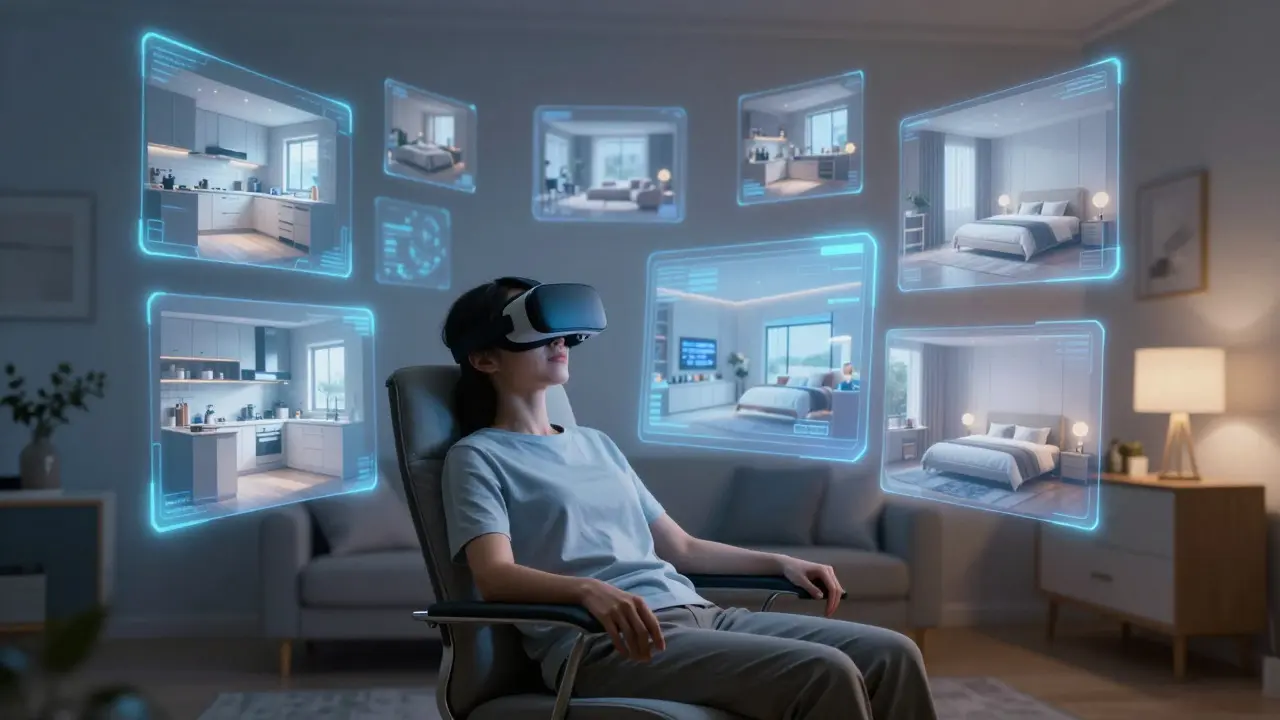
We are just scratching the surface of what immersive technology can do for real estate. As VR headsets become more affordable and accessible, we may see buyers putting on a headset to walk through a home while sitting in their office. Augmented Reality (AR) could allow buyers to visualize furniture placement or paint colors in real-time within the virtual tour.
For now, 360 photography and virtual tours remain the most practical and impactful tools available. They bridge the gap between distance and presence, giving buyers the confidence to make decisions faster. In a market where speed and accuracy matter, these tools are no longer optional extras-they are essential components of a modern listing strategy.
Are virtual tours worth the investment for every property?
Generally, yes. Even modestly priced homes benefit from virtual tours because they reduce unnecessary showings and attract serious buyers. However, for very high-end luxury properties, a custom 3D model with higher fidelity might be more appropriate than a standard 360 tour.
What is the difference between a 360 photo and a 3D floor plan?
A 360 photo is a spherical image that lets you look around a specific spot. A 3D floor plan is a top-down schematic that shows the layout and dimensions of rooms. Virtual tours often combine both, allowing users to switch between the immersive view and the map view.
How much does it cost to create a virtual tour?
Costs vary widely. DIY solutions using consumer cameras and software can cost under $100 per property. Professional services using Matterport or similar platforms typically range from $200 to $500 per listing, depending on the square footage and complexity.
Do virtual tours work well for small apartments?
Yes, especially for small spaces. Virtual tours help buyers understand the efficient use of space and the flow between rooms, which is crucial in compact layouts. Static photos often make small rooms look even smaller due to perspective distortion.
Can I edit a virtual tour after it has been published?
Most platforms allow you to edit hotspots, labels, and audio guides without recapturing the entire tour. However, changing the actual geometry or adding new rooms usually requires a new capture session. Always double-check your content before publishing to minimize edits.