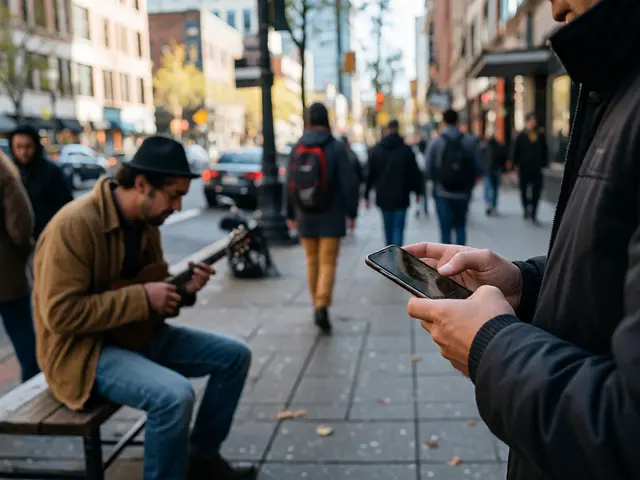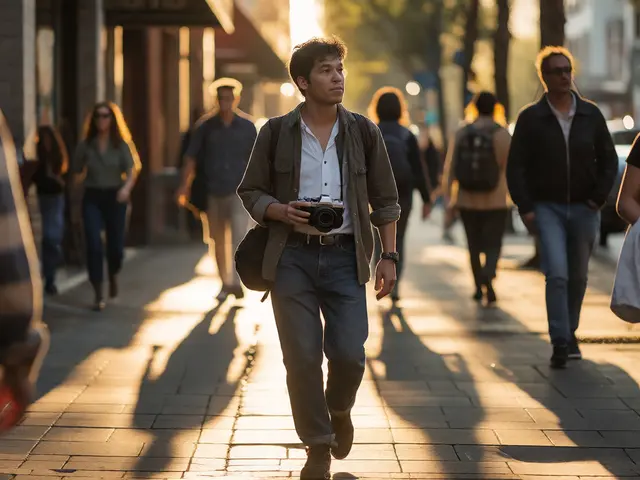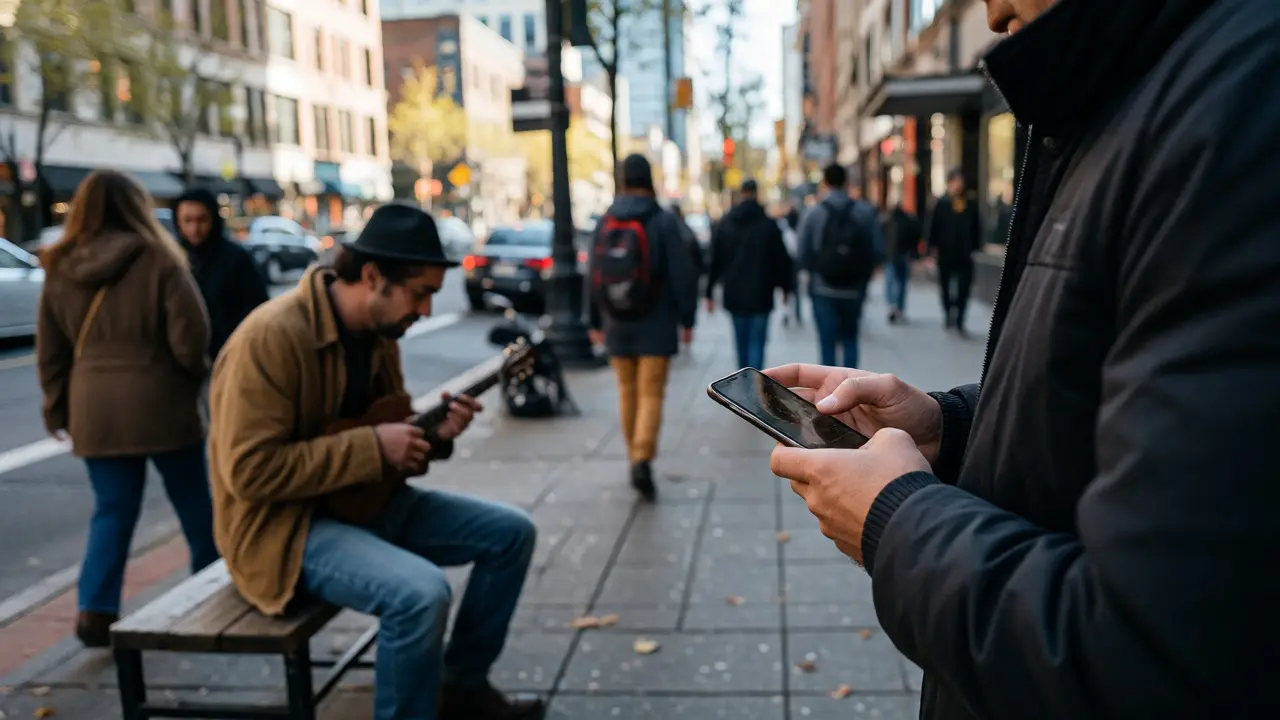
You’re walking down a busy sidewalk in downtown Portland. A street musician is playing a soulful tune, a couple is sharing a laugh over coffee, or maybe just the light hits a brick wall in a way that makes you stop dead in your tracks. Your heart races. You want to capture it. But pulling out a big DSLR with a long lens feels like announcing yourself to the world. "Hey everyone, look at me! I’m taking a picture!" That attention kills the moment. The subjects notice you. They stiffen up. The magic evaporates.
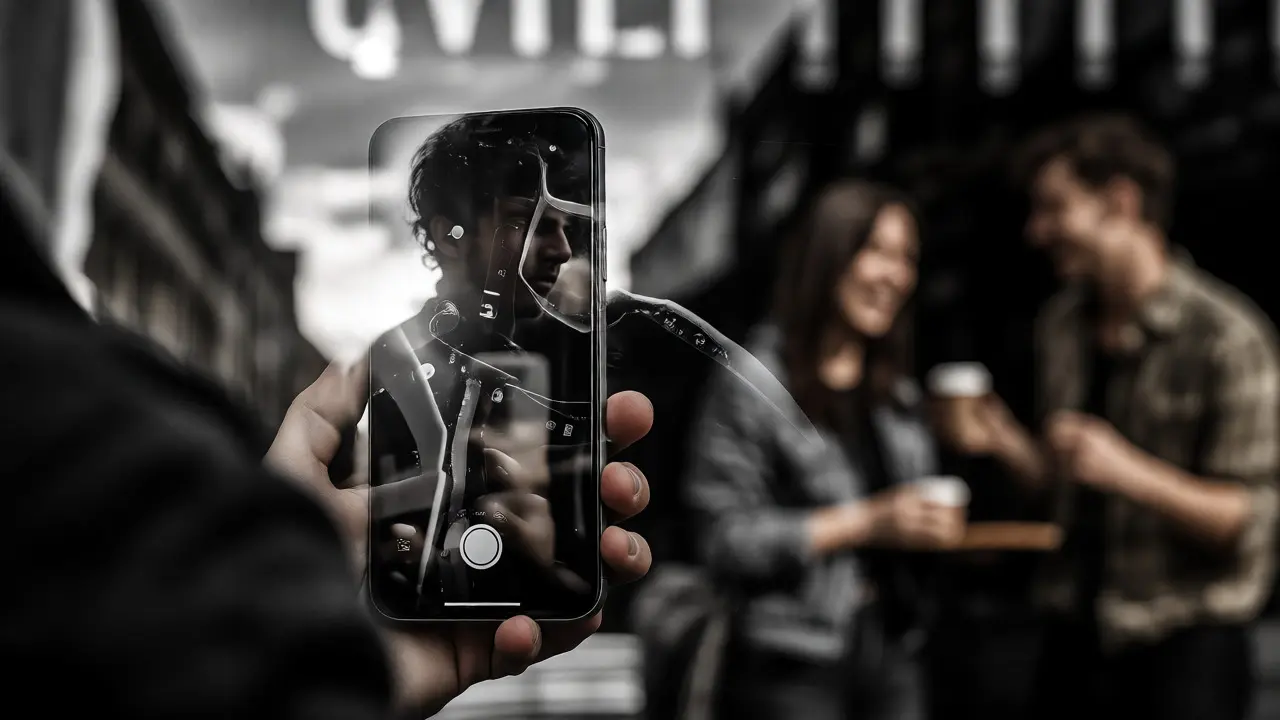
This is where smartphone street photography changes the game. It’s not just about convenience; it’s about invisibility. When you shoot with a phone, people don’t see you as a photographer. They see you as someone checking their messages or scrolling through social media. This psychological shield allows you to get closer, stay longer, and capture raw, unposed moments that would otherwise be lost. If you’ve been hesitating to leave your heavy gear at home, this guide will show you how to use your pocket-sized tool to create compelling, authentic images without becoming the center of attention.
Why Your Phone Is the Ultimate Stealth Weapon
Let’s talk about perception. In the eyes of most pedestrians, a person holding a large camera is a threat or a nuisance. They assume you’re going to ask for permission, block their path, or publish their face online without consent. A smartphone? That’s just part of daily life. Everyone has one. No one looks twice. This phenomenon is what we call the "chameleon effect." By blending in, you remove the barrier between observer and subject. You can stand inches away from a conversation and capture genuine emotion because no one is performing for your lens. This isn't just anecdotal; it's rooted in social psychology. When people feel watched by a professional apparatus, they alter their behavior. When they think you're just another commuter, they remain natural. Consider the technical evolution. Modern phones like the iPhone 15 Pro or the Samsung Galaxy S24 Ultra have sensors that rival older dedicated compact cameras. Computational photography merges multiple exposures instantly, handling high-contrast scenes-like bright sunlight hitting deep shadows-better than many entry-level mirrorless setups. You don't need f/1.2 lenses to get background blur anymore; software does the heavy lifting while you focus on composition.
Mastering the Art of Discretion
Discretion isn't just about hiding; it's about acting naturally. Here are specific tactics to keep your presence low-key while capturing high-quality candid shots.
- The Waist-Level Shoot: Instead of raising the phone to eye level, hold it at your waist or chest height. Use the volume buttons on your headphones or wired earbuds as a shutter release. This keeps your hands steady and your gaze directed elsewhere. You can compose using the screen reflection or simply trust your framing instincts after practice.
- Walk and Shoot: Keep moving. Stopping abruptly signals intent. Walk past your subject, tap the shutter as you pass, and keep walking. This creates a dynamic sense of motion and prevents the subject from realizing they were photographed until you’re already ten feet away.
- Use the Timer: Set a two-second delay. Hold the phone casually, perhaps pretending to check a map or text. Tap the shutter, relax your posture, and look around. The slight delay ensures your finger movement doesn’t shake the image, and your body language remains relaxed.
- Avoid Eye Contact: Once you take the shot, do not look directly at the subject. Glance at your screen, nod to a friend, or look at a shop window. Breaking eye contact confirms to the subject (if they even noticed) that nothing significant happened.
One common mistake is trying too hard to be invisible. If you crouch behind trash cans or hide behind pillars, you look suspicious. Act like you belong there. Confidence is camouflage. If you act like you’re waiting for a bus, you’ll blend into the crowd perfectly.
Camera Settings for Candid Success
Your default camera app settings might work for landscapes, but street photography demands speed and reliability. You rarely have time to adjust exposure manually when the perfect moment unfolds. Here’s how to configure your device for rapid-fire candids.
| Setting | Recommendation | Reasoning |
|---|---|---|
| Mode | Photo / Burst Mode | Prevents processing delays. Burst mode increases chances of catching the peak expression. |
| Lens | Main Wide (24mm-28mm equiv.) | Standard field of view mimics human vision. Avoids distortion found in ultra-wide lenses. |
| Grid Lines | On | Helps align horizons and apply rule of thirds quickly without thinking. |
| Flash | Off | Flashes draw immediate attention. Rely on HDR and night mode instead. |
| Format | JPEG + RAW (if available) | JPEG for quick review/sharing; RAW for editing flexibility later. |
Turn off the shutter sound if possible. On iPhones, switching to Live Photo mode often silences the click, though it uses more storage. For Android users, silent modes vary by manufacturer, so test yours beforehand. Nothing ruins a quiet moment like a loud digital "click" echoing in a library or a hushed gallery.
Also, consider using a third-party camera app like Halide Mark II or Lightroom Mobile. These apps offer manual controls that let you lock focus and exposure. If you know you’ll be shooting in a specific lighting condition for an hour, set your exposure once and forget it. This consistency speeds up your workflow significantly.
Composition Techniques That Work on Small Screens
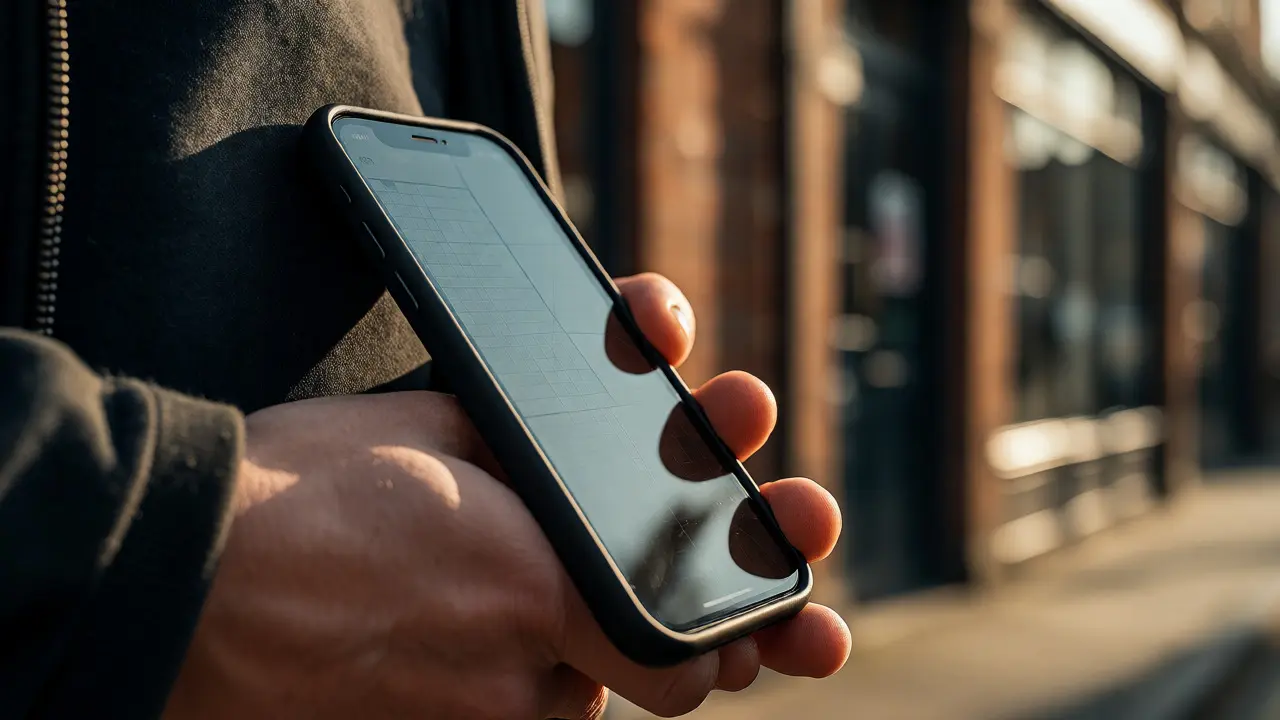
Composing on a small touchscreen requires different habits than looking through a viewfinder. You can’t rely on peripheral vision as much. So, simplify your frame. Clutter is the enemy of strong street photos.
Look for leading lines. Sidewalk cracks, crosswalk stripes, or building edges can guide the viewer’s eye toward your subject. Since you’re likely shooting wide, these elements help anchor the image. Don’t try to include everything. Crop tightly in-camera if needed. If a distracting element enters the frame, move your feet. Parallax-the shift in perspective when you move-is your best tool for isolating subjects against clean backgrounds.
Reflections are another powerful compositional aid. Puddles, shop windows, and car mirrors allow you to capture scenes from angles that feel fresh and unexpected. Plus, shooting reflections adds a layer of abstraction. Viewers spend a second decoding the image, which increases engagement. Try photographing a passerby reflected in a darkened store window rather than the person themselves. It feels more artistic and less intrusive.
Frame within frames. Doorways, arches, and windows naturally frame your subject. This technique draws attention to the action inside the frame and blocks out chaotic surroundings. It also gives you a reason to stand still briefly, making it easier to anticipate the right moment to press the shutter.
Lighting Challenges and How to Beat Them
Smartphones struggle with extreme dynamic range compared to larger sensors, but computational photography bridges the gap. However, you still need to understand light direction.
Backlighting is tricky. If your subject is silhouetted against a bright sky, the phone might expose for the sky, leaving the face black. Or it might expose for the face, blowing out the sky. Most modern phones handle this well via HDR (High Dynamic Range), which merges multiple exposures. Trust the automation, but review the image immediately. If the faces look muddy, tap the screen to force focus on the face before shooting again.
Harsh midday sun creates unflattering shadows under eyes and noses. Look for open shade. Stand under trees, awnings, or building overhangs. The light is softer and more even. Alternatively, embrace the contrast. Black and white conversion can turn harsh shadows into dramatic graphic elements. Many street photographers prefer monochrome precisely because it removes color distractions and emphasizes texture and form.
Night photography has improved dramatically. Night modes stack multiple frames to reduce noise. But they require stability. Lean against a wall or pole. Hold your breath. Even slight hand tremors cause ghosting artifacts. If you’re moving, night mode won’t save you. Stick to well-lit areas or wait for static subjects.
Ethics and Etiquette in Public Spaces
Just because you can shoot discreetly doesn’t mean you should ignore basic courtesy. Street photography exists in a gray area legally and ethically. In public spaces, you generally own the copyright to your image, but privacy norms matter.
If a subject notices you and smiles, smile back. If they look uncomfortable, lower your phone. Sometimes, a simple nod acknowledges their presence and defuses tension. You don’t always need to ask permission, especially if you’re aiming for authenticity. Asking changes the interaction. But reading the room is crucial. In some cultures or neighborhoods, pointing a camera is seen as rude regardless of discretion.
Be mindful of vulnerable subjects. Children, people experiencing homelessness, or those in distress deserve extra sensitivity. Consider whether publishing the image respects their dignity. There’s no universal rule, but empathy goes a long way. If you wouldn’t want your photo taken in that situation, pause and reconsider.
Remember, the goal is connection, not exploitation. Great street photography celebrates humanity. It shows joy, sorrow, curiosity, and resilience. Approach your subjects with respect, and your images will reflect that positive energy.
Editing on the Go
Don’t underestimate the power of mobile editing. Apps like Snapseed, VSCO, or Adobe Lightroom Mobile allow you to enhance images instantly. Street photos often benefit from increased contrast, cropped compositions, and selective desaturation.
Crop aggressively. Remove empty space that doesn’t add context. Tighten the frame to emphasize the subject. Adjust highlights and shadows to recover detail. Add a subtle vignette to draw the eye inward. But keep edits natural. Over-processing screams "amateur." Let the content speak for itself.
Batch edit similar images to maintain a cohesive style. If you shoot a series of rainy day portraits, apply the same preset to all of them. Consistency builds a recognizable visual voice.
Do I need a special case or grip for street photography?
Not necessarily, but a textured case helps prevent drops. Some photographers prefer small grips like the Moment Grip for better ergonomics during long walks. Avoid bulky accessories that make the phone look like a camera.
What focal length is best for smartphone street photography?
The main wide-angle lens (typically equivalent to 24mm-26mm) is ideal. It provides a natural field of view similar to human vision. Telephoto lenses (3x zoom) are useful for compressing distance but lack the contextual storytelling of wider angles.
How do I avoid blurry photos when shooting handheld?
Keep your elbows tucked in close to your body to stabilize your arms. Exhale slowly as you press the shutter. Use burst mode to increase the chance of getting one sharp frame. Ensure sufficient light; smartphones struggle with fast shutter speeds in dim conditions.
Is it legal to photograph strangers in public?
In most countries, including the US, you have the right to photograph anything visible from public property. However, local laws vary. Always respect private property signs and reasonable expectations of privacy (e.g., bathrooms, changing rooms).
Should I use portrait mode for street shots?
Generally, no. Portrait mode artificially blurs the background, which can look unnatural in complex street scenes. Context is vital in street photography. Use the standard photo mode to keep both subject and environment sharp.
Next Steps for Your Next Outing
Ready to hit the pavement? Start small. Choose a location you know well, like your neighborhood market or a nearby park. Familiarity lets you focus on technique rather than navigation. Spend ten minutes observing without shooting. Notice patterns. Where does the light fall? Who moves predictably? Then, start shooting. Aim for ten good photos, not a hundred mediocre ones.
Review your images critically. Did you miss the decisive moment? Was the horizon tilted? Did you intrude too much? Learn from each failure. Street photography is a skill built through repetition and observation. Your smartphone is the most accessible tool you have. Use it to see the world differently. Capture the fleeting, beautiful chaos of everyday life, one discreet tap at a time.