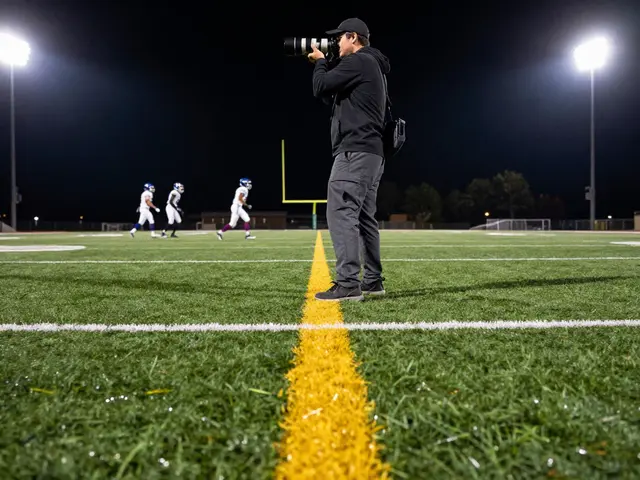
You know that feeling when you walk into a room and instantly sense the vibe? Maybe it’s the warm glow of a fireplace making you feel safe, or the harsh fluorescent buzz of a hospital corridor making you feel exposed. Photographers have a superpower: we can manufacture that exact feeling for someone looking at a static image. It isn’t magic; it’s physics mixed with psychology. The way you shape lighting is the single most powerful tool you have to dictate how an audience feels about your subject.
Most beginners obsess over camera gear. They buy the latest mirrorless body thinking it will magically improve their shots. But if you take a $50 toy camera and nail the mood through light, you’ll beat a $3,000 rig shot under flat, boring illumination every time. Why? Because light tells the story. Shadows create mystery. Highlights reveal truth. The quality of that light-whether it’s soft like a cloud or hard like a laser-changes the narrative entirely.
The Physics of Feeling: Hard vs. Soft Light
Let’s get practical. You don’t need a degree in optics to understand this, but you do need to grasp two main concepts: hard light and soft light. These aren’t just technical terms; they are emotional triggers.
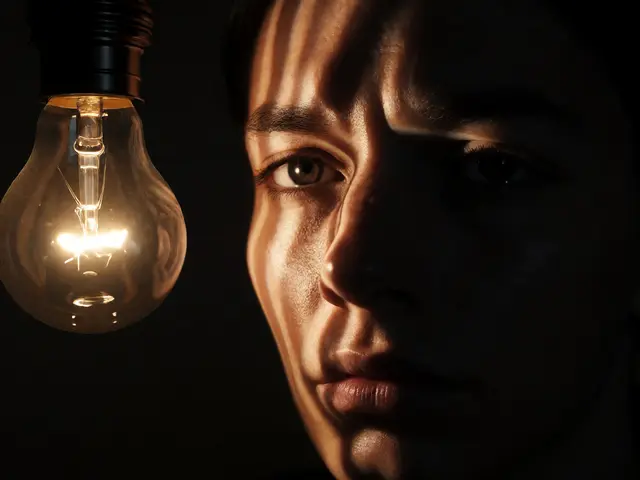
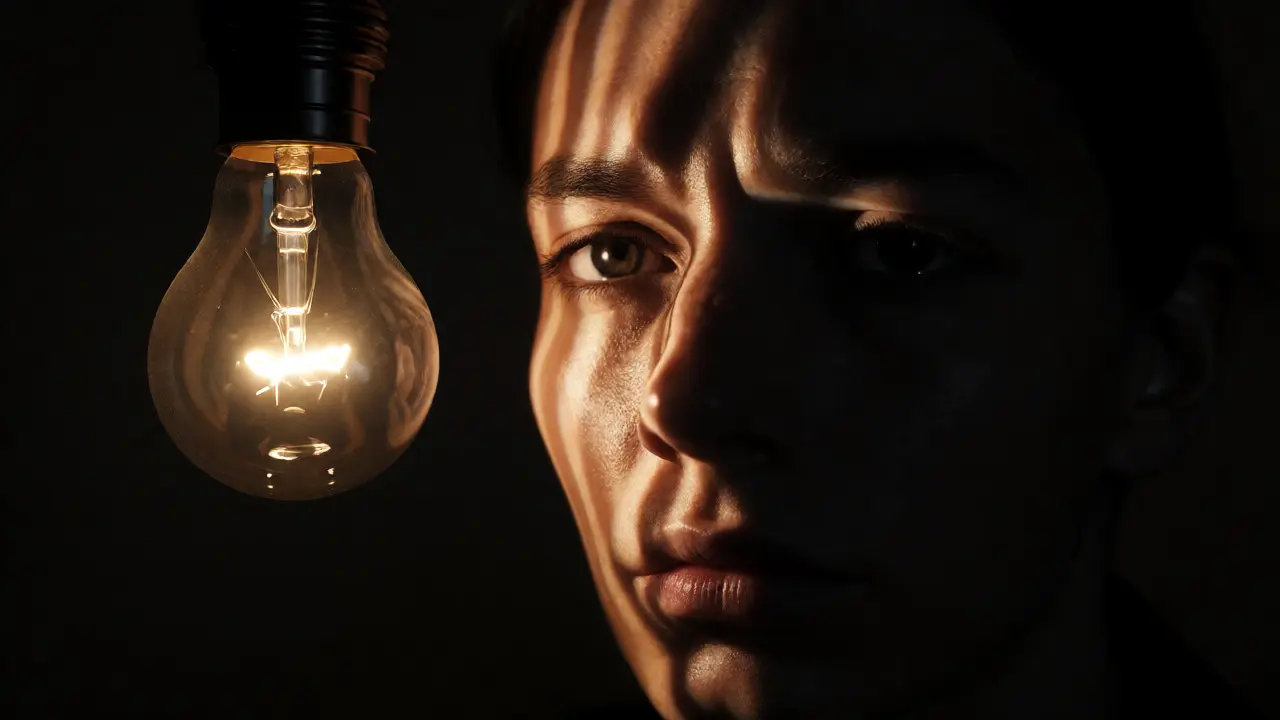
Hard light comes from a small, distant source relative to the subject. Think of the sun at noon or a bare bulb in a dark room. It creates sharp, defined shadows. In photography, hard light often conveys tension, drama, or stark reality. It exposes every pore, every wrinkle, and every flaw. Use it when you want the viewer to feel uncomfortable, alert, or confronted by the truth. Film noir directors loved this look because it made characters look morally ambiguous and dangerous.
On the flip side, soft light wraps around the subject. It comes from large sources close to the person, like a big window on an overcast day or a massive softbox. The transition between light and shadow is gradual. This is flattering. It smooths skin textures and creates a dreamy, romantic, or peaceful atmosphere. If you’re shooting a wedding portrait or a serene landscape, soft light is usually your best friend because it invites the viewer to relax.
| Light Type | Source Characteristic | Shadow Definition | Typical Emotional Response | Best For |
|---|---|---|---|---|
| Hard Light | Small, distant (Sun, flash) | Sharp, high contrast | Drama, Tension, Energy | Documentary, Noir, Sports |
| Soft Light | Large, close (Cloud, Softbox) | Fuzzy, low contrast | Calm, Romance, Safety | Portraits, Weddings, Food |
| Directional Light | Side-lit | Deep texture emphasis | Mystery, Depth, Strength | Product, Architecture |
Color Temperature: Painting With Heat and Cold
Once you’ve mastered intensity, you have to look at color. Our brains are wired to associate specific temperatures with specific times of day and, consequently, specific emotions. This is measured in Kelvin (K), but you don’t need to memorize numbers to use it effectively.
Warm tones (under 4000K) feel cozy, nostalgic, and intimate. Think of candlelight, fireplaces, or the golden hour just before sunset. When you shoot with a warm white balance, you’re telling the viewer, “This is a safe place. This is home.” It lowers heart rates. It makes people lean in.
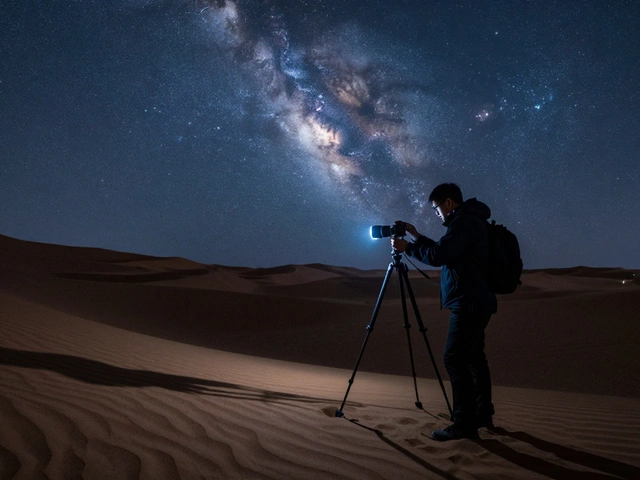
Cool tones (over 6000K) feel clinical, isolated, or futuristic. Blue light dominates early mornings and twilight. It can convey sadness, loneliness, or calm detachment. If you’re photographing a solitary figure in a city at night, pushing the blue channels slightly can amplify that sense of urban isolation without adding a single word of text.
Here is a pro tip: Don’t just rely on your camera’s auto-white balance. It tries to neutralize color casts, which kills mood. If you want warmth, lock your white balance to “Shade” or “Cloudy” even if it’s sunny. If you want cold, use “Tungsten” or manually set it to 3200K. Take control of the temperature, or let the camera ruin your story.
Directionality: Where the Story Comes From
Light has direction, and direction dictates focus. Front lighting flattens everything. It removes shadows, which means it removes depth. It’s great for passport photos where accuracy matters more than art, but it’s terrible for storytelling. It feels flat because it lacks dimension.
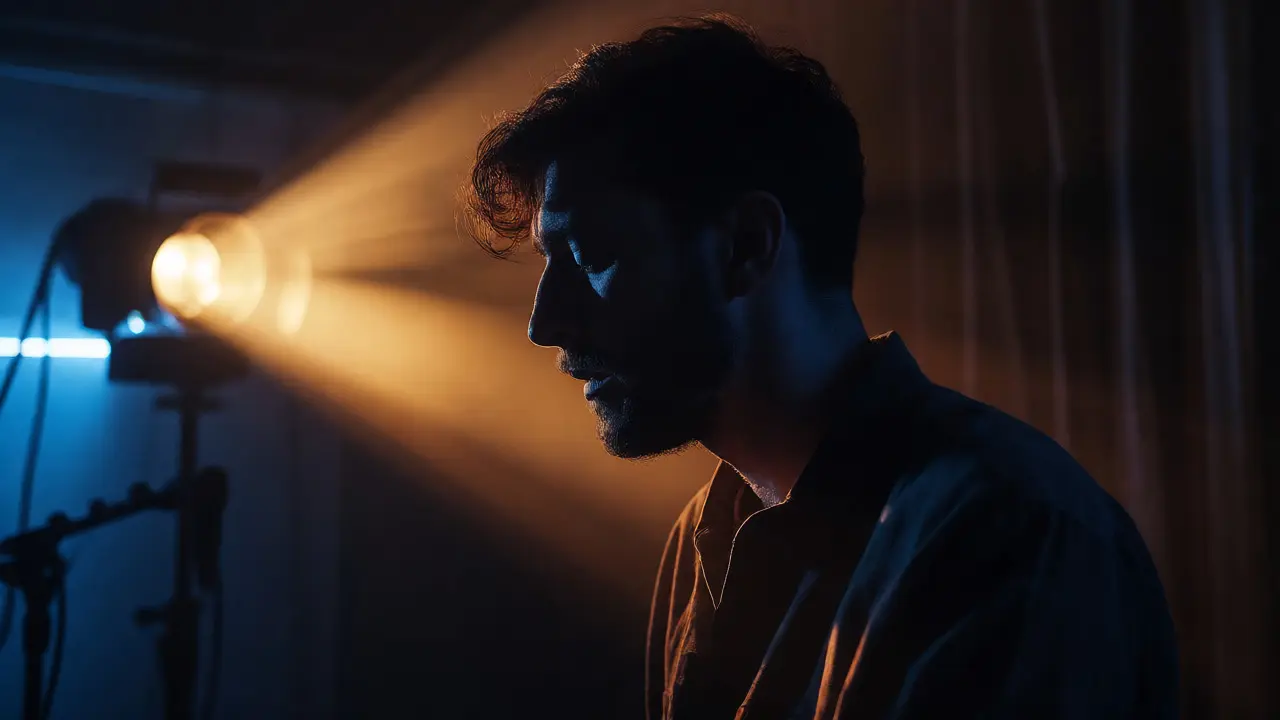
Side lighting, also known as Rembrandt lighting in portrait circles, is where the magic happens. By placing your light source to the side, you create distinct shadows that sculpt the face or object. This adds volume. It makes the subject pop out of the frame. Psychologically, side lighting suggests complexity. It implies there is more to the subject than meets the eye. Half the face is hidden in shadow? That’s mystery. Half illuminated? That’s revelation.
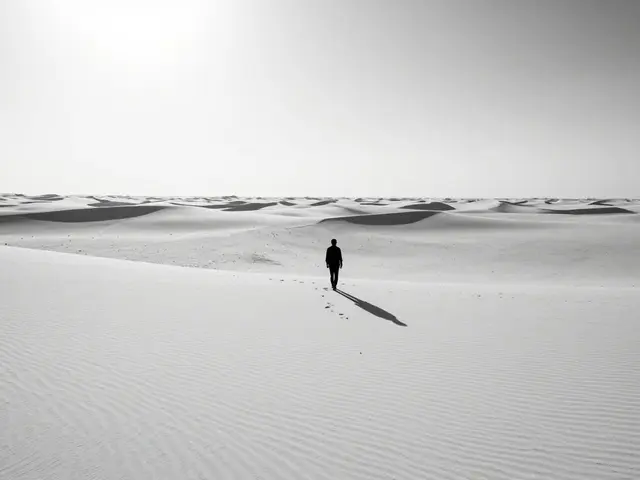
Backlighting is the trickster of the bunch. Placing the light behind the subject separates them from the background and creates halos or silhouettes. Silhouettes strip away identity, turning a person into a universal symbol. It’s powerful for conveying anonymity or spiritual transcendence. Just be careful-if you don’t expose correctly, your subject becomes a black blob with no detail.
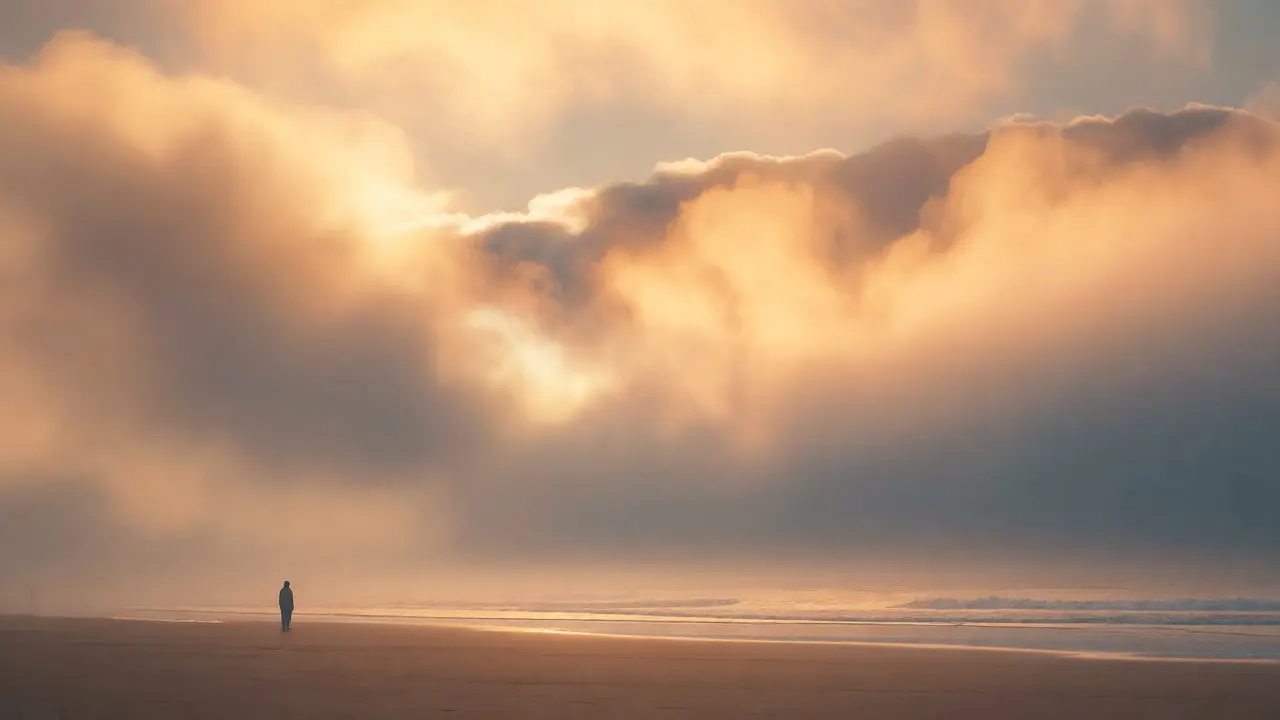
Contrast: The Drama Dial
Contrast is simply the difference between the brightest and darkest parts of your image. High-contrast images are punchy. They grab attention. They feel energetic and aggressive. Low-contrast images are subtle. They feel gentle, hazy, or melancholic.
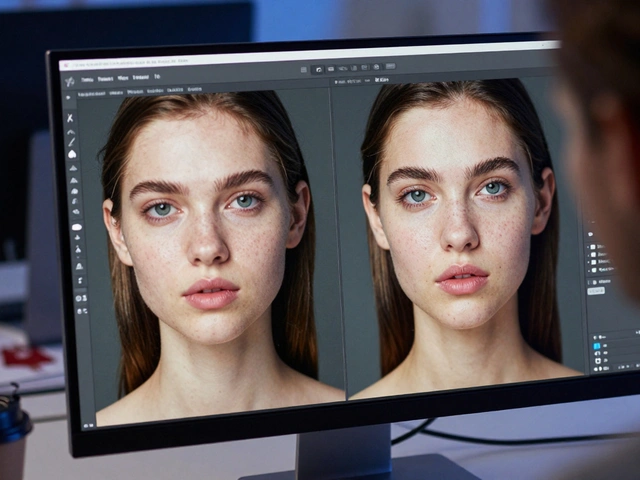
Consider a photo of a stormy ocean. If you crush the blacks and boost the whites, the waves look violent and threatening. Same scene, same moment, different contrast setting equals completely different emotion. In editing software like Lightroom or Capture One, the “Contrast” slider is your mood dial. Slide it right for drama. Slide it left for a dreamy, ethereal look.
But beware of overdoing it. Digital sensors handle highlights poorly compared to film. If you push contrast too hard in post-production, you might lose detail in the sky or crush shadows so deep they become muddy. A good rule of thumb: Ensure there is still some visible texture in your deepest shadows unless you intentionally want a silhouette effect.
Practical Application: Building Your Scene
So, how do you actually build these moods on location? Let’s say you’re shooting a portrait of a musician in their studio. You want to convey grit and passion.
- Step 1: Kill the overhead lights. Ambient room lighting is usually flat and unflattering.
- Step 2: Find a single strong light source. A window works, or a speedlight off-camera.
- Step 3: Position the light to the side (90 degrees). This creates side lighting.
- Step 4: Use a reflector on the opposite side, but keep it far back. You want deep shadows, not filled-in ones.
- Step 5: Adjust your camera settings to favor higher contrast. Shoot RAW so you can adjust curves later.
- Step 6: Check the color. If the window light is cool (blue), add a gel to your flash to make it warmer, creating a mix of cool ambient and warm key light. This adds visual interest and depth.
This setup isn’t random. Every choice serves the emotion. Side light = grit. Deep shadows = mystery. Mixed colors = energy. You’re directing the viewer’s eye and feelings simultaneously.
Common Pitfalls to Avoid
Even experienced shooters mess up mood. Here are three traps to watch out for.
First, inconsistent lighting. If you’re shooting a series, keep your lighting logic consistent. If one photo is moody and dark, and the next is bright and airy, the narrative breaks. Decide on the mood before you press the shutter.
Second, ignoring the background. Mood isn’t just about the subject; it’s about the environment. A well-lit subject against a cluttered, brightly lit messy room looks chaotic, not artistic. Control your background exposure. Sometimes, letting the background fall into shadow helps isolate the subject and enhances the mood.
Third, relying solely on presets. Downloading a “Moody Preset” pack won’t fix bad lighting. Presets adjust color and contrast globally. If your original file lacks dynamic range or has ugly color casts, the preset will just make the ugliness colorful. Fix the light first, then tweak the edit.
Final Thoughts on Visual Storytelling
Lighting is not just about visibility. It’s about voice. When you choose to leave half a face in shadow, you are choosing silence. When you flood a scene with light, you are shouting. As photographers, we are translators. We translate physical light into emotional resonance. Start paying attention to how light hits your own life. Notice how the morning sun feels different from the afternoon glare. Notice how a lamp in a corner feels safer than a ceiling fixture. Then, replicate those feelings in your work. Your camera doesn’t care about emotion. You have to bring it yourself.
What is the difference between hard and soft light?
Hard light comes from a small, distant source and creates sharp, defined shadows, often conveying drama or tension. Soft light comes from a large, close source and wraps around the subject with gradual transitions, creating a flattering, calm, or romantic mood.
How does color temperature affect mood?
Warm colors (lower Kelvin values) evoke feelings of comfort, nostalgia, and intimacy, while cool colors (higher Kelvin values) suggest calmness, isolation, or professionalism. Manipulating white balance allows photographers to enhance these emotional associations.
Why is side lighting considered dramatic?
Side lighting emphasizes texture and depth by casting long, distinct shadows across the subject. This creates a sense of volume and mystery, suggesting that there is more to the subject than what is immediately visible, which engages the viewer's curiosity.
Can I change the mood of a photo in post-production?
Yes, editing tools allow you to adjust contrast, color grading, and exposure to shift the mood. However, post-production cannot fully replace good lighting choices during capture. Strong foundational lighting provides the raw material needed for effective emotional editing.
What is chiaroscuro in photography?
Chiaroscuro is a technique involving strong contrasts between light and dark. Originally a painting term used by artists like Caravaggio, in photography it refers to using dramatic lighting to highlight specific elements while leaving others in deep shadow, creating intense mood and focus.