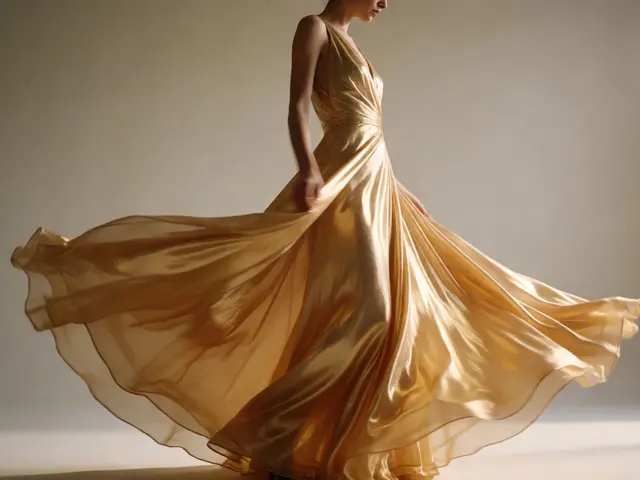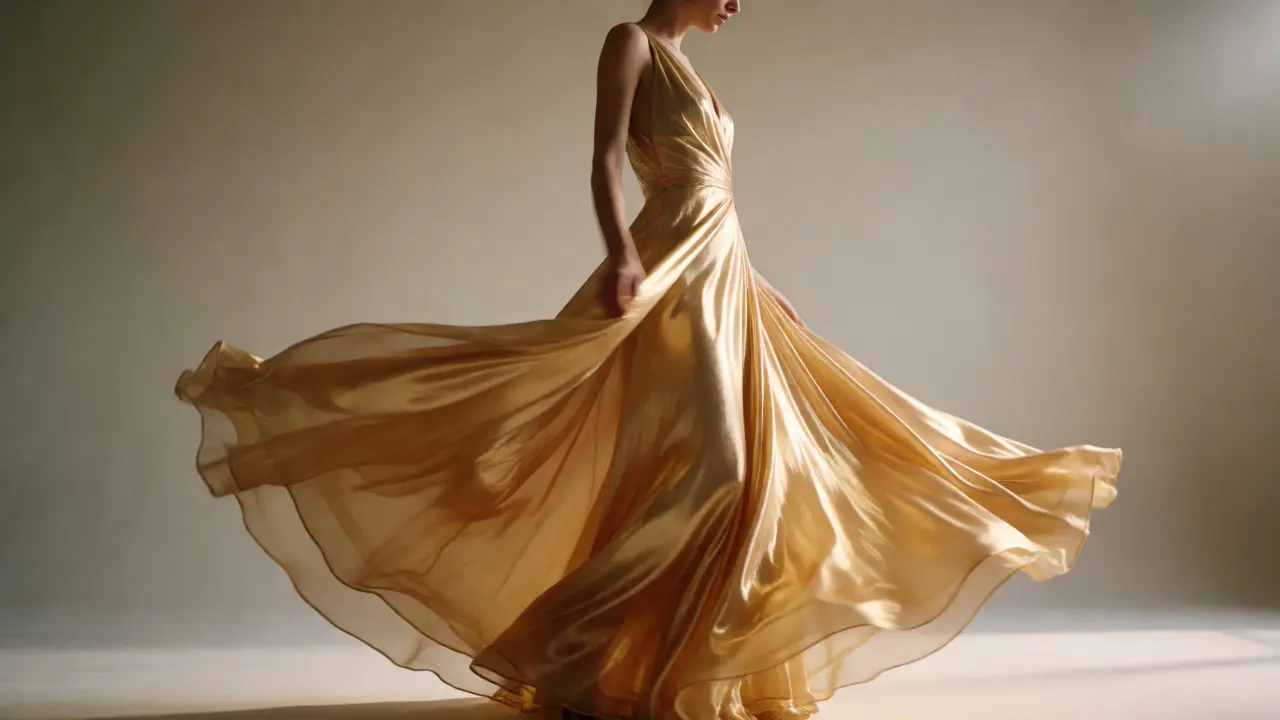
You know that feeling when a model twirls, the silk catches the air, and for a split second, it looks like liquid gold? That’s the shot. But getting it right isn’t just about luck or having a $10,000 camera. It’s about understanding how fabric interacts with physics and light. Most beginners freeze the action completely, killing the vibe. Pros let the fabric breathe.
Why Fabric Behavior Matters More Than You Think
Fabric is alive. Well, not biologically, but dynamically. Every material has a personality. Chiffon flutters; denim stays put; wool hangs heavy. If you treat all fabrics the same, your photos look flat. You need to read the textile before you press the shutter. Is it stiff? Soft? Does it have weight?
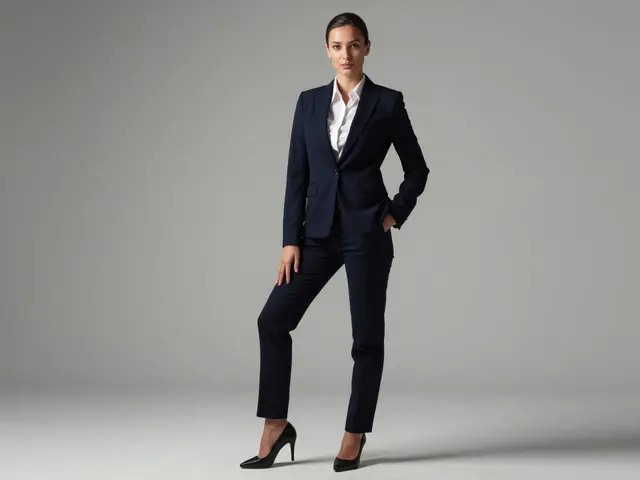
Think of it this way: if you’re shooting a structured blazer, you want sharpness. Crisp lines. But if you’re shooting a flowing gown, you want softness. Blur. Motion. The fabric dictates the technical settings. Ignoring this leads to images that feel disconnected from reality. They look staged, not styled.
The Physics of Drape and Flow
Drape is the way fabric falls under gravity. It’s determined by stiffness, weight, and weave. A heavy satin drapes differently than a lightweight linen. Satin clings and pools; linen stands away from the body slightly due to its crispness.
To capture this, you need to understand two forces: gravity and inertia. Gravity pulls the fabric down. Inertia keeps it moving once it starts. Your job is to catch the moment where these forces create the most interesting shape. This often happens at the peak of a movement, not during the start or end.
- Gravity: Pulls vertical folds. Use low angles to emphasize length.
- Inertia: Creates horizontal waves. Use panning shots to enhance speed.
- Air Resistance: Slows down light fabrics. Use fans to counteract this for dramatic effect.
Choosing the Right Shutter Speed for Texture
This is where most people mess up. They think fast shutter speed always equals better quality. Wrong. For static poses, yes, go fast-1/500th of a second or higher. But for movement? Slow it down.
Try starting at 1/60th of a second. This allows slight motion blur in the extremities (hands, hemlines) while keeping the face sharp. It creates energy without chaos. If the fabric is very light, like tulle, you might even go as slow as 1/30th. Yes, thirty. You’ll get ghosting effects that look artistic, not accidental.
| Fabric Type | Recommended Shutter Speed | Visual Effect |
|---|---|---|
| Stiff (Denim, Leather) | 1/250 - 1/500 | Crisp, defined edges |
| Medium (Cotton, Wool) | 1/125 - 1/250 | Natural movement, slight softness |
| Light (Chiffon, Silk) | 1/30 - 1/60 | Ethereal, blurred trails |
| Heavy Drapes (Velvet) | 1/100 - 1/200 | Solid mass with subtle sway |
Lighting Techniques to Enhance Texture
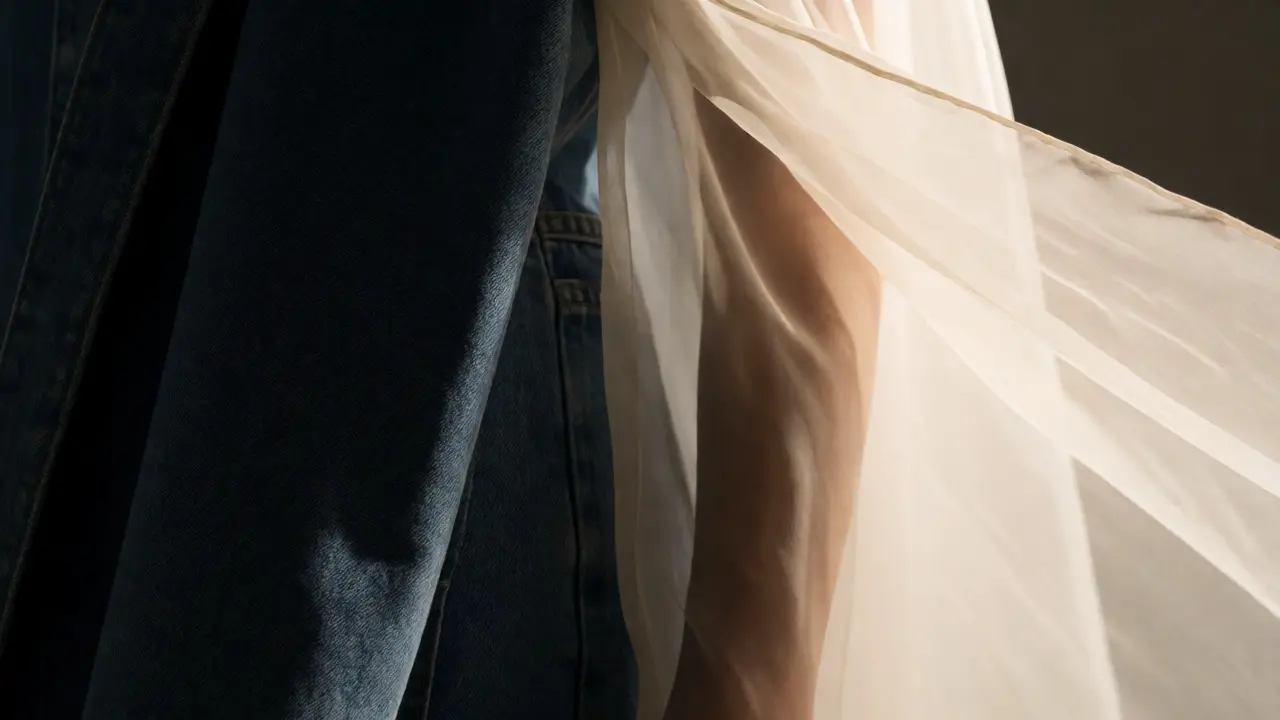
Flat lighting kills texture. You need direction. Side lighting reveals the weave and folds. Backlighting makes translucent fabrics glow. Imagine shooting a lace dress. Front lighting shows the pattern. Backlighting shows the skin beneath and the delicate structure of the lace itself.
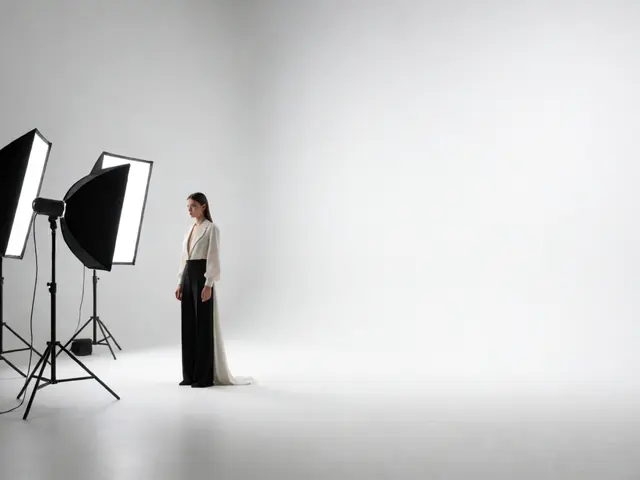
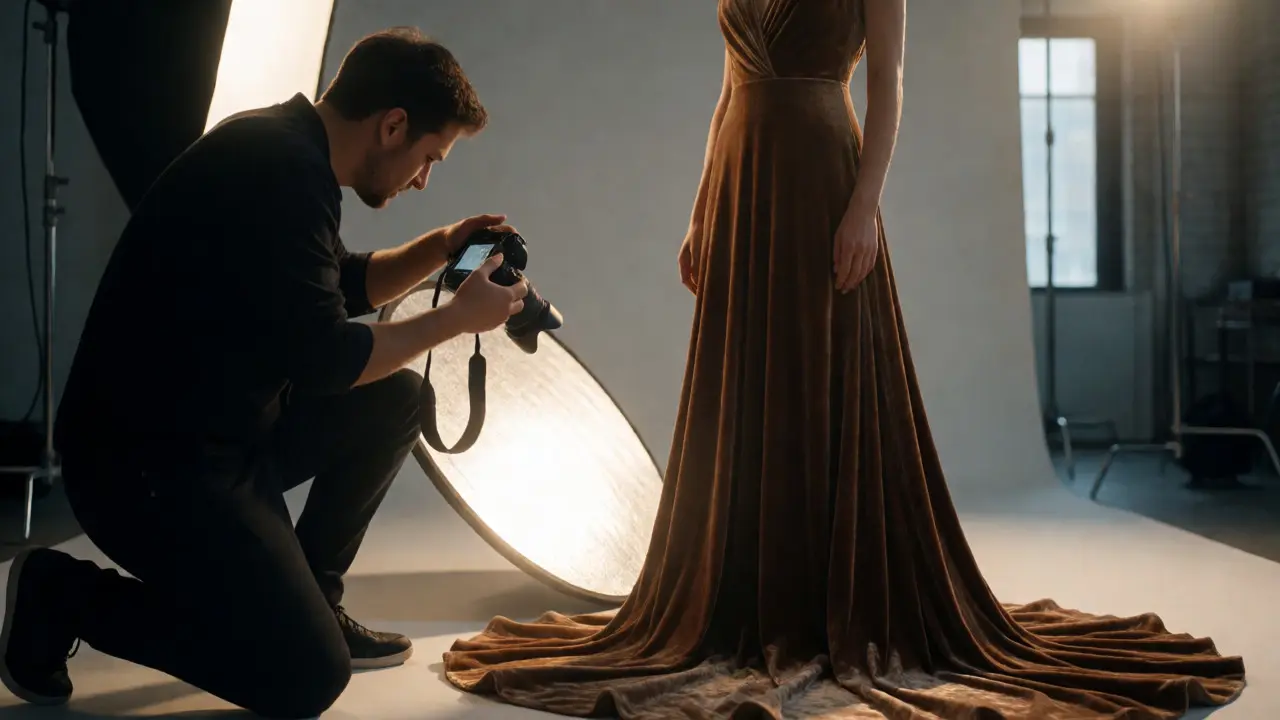
Use a large softbox for broad, even coverage on heavy fabrics. For sheer materials, try a snoot or grid to spotlight specific areas. This contrast highlights the transparency. Don’t be afraid of shadows. Shadows define the depth of the drape. Without them, the fabric looks like a flat piece of paper.
Pro tip: Use a reflector underneath the subject. Light bouncing up from below fills in the shadows within the folds, revealing details you’d otherwise lose in dark creases.
Working with Models to Create Natural Motion
You can’t force fabric to move naturally. You have to guide the model. Tell them to walk slowly. Fast walking creates chaotic, jerky movements. Slow walking allows the fabric to settle into elegant curves.
Ask for "micro-movements." A slight turn of the head, a shift in weight, a flick of the wrist. These small actions ripple through the garment. Large spins are great for full skirts, but they can distort the upper body. Balance is key.
Communication matters. Instead of saying "move faster," say "let the skirt follow you." Visual cues help models understand the intent. When they visualize the fabric’s path, their body adjusts automatically to support it.
Post-Processing: Sharpening vs. Smoothing
Editing is where you refine the story. Do you want the image to feel dreamy or documentary? For dreamy, add a slight Gaussian blur to the background and keep the foreground sharp. For documentary, sharpen the fabric texture heavily.
Watch out for moiré patterns. Synthetic fabrics often clash with digital sensors, creating weird wavy lines. Fix this in post by slightly desaturating the affected area or using a frequency separation technique. Never ignore it-it ruins professionalism instantly.
Color grading also plays a role. Warm tones make velvet look rich and cozy. Cool tones make silk look sleek and modern. Match the color palette to the fabric’s inherent mood.
Common Pitfalls and How to Avoid Them
One big mistake is ignoring wind. Even indoor shoots have HVAC systems. A stray breeze can ruin a controlled shot. Turn off vents or use weights to pin down hems if needed. Conversely, sometimes you want wind. Bring a portable fan. Position it off-camera to create consistent airflow.
Another issue is tangled folds. Before shooting, smooth the fabric manually. Check for wrinkles that don’t belong. Once the model moves, those wrinkles become permanent distractions. Prep time saves editing time.
Finally, don’t over-shoot. Quality beats quantity. Review images on set. Zoom in. Check the focus point. If the eyes are soft, reshoot. If the fabric blur is too extreme, adjust the shutter speed. Iterate quickly.
What is the best lens for capturing fabric movement?
A prime lens with a wide aperture, such as an 85mm f/1.4 or 50mm f/1.8, is ideal. The shallow depth of field isolates the subject and blurs distracting backgrounds, making the fabric's texture stand out more clearly against a soft backdrop.
How do I prevent motion blur on the model's face?
Focus strictly on the eyes and instruct the model to keep their head relatively still while moving their body. Using continuous autofocus (AI-Servo or AF-C) helps track the face if there is slight movement. Additionally, ensure your shutter speed is fast enough to freeze facial micro-movements, typically above 1/125th of a second.
Can I simulate wind indoors?
Yes, absolutely. Use a battery-operated handheld fan or a studio fan placed off-axis. Start on a low setting to avoid blowing hair into the face uncontrollably. Adjust the angle to lift the fabric gently rather than blasting it directly.
Does fabric color affect exposure?
Yes. Dark fabrics absorb light and may require opening up your aperture or increasing ISO to maintain proper exposure. White fabrics reflect light and can trick your meter into underexposing the scene. Always check your histogram to ensure highlights aren't blown out on white garments.
How do I handle shiny fabrics like satin?
Shiny fabrics create harsh specular highlights. Use diffused lighting sources, such as large softboxes or umbrellas, to soften reflections. You can also polarizing filters to reduce glare, though this may darken the image slightly, requiring compensation in exposure.