Most people think buying your first camera means spending a fortune. That’s not true anymore. In 2026, you can walk into a store or order online and walk out with a complete, functional camera system for under $600 - and it’ll outperform the phone in your pocket. The trick isn’t finding the cheapest option. It’s finding the right balance between price, ease of use, and room to grow.
Let’s cut through the noise. You don’t need a 45-megapixel sensor. You don’t need dual card slots or weather sealing. You need something that lets you learn without frustration. Something that doesn’t feel like a science experiment every time you turn it on. Here’s what actually works in 2026.
Canon EOS R100: The Smartest Start for Smartphone Users
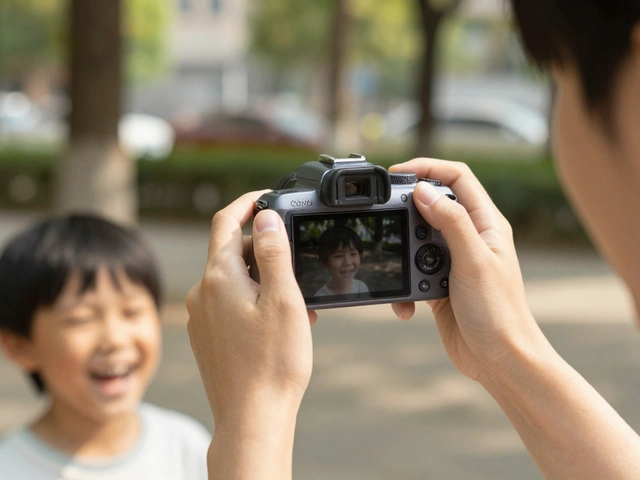
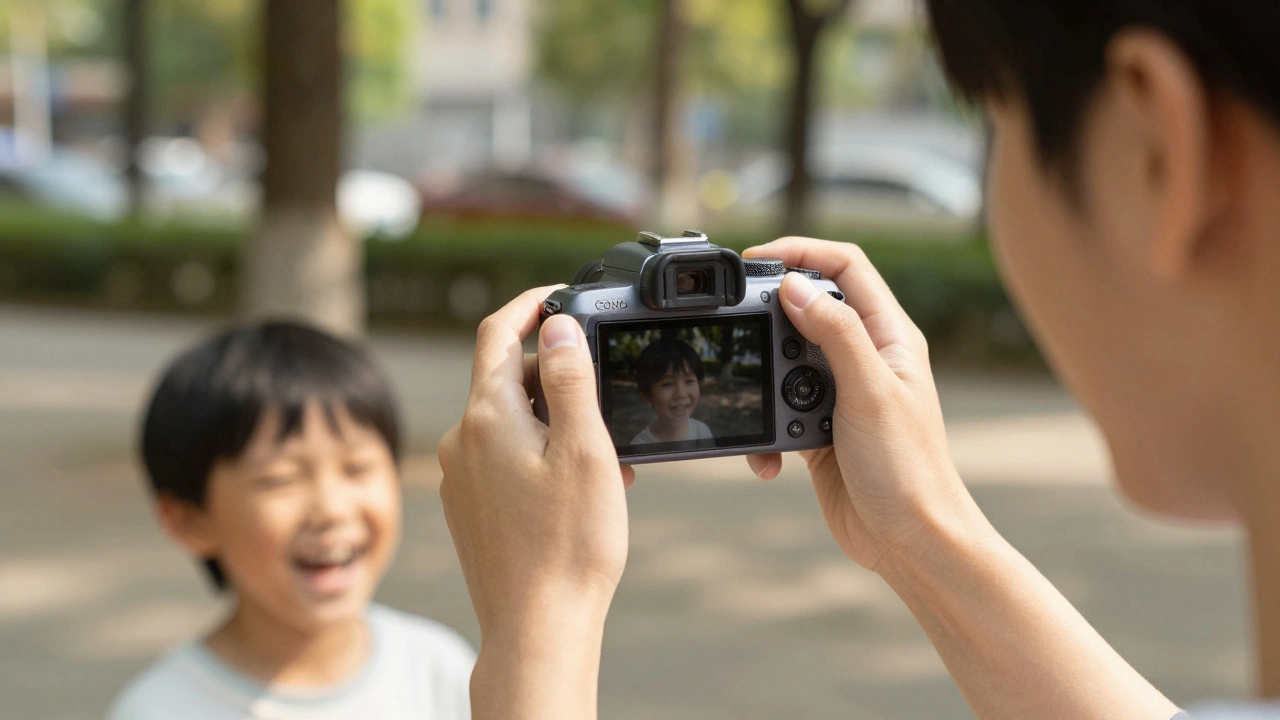
If you’ve been shooting mostly on your phone, the Canon EOS R100 is the most natural upgrade. It’s small. It’s light. It weighs less than a water bottle. The controls are simple: one dial, one button for autofocus, and a touchscreen that works like your phone. No confusing menus. No hidden settings.
This camera captures 24.1-megapixel photos and records 4K video at 25 fps - not the fastest, but enough for social media, family videos, or YouTube shorts. It uses Canon’s RF mount, which means you’re not stuck. In a year, you can swap the kit lens for a 35mm f/2.8 or a 50mm f/1.8 and start seeing real differences in your photos.
It’s not perfect. The autofocus isn’t as fast as higher-end models. The battery life is average. But for someone just learning exposure, composition, and lighting? It’s ideal. Tom’s Guide named it their top budget mirrorless pick for 2026, and for good reason. It’s the camera you buy when you’re not sure if you’ll stick with photography - and you end up sticking with it anyway.
Nikon Coolpix P1100: The All-in-One for Wildlife and Travel
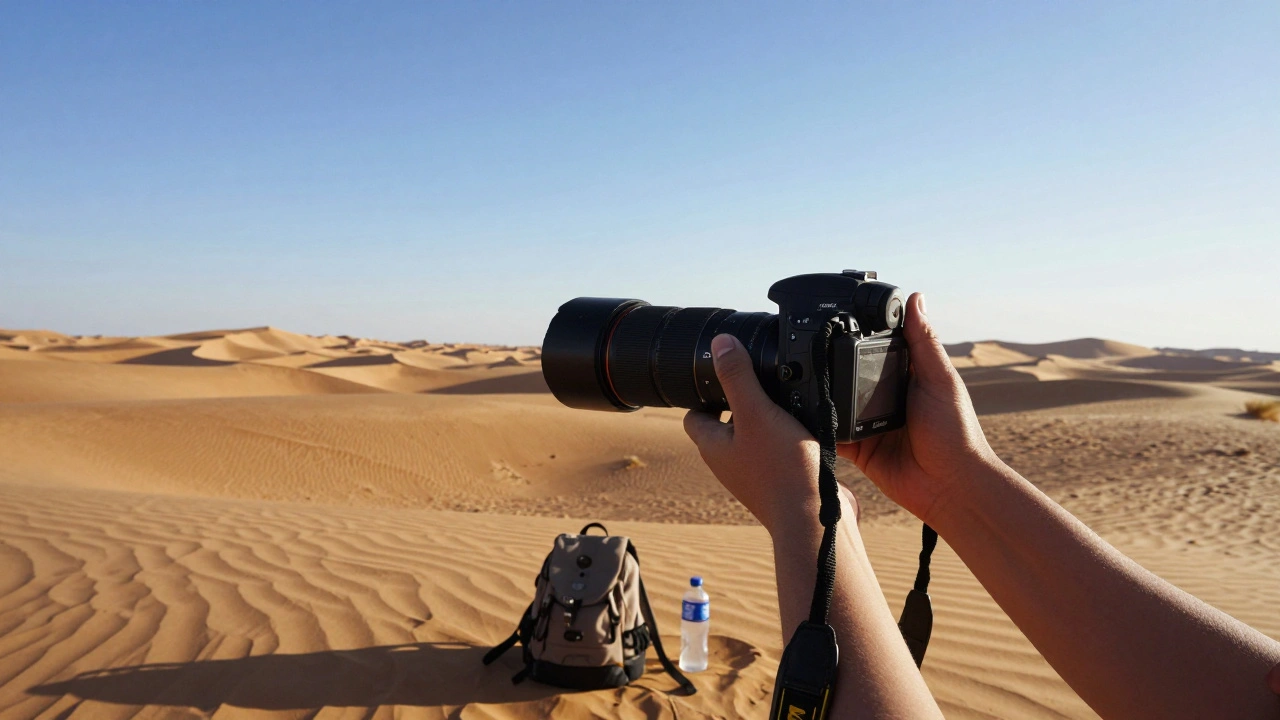
What if you don’t want to think about lenses at all? The Nikon Coolpix P1100 is a fixed-lens camera with a 100x optical zoom built in. That’s not a gimmick. It means you can capture birds in trees, distant mountains, or your kid’s soccer game from the sidelines - all with one device.
It’s not a mirrorless camera. It doesn’t let you swap lenses. But it also doesn’t require you to buy a telephoto lens, which can cost more than the camera itself. The grip is comfortable, the buttons are placed where your fingers naturally fall, and the menu is straightforward. You get full manual controls if you want them, or just point and shoot.
Reviewers at Tom’s Guide say this is the best option for wildlife photography on a budget. If you live near parks, forests, or even just have pets that run fast, this camera removes the barrier of expensive gear. It’s not going to win photo contests, but it’s going to help you take pictures you actually care about.
Micro Four Thirds: Used Gear That Still Packs a Punch
The Micro Four Thirds system isn’t flashy. But it’s practical. Cameras like the Panasonic Lumix GX800 and GF7 are tiny, have flip-out screens, and shoot raw files - which means you can fix exposure mistakes later. The real secret? Used prices.
A used Panasonic Lumix GX7, originally sold for over $800, now goes for $300-$400. It has physical dials for aperture and ISO. No menu diving. You can change settings without taking your eye off the subject. That’s huge when you’re learning.
And the lenses? There are dozens of them - new and used. A 14-42mm kit lens costs $50 used. A 25mm f/1.7 prime lens for portraits? $70. You can build a whole system for under $500. This platform is perfect if you want to experiment with different styles - street, portraits, landscapes - without breaking the bank.
Fujifilm X-T5: The Camera That Feels Like a Real Camera
If you’ve ever looked at a photo and thought, “That looks like a film photo,” you’ve probably seen a Fujifilm. The X-T5 isn’t cheap - it’s around $1,000 with a lens. But it’s the best value in the mid-tier. Why? Because it doesn’t feel like a beginner camera.
It has a 40-megapixel APS-C sensor. That’s more than most full-frame cameras from five years ago. The controls are tactile: dials for shutter speed, ISO, and exposure compensation. You don’t need to touch the screen. You just turn, press, shoot.
The autofocus is fast. The colors are beautiful straight out of camera. And the body is compact enough to carry all day. It’s not the cheapest option, but it’s the one that makes you want to keep shooting. If you’re serious about learning photography, this is the camera that won’t hold you back.
DSLRs Still Exist - And They’re a Bargain
Yes, mirrorless is the future. But DSLRs? They’re still on sale. And they’re dirt cheap.
The Canon Rebel T7 (EOS 2000D) is priced at $480 with a kit lens. It’s not fancy. No touchscreen. No flip screen. But it has a 24-megapixel sensor and decent autofocus. It’s a solid, no-frills option if you want to learn the basics without spending more than you need to.
The Nikon D5600 is a step up. It has a touchscreen, better autofocus, and a longer battery life. It used to be $550. Now? You’ll find it for $700-$800. Still a good deal if you want more control than the R100 offers.
And then there’s the Pentax K-70. It’s rugged, has a 24-megapixel sensor, 11 autofocus points, and weather sealing. You can find it for $650 on sale. It’s the underdog. But if you shoot in rain, snow, or dusty environments, it’s the only DSLR that can handle it.
Secondhand Is the Real Secret
The biggest mistake beginners make? Buying new.
Used cameras are reliable. Retailers like MPB test every device, replace worn parts, and offer 30-day returns. You can get a Sony a6400 - a camera that was $1,000 new - for $600. It’s the same body. Same sensor. Same autofocus. Just a few scratches on the back.
Even the Sony a6300, which is older, is often priced lower than the new a6400. And the image quality? Identical. The autofocus is still excellent. The video is still 4K.
Buying used isn’t risky. It’s smart. You’re not paying for packaging, warranty extensions, or marketing. You’re paying for performance. And that’s what matters.
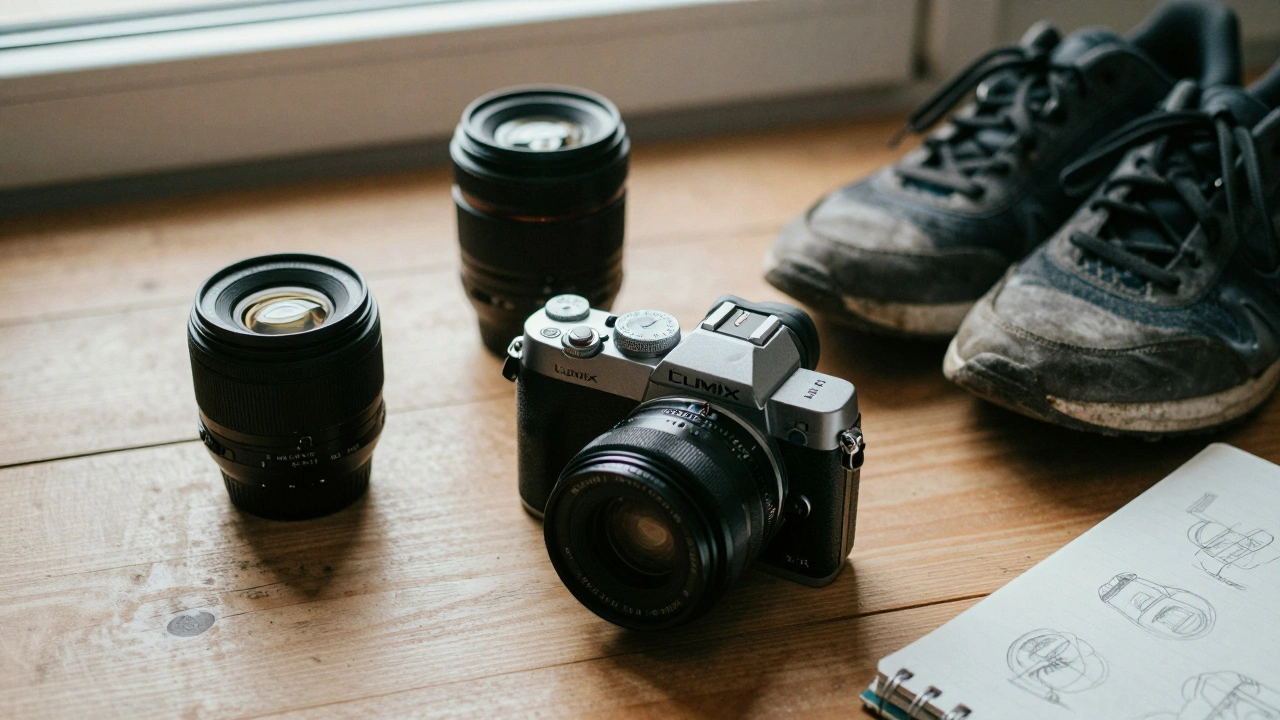
What Lens Should You Start With?
Kit lenses are fine. Seriously. They’re not great, but they’re good enough to learn on. Most beginners think they need a fast lens right away. They don’t.
Start with what comes in the box. Learn how to use aperture, shutter speed, and ISO. Learn how light works. Learn how to frame a shot. Then, upgrade.
When you’re ready, the Sigma 18-50mm f/2.8 is the best next step. It’s sharp, has a constant f/2.8 aperture (no more f/5.6 at the zoom end), and costs under $300. It’s perfect for portraits, low-light scenes, and video.
Or go prime. A 50mm f/1.8 lens is $100. It forces you to move. It teaches you composition. It gives you creamy background blur. It’s the most affordable upgrade you can make.
What to Avoid
Don’t buy a full-frame camera as your first camera. The Sony a7 series, Nikon Z5, or Canon R6? They’re great - but they’re overkill. They’re heavier. More expensive. And the learning curve is steeper. You’ll end up using auto mode anyway.
Don’t buy a camera with no touchscreen. Touchscreens make focusing and navigating menus easy. If you’re coming from a phone, you’ll thank yourself later.
Don’t buy a camera just because it has 4K video. If you’re not shooting video, it’s a waste. Focus on stills first.
Final Thoughts
The best beginner camera kit is the one you’ll actually use. Not the one with the most specs. Not the one with the fanciest brand. The one that fits in your bag, turns on quickly, and doesn’t make you feel dumb when you press a button.
For most people: Canon EOS R100. For travelers: Nikon P1100. For budget builders: used Micro Four Thirds. For those who want to grow: Fujifilm X-T5. For bargain hunters: used Sony a6400 or Canon Rebel T7.
And remember: your first photo won’t be great. Your hundredth might be. Your thousandth? That’s when you’ll realize the camera didn’t make the picture - you did.
What’s the cheapest good camera for beginners in 2026?
The Canon EOS Rebel T7 (EOS 2000D) with a kit lens is the cheapest reliable option at $480. It has a 24-megapixel sensor and decent autofocus. For mirrorless, the Canon EOS R100 starts at $550 and is easier to use if you’re coming from a smartphone.
Should I buy a new or used camera as a beginner?
Buy used. Cameras like the Sony a6400, Panasonic GX7, or Nikon D5600 can be found in excellent condition for 30-40% less than new. Retailers like MPB test and warranty them. You get better performance for less money, and you can upgrade later without losing much value.
Do I need a lens upgrade right away?
No. The kit lens that comes with your camera is perfectly fine for learning exposure and composition. Upgrade only after you understand what you’re missing - like shallow depth of field or better low-light performance. Then, the Sigma 18-50mm f/2.8 or a 50mm f/1.8 prime lens are the best next steps.
Is Micro Four Thirds a good system for beginners?
Yes - especially if you’re on a tight budget. Cameras like the Panasonic GX800 and GF7 are small, have flip screens, shoot raw, and work with dozens of affordable used lenses. The system is mature, so parts and accessories are easy to find. It’s a great way to learn without overspending.
What’s the difference between APS-C and full-frame for beginners?
APS-C sensors (in cameras like the Canon R100, Fujifilm X-T5, or Sony a6400) are smaller, lighter, and cheaper. Full-frame (like the Canon R6 or Nikon Z5) offers better low-light performance and shallower depth of field - but costs more, weighs more, and often overwhelms beginners. Stick with APS-C until you’re sure you need more.
Can I use my beginner camera for video?
Yes. Most beginner kits in 2026 record 4K video. The Canon R100, Sony a6400, and Fujifilm X-T5 all have good autofocus for video. If you want to shoot vlogs or YouTube clips, look for a model with a flip-out screen and a mic input. But don’t prioritize video features if you’re mainly shooting photos.