Most wedding photos look like posed portraits. Everyone smiles at the camera. Arms are arranged. Backgrounds are cleaned up. It’s neat. It’s safe. But it’s not real.
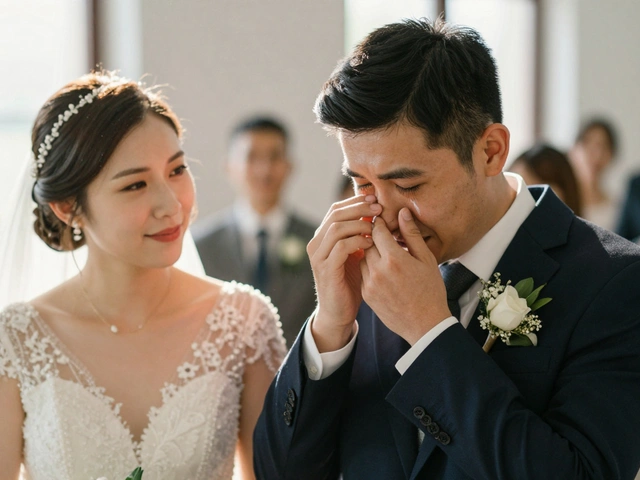
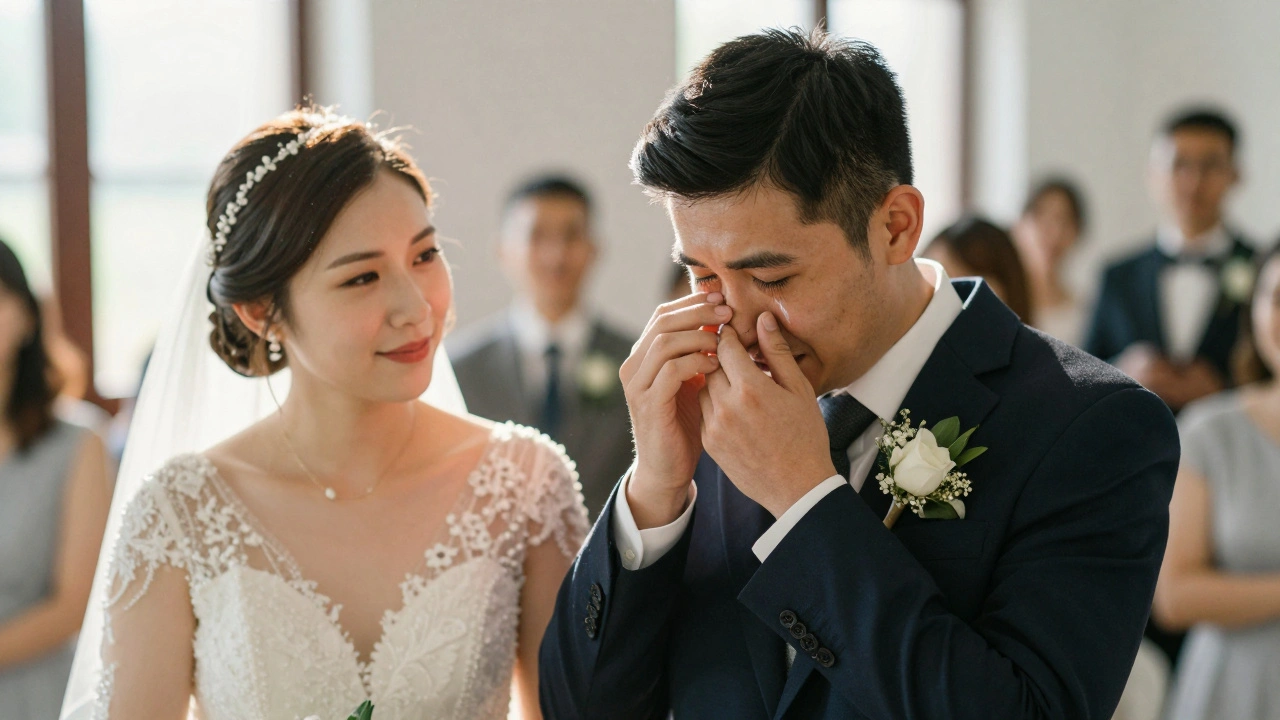
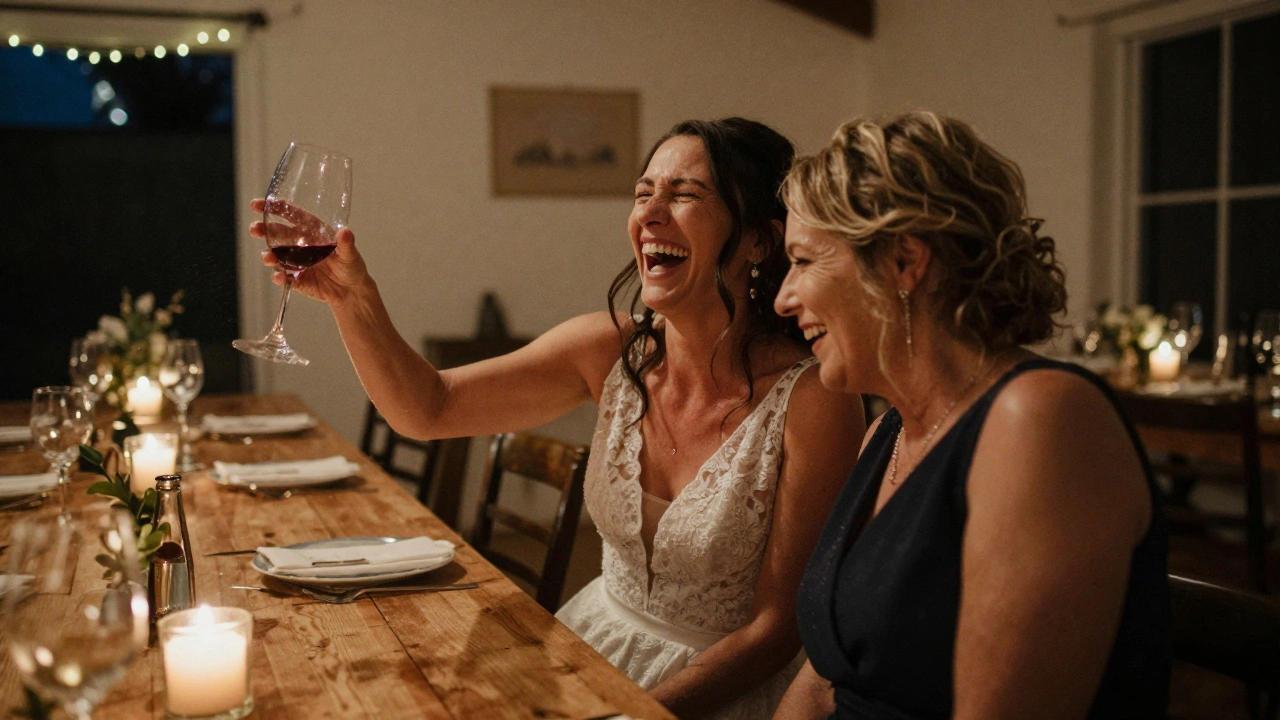
Then there are the photos that make you stop scrolling. The one where the groom wipes a tear without realizing his face is caught mid-sentence. The bride laughing so hard she leans into her mom, both of them forgetting the camera is there. The ring bearer tripping, then grinning as he picks himself up. These aren’t staged. They’re not planned. They’re candid wedding photojournalism.
This isn’t just a trend. It’s a shift in how we remember love. Instead of asking couples to perform for the camera, the photographer steps back and lets the day unfold. No prompts. No "say cheese." Just raw, unfiltered moments that carry the weight of real emotion.
What Makes Candid Wedding Photojournalism Different?
Candid wedding photojournalism doesn’t try to create beauty. It finds it. It’s not about perfect lighting or symmetrical framing. It’s about timing, intuition, and patience. The goal isn’t to control the scene-it’s to disappear into it.
Traditional wedding photography often follows a checklist: first look, family portraits, cake cutting, first dance. Candid photojournalism ignores the checklist. It watches. It listens. It waits for the moment when laughter cracks through a toast, when a grandmother holds the bride’s hand just a second longer than expected, when the groom whispers something that makes his bride’s eyes light up without a single word spoken.
It’s documentary-style photography rooted in truth. Think of it like a news photographer covering a historic event-but instead of a protest or a parade, the event is a wedding. The subjects aren’t celebrities. They’re people in love. And the story? It’s written in glances, touches, and quiet tears.
How It’s Done: The Hidden Skill Behind "Effortless" Shots
Many people think candid photography means just pointing the camera and hoping for the best. That’s not true. It’s the opposite. It’s deliberate. It’s calculated. It’s exhausting.
Experienced candid wedding photographers don’t wait for moments-they predict them. They notice the way someone’s shoulders tense before they cry. They hear the shift in tone before a joke lands. They see the glance between two people that says more than any pose ever could.
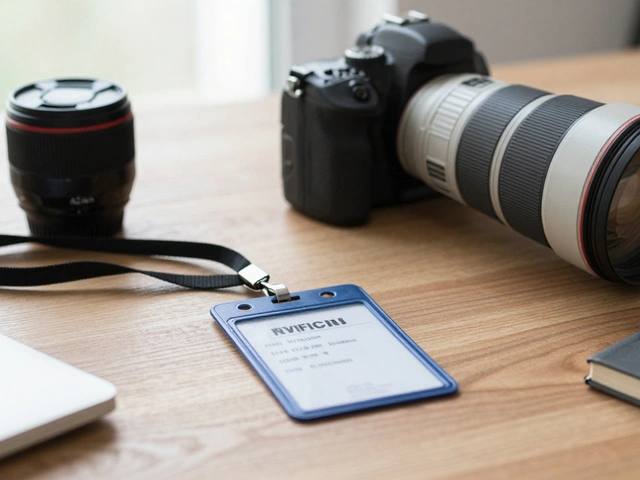
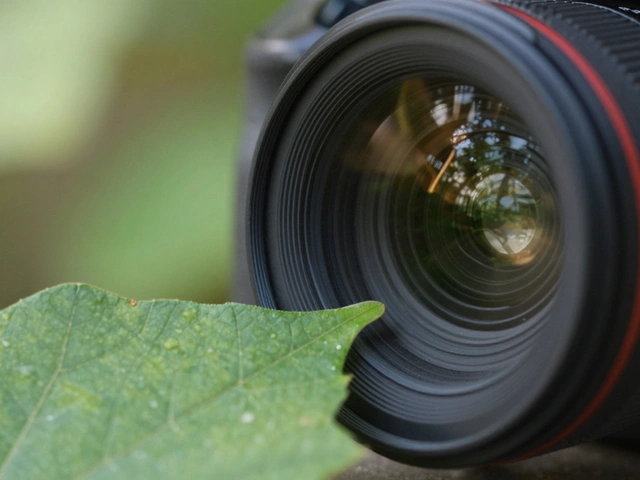
They’re always ready. Two cameras. One with a 35mm lens for close, intimate shots. The other with a 70-200mm zoom to capture moments from across the room without intruding. Fast shutter speeds-1/500th of a second or faster-to freeze motion. Continuous shooting mode to catch a sequence of expressions as they evolve.
Lighting? No flashes. No reflectors. No studio lights. Natural light is king. Window light. Candle glow. The dim glow of string lights at dusk. The photographer doesn’t force the light. They work with it. They let the mood of the room shape the image.
And they’re quiet. Not because they’re shy, but because they know that the moment dies the second someone says, "Hey, look here!"
The Myth of "No Posing"
Some couples want 100% no-direction photography. They want the photographer to be invisible. But even the best candid photographers don’t just stand there. They guide-gently.
Instead of saying, "Stand here and kiss," they say, "Tell her why you fell in love." Or, "What’s your favorite memory of her?"
These prompts don’t create a pose. They create a conversation. And in that conversation, the real emotion surfaces. The smile that comes when the groom says, "I still remember her socks on the kitchen floor." The tear that falls when the bride whispers, "You made me feel like I belonged."
This isn’t manipulation. It’s invitation. It’s giving people permission to be themselves, not to perform.
Think of it like a great interview. The best questions don’t lead to answers. They lead to stories. Candid wedding photography works the same way.
What You Get That You Can’t Replicate
Staged photos are beautiful. But they’re flat. They’re one-dimensional. They show what happened. Candid photos show how it felt.
Imagine flipping through your album years from now. You’ll see:
- The moment your dad hugged you and didn’t let go-his hand trembling, his voice breaking.
- Your best friend, mid-laugh, wine glass half-spilled, completely unaware of the chaos around her.
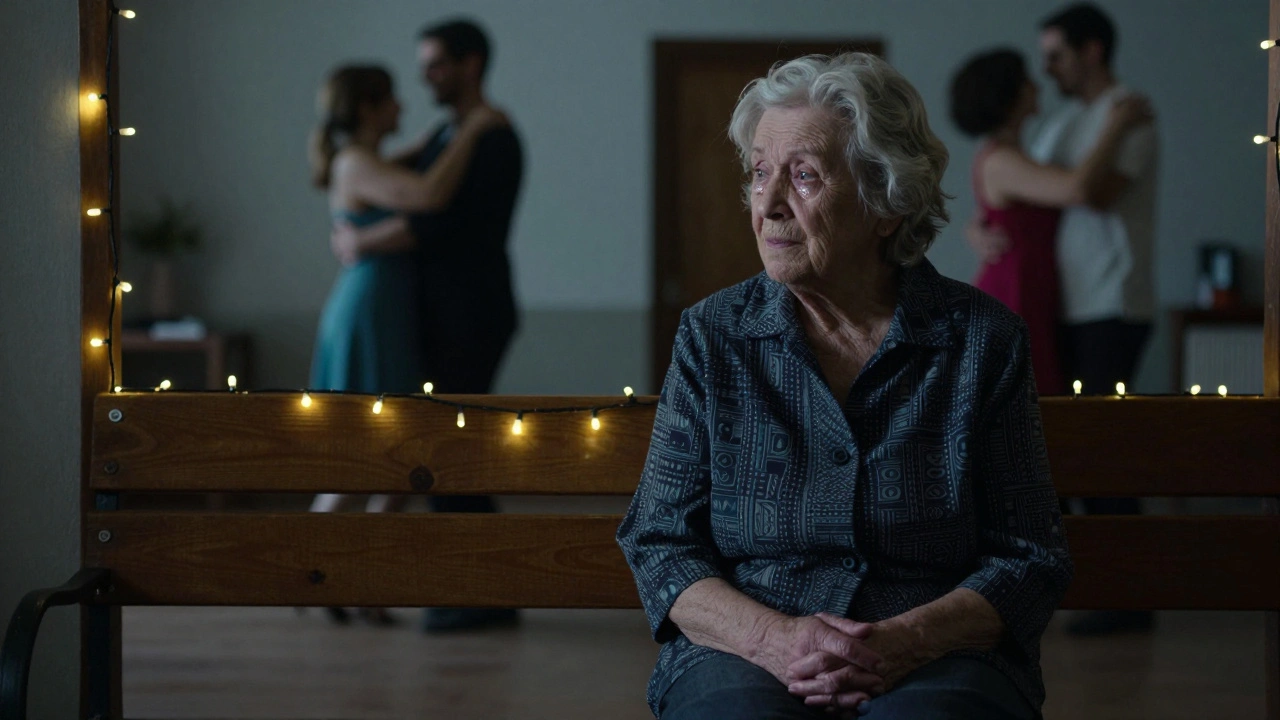
- Your grandma, sitting alone on a bench, watching you dance, her eyes full of memories you’ll never know.
- The ring bearer, running the wrong way, then turning around with a grin like he just won the lottery.
- Your partner, staring at you like you’re the only thing in the room, even though the whole place is dancing.
These aren’t moments you can recreate. You can’t ask someone to cry on cue. You can’t plan a perfect photobomb. You can’t direct a genuine laugh. But when you let the day breathe, these moments happen. And a skilled photojournalist is there to catch them.
Why This Style Lasts
Wedding photos aren’t just decorations. They’re time capsules. They’re emotional anchors.
When you look at a candid photo, you don’t just see a face. You feel the air in the room. You hear the music. You remember the smell of rain on the lawn. You remember how your heart felt in that second.
That’s why couples who choose candid photojournalism say, "I didn’t just get photos. I got my day back."
It’s not about the number of shots. It’s about the depth of each one. One perfect candid moment holds more truth than ten perfectly lit poses.
And when you’re older, when the kids are grown, when the music has faded-it’s not the posed shots you’ll pull out. It’s the ones where you were truly, completely, unguardedly happy.
What to Look for in a Candid Wedding Photographer
Not every photographer who says "I do candid" actually does it well. Here’s what to look for:
- Look at their full gallery-not just the highlights. Do they have 50+ images of real, unposed moments? Or just 5 perfect portraits and the rest awkward group shots?
- Do their photos show emotion, not just expression? A smile isn’t enough. Look for tears, laughter, exhaustion, quiet awe.
- Check if they use two cameras. If they don’t, they’re missing moments.
- Ask how they handle lighting. If they mention flashes or studio gear, they’re not fully candid.
- Ask for a full wedding day gallery, from getting ready to last dance. Can you see the story unfold?
And don’t be fooled by "documentary" labels. Some photographers call themselves documentary but still direct every shot. Ask them: "Will you tell me what to do, or will you just watch?"
Who This Style Is Best For
Candid wedding photojournalism isn’t for everyone. But if you’re one of these people, it’s perfect:
- You hate being told what to do.
- You want photos that feel like you-not a magazine.
- You care more about how the day felt than how it looked.
- You’re not afraid of messy hair, crooked ties, or spilled wine.
- You want your kids to look at these photos one day and say, "That’s what my parents were really like."
If you’re planning a small, intimate wedding-or even a big, wild one-this style will capture the soul of it.
Final Thought: The Real Gift
Weddings are fleeting. The flowers fade. The cake is eaten. The music stops.
But the moments? Those stay. And when you have a photographer who knows how to see them, you get more than photos. You get a living memory.
Not every wedding needs to look like a movie. Some just need to feel like home.
Is candid wedding photography the same as photojournalism?
Yes, in practice, candid wedding photography is a form of photojournalism. It follows the same principles: documenting real events without interference. The difference is context. While traditional photojournalism covers news events, wedding photojournalism captures personal, emotional milestones. Both aim for truth, not artifice.
Do I still need posed shots if I choose candid photography?
Not necessarily. Many couples skip posed shots entirely. But if you want a few classic images-like a formal portrait of the couple or a group shot with parents-ask your photographer to slip them in quietly. A good candid photographer can take those without disrupting the flow. Just make sure they don’t turn into a full portrait session.
How many photos should I expect from a candid session?
You’ll typically get between 500 and 800 images from a full-day wedding. That’s because candid photographers shoot in bursts-capturing dozens of frames for each moment. They then carefully select the strongest, most authentic ones. Don’t expect hundreds of "perfect" shots. Expect dozens of unforgettable ones.
Can candid photos still be edited and color-graded?
Absolutely. Editing isn’t about changing the moment-it’s about honoring it. Color correction, contrast adjustments, and subtle toning help the emotion stand out. A good candid photographer will never add fake smiles, remove people, or turn a candid moment into a glossy ad. They enhance the truth, not replace it.
What if my family is shy or camera-shy?
That’s actually ideal. Candid photographers thrive in quiet, natural settings. Shy people often reveal their truest selves when they think no one is watching. The photographer’s job is to blend in, not to draw attention. Many families who were nervous at first end up saying, "I didn’t even realize they were there."