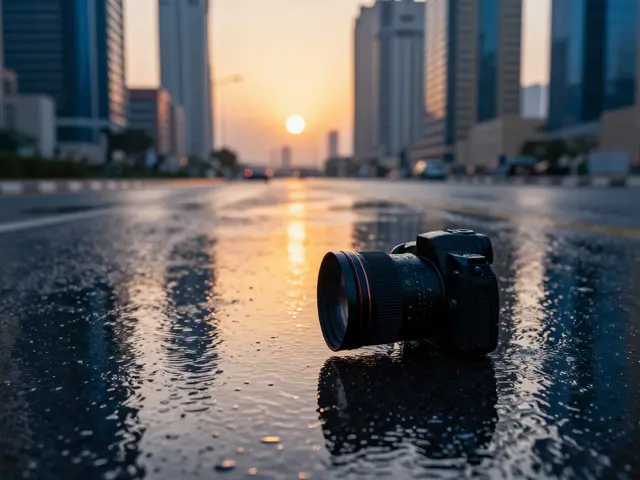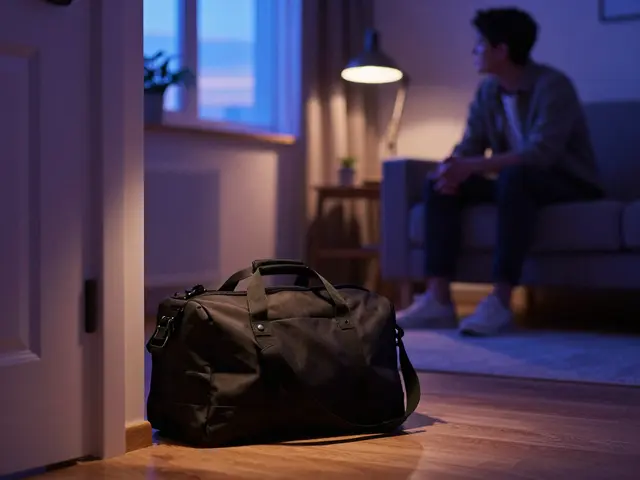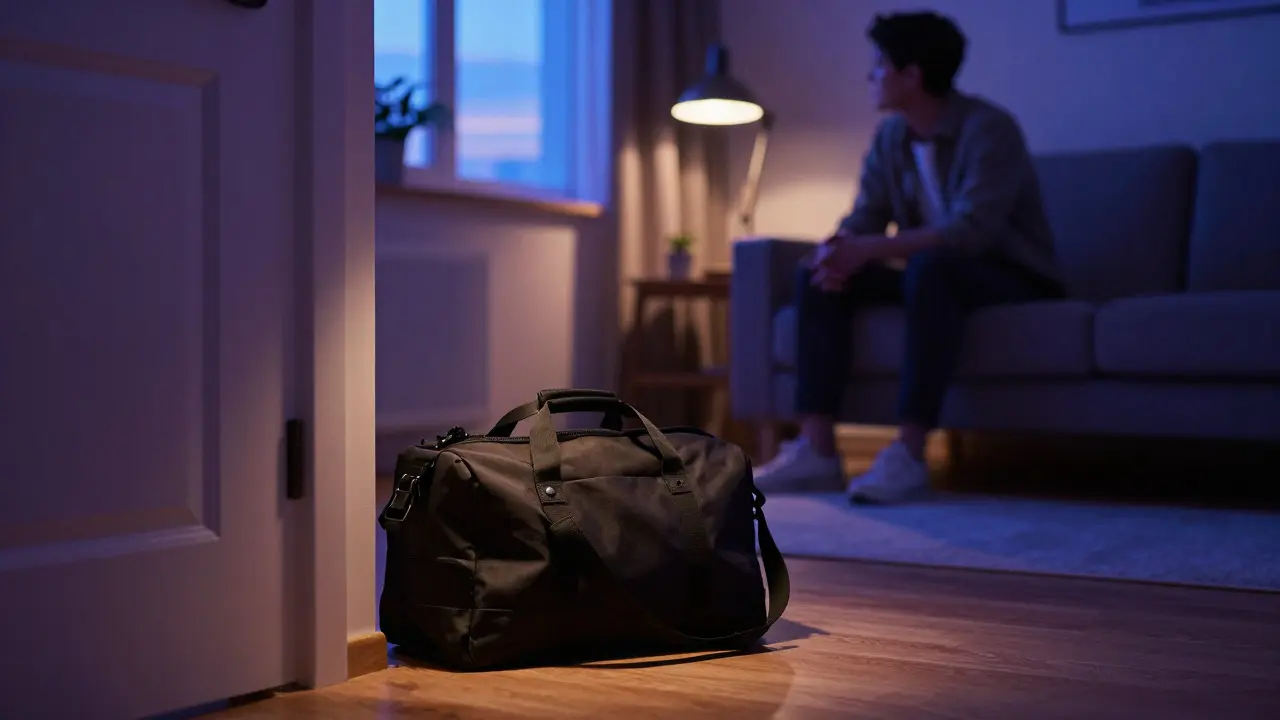
It’s 10 PM on a Tuesday. You’re staring at your camera bag in the corner of the room, wondering if you have enough energy to go out and shoot one more portrait or landscape before the light dies completely. If this sounds familiar, you aren’t lazy; you’re just fighting against a modern lifestyle that leaves little room for deliberate practice. Photography practice is the disciplined act of refining technical skills and artistic vision through consistent shooting and review. Unlike learning to code or play piano, where progress is often measurable in lines written or scales played, photography progress is subtle and deeply personal. Without a structured approach, it’s easy to drift into "hobby mode," where you take photos only when inspiration strikes, leading to plateaus in skill development.
The Myth of the "Perfect" Shooting Schedule
Many photographers believe they need dedicated blocks of four to six hours every weekend to make real progress. This is a myth that leads to burnout. The reality is that consistency beats intensity. Research on skill acquisition suggests that spaced repetition-short, frequent sessions-is far more effective for long-term retention than cramming. For a working professional or parent, this means finding the "micro-moments" in your day. Maybe it’s 30 minutes after work to shoot street scenes on the way home. Maybe it’s 15 minutes in the morning to edit one image while your coffee brews. These small inputs compound over months, creating a foundation that large, sporadic sessions never can.
Auditing Your Creative Time
Before you can manage your time, you need to know where it’s going. Most people overestimate how much free time they have and underestimate the friction involved in starting a creative task. Try this simple audit for one week:
- Track all leisure time: Note exactly what you do during breaks, evenings, and weekends. Be honest about scrolling social media versus active engagement.
- Identify "low-energy" windows: When are you too tired to shoot but alert enough to look at images? This is prime time for culling and editing.
- Note "high-energy" windows: When are you most creative? Save these for concepting new shoots or complex lighting setups.
This data reveals patterns. You might find you have 45 minutes of high-quality attention every evening from 7:00 PM to 7:45 PM. That is your non-negotiable practice slot. Protect it like a business meeting.
Structuring the Practice Session
Once you’ve identified your time slots, you need a structure so you don’t waste them wandering aimlessly with your camera. A well-structured session has three distinct phases: Preparation, Execution, and Review.
- Preparation (10% of time): Define the goal. Are you practicing composition? Exposure control? Post-processing speed? Set one specific objective. Load your camera, check batteries, and plan your location or subject. Do not start shooting until the goal is clear.
- Execution (60% of time): Shoot with intent. If the goal is exposure, vary your settings deliberately. Don’t just click the shutter; think about why each shot works or fails. Keep the number of shots reasonable-quality over quantity.
- Review (30% of time): This is where the actual learning happens. Look at your images critically. What did you learn? How can you apply it next time? Write down one takeaway. Without this step, shooting is just collecting digital files.
Tools and Systems for Consistency
You don’t need expensive software to manage your time, but having the right systems reduces friction. Friction is the enemy of habit. If it takes ten minutes to get your camera ready, you’ll skip the session half the time.
Consider using a simple spreadsheet or a note-taking app to log your goals and outcomes. Seeing your progress visually reinforces the habit. Also, prepare your gear the night before. A charged battery and formatted memory card save precious minutes that could otherwise be spent troubleshooting.
Overcoming Common Pitfalls
Even with a plan, obstacles arise. The most common pitfall is perfectionism. Waiting for the "perfect" light or the "perfect" subject keeps you from practicing. Bad light is actually great for practicing exposure compensation and white balance. Messy backgrounds teach you how to simplify compositions. Embrace imperfection as part of the process.
Another trap is neglecting post-production. Many photographers spend 90% of their time shooting and 10% editing. To truly understand your craft, you need to spend equal time in the darkroom (digital). Editing teaches you what worked and what didn’t. It’s also where you develop your unique style. If you only shoot, you remain a technician. If you edit, you become an artist.

Building a Sustainable Routine
Sustainability is key. A routine that lasts three weeks is better than one that lasts three days. Start small. If you can only commit to 15 minutes a day, do that. As your confidence grows, expand the time. Link your practice to an existing habit. For example, "After I pour my morning coffee, I will open Lightroom for 10 minutes." This technique, known as habit stacking, leverages neural pathways already established in your brain.
Finally, be kind to yourself. There will be days when you miss your slot. Life happens. Don’t let one missed day turn into a month of inactivity. Just pick up where you left off. The goal isn’t to be perfect; it’s to be present with your craft consistently.
Frequently Asked Questions
How much time should I spend practicing photography daily?
Aim for 15 to 30 minutes of focused practice daily. Consistency is more important than duration. Short, regular sessions help build muscle memory and creative habits without leading to burnout.
What if I don't have good light available for practice?
Bad light is excellent for practice. Use flat, overcast days to practice composition and color grading. Use harsh midday sun to practice shadow management and exposure bracketing. Constraints often lead to more creative solutions.
Is editing considered part of photography practice?
Yes, absolutely. Editing is where you finalize your artistic vision. Spending time in post-production helps you understand how your initial choices affect the final image and allows you to develop a consistent personal style.
How do I stay motivated when progress feels slow?
Keep a visual journal of your best images from each month. Comparing your current work to your work from three months ago provides tangible evidence of improvement. Focus on the process rather than immediate results.
Do I need to buy new equipment to improve my skills?
No. Skill improvement comes from understanding how to use the tools you have. Master your current camera’s features, lenses, and lighting capabilities before investing in new gear. New equipment can sometimes distract from fundamental learning.