Drop a mirrorless camera on concrete, and you’re not just losing gear; you’re losing weeks of work. For many photographers, the choice between a simple neck strap and a full-body photographer harness is a critical decision that balances weight distribution against mobility. It’s not just about style-it’s about whether your shoulders will survive an eight-hour wedding or a hike in the rain.
Most people buy their first camera strap without thinking twice. They grab the one included in the box or a cheap generic option from a store. But once you add a heavy lens like a 70-200mm f/2.8, the math changes. A single setup can weigh over five pounds. That weight, hanging from two small points on your neck, creates significant strain on the cervical spine. This is where proper gear selection moves from accessory to essential tool.
Understanding the Weight Problem
Before picking a strap, you need to know exactly what you’re carrying. The total load isn't just the camera body. It includes the lens, battery grip, and any attached accessories.
- Compact Setup: Mirrorless body + prime lens (approx. 2-3 lbs). A standard neck strap often suffices here.
- Standard Pro Setup: DSLR/Mirrorless + zoom lens (approx. 4-6 lbs). This is the danger zone where neck fatigue sets in quickly.
- Heavy Rig: Camera + lens + flash + recorder (approx. 7+ lbs). This requires a harness or sling system to remain functional.
If you are shooting events, you are likely in the "Standard Pro" category. In this range, the difference between a padded leather strap and a technical neoprene strap is the difference between a comfortable afternoon and a stiff neck by dinner time. The material matters because it determines how much pressure is distributed across the shoulder versus concentrated at the attachment point.
Neck Straps vs. Sling Straps
The most common debate in the community is between traditional neck straps and sling straps. Each serves a different purpose based on how you shoot.
| Feature | Neck Strap | Sling Strap |
|---|---|---|
| Access Speed | Instant (camera stays in front) | Moderate (must swing up) |
| Comfort (Static) | Low (weight on neck) | High (weight on chest/back) |
| Mobility | Restricted (arms limited) | High (arms free) |
| Best For | Studio, Portraits, Static Events | Street, Travel, Action |
A sling strap is a wide band that goes over one shoulder and rests against the torso. It keeps the camera close to your center of gravity. When you need to shoot, you simply lift the camera with one hand. When you don’t, it hangs low, out of the way. This is ideal for street photography where you might take 50 photos in an hour but only use the camera for 10 seconds at a time. The constant swinging motion prevents the neck from bearing the static load.
However, if you are shooting a formal portrait session where the camera is always raised to eye level, a sling is annoying. You are constantly fighting the strap to keep the camera up. In these cases, a high-quality neck strap with memory foam padding is superior. Look for straps that have a "breakaway" safety clip. If you trip, the strap releases rather than dragging the camera into a wall or tripping you further.
The Photographer Harness System
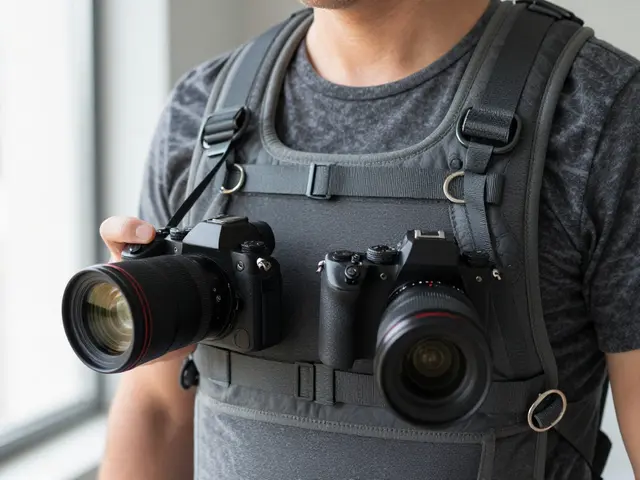
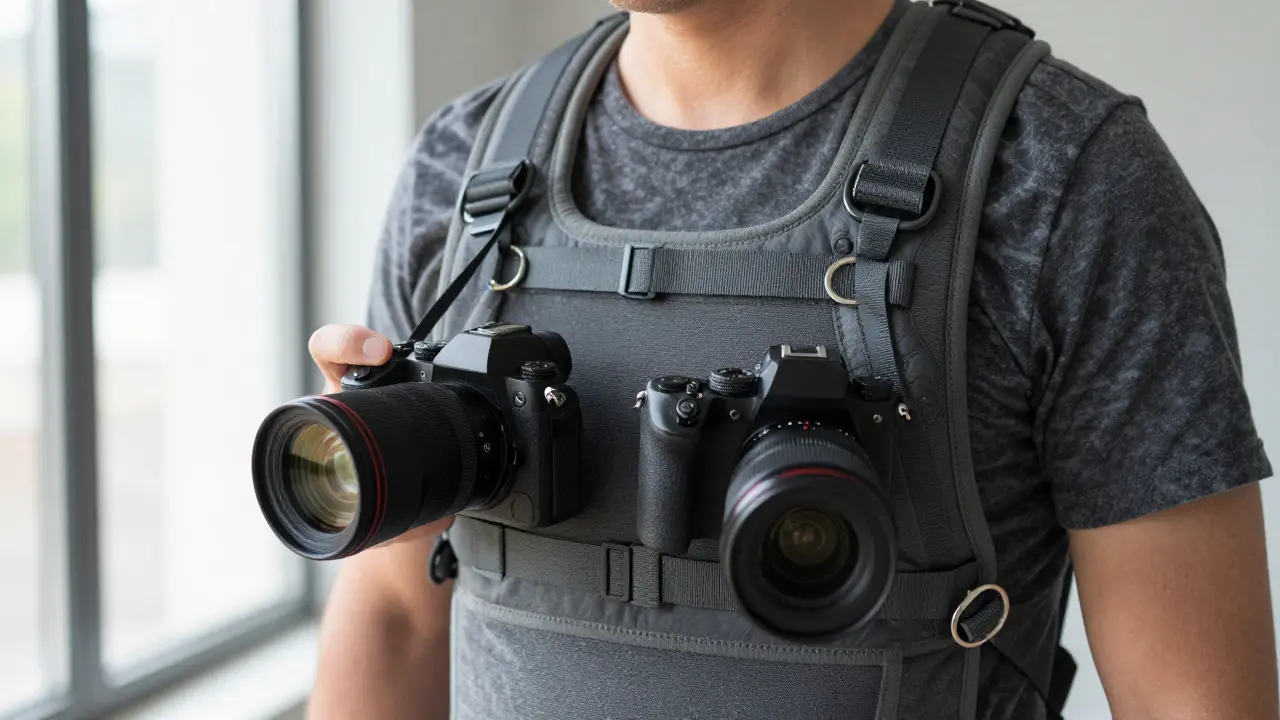
When you carry multiple bodies or heavy lenses, a photographer harness becomes the industry standard for professional endurance. Unlike a bag, a harness does not require you to put the camera inside a pocket. It holds the camera externally, ready for immediate access.
There are two main types of harnesses:
The key advantage here is ergonomics. By moving the weight from the neck to the chest and back, you reduce spinal compression. However, harnesses have a learning curve. They can feel bulky, and if not fitted correctly, they can chafe under the arms. You must adjust the straps so the harness sits snugly but allows for deep breathing. A loose harness bounces; a tight harness restricts blood flow. Finding the middle ground takes a few days of practice. The fabric of your strap dictates its lifespan and comfort.
For most users, a hybrid approach works best. A nylon core for strength with a neoprene or memory foam outer layer for comfort. Avoid thin webbing straps unless you are carrying very light gear. Webbing cuts into the shoulder after two hours of continuous wear. Comfort is half the battle; security is the other. A nice strap that snaps is useless. Check for these specific features before buying:
Don't ignore the hardware. Cheap brass D-rings corrode. Stainless steel or aluminum alloy is preferable. Test the buckle mechanism repeatedly before purchasing. If it feels wobbly, it will fail when you need it most. Even the best strap fails if it’s used incorrectly. Here is how to optimize your setup:
Consider your shooting environment. If you are climbing stairs, a sling is safer than a neck strap because the camera won't swing wildly. If you are sitting in a studio chair, a neck strap is more convenient because you don't have to manage the bulk of a harness around your knees. Many photographers make the same errors that lead to discomfort or loss of gear.
Finally, listen to your body. If your neck hurts, change your system. There is no prestige in suffering through pain. The right gear supports your craft; the wrong gear hinders it. For heavy DSLRs, a padded neoprene neck strap or a single-body chest harness is recommended. These distribute weight away from the neck and provide cushioning to prevent digging into the shoulder. Yes, if you do street or travel photography. Slings offer better mobility and comfort for long walks. However, for studio or portrait work, a standard neck strap may be more practical due to faster access. Choose leather for durability and aesthetic appeal in dry conditions. Choose nylon for lightweight performance and water resistance. Neoprene is a good middle ground for comfort in varying temperatures. A harness replaces the carrying function of a bag for active shooting. It keeps cameras accessible and secure. However, you still need a bag to store lenses, batteries, and other accessories when not in use. Look for a breakaway buckle to prevent injury during falls, reinforced stitching for durability, and lockable D-rings for theft protection. Regular inspection of the hardware is also crucial for safety.
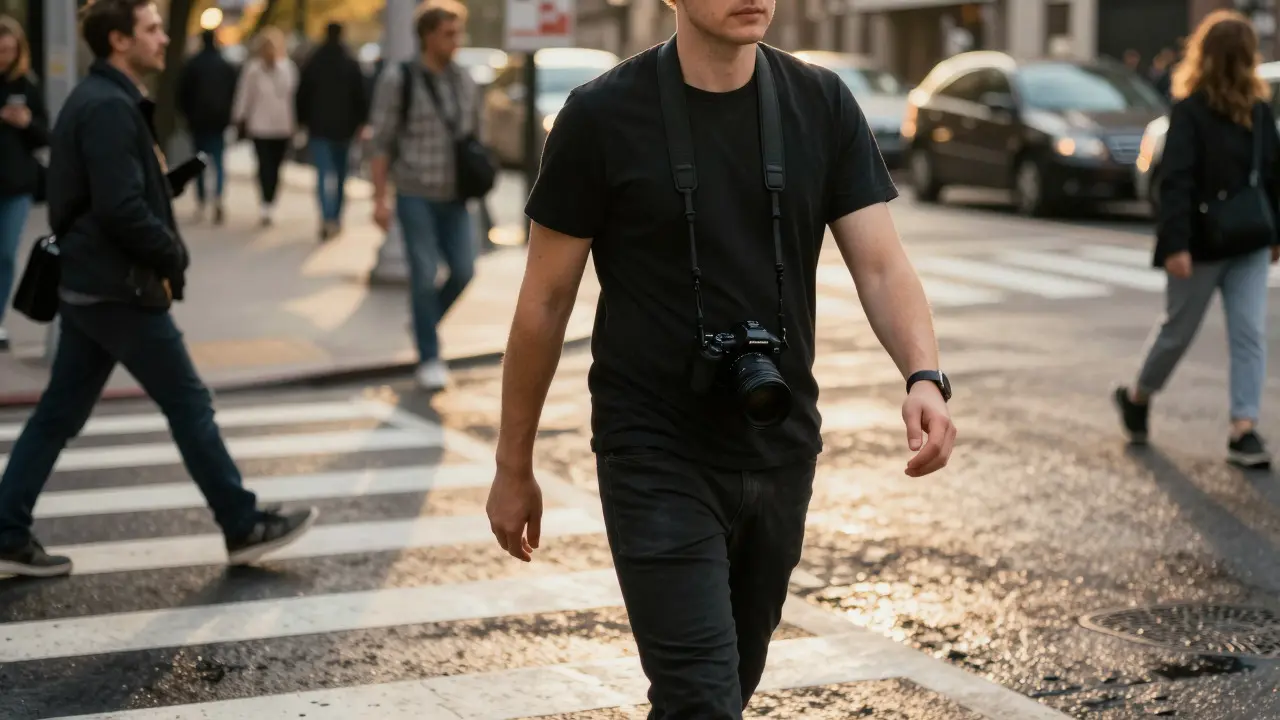
Material Matters: Leather, Nylon, and Neoprene
Security Features to Look For
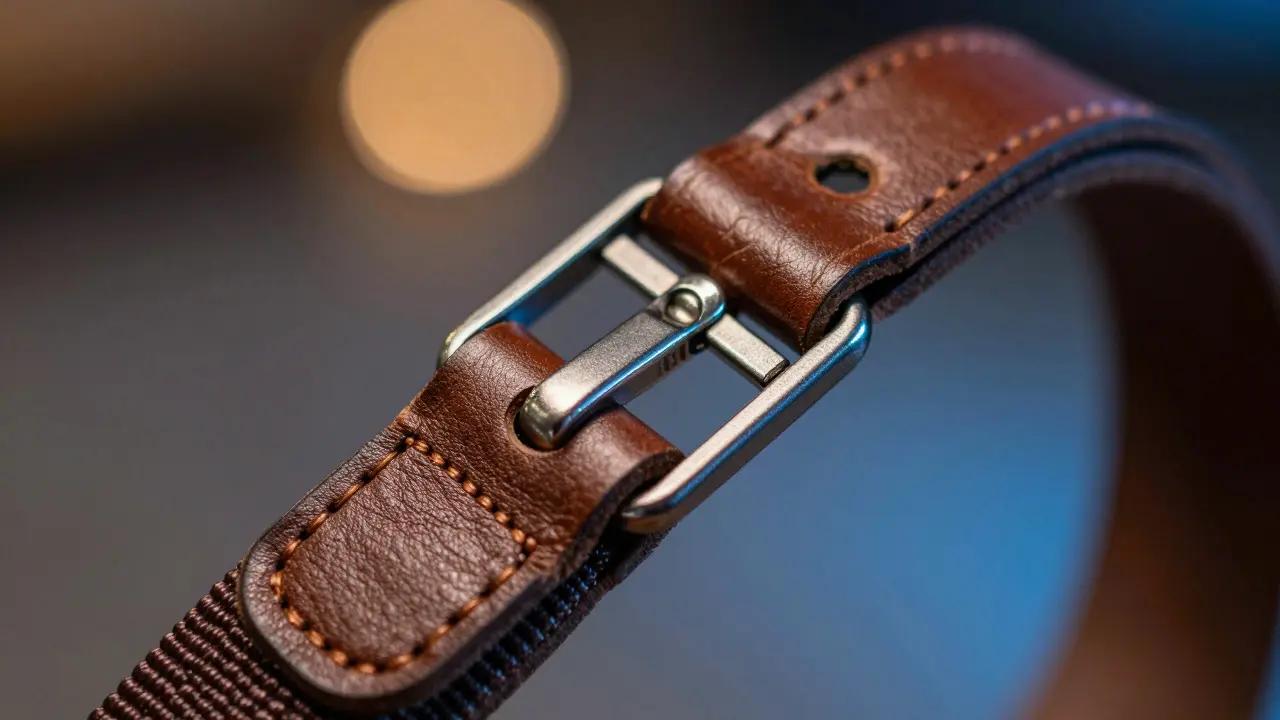
Fitting Your Gear for Maximum Efficiency
Common Mistakes to Avoid
What is the best strap for a heavy DSLR?
Are camera slings worth it for beginners?
How do I choose between leather and nylon straps?
Can a harness replace a camera bag?
What safety features should a camera strap have?