Ever watched a game from the stands and thought, "How does that photographer get such close shots without getting hit?" It’s a mix of luck, timing, and strict discipline. But on the field, it’s not about luck. It’s about knowing where the danger zones are and respecting the invisible lines that keep you safe while capturing the perfect moment. If you’re stepping onto the sidelines for your first assignment or trying to sharpen your instincts, understanding sports photography safety is non-negotiable.
The Invisible Line: Understanding Sideline Boundaries
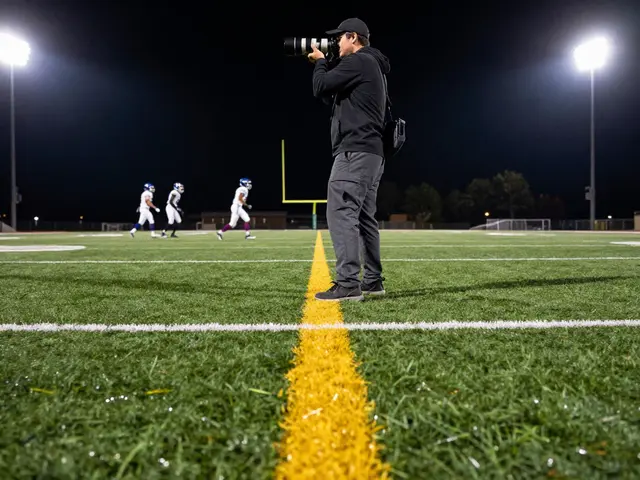
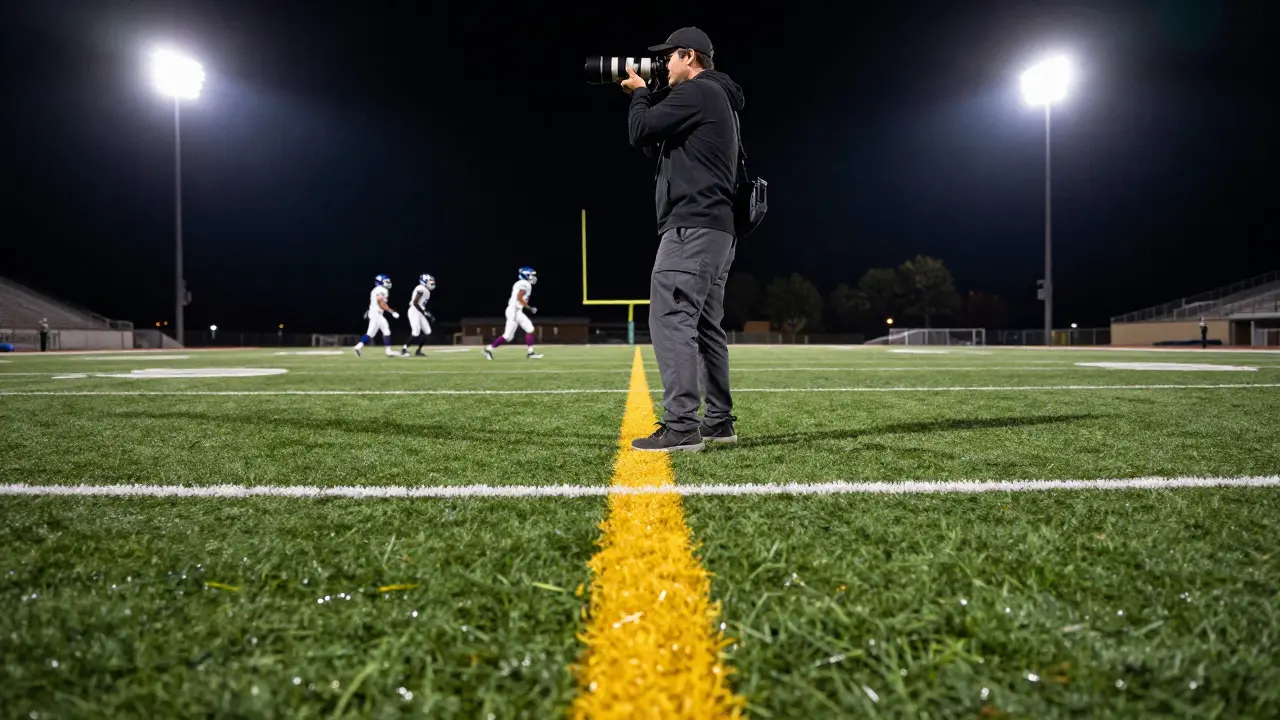
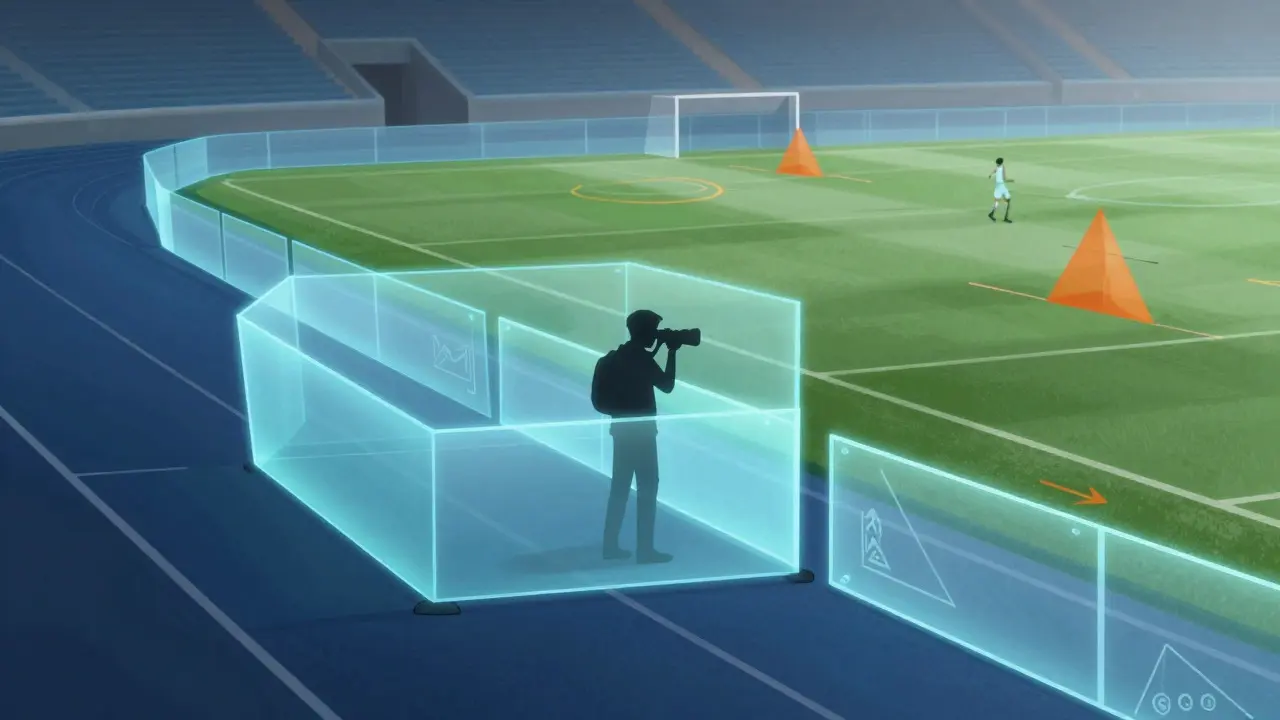
Every sport has a designated area for media personnel. In American football, this is usually a yellow line painted on the turf, roughly 10 to 15 feet behind the goalposts. In soccer, it’s often marked by cones or tape near the touchline. These aren't suggestions; they are hard limits enforced by officials. Crossing them can result in an ejection, a fine, or worse, a collision with a player moving at full speed.
Before you even pick up your camera, walk the perimeter. Identify the exact spot where your lane begins and ends. Talk to the head referee or the media coordinator. Ask specifically about any temporary restrictions due to crowd size or field conditions. For example, during high-stakes games, some leagues tighten the buffer zone to prevent accidental interference with play. Knowing these nuances saves you from awkward confrontations later.
Gear That Keeps You Mobile and Safe
Your equipment dictates how quickly you can react. A heavy tripod might be great for static shots, but on the active sideline, it’s a liability. Most professional sports photographers use single-lens reflex (SLR) or mirrorless cameras with fast autofocus systems. Brands like Canon and Nikon dominate this space because their bodies are rugged and their lenses offer quick focal length changes.
- Camera Body: Choose a model with weather sealing. Sidelines can get wet from rain or splashes from the field.
- Lenses: A 70-200mm f/2.8 lens is the industry standard. It provides enough reach to capture action without forcing you too close to players.
- Strap: Use a short, secure strap. Long straps can snag on other photographers or equipment, causing dangerous tangles.
- Footwear: Wear non-slip shoes. Turf and artificial surfaces can become slick, especially after rain. Stability is key when you need to pivot quickly.
Positioning: The Art of Anticipation
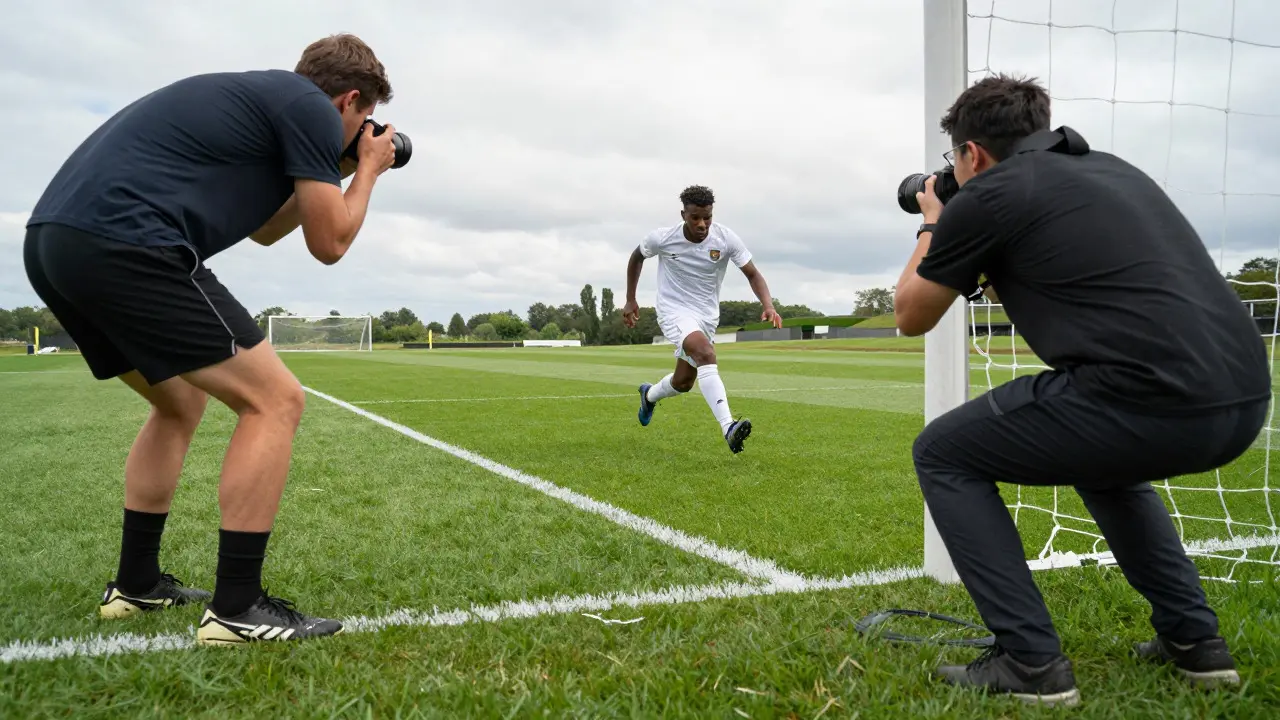
Good positioning isn’t just about seeing the ball; it’s about predicting where the action will go next. In basketball, you position yourself near the three-point line, watching the point guard. In track and field, you stay low and wide to avoid runners’ paths. The general rule is to stand slightly behind the main flow of traffic. This gives you a split-second advantage if a player breaks loose.
Always maintain a clear exit path. If you’re squeezed against a wall or a barrier, you have nowhere to go if a player comes off the rails. Leave at least two feet of space between your back and any obstacle. This small gap can be the difference between a minor stumble and a serious injury.
Reading the Game: Awareness Beyond the Lens
You can’t focus solely on the viewfinder. You need to scan the field peripherally. Watch the body language of the athletes. A sprinter leaning forward is about to explode into motion. A quarterback dropping back signals a pass is coming. By reading these cues, you can adjust your stance before the action peaks.
Also, pay attention to the officials. When a whistle blows, players don’t stop instantly. They coast, slide, or celebrate. This is when the risk is highest. Keep your eyes up and your feet ready to move. If a player is heading toward your corner, step back immediately. Don’t wait for them to see you; assume they won’t.
Common Mistakes to Avoid
Even experienced photographers make errors. Here are the most common ones that lead to incidents:
- Getting Too Close: Chasing a shot that requires crossing the boundary line. The photo isn’t worth the risk.
- Distracted Footwork: Looking down at the camera settings instead of the field. Always check settings before the play starts.
- Ignoring Weather: Wet grass or mud makes footing unpredictable. Adjust your stance accordingly.
- Overconfidence: Thinking you’ve done it a hundred times so you can relax. Stay alert every single time.
Building Relationships with Officials
One of the best ways to stay safe is to be known. Introduce yourself to the referees and coaches before the game. Let them know you’re there and that you respect their calls. If you accidentally cross the line, a quick apology and a nod usually resolve the issue. But if you’re a stranger who keeps intruding, you’ll likely face stricter enforcement. Building rapport creates a cooperative environment where everyone looks out for each other.
Emergency Preparedness
What happens if a player gets injured near you? Know the location of the nearest medical tent or ambulance bay. Carry a basic first aid kit in your bag, including band-aids, ice packs, and a flashlight. While you’re not expected to provide medical care, being prepared helps you assist until professionals arrive. Also, memorize the emergency exit routes. In case of a stadium-wide evacuation, you need to know where to go without panicking.
Frequently Asked Questions
How close can I get to the players?
You should never cross the official media line. Typically, this is 10 to 15 feet away from the active playing area in most major sports. Always verify the specific distance for the venue and league you are shooting in.
What is the best lens for sideline sports photography?
A 70-200mm f/2.8 telephoto zoom lens is the industry standard. It offers the perfect balance of reach and aperture speed, allowing you to isolate subjects from the background while staying within safe boundaries.
Do I need special permission to shoot on the sidelines?
Yes, almost all professional and semi-professional events require a media credential. This badge grants you access to the designated media areas and identifies you to security and officials as authorized personnel.
What should I do if a player runs past me?
Step back immediately and turn sideways to present a smaller profile. Do not try to shoot while backing up unless you are very experienced. Prioritize avoiding contact over capturing the shot.
Is it safe to use a monopod on the sidelines?
Generally, no. Monopods can extend outward and create tripping hazards for other photographers or obstacles for players. Handheld shooting is preferred for its agility and lower risk of entanglement.