You shoot incredible images. Your lighting is dialed in, your post-processing workflow is efficient, and your portfolio looks sharp. Yet, when you send out pitches or update your website, clients scroll past. Why? Because great photos don’t sell themselves-brands do. In a saturated market where everyone claims to be "creative" and "passionate," standing out requires more than just technical skill. It demands a clear position in the mind of your client and a distinct voice that resonates with them.
Think about the last time you hired someone for a specialized task. Did you choose the person with the most generic resume, or the one who spoke directly to your specific problem? That’s branding. For photographers, branding is not just a logo or a color palette; it is the promise you make to your client about how their experience will feel and what story their images will tell. This guide breaks down how to build that brand from the ground up, focusing on two pillars: strategic positioning and authentic voice.
The Core Problem: Why Generic Photographers Get Ignored
Most photographers fall into the trap of being a "jack of all trades." They list wedding, portrait, corporate, product, and real estate photography on their homepage. To a potential client, this signals one thing: you are average at everything. When you try to appeal to everyone, you appeal to no one. The algorithm of human attention favors specificity.
Consider the difference between a general practitioner and a specialist cardiologist. Both are doctors, but if you have heart pain, you seek the specialist. The same logic applies to photography. A client needing headshots for a tech startup doesn’t want a photographer who also shoots high school seniors. They want a photographer who understands corporate culture, LinkedIn algorithms, and the specific aesthetic of Silicon Valley minimalism.
This isn’t about excluding work you love; it’s about clarity. If your brand says "I photograph families," a corporate HR manager won’t call you. If your brand says "I help B2B founders look approachable yet authoritative," they will. The friction disappears because the value proposition is immediate.
Defining Your Positioning: Finding Your Niche Intersection
Positioning is where you sit in the competitive landscape relative to other photographers. It answers the question: "Who am I, who do I serve, and why should they care?" You can’t just pick a genre like "weddings" because there are thousands of wedding photographers. You need to find an intersection of skills, interests, and market demand.
A useful framework is the "Niche Intersection Model." Draw three circles:
- Skill Set: What are you technically best at? (e.g., natural light, studio strobes, drone footage)
- Passion/Interest: What subjects keep you motivated? (e.g., adventure travel, food, architecture)
- Market Need: Who has money and needs these images? (e.g., boutique hotels, meal kit companies, architects)
Your sweet spot lies in the center. For example, let’s say you love hiking, are great with natural light, and notice that outdoor gear brands are struggling to get authentic lifestyle shots. Your positioning becomes: "Adventure Lifestyle Photographer for Outdoor Gear Brands." Now, you aren’t competing with every wedding shooter in town. You’re competing with maybe five other specialists in your region, and you likely offer a unique perspective they lack.
To validate this position, ask yourself: Can I name three competitors who do exactly what I plan to do? If yes, can I articulate why my approach is different? Maybe they shoot moody and dark, while you shoot bright and energetic. That difference is your positioning.
Crafting Your Visual Voice: Consistency Over Perfection
Voice in photography isn’t about what you say in emails; it’s about what your images say before you speak. Visual voice is the consistent aesthetic language that ties your portfolio together. It includes color grading, composition habits, subject matter choices, and even the types of models or environments you choose.
Many photographers struggle here because they fear repetition. They worry that if every photo looks similar, they’ll seem lazy. But consistency builds trust. When a client sees ten of your images and recognizes a cohesive style, they know exactly what they’re buying. If your portfolio looks like a random stock photo site, they can’t predict the outcome of hiring you.
How do you define your visual voice? Start by auditing your last 50 favorite images. Look for patterns:
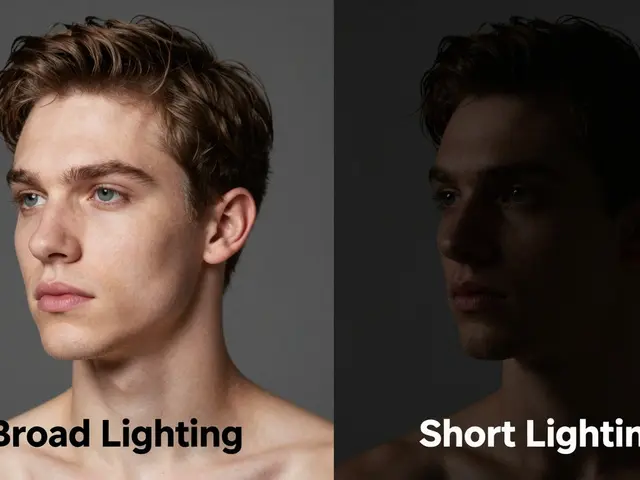
- Lighting: Do you prefer hard shadows or soft diffused light?
- Color Palette: Are your tones warm and earthy, or cool and desaturated?
- Composition: Do you use negative space heavily, or fill the frame with detail?
- Mood: Are your subjects laughing candidly, or posing formally?
Once you identify these elements, lean into them. If you realize you love shooting in golden hour with warm tones, stop trying to force yourself to shoot midday blue-hour scenes just because they’re trendy. Your visual voice should feel effortless, not forced. It’s the filter through which you see the world, and clients hire you to see their brand through that same lens.
Developing Your Verbal Voice: Tone and Messaging
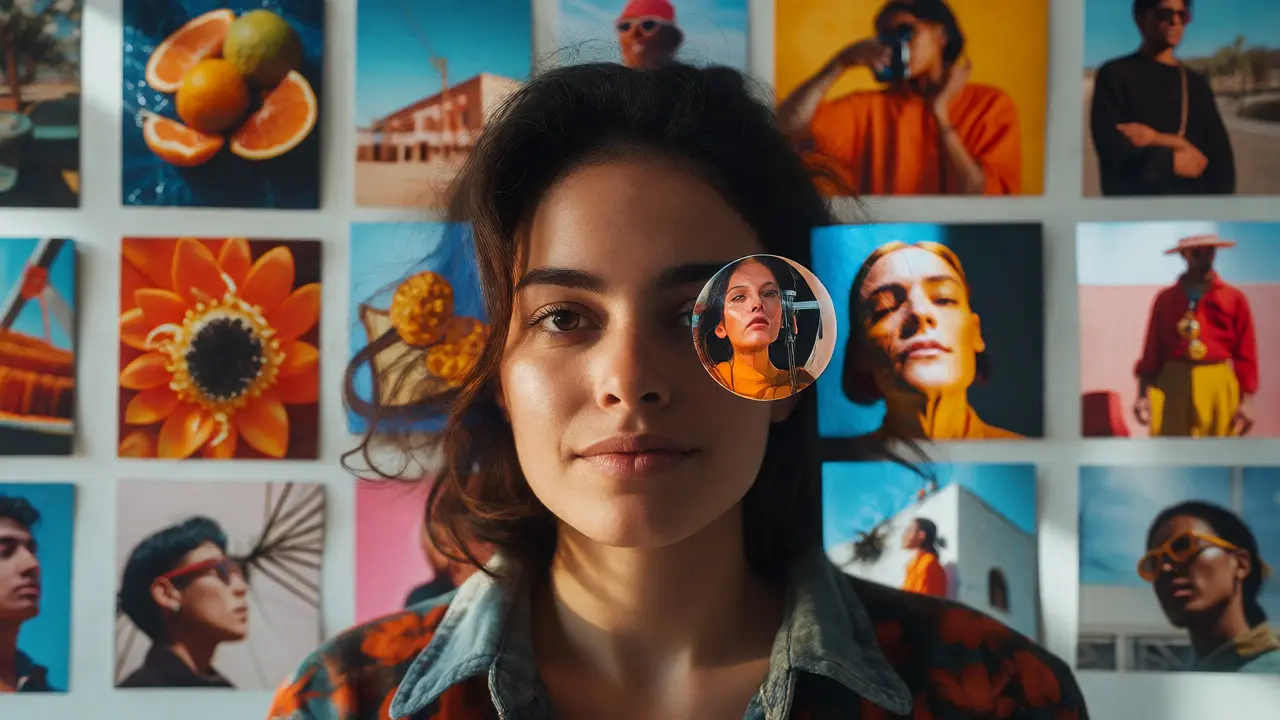
Your verbal voice complements your visual voice. It’s the tone of your website copy, your Instagram captions, and your client consultations. Does your brand feel playful and quirky? Professional and sleek? Warm and nurturing?
Mismatched voices confuse clients. Imagine a photographer whose images are edgy, high-contrast black-and-white portraits, but their website copy is filled with exclamation points and emojis about "making memories!" The disconnect creates cognitive dissonance. The client wonders, "Is this person serious or silly? Will they direct me sternly or casually?"
To align your verbal voice, write down three adjectives that describe how you want clients to feel after working with you. Then, ensure every piece of communication reflects those words.
| Brand Archetype | Visual Voice Attributes | Verbal Voice Tone | Ideal Client |
|---|---|---|---|
| The Minimalist | Clean lines, neutral colors, negative space | Direct, concise, professional | Tech startups, modern architects |
| The Storyteller | Candid moments, warm tones, dynamic angles | Narrative-driven, empathetic, descriptive | Families, non-profits, lifestyle brands |
| The Bold Creator | Saturation, unusual compositions, vibrant colors | Energetic, confident, slightly provocative | Fashion labels, fitness influencers |
Notice how the "Minimalist" photographer wouldn’t use flowery language, and the "Bold Creator" wouldn’t be shy about using strong verbs. Choose your lane and stay in it.
Testing and Refining Your Brand
You don’t need to wait until your brand is "perfect" to launch it. In fact, perfection is often procrastination. Start small. Update your Instagram bio to reflect your new positioning. Send a test email to ten prospects describing your niche service. See how they react.
If you reposition yourself as a "Food Stylist for Plant-Based Restaurants," and you get zero inquiries, don’t panic. Ask the people who didn’t reply why. Was the price too high? Was the portfolio not convincing? Or was the niche too narrow? Feedback loops are essential.
One common pitfall is changing direction too quickly. Give a new positioning strategy at least three months of consistent application before judging its success. Consistency allows the market to recognize you. If you pivot every month, you reset your recognition clock.
Another tactic is to create a "signature project." Shoot a series of 10 images that perfectly encapsulate your new brand voice. Publish them everywhere. This serves as a tangible proof point of your new identity. It shows potential clients exactly what they get, removing ambiguity.

Common Pitfalls in Photography Branding
Even experienced photographers stumble here. Here are the top mistakes to avoid:
- Chasing Trends: If you switch your entire brand because "moody editing" is popular this year, you’ll look dated next year. Build a brand around timeless values and your unique perspective, not fleeting aesthetics.
- Hiding Behind the Camera: Many photographers think their work speaks for itself so they remain anonymous online. People buy from people. Show your face, share your process, and let your personality shine through.
- Over-Promising: Don’t claim to be an expert in everything. If you’re new to corporate headshots, admit you’re building your portfolio in that area rather than pretending to be a veteran. Authenticity builds trust faster than false expertise.
- Inconsistent Contact Info: Make sure your email signature, social media profiles, and website all use the same name format and tagline. Small inconsistencies erode professionalism.
Action Plan: Building Your Brand in 30 Days
Ready to take action? Here is a simple roadmap to clarify your positioning and voice within a month.
- Week 1: Audit and Define. Review your current portfolio. Identify your best 10 images. Determine what makes them special. Write down your ideal client profile: age, industry, budget, and pain points.
- Week 2: Craft the Message. Write your new headline and subheadline for your website. Draft three key messages that explain your value. Choose your three brand adjectives.
- Week 3: Visual Alignment. Curate your Instagram grid to match your new visual voice. Remove or archive old posts that clash with your new identity. Create a new highlight cover set if needed.
- Week 4: Outreach and Test. Reach out to 15 potential clients in your new niche. Use your new messaging. Track responses. Adjust based on feedback.
Remember, a brand is not static. It evolves as you grow. But starting with intention saves you years of confusion. By clearly defining who you are and who you serve, you attract the right clients effortlessly.
Do I need a different brand for each type of photography I do?
Ideally, yes, if the niches are vastly different. Shooting weddings and corporate headshots require different aesthetics, pricing, and client expectations. Trying to combine them under one brand often dilutes both. However, if the niches overlap (e.g., family portraits and lifestyle brand campaigns), you can maintain one brand with a versatile visual voice. Most successful photographers specialize in one primary area to maximize clarity and efficiency.
How long does it take to see results from rebranding?
Expect a lag of 3 to 6 months. Brand awareness takes time. Initially, you might see fewer inquiries as you shed clients who weren’t a good fit. As your targeted audience begins to recognize your consistent messaging and visual style, qualified leads will increase. Patience and consistency are key during this transition period.
What if I’m still figuring out my niche?
That’s normal. Start with a "working hypothesis." Pick a niche that interests you and seems viable. Test it for three months. If it feels wrong or doesn’t generate traction, pivot. You don’t need to commit forever immediately. Document your experiments and learnings. Often, the niche finds you through the work you enjoy doing most.
Does my logo really matter for my brand?
Your logo matters less than you think. Clients rarely hire a photographer because of a logo. They hire based on portfolio quality, reputation, and perceived fit. A simple, clean wordmark is sufficient for most photographers. Invest your energy in your visual voice and client experience rather than obsessing over intricate logo designs.
How do I handle clients who don’t understand my niche?
Educate them gently. Use case studies and before/after examples to show the value of your specialized approach. Explain how your specific style solves their particular problem. If a client insists on a style outside your brand voice, consider referring them to another photographer. Staying true to your brand protects your integrity and attracts better-fit clients in the future.