There is nothing worse than stepping back from a stunning shot only to realize your image looks hazy. You check the lens, and it’s perfect. Then you look at the camera filter sitting on the front, and there it is-a smudge, a fingerprint, or worse, dried salt crystals from a beach shoot. That tiny imperfection ruins contrast and sharpness instantly.
Cleaning these glass discs seems simple enough until you accidentally scratch a multi-coated surface or strip away protective layers with the wrong chemical. Most photographers know they need to keep their gear clean, but few understand the specific chemistry and mechanics required to do it safely. The difference between a pristine filter and a ruined one often comes down to three things: the order of operations, the tools you choose, and knowing when to stop wiping.
The Golden Rule: Air Before Cloth
Before you even think about touching the glass with a fabric, you must remove loose particles. This is the single most critical step in cleaning filters safely. Dust, sand, and grit act like microscopic sandpaper. If you wipe over them, you are essentially polishing scratches into your expensive coatings.
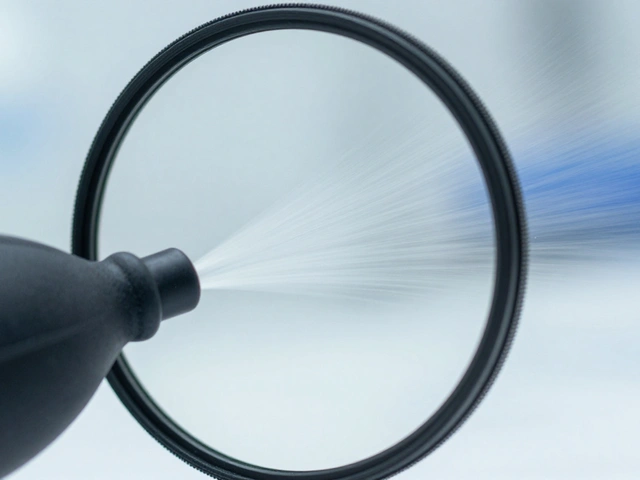
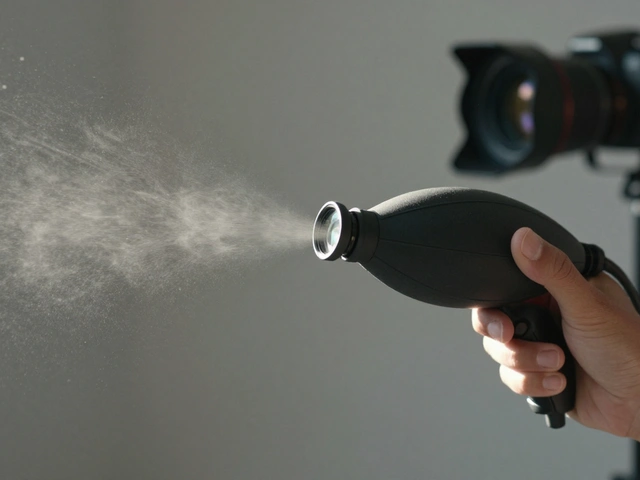
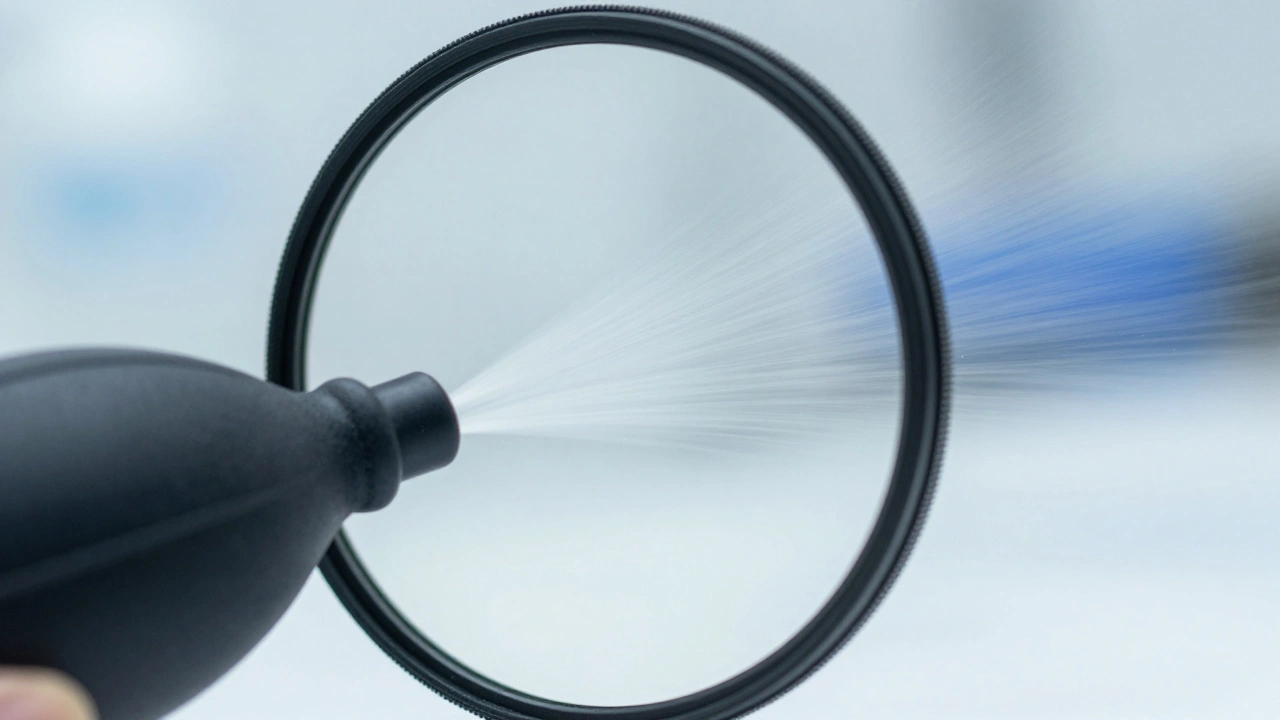
Start with a hand air blower. Hold the filter at a slight downward angle so that debris falls away from the glass rather than settling back onto it. Blow firmly but gently across the surface. For larger cinema square filters, this step is non-negotiable because the vast surface area collects more airborne dust.
If an air blower isn’t enough for stubborn dry dirt, use a soft brush designed for optics. Never use a regular paintbrush or makeup brush, as the bristles can shed fibers or be too stiff. Once the loose grit is gone, you can proceed to wet cleaning without fear of abrasion.
Tackling Salt Spray and Marine Residue
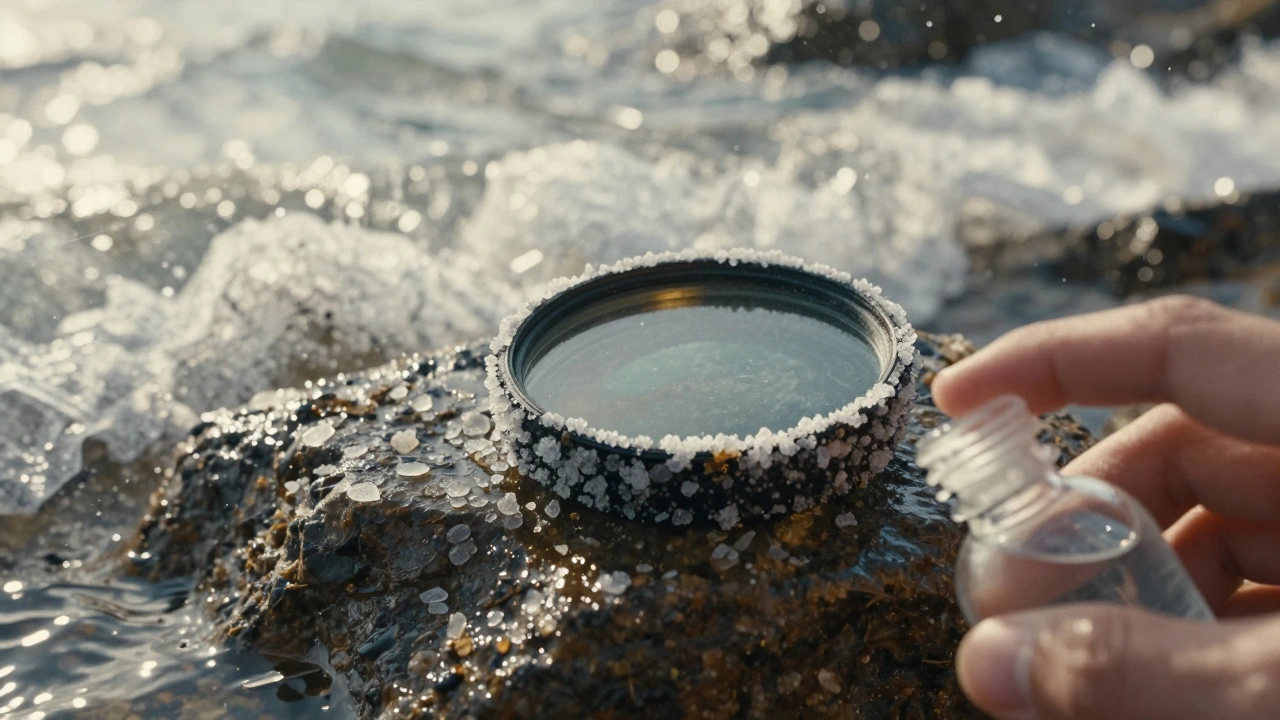
Shooting near the ocean introduces a unique enemy: salt. Sea spray leaves behind sodium chloride crystals that are not only abrasive but also hygroscopic, meaning they attract moisture from the air. This creates a corrosive environment that can etch coatings if left untreated.
Manufacturers like NiSi Optics recommend a specific protocol for marine environments. After shooting, rinse the filter immediately with cold fresh water or, ideally, distilled water. Distilled water is preferred because tap water contains minerals that can leave their own spots when evaporated. Let the filter air dry completely. Do not wipe it while wet, as water droplets can trap remaining particles against the glass.
Once dry, inspect the surface. If salt residue remains, use a specialized solution like the Sea Spray Cleaning Kit, which is formulated to dissolve salt deposits without damaging polarizing films. Avoid rubbing hard; let the solvent do the work. For general coastal shoots, rinsing with distilled water followed by a gentle wipe with a clean microfiber cloth is usually sufficient.
Microfiber Cloths: The Right Way to Wipe
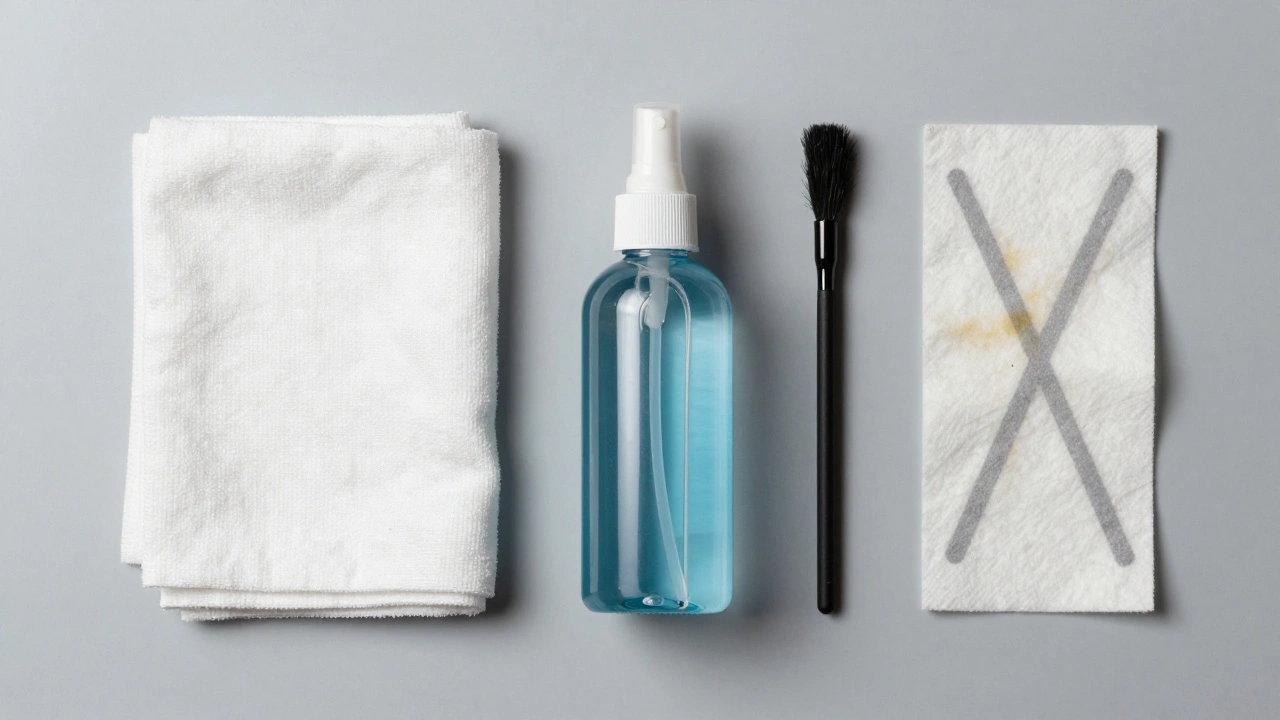
Microfiber cloths are the standard tool for removing oils and smudges, but they are only safe if used correctly. The fibers are engineered to lift dirt and oil away from surfaces rather than pushing it around. However, a dirty microfiber cloth is just as dangerous as a paper towel.
Keep a dedicated set of cloths solely for your lenses and filters. Wash them separately using a mild, fragrance-free detergent, and never use fabric softener, which coats the fibers and reduces their cleaning ability. When wiping, apply light pressure. Pressing hard can damage nano-coatings and push any hidden grit deeper into the glass.
Use a circular motion starting from the center and moving outward. This technique ensures that any dislodged debris is pushed off the edge of the filter rather than being dragged back across the optical path. If the smudge persists, switch to a fresh section of the cloth or a new cloth entirely. Reusing the same spot just spreads the oil around.
Lens Cleaning Solutions and Chemical Safety
When water and dry wiping aren't enough, you need a solvent. But not all solvents are created equal. Household glass cleaners, dish soap, and alcohol-based products can strip anti-reflective coatings. Stick to solutions specifically designed for optics.
Apply the cleaner to the cloth, never directly onto the filter. Spraying liquid directly on the glass risks seepage into the threads or between stacked filters, which can lead to mold growth or internal fogging. One or two drops on the microfiber cloth is plenty.
Products like NiSi Liquid Lens Cleaner are alcohol-free and formulated to protect delicate nano-coatings. For cinematographers working with large square filters, Panchro lens cleaner is a popular choice. It is often sprayed directly onto Kimwipes (single-use optical tissues) and wiped in straight lines rather than circles to minimize streaking on large surfaces.
Avoid mixing different chemicals. Some users report worsening smudges by alternating between isopropyl alcohol, ROR, and other cleaners. Each product has a different evaporation rate and chemical composition. Mixing them can create a film that is harder to remove than the original smudge.
Tools to Avoid at All Costs
To preserve your investment, steer clear of these common household items:
- Paper towels and tissues: They contain wood pulp and are abrasive. Even "soft" tissues can leave lint and micro-scratches.
- T-shirts or clothing: Fabrics often contain embedded dirt, sand, or synthetic fibers that scratch glass.
- Alcohol and acetone: These harsh solvents can degrade adhesives and strip coatings.
- Breathing on the glass: While it feels convenient, saliva contains enzymes and salts that can leave residues when dried. Plus, it’s unhygienic.
Storage and Prevention
The best way to clean a filter is to avoid needing to clean it in the first place. Always store filters in protective cases or soft pouches when not in use. Keep lens caps clean; a dirty cap transfers grime to the filter every time you attach it.
Check your filters before each shoot. A quick visual inspection can catch smudges early, allowing for a simple wipe with a dry microfiber cloth before oils build up. In dusty or rainy conditions, plan to clean more frequently, but always follow the air-first rule. Remember, every wipe adds microscopic wear. Minimize cleaning to only when necessary to extend the life of your coatings.
| Contaminant | Primary Tool | Secondary Tool | Technique |
|---|---|---|---|
| Dust & Grit | Air Blower | Soft Brush | Blow away, do not wipe |
| Salt Spray | Distilled Water | Sea Spray Kit | Rinse, air dry, then wipe |
| Fingerprints/Oils | Microfiber Cloth | Lens Cleaner | Center-outward circular motion |
| Stubborn Stains | Lens Pen | Optical Tissues | Light pressure, small areas |
Next Steps for Filter Maintenance
If you notice persistent haze that doesn’t come off with proper cleaning, the coating may be degraded. In this case, replacement is safer than aggressive scrubbing. For daily use, invest in a high-quality air blower and a pack of clean microfiber cloths. Keep a small bottle of alcohol-free lens cleaner in your bag. By following this routine, you ensure that your filters remain optically clear and last for years, protecting both your images and your equipment.
Can I use Windex on my camera filters?
No, never use Windex or household glass cleaners. They contain ammonia and other harsh chemicals that can strip anti-reflective coatings and damage the adhesive holding the filter together.
Is it safe to breathe on my filter to clean it?
It is not recommended. Breath contains moisture and saliva particles that can leave residues. Additionally, the warmth can cause condensation inside the filter threads. Use an air blower instead.
How often should I wash my microfiber cloths?
Wash them after every few uses or whenever they feel dirty. Use a mild detergent without fabric softener. Fabric softener coats the fibers, reducing their ability to lift oil and dirt effectively.
What is the best way to remove salt from filters?
Rinse the filter with distilled water immediately after exposure to sea spray. Allow it to air dry completely. Then, gently wipe with a clean microfiber cloth. Avoid rubbing salt crystals directly into the glass.
Can I use a lens pen on coated filters?
Yes, but use caution. Apply very light pressure. The carbon tip can be abrasive if pressed too hard. Use it only for stubborn spots after blowing away loose dust.