Heavy camera bags ruin trips. You know the feeling: your shoulders burn after an hour of walking, you stop taking photos because the gear feels like a punishment, and by the end of the day, you’re too exhausted to enjoy the sunset. If you are traveling on a budget, every ounce matters. But here is the good news: you do not need expensive pro-gear to take stunning photos. In fact, lighter gear often leads to better shots because you actually carry it around.
The goal of budget travel photography is simple: capture high-quality images while keeping your total gear weight under control. Most traditional kits weigh between 10 and 15 pounds. With smart choices, you can cut that down to 3 to 8.5 pounds without sacrificing image quality. This guide breaks down exactly how to build a lightweight setup that fits in your backpack and stays out of your way.
Key Takeaways
- Mirrorless cameras are significantly lighter than DSLRs, with bodies weighing as little as 13.4 ounces.
- Zoom lenses offer versatility that reduces the need to carry multiple primes, saving space and weight.
- Carbon fiber tripods and compact ballheads can cut accessory weight by more than half compared to traditional aluminum sets.
- Strategic carrying solutions like chest packs or vests distribute weight better than heavy backpacks.
- Smartphones are viable backups for casual shots, but dedicated cameras still win for low-light and telephoto needs.
Choosing the Right Camera Body
The foundation of a light kit is the body. Gone are the days when you needed a bulky DSLR to get professional results. Modern mirrorless cameras have shrunk dramatically in size while improving in performance. When building a budget-friendly travel kit, look for APS-C or compact full-frame models.
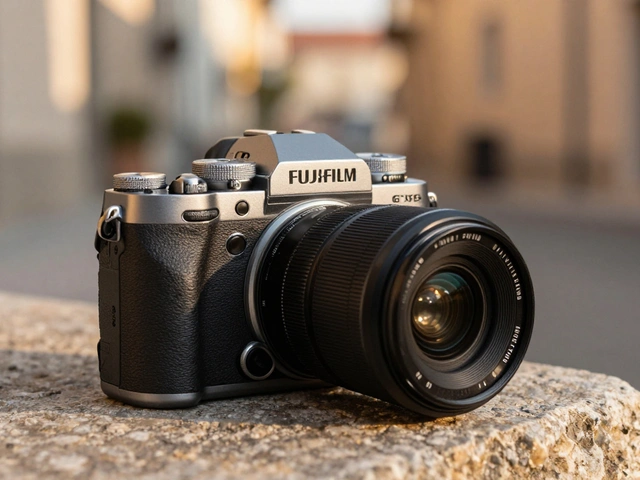
For APS-C shooters, the Fujifilm X-T30 is a standout choice. It weighs just 13.4 ounces (380 grams). It is small enough to slip into a jacket pocket, yet it delivers excellent color science and dynamic range. If you prefer Sony, their E-mount system offers plenty of lightweight options. The Sony A7C ii brings full-frame power into a body that weighs only 18.1 ounces (514 grams). Similarly, the Canon EOS RP comes in at 17.1 ounces (485 grams), making it one of the lightest full-frame options available.
If you are stuck with older gear, don't panic. Heavier full-frame bodies like the Sony A7iii (650 grams) or Nikon Z 6ii (705 grams) are still viable if you pair them with lightweight lenses. Photographer Gary Luhm famously used a Canon 5D III, which weighs nearly 2 pounds, but he kept his total kit manageable by choosing slim lenses. The key is balance: a heavier body demands lighter accessories.
Lens Strategy: Zoom vs. Prime
Lenses make up the bulk of your gear's weight. There is a long-standing debate about whether to carry prime lenses or zooms. Traditionally, primes were considered lighter and sharper. However, modern zoom technology has changed the game. For travel, versatility often beats marginal sharpness gains.
Carrying a single versatile zoom eliminates the hassle of swapping lenses in dusty environments. The Sigma 18-50mm f/2.8 for Fujifilm is a perfect example. It weighs just 10.1 ounces (285 grams) and covers wide-angle to short telephoto ranges. Compare that to older standard zooms that could weigh over a pound. For Sony users, the FE PZ 16-35mm f/4 weighs 12.5 ounces (353 grams) and offers a power zoom feature that is great for video and quick framing.
If you need reach, avoid heavy professional-grade telephotos. Instead, opt for variable aperture zooms. The Tamron 70-300mm f/4.5-6.3 weighs 19.2 ounces (545 grams). It might not have a constant f/2.8 aperture, but it saves you nearly a pound compared to faster alternatives. Lily M. Tang, an ultralight backpacking photographer, typically carries two lenses: a mid-range zoom and a telephoto. Her total lens and body weight hovers around 2 pounds 4 ounces (1,034 grams). That is incredibly light for a dual-lens setup.
| Mount System | Lens Model | Weight (Ounces) | Focal Range |
|---|---|---|---|
| Fujifilm X | Sigma 18-50mm f/2.8 | 10.1 oz | Wide to Standard |
| Sony E | FE PZ 16-35mm f/4 | 12.5 oz | Ultra-Wide |
| Canon RF | 15-30mm f/4.5-6.3 | 13.6 oz | Ultra-Wide |
| Nikon Z | Z 20mm f/1.8 | 17.7 oz | Prime Wide |
| Sony E | Tamron 70-300mm f/4.5-6.3 | 19.2 oz | Telephoto |
Tripod Solutions for Backpackers
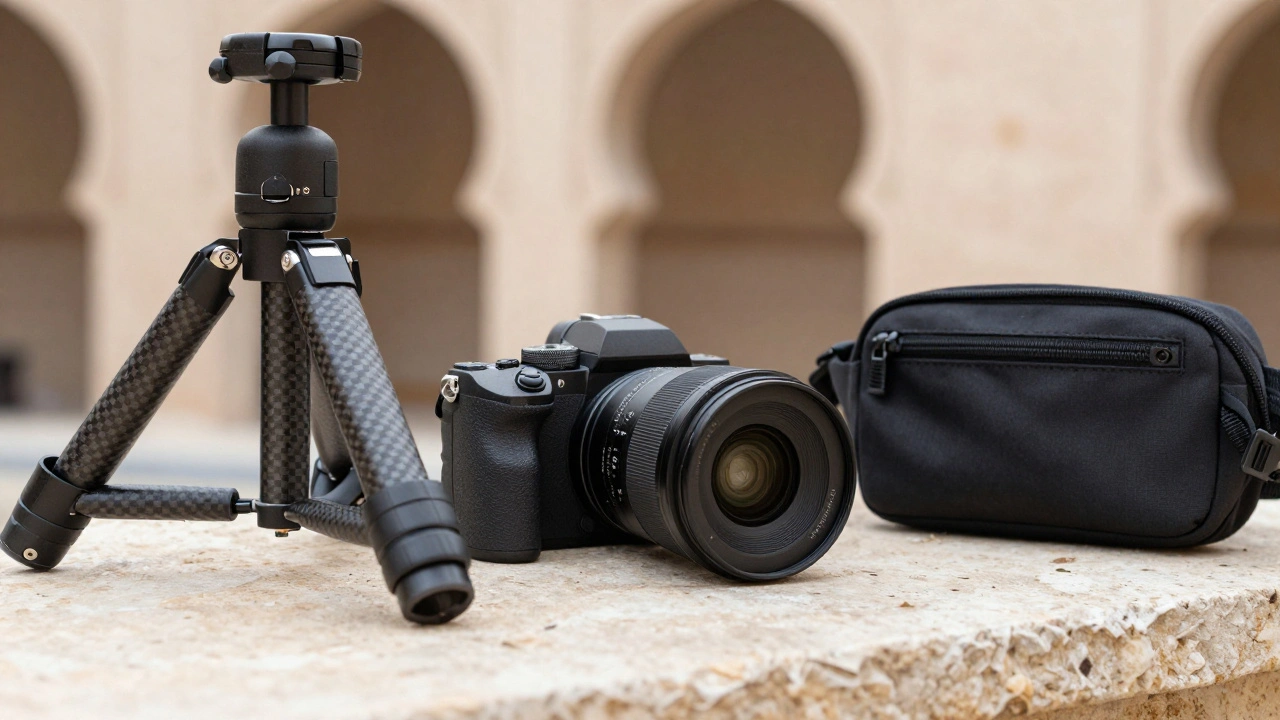
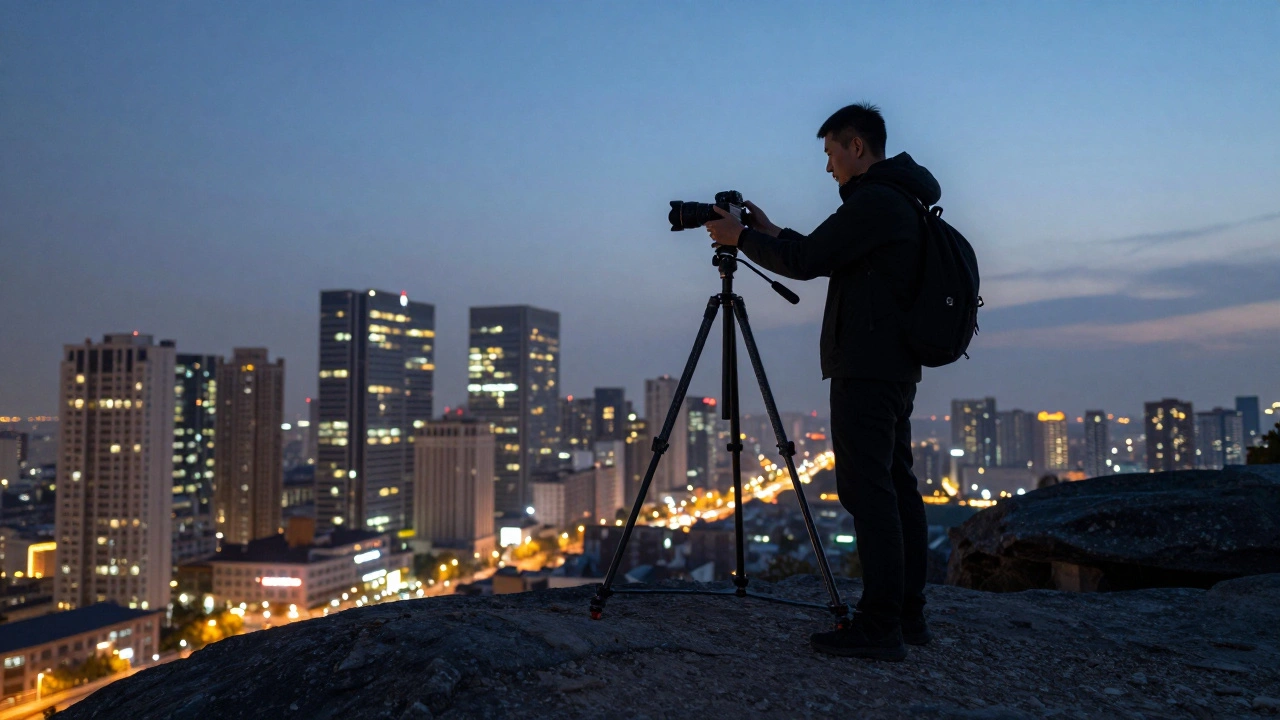
A tripod adds stability for low-light shots and long exposures, but traditional ones are heavy. Aluminum tripods can easily weigh 3 to 4 pounds. To save weight, switch to carbon fiber or specialized travel designs.
The Oben tripod is a favorite among ultralight photographers. It weighs just 1.44 pounds and reaches 45 inches without extending the center column. It features spiked feet for uneven terrain and a built-in bubble level. Paired with the Markins Q-ball Q3i ballhead (13.3 ounces), this setup provides rock-solid stability for a fraction of the weight of a standard ProMaster or Manfrotto set.
Another option is the Fotopro X-Aircross 2, a carbon fiber tripod weighing around 2 pounds. Carbon fiber is more expensive than aluminum, but the weight savings are worth it if you hike miles every day. Remember, a tripod that is too heavy will stay in your hotel room. Choose one you are willing to carry uphill.
Carrying Systems: Distribute the Load
How you carry your gear matters as much as what you carry. Heavy backpacks concentrate weight on your shoulders and back, leading to fatigue. Lightweight shoulder bags or waist packs distribute the load differently.
For chest access, the Lowepro Toploader 50 AW II is a robust choice. It includes a rain cover and larger internal dimensions, weighing only slightly more than basic alternatives. For smaller mirrorless setups, the Tamrac Jazz Zoom 25 weighs just 5.8 ounces (164 grams). It is designed specifically for compact systems and slips onto any bag strap.
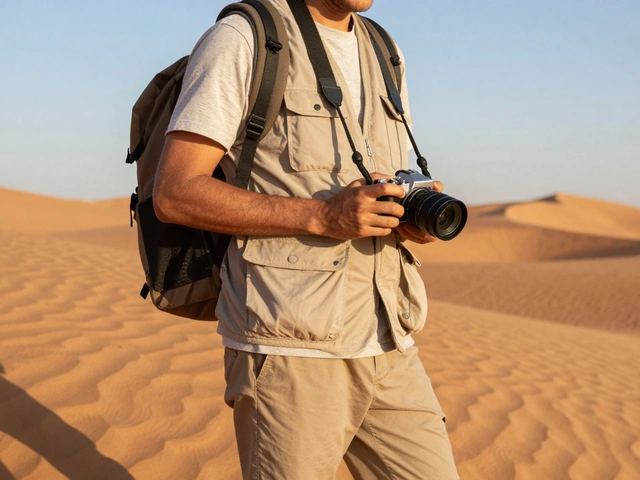
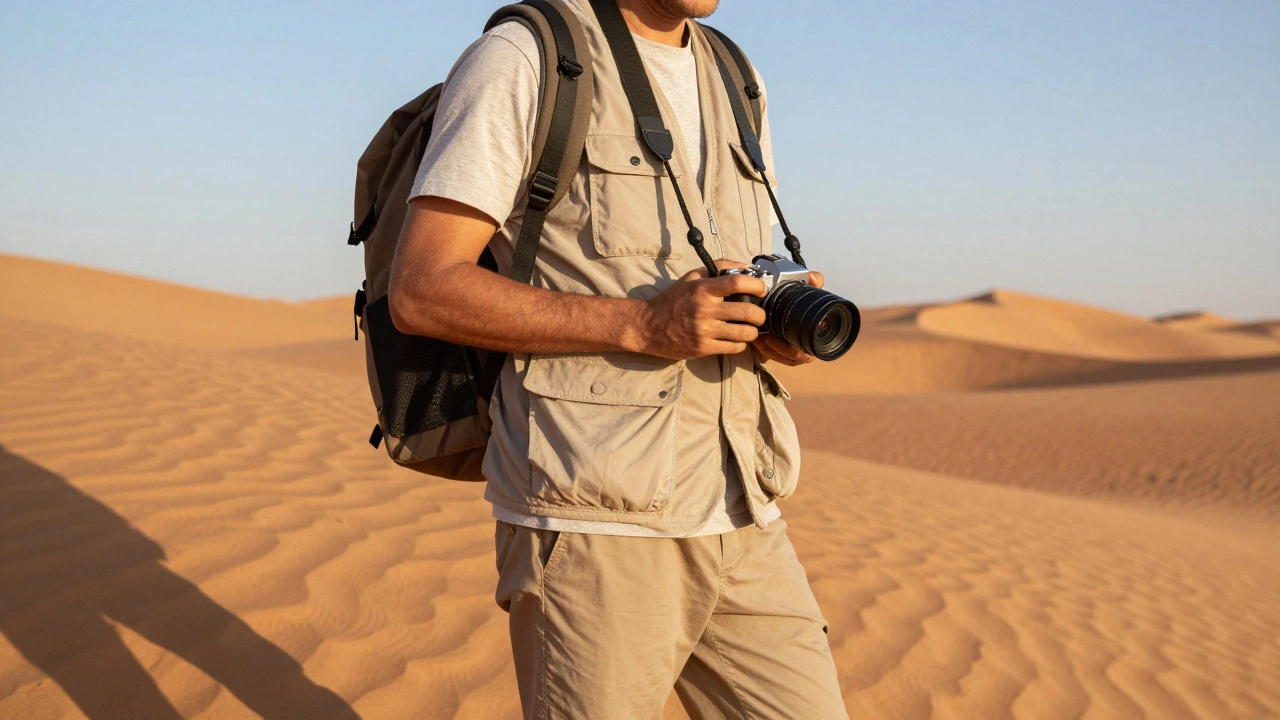
If you prefer hands-free trail shooting, consider a waist-mounted solution like the Clik Elite Sprint. At 10.5 ounces (298 grams), it functions as a cleverly designed fanny pack. Some photographers even use photography vests with large back pockets. While this doesn't reduce total weight, it distributes mass across your torso, reducing strain on your neck and shoulders during long hikes.
Accessories and Smart Planning
Small items add up. A heavy battery grip, extra macro lenses, and redundant chargers can bloat your kit. Stick to the essentials.
Carry two batteries and a single charger. This saves space and weight compared to carrying multiple charging stations. If you need macro capabilities, skip the heavy dedicated macro lens. Use extension tubes or close-up filters instead. They weigh ounces, not pounds.
Finally, remember that your brain is part of the kit. Plan your shots before you go. Know what lighting conditions you will face. If you are going to a beach, you might not need a telephoto. If you are hiking mountains, a wide-angle might suffice. Strategic planning reduces the need for redundant equipment. As the saying goes, the best camera is the one you have with you-and the lightest one is the one you’ll actually want to carry.
FAQ
What is the ideal weight for a travel photography kit?
For most travelers, a total kit weight of 3 to 5 pounds is ideal for mirrorless setups. Full-frame systems can be kept under 8.5 pounds with careful lens selection. Anything over 10 pounds significantly increases physical fatigue during long days of walking.
Should I choose a prime lens or a zoom lens for travel?
Zoom lenses are generally better for travel because they offer versatility. Carrying one zoom lens replaces the need for three prime lenses, saving weight and space. Modern zooms like the Sigma 18-50mm f/2.8 are both lightweight and sharp enough for professional use.
Is a smartphone enough for budget travel photography?
For casual snapshots, yes. Smartphones now support RAW files and have improved low-light performance. However, they lack optical zoom ranges and larger sensors, which are crucial for professional-quality landscapes, wildlife, and astrophotography. Dedicated cameras remain superior for serious practitioners.
Do I really need a tripod for travel?
A tripod is essential for low-light photography, long exposures, and self-portraits. However, you do not need a heavy studio tripod. A lightweight carbon fiber or aluminum travel tripod weighing under 2 pounds provides sufficient stability for most travel scenarios without adding excessive burden.
Which camera body is the lightest for beginners?
The Fujifilm X-T30 is one of the lightest APS-C options at 13.4 ounces. For full-frame enthusiasts, the Sony A7C ii and Canon EOS RP are excellent lightweight choices, weighing around 17-18 ounces. These bodies offer advanced features in a compact form factor suitable for travel.
How can I reduce the weight of my existing DSLR kit?
You cannot change the body weight of a DSLR, but you can lighten the rest of the kit. Switch to lighter lenses, such as variable aperture zooms. Replace heavy aluminum tripods with carbon fiber ones. Use a lightweight shoulder bag or vest instead of a heavy backpack. Finally, remove redundant accessories like extra grips or heavy filters.
What are the best lightweight carrying solutions?
The Tamrac Jazz Zoom 25 (5.8 ounces) is ideal for small mirrorless setups. For chest access, the Lowepro Toploader 50 AW II offers durability and rain protection. Waist packs like the Clik Elite Sprint (10.5 ounces) provide hands-free convenience for trail photography.
Does using a lighter tripod compromise stability?
Not necessarily. High-quality carbon fiber tripods like the Oben or Fotopro X-Aircross 2 offer excellent rigidity despite their low weight. Stability depends more on the tripod's design and leg geometry than its total mass. Avoid cheap, flimsy materials, but invest in engineered lightweight components.