Ever stare at a perfectly styled bowl of ramen and feel like your camera just can't capture the magic? You’ve got the lighting right, the props are perfect, but the image looks flat or distorted. The culprit isn’t your eye-it’s likely your lens. Choosing between a macro lens, a 50mm prime, and an 85mm telephoto is one of the biggest decisions you’ll make in food photography. Each focal length tells a completely different story about your dish.
We’re not talking about vague artistic preferences here. We’re talking about physics, perspective, and practical workflow constraints. Whether you’re shooting overhead flat lays for Instagram or intimate hero shots for a cookbook, picking the wrong lens will force you to compromise on composition or quality. Let’s break down exactly which lens belongs in your bag and why.
The 50mm Prime: The Versatile Workhorse
If you own only one lens for food photography, it should probably be a 50mm. It’s often called the "normal" lens because its field of view closely mimics what the human eye sees when looking straight ahead. For food photographers, this means natural proportions without the stretching distortion of wide angles or the extreme compression of long telephotos.
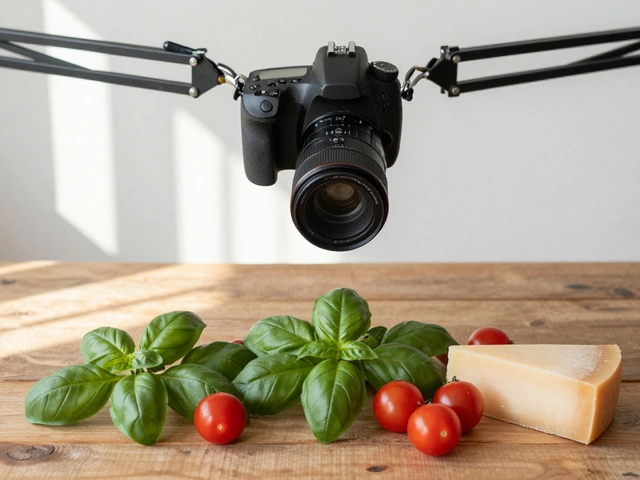
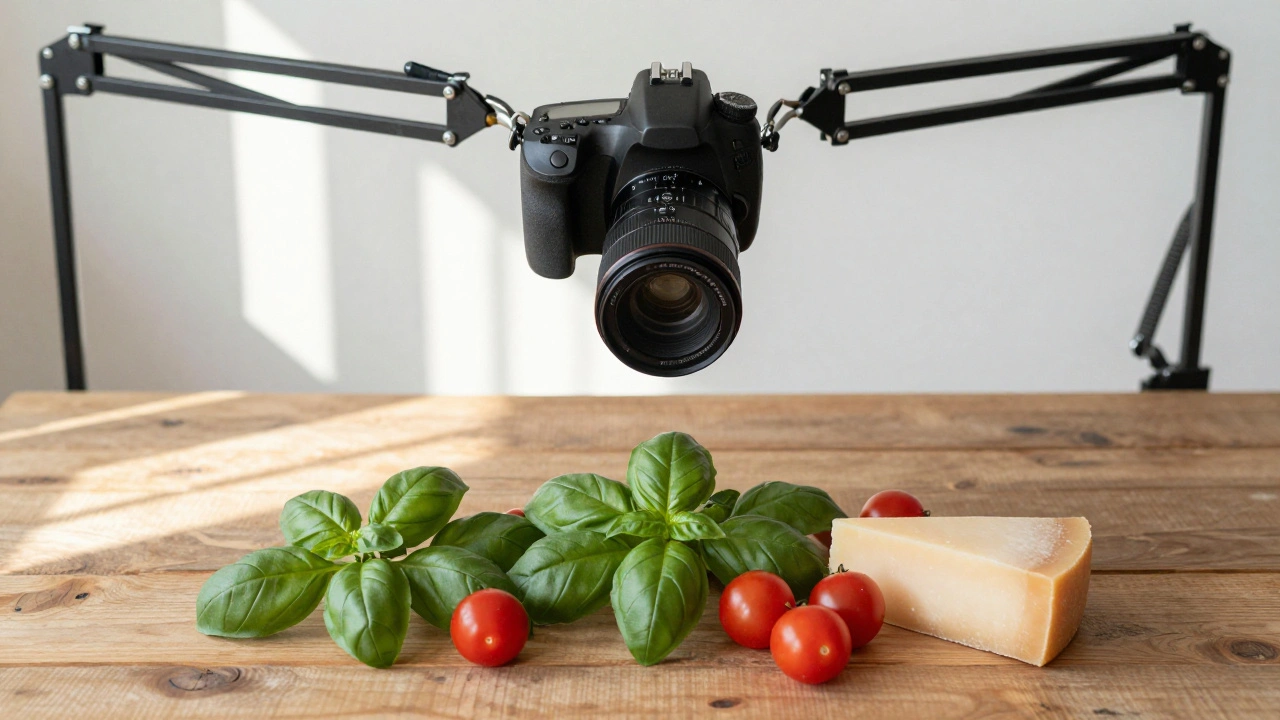
The 50mm excels at overhead flat lay compositions. When you’re mounting your camera on a boom arm directly above a table, a 50mm gives you a clean, realistic frame that doesn’t look warped at the edges. It’s also incredibly versatile for budget-conscious shooters. A standard 50mm f/1.8 is affordable, lightweight, and sharp enough for most blog posts and social media content.
| Attribute | Value / Benefit |
|---|---|
| Best Shot Type | Overhead flat lays, general lifestyle shots |
| Perspective | Natural, minimal distortion |
| Depth of Field | Moderate; requires getting close for shallow DOF |
| Budget Impact | Low (f/1.8 models are very affordable) |
| Limitation | Can feel cramped in tight spaces due to working distance |
However, there’s a catch. To get that creamy, blurred background (bokeh) with a 50mm, you have to get physically close to the subject. If you’re shooting a tall cake or a large platter in a small kitchen, you might find yourself hovering too close, casting shadows or blocking light. This is where the longer focal lengths step in.
The 85mm Telephoto: The Intimate Portraitist
Think of the 85mm as the portrait lens for your food. Just as photographers use 85mm lenses for human portraits to flatter facial features, food stylists use them to create intimate, compressed views of dishes. This focal length allows you to stand further back from your subject while filling the frame, which is a game-changer for lighting and staging.
The primary advantage of the 85mm is compression. It flattens the scene slightly, making the background appear closer to the subject. This creates beautiful separation between the food and the backdrop, especially if you’re using a textured wall or scattered ingredients behind the plate. It’s ideal for "hero shots"-those single, stunning images that stop people scrolling.
Additionally, the 85mm is fantastic for lifestyle photography. If you’re shooting a person holding a coffee cup or eating a sandwich, the 85mm captures both the food and the human element without distorting either. It provides a comfortable working distance, allowing you to interact with models or adjust props without looming over the setup.
- Compression: Flattens perspective, enhancing background separation.
- Working Distance: Allows shooting from further away, reducing shadow interference.
- Lifestyle Integration: Perfect for combining food with people or environmental context.
- Bokeh: Naturally produces smoother background blur than wider lenses at similar apertures.
One note on sensor size: if you’re using a crop-sensor (APS-C) camera, an 85mm lens behaves more like a 127mm lens. This might be too tight for some tabletop setups. In that case, a 50mm or even a 35mm might serve the role of the "standard" lens better.
The Macro Lens (90-105mm): The Industry Standard
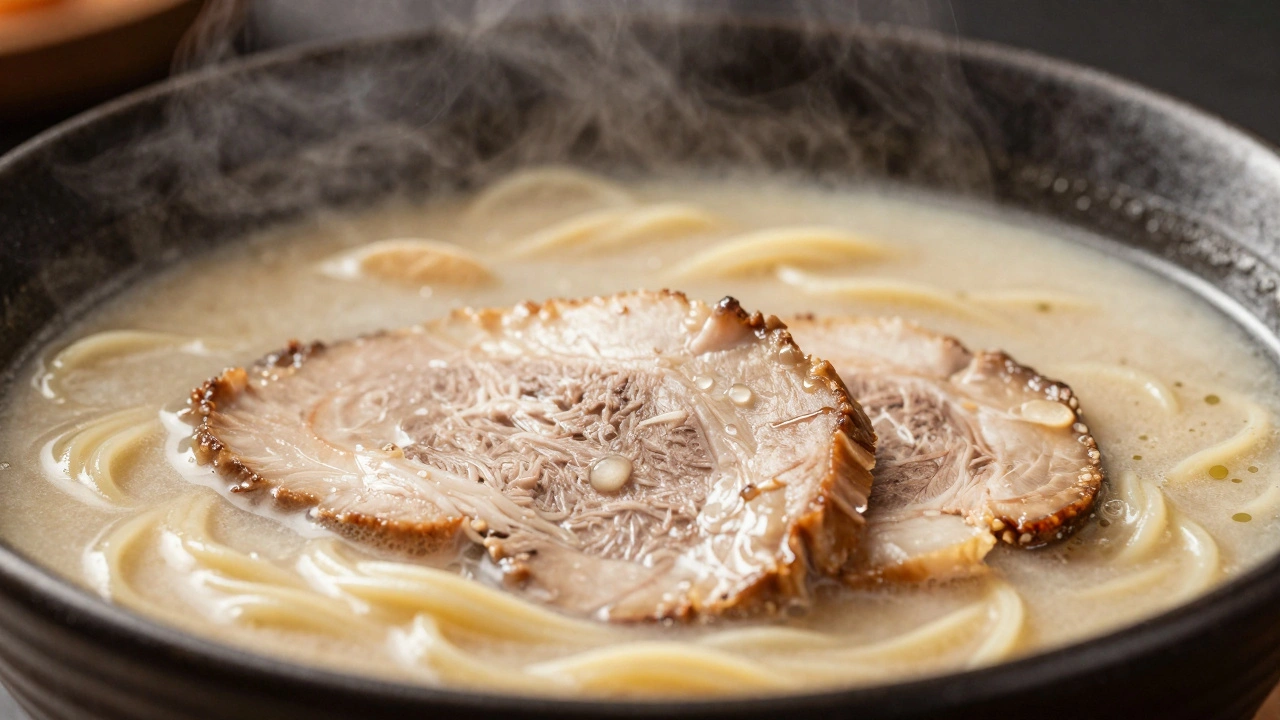
When you see those mouth-watering close-ups of dew drops on berries, melting cheese pulls, or intricate spice textures in high-end magazines, you’re almost always looking at a macro lens. Specifically, the 100mm or 105mm macro has become the undisputed industry standard for professional food photography.
A true macro lens offers 1:1 magnification, meaning the subject appears life-size on your camera sensor. This isn’t just about zooming in; it’s about optical precision designed for extreme detail. The 100mm macro strikes the perfect balance between working distance and magnification. You can focus as close as a few inches to capture texture, yet pull back to shoot a full plate without changing lenses.
The 45-degree angle shot-the classic "diner’s perspective"-is where macro lenses truly shine. At this angle, you want to show the height of the food while maintaining a flattering background blur. Wide lenses distort the front of the plate, making it look stretched. Long telephotos compress it too much. The 100mm macro provides just the right amount of perspective control, keeping the food looking natural while isolating it with a creamy bokeh background.
Professional setups often include tilt-shift capabilities alongside macro lenses to correct perspective distortion further, but the 100mm macro alone handles 90% of professional needs. Brands like Canon, Sigma, and Sony offer excellent 100-105mm macro options that are sharp corner-to-corner and feature robust build quality for studio use.
Comparing the Contenders: Which One Do You Need?
Choosing between these three isn’t about finding the "best" lens-it’s about matching the tool to the job. Here’s how they stack up against each other in real-world scenarios.
| Scenario | Recommended Lens | Why? |
|---|---|---|
| Overhead Flat Lay | 50mm | Natural perspective, no edge distortion, easy framing. |
| Hero Shot (Single Plate) | 100mm Macro | Perfect compression, sharp details, creamy bokeh. |
| Lifestyle / People + Food | 85mm | Flattering for humans, good background separation. |
| Extreme Detail (Textures) | 100mm Macro | 1:1 magnification reveals fine details. |
| Tight Kitchen Space | 50mm or 35mm | Shorter working distance fits in smaller areas. |
If you’re starting out on a budget, begin with a 50mm f/1.8. It forces you to learn composition and lighting without the crutch of extreme bokeh. As you progress, add a 100mm macro for those professional-grade hero shots. The 85mm is a luxury addition unless you frequently shoot lifestyle content with models.
Technical Considerations: Aperture and Sensor Size
Aperture plays a huge role in food photography. Most macro lenses come with a maximum aperture of f/2.8, while 50mm and 85mm primes often go as wide as f/1.4 or f/1.8. Does this matter? Yes, but maybe not for the reasons you think.
In food photography, you rarely shoot wide open. An f/1.4 aperture can result in such a shallow depth of field that only the tip of a fork is in focus. Most professionals stop down to f/4-f/8 to ensure the entire dish is sharp. Therefore, the low-light advantage of an f/1.4 lens is less critical than you’d expect, provided you’re using artificial lighting or bright windows.
Sensor size changes the equation significantly. On a full-frame camera, a 50mm is a 50mm. On an APS-C crop sensor, it becomes a 75mm equivalent. This means crop-sensor users might prefer a 35mm lens for overhead shots and a 60mm macro (which acts like a 90mm) for hero shots. Always consider your crop factor when planning your lens kit.
Practical Workflow Tips
Regardless of which lens you choose, mastering your workflow will improve your results more than any gear upgrade. Here are three practical tips:
- Use a Tripod or Boom Arm: Macro and telephoto lenses amplify camera shake. Even slight movements can ruin sharpness. A sturdy support system is non-negotiable for detailed work.
- Focus Stacking: If you need everything in focus from the front rim of the bowl to the back garnish, consider focus stacking. Take multiple shots at different focus points and merge them in post-processing. This is common with macro lenses.
- Background Control: Longer lenses (85mm, 100mm) naturally blur backgrounds more. Use this to your advantage by placing interesting textures or colors behind your subject, even if they’re out of focus.
Remember, the lens is just the window. Your eye, lighting, and styling do the heavy lifting. But having the right focal length ensures that window is clear, undistorted, and perfectly framed.
Is a macro lens necessary for food photography?
Not strictly necessary, but highly recommended for professional results. A 50mm lens can handle many shots, especially overheads. However, a 100mm macro provides superior detail, compression, and background blur for hero shots, which are crucial for high-end editorial and commercial work.
What is the best focal length for overhead food shots?
The 50mm is generally considered the best for overhead flat lays on full-frame cameras. It provides a natural perspective without the distortion found in wider lenses. For crop-sensor cameras, a 35mm lens serves this purpose well.
Can I use an 85mm lens for food photography?
Yes, the 85mm is excellent for lifestyle food photography and intimate portraits of dishes. It offers great background separation and compression. However, it may be too tight for some tabletop setups, especially on crop-sensor bodies.
Which aperture should I use for food photography?
Most professional food photographers shoot between f/4 and f/8. This ensures sufficient depth of field to keep the entire dish sharp while still providing some background blur. Wider apertures like f/1.8 are rarely used unless aiming for extreme artistic blur.
Do I need different lenses for crop-sensor vs. full-frame cameras?
Yes, due to the crop factor. On APS-C cameras, focal lengths effectively increase by 1.5x (Nikon/Sony) or 1.6x (Canon). So, a 50mm acts like a 75mm. Crop users often prefer 35mm for overheads and 60mm macros for close-ups to achieve similar perspectives to full-frame users.