Imagine landing in a stunning destination, only to realize your best lens is buried in a checked bag that's currently circling the airport on a conveyor belt. Or worse, having a security agent tell you that your oversized gear bag exceeds the limit for a regional flight. Most photographers fall into the trap of "just in case" packing, carrying three lenses and two bodies they'll never actually use. The truth is, the best photos don't come from having the most gear; they come from having the gear you actually enjoy carrying.
The Core Philosophy of Minimalist Packing
Minimalist travel photography isn't about deprivation; it's about intentionality. It's the art of choosing a few high-quality tools that handle 90% of your shooting needs, rather than carrying a heavy kit that handles 100% but makes you want to quit halfway through the day. By focusing on minimalist travel photography, you reduce the physical strain on your body and the mental stress of managing expensive equipment in crowded spaces.
The gold standard for a streamlined kit is a single camera system. Instead of swapping between a wide-angle and a telephoto, many pros now rely on a versatile zoom lens. When you limit yourself to one body and one lens, you spend less time fiddling with gear and more time observing the scene. This approach not only saves space but also makes you less of a target for theft in busy tourist hubs.
Building Your Essential Gear List
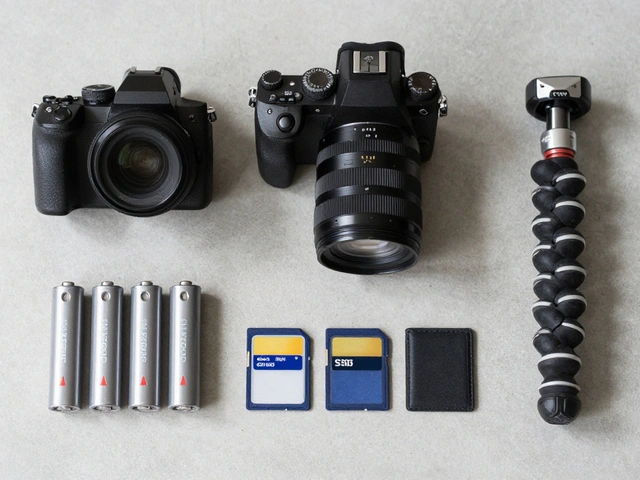
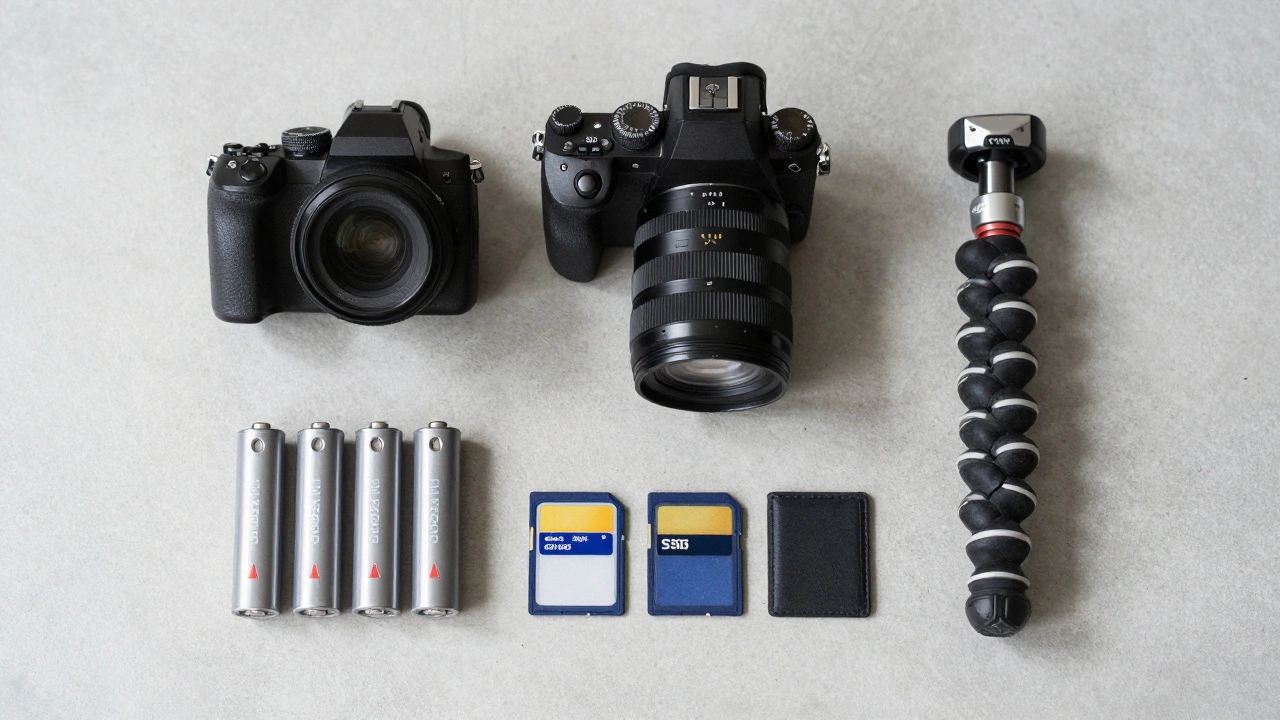
To build a kit that actually works, you need to prioritize items based on their daily utility. Here is how a professional-grade minimalist setup looks in 2026:
- Camera Body: A single, capable mirrorless or DSLR. If you use high-consumption systems like Fujifilm cameras, ensure you have at least four fully charged batteries to avoid mid-day shutdowns.
- Versatile Lens: A high-quality zoom lens that covers a wide range of focal lengths.
- SD Cards: At least two high-speed cards. Look for shock-proof or waterproof versions if you're heading into extreme environments.
- GorillaPod: A flexible, compact tripod that can wrap around railings or stand on uneven terrain.
- Memory Card Wallet: A dedicated organizer, such as the 3 Legged Thing Toxic wallet, to protect cards from electromagnetic damage.
Power and Data Management on the Road
There is nothing more frustrating than a hotel room with only one working outlet. To solve this, don't rely on individual wall plugs. Instead, carry a power strip or a multiport USB charger with at least three ports. This creates a central charging hub for your camera, phone, and tablet simultaneously.
For cabling, 2-meter USB cables are the sweet spot. They give you enough slack to charge your camera from the bedside table without having to balance the device on the edge of the desk. If your camera doesn't support direct USB charging, a compact dedicated charger is a non-negotiable addition.
When it comes to your images, the fear of data loss is real. While cloud storage is great, it depends on flaky hotel Wi-Fi. A physical backup is safer. Many travelers use a Macbook Air M2 for its lightweight profile, paired with an external hard drive. While a 256GB drive is enough for most, those shooting raw 4K video often opt for a 3TB drive, accepting the extra weight as a trade-off for total security.
| Item | Minimalist Choice | Heavy Choice | Impact on Travel |
|---|---|---|---|
| Lenses | 1 Versatile Zoom | 3+ Prime Lenses | Less swapping, more shooting |
| Backup | Cloud + Small SSD | Multiple HDDs | Saves significant bag weight |
| Tripod | Carbon Fiber/GorillaPod | Aluminum Full-Size | Easier carry-on compliance |
| Charging | Multiport USB Hub | Individual Chargers | Less cable clutter |
Navigating Carry-On Rules and Airline Logic
Airline rules aren't just about the size of the bag; they're about the mood of the gate agent. While wide-body jets on international carriers like Fiji Airways have more room, they are often more likely to weigh bags at the gate. If you're flying on small regional aircraft-common for wildlife trips to places like Churchill, Canada-the rules are incredibly strict because bin space is tiny.
The pro move is to split your gear between a primary carry-on and a "personal item." Use a compact backpack, such as the Thule Aspect DSLR Backpack, as your main hub. Then, tuck a small shoulder bag inside it. Once you board, the shoulder bag becomes your quick-access kit for the city, while the main backpack stays safe at your accommodation.
Always weigh your bags before leaving for the airport. Knowing your gear weighs 8.2kg when the limit is 7kg allows you to move a heavy battery or a hard drive into your jacket pocket or personal item, avoiding a forced gate check of your expensive equipment.
Maintenance and Small Wins
Environmental exposure is the biggest enemy of your sensor. You don't need a massive cleaning laboratory in your bag. A carbon-tipped lens pen with a built-in brush and a high-quality microfiber cloth are enough to handle fingerprints and dust. If you're doing professional wildlife work, consider sourcing specialized cleaning cloths from outdoor operators who deal with harsh environments daily.
Other small additions that punch above their weight include a Swiss Army Knife for quick gear adjustments and a Quick Release Plate (like the 3 Legged Thing QR4). These allow you to snap your camera onto a tripod in seconds, which is vital when a rare animal appears or the light is changing rapidly.
Can I bring spare lithium batteries in my carry-on?
Yes, in fact, you must. Most airlines prohibit lithium batteries in checked luggage due to fire risks. Always keep your spare batteries in your carry-on or personal item.
Is a second camera body really necessary for travel?
For most, no. While it provides backup if one fails, the added weight often leads to fatigue. Unless you are shooting a once-in-a-lifetime professional gig where failure isn't an option, a single body is usually sufficient.
How do I stop my gear from being weighed at the gate?
The best way is to use a bag that doesn't look "overstuffed." Use a sleek backpack and distribute the heaviest items (like laptops or large batteries) into your personal item or wearable pockets.
What is the best way to back up photos while traveling?
The most secure method is a "3-2-1" strategy: keep the original on the SD card, a copy on a portable external SSD, and a third copy in a cloud service like Google Drive or iCloud.
Which lens is best for a minimalist kit?
A 24-70mm or 24-105mm equivalent zoom is typically the best choice. It allows you to capture wide landscapes and tighter portraits without needing to change lenses in dusty environments.
Next Steps for Your Trip
If you're planning your first minimalist trip, start by doing a "dry run." Pack your bag and go for a three-hour walk around your city. If you find yourself struggling with the weight or feeling the urge to reach for a lens you left behind, adjust your kit before you hit the airport.
For those heading to extreme climates, check your gear's operating temperature. Lithium batteries drain faster in the cold; keep them in an inside pocket close to your body heat to extend their life during winter expeditions.