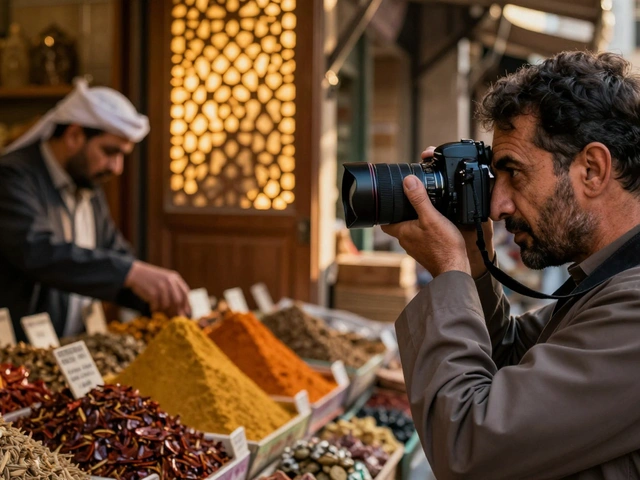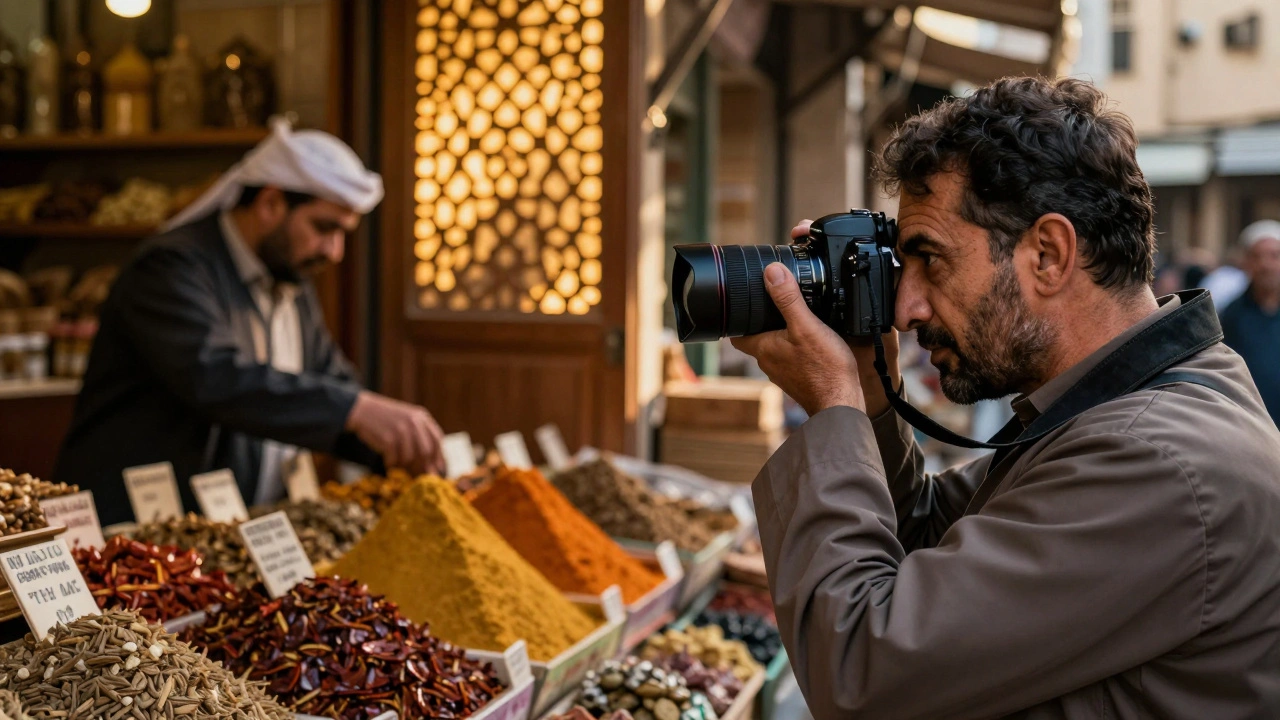
You press the shutter. The light is perfect. The moment is raw and real. But then you look up and see someone staring at you with anger in their eyes. Or worse, you post that image online only to get a cease-and-desist letter because you didn't check local privacy laws. Street photography sits right on the edge of artistic freedom and personal privacy. It’s a genre built on capturing strangers without asking permission, but that very act is becoming legally complex depending on where you stand.
Understanding the difference between what is legal to shoot and what is legal to publish is the single most important skill for any serious street photographer today. This isn’t just about avoiding fines; it’s about respecting people while still telling honest stories. Let’s break down the rules, the risks, and the best practices so you can shoot with confidence.
The Core Legal Distinction: Shooting vs. Publishing
The biggest misconception in street photography is that if you can take a photo, you can do whatever you want with it. That is rarely true. In almost every democratic jurisdiction, there is a clear split between the act of taking an image in public and the act of using that image commercially or editorially.
Shooting in Public is generally protected as freedom of expression. If you are standing on a sidewalk, in a park, or on a public train, you usually have the right to photograph anything plainly visible from that vantage point. This protection comes from constitutional rights like the First Amendment in the United States or Article 10 of the European Convention on Human Rights.
Publishing and Commercial Use, however, triggers a different set of laws. Once you upload that photo to Instagram, sell it as a print, or use it in an advertisement, you enter the realm of privacy torts, right-of-publicity statutes, and data protection regulations. A photo taken legally in New York might be illegal to publish in Paris without consent. Always research the specific laws of your location before posting.
United States: Broad Protections with Caveats
In the U.S., the legal landscape is heavily tilted toward the photographer’s rights when shooting in public spaces. Organizations like the ACLU (American Civil Liberties Union) emphasize that citizens have the right to record police officers and government buildings in public, provided they do not obstruct operations. Cases like Glik v. Cunniffe (2011) confirmed this right firmly.
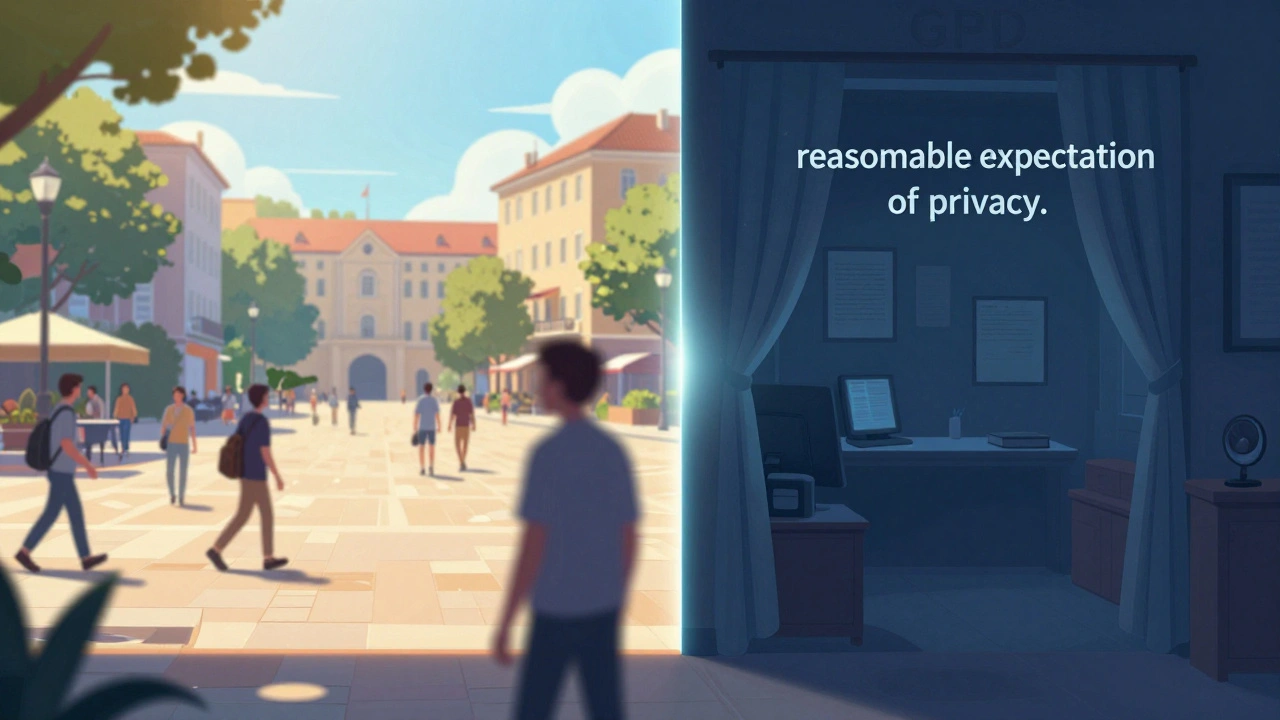
However, "public" has limits. The key legal concept here is the reasonable expectation of privacy. Articulated in the Supreme Court case Katz v. United States (1967), this means you cannot photograph someone in a place where society recognizes they should be private. For example:
- Legal: Photographing a person walking down a city street or sitting in a café facing the sidewalk.
- Risky: Using a telephoto lens to shoot through a window into a home, even if the curtains are slightly open.
- Illegal: Trespassing onto private property (like a fenced yard) to get a shot.
For commercial use-such as advertising-the rules tighten significantly. States like California and New York have strong right-of-publicity laws. You cannot use a recognizable person’s face to sell a product without a signed model release. Editorial or artistic use (like selling a fine art print) is generally exempt, but the line can blur if the image implies endorsement.
Europe: GDPR and Personality Rights
If you travel to Europe, the rules change dramatically. The GDPR (General Data Protection Regulation) treats any image of an identifiable person as "personal data." This adds a layer of complexity that doesn’t exist in the U.S.
In countries like France and Germany, personality rights are stronger than in common-law nations. Here is how it breaks down by major country:
| Country | Shooting in Public | Publishing Portraits | Commercial Use |
|---|---|---|---|
| United States | Generally Legal | Legal for Art/Editorial | Requires Model Release |
| United Kingdom | Legal | Legal, but Misuse of Private Info Risk | Requires Permission |
| France | Legal | Consent Often Required for Close-ups | Strict Consent Needed |
| Germany | Legal | Consent Required unless "Accessory" or News | Strict Consent Needed |
In France, Article 9 of the Civil Code protects private life. While you can shoot in public, publishing a close-up portrait of a recognizable person without their consent can lead to civil lawsuits. Exceptions exist for news reporting or large crowds where the individual is not the main focus, but these are narrow.
Germany’s KunstUrhG (Law on Copyright in Works of Fine Arts and Photography) requires consent for dissemination unless the person is merely an accessory to a landscape, part of a historical event, or the image serves a higher artistic interest. Even then, it’s a gray area that often ends up in court.
Ethics Beyond the Law
Just because you can take a photo doesn’t mean you should. Ethical street photography respects the dignity of the subject. Many photographers follow a code of conduct that goes beyond legal minimums.
Consider the impact on vulnerable subjects. Photographing people experiencing homelessness, mental distress, or medical emergencies can expose them to harm or humiliation. As documentary photographer Dina Litovsky notes, avoiding images that endanger or humiliate is crucial. If you capture a sensitive moment, ask yourself: "Does this story need to be told? Does my presence add value or just exploit the situation?"
Children present another ethical minefield. While U.S. law generally allows photographing children in public, many parents feel strongly about their kids’ digital footprint. In the UK and Germany, courts have shown stricter protection for minors. A good rule of thumb: avoid close-ups of children unless you have explicit parental consent. Shooting from behind or blurring faces is a respectful compromise.
Best Practices for Safe Shooting
To protect yourself and your subjects, adopt these practical habits:
- Know Your Space: Never trespass. If security asks you to leave a private mall or corporate campus, comply immediately. Arguing leads to bans or arrests for trespassing, regardless of your photography rights.
- Respect Verbal Objections: If someone sees you photographing them and asks you to delete it, consider doing so. You may not be legally required to in the U.S., but maintaining public trust is vital. Deleting one photo costs nothing; losing your ability to shoot freely in a community costs everything.
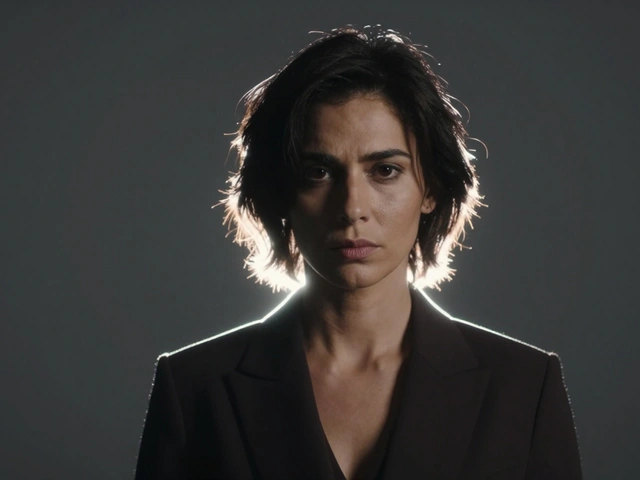
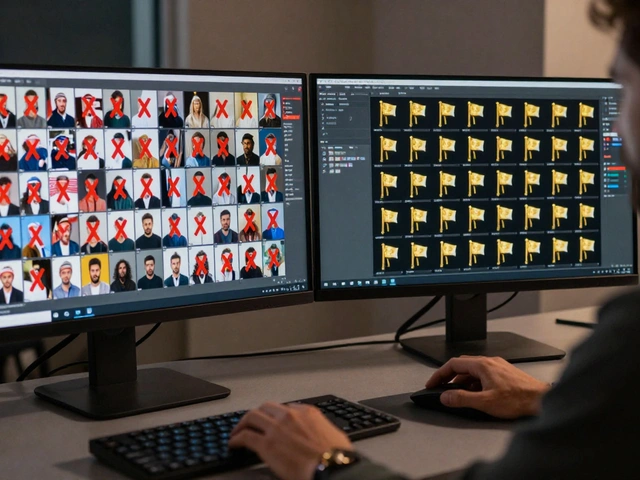
- Anonymize When Unsure: Use composition to protect identity. Shoot silhouettes, shadows, or reflections. Crop out faces. Blur backgrounds. Under GDPR, a blurred face that cannot be reverse-engineered is not personal data, significantly reducing legal risk.
- Clean Metadata: Before uploading, strip EXIF data. Tools like ExifTool or Adobe Lightroom can remove GPS coordinates and camera settings. This prevents subjects from tracking your exact location.
- Get Releases for Commerce: If you plan to sell prints or license images for ads, always get a written model release. Templates are available from organizations like ASMP. It’s a small step that prevents huge legal headaches later.
Handling Police and Security Confrontations
Conflicts happen. If approached by police or security, stay calm. Keep your hands visible. Do not run. In the U.S., you generally do not need to identify yourself unless asked in a state with stop-and-identify laws, but being polite helps de-escalate. State clearly that you are engaged in constitutionally protected activity.
Police cannot confiscate your camera or delete photos without a warrant. If they try, politely refuse and note their badge number. Record the interaction if local laws allow (one-party consent states). On private property, security guards have the power to eject you for trespassing but cannot seize your equipment. Complying with ejection orders avoids criminal charges.
Is it legal to take photos of strangers in public?
In most democratic countries, including the U.S., UK, and Canada, it is legal to photograph people in public spaces where they have no reasonable expectation of privacy. However, laws vary significantly regarding publishing those images, especially in Europe where privacy rights are stronger.
Do I need a model release for street photography?
You typically do not need a model release for editorial or artistic use in the U.S. and UK. However, you absolutely need a signed model release for commercial use, such as advertising or stock photography, in almost all jurisdictions. In Europe, consent may also be required for publishing identifiable portraits.
Can I delete photos if someone asks me to?
Legally, you are often not required to delete photos taken in public in the U.S. However, ethically, many experienced photographers choose to delete images if the subject is visibly distressed or requests it, to maintain good community relations and avoid conflict.
What is the GDPR's impact on street photography?
The GDPR classifies images of identifiable individuals as personal data. While artistic and journalistic purposes have exemptions, professional photographers who systematically publish images may face scrutiny. Blurring faces or obtaining consent mitigates these risks significantly.
Is it legal to photograph police officers?
Yes, in the U.S., federal courts have ruled that citizens have the right to record police performing their duties in public. You must not interfere with their work. Similar protections exist in other democracies, but always respect local laws and safety instructions.