You’re three hours into your wedding day, the hair and makeup team just packed up, and you realize you haven’t spoken to your photographer about when they need to start shooting. Panic sets in. You’ve got a cocktail hour starting at 5:00 PM, but do you have time for family portraits? Can you sneak away for couple’s shots before dinner? If you leave this to chance, you’ll either miss critical moments or feel like you’re being herded around like cattle. The secret to stress-free wedding photography isn’t better cameras-it’s a solid timeline.
A well-structured schedule doesn’t just help your photographer; it protects your mental sanity. It ensures you get the images you actually want without sacrificing time with your guests. Most couples underestimate how long things take. They think ten minutes is enough for twenty people to pose, or that changing outfits takes two minutes. It doesn’t. Here’s how to build a realistic wedding day photography timeline that actually works.
The Pre-Ceremony Prep Window
This is where most timelines fall apart. Couples often book their photographer too late, missing the details and getting-ready shots that set the emotional tone of the album. Your photographer needs at least an hour before the ceremony starts to capture the quiet moments. Think of this as the "behind-the-scenes" documentary phase.
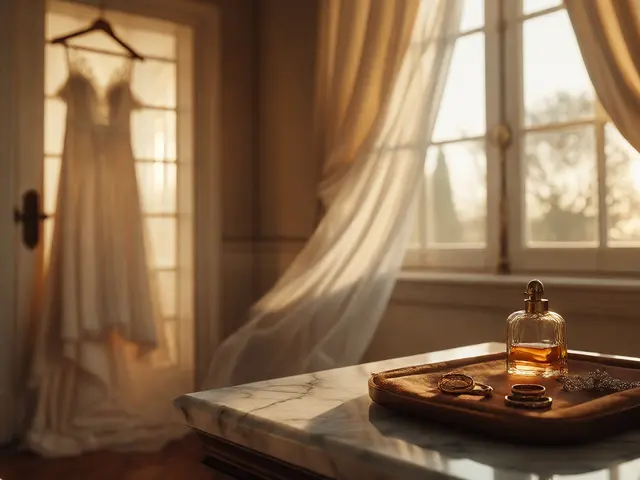
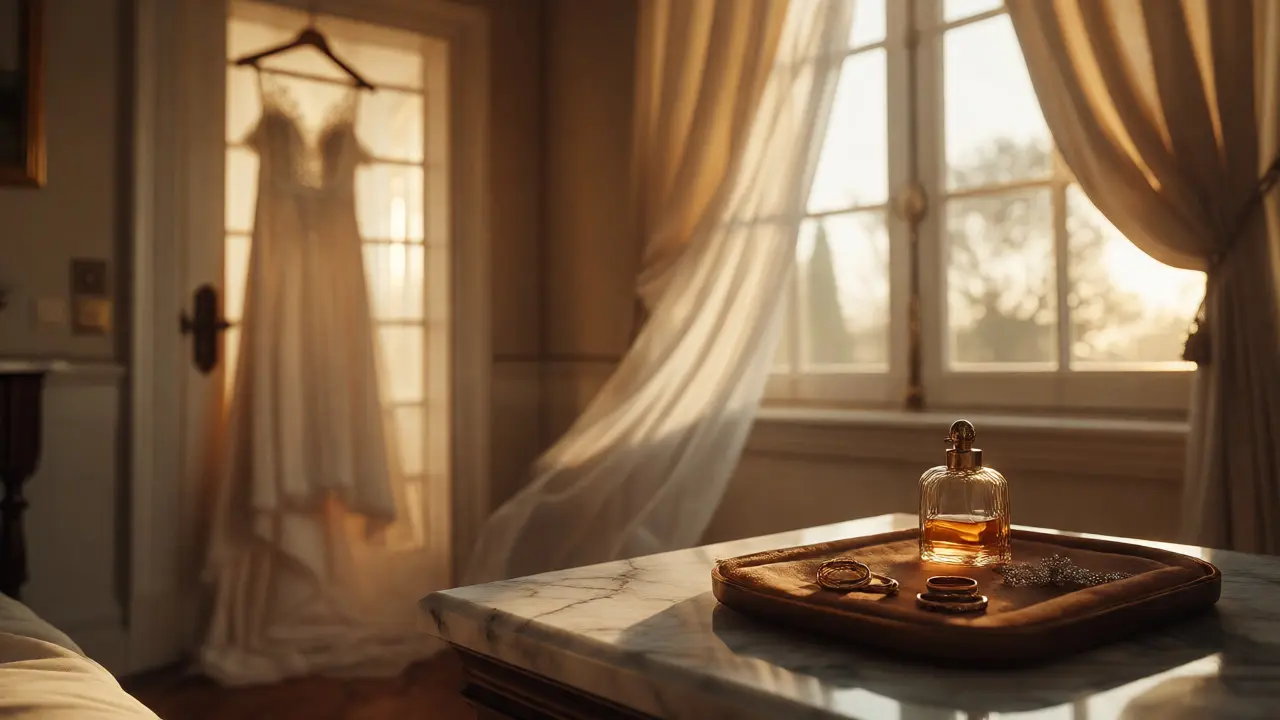
Getting Ready Shots are not just about vanity. They show the anticipation. Photographers love capturing the dress hanging on the door, shoes lined up, rings on a tray, and the genuine laughter between friends helping with buttons. These candid moments often end up being the most liked photos on social media because they feel authentic.
Here’s what needs to happen during this window:
- Details (15-20 minutes): Rings, invitations, perfume, jewelry, and the gown itself. This requires natural light, so pick a room with big windows.
- Bridal Party (30-45 minutes): Hair and makeup finishing touches, friends laughing, and group candids. Don’t try to pose everyone perfectly here; let it flow.
- Groom’s Side (15-20 minutes): Ties, cufflinks, and the groom reacting to seeing his suit or seeing his bride for the first time if you’re doing a first look.
If you skip this part, you lose the narrative arc of the day. You go straight from "nothing happened" to "walking down the aisle." Give yourself the buffer. Start your photographer one hour before the ceremony begins.
To First Look or Not to First Look?
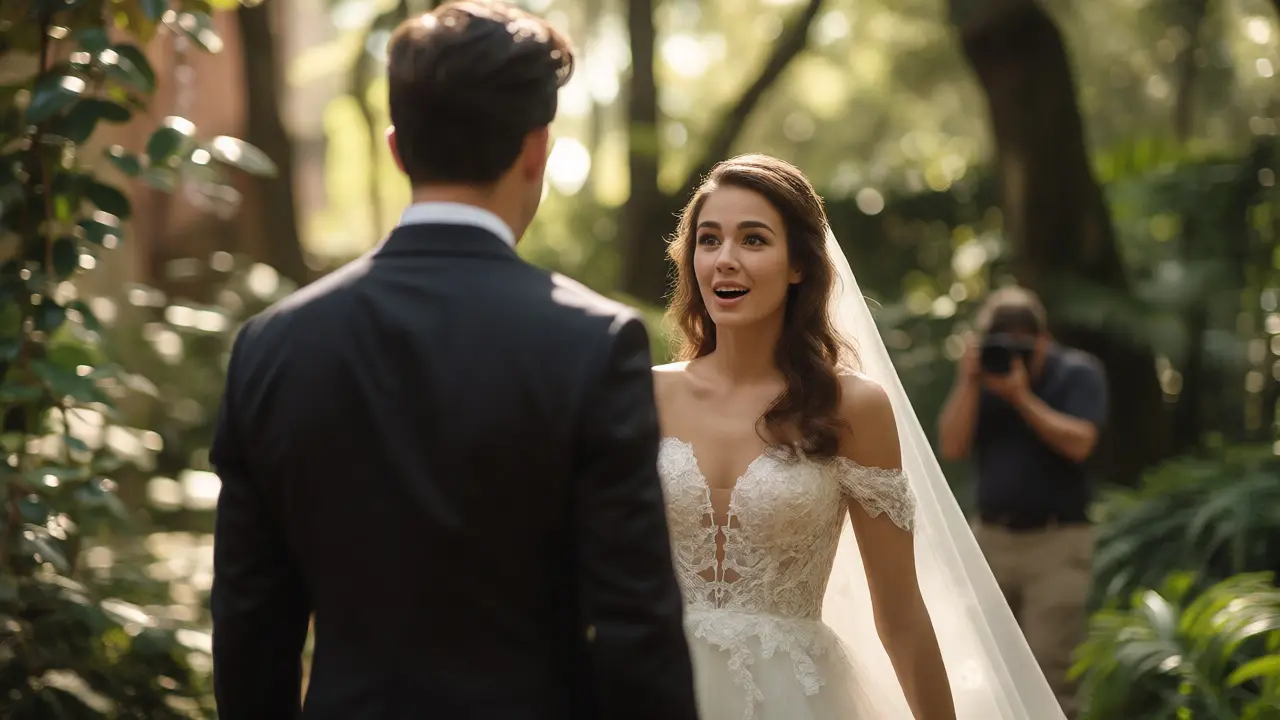
This decision dictates your entire afternoon. Traditional weddings wait until the ceremony for the groom to see the bride. Modern weddings often opt for a First Look, which is a private moment before the ceremony where the couple sees each other alone.
Why do photographers push for a first look? Because it frees up time after the ceremony. If you do a first look, you can shoot your formal family portraits and couple’s portraits before the reception. This means when you walk down the aisle, you’re relaxed. You’ve already had your intimate moment. After the ceremony, you can join your guests for cocktails immediately instead of disappearing for 90 minutes.
| Activity | With First Look | Without First Look |
|---|---|---|
| Couple Portraits | Before Ceremony (30 mins) | After Ceremony (45-60 mins) |
| Family Formals | Before Ceremony (30 mins) | During Cocktail Hour (45-60 mins) |
| Guest Interaction | High (Cocktail Hour) | Low (Missing Cocktail Hour) |
| Sunset/Golden Hour | Available for Reception | Risky (May conflict with Dinner) |
If you choose no first look, be prepared to steal your guests away during cocktail hour. Many guests will complain if you aren’t there to mingle. But if you choose a first look, you get control back.
The Ceremony: What Matters Most
Once the ceremony starts, your photographer goes into stealth mode. You don’t want them blocking views or making noise. However, specific moments require precise positioning.
Ceremony Coverage focuses on reactions, not just actions. Everyone photographs the kiss. Few remember to photograph the father wiping a tear, the grandmother smiling proudly, or the best man holding the ring box nervously.
Key shots to ensure your photographer captures:
- The Processional: Wide shot of the venue, then close-ups of the bride walking down the aisle.
- Vows: Close-ups of faces while speaking. Audio quality matters here if you’re also recording video.
- The Kiss: Ensure the photographer is positioned front-center, not off to the side where they might block the officiant’s view.
- The Recessional: Joyful exits. This is high-energy. Use burst mode.
Tell your officiant beforehand that the photographer will move quietly. Ask them to pause briefly after the kiss for a posed shot if needed, though many prefer candid. Decide this in advance to avoid awkward standing around.
Formal Family Portraits: The Checklist Method
Nothing kills a timeline faster than trying to organize 20 family members on the fly. "Where is Uncle Bob? Why is Aunt Linda wearing sunglasses indoors?" Chaos ensues. The solution is a written shot list provided to both the photographer and a designated helper (usually a sibling or maid of honor).
Family Formals should be kept to under 30 minutes. Stick to immediate family and key relatives. Extended cousins can be photographed casually later.
Create a numbered list like this:
- 1. Bride & Groom + Parents
- 2. Bride & Groom + Bride’s Parents
- 3. Bride & Groom + Groom’s Parents
- 4. Bride & Groom + Both Sets of Parents
- 5. Bride & Groom + Siblings
- 6. Full Bridal Party
Hand this list to your photographer. Do not improvise. If you add "Oh, let's get my college roommate," you add five minutes. Multiply that by ten requests, and you’ve lost an hour. Keep it tight. Group similar combinations together to minimize moving people around.
Golden Hour Couple Portraits
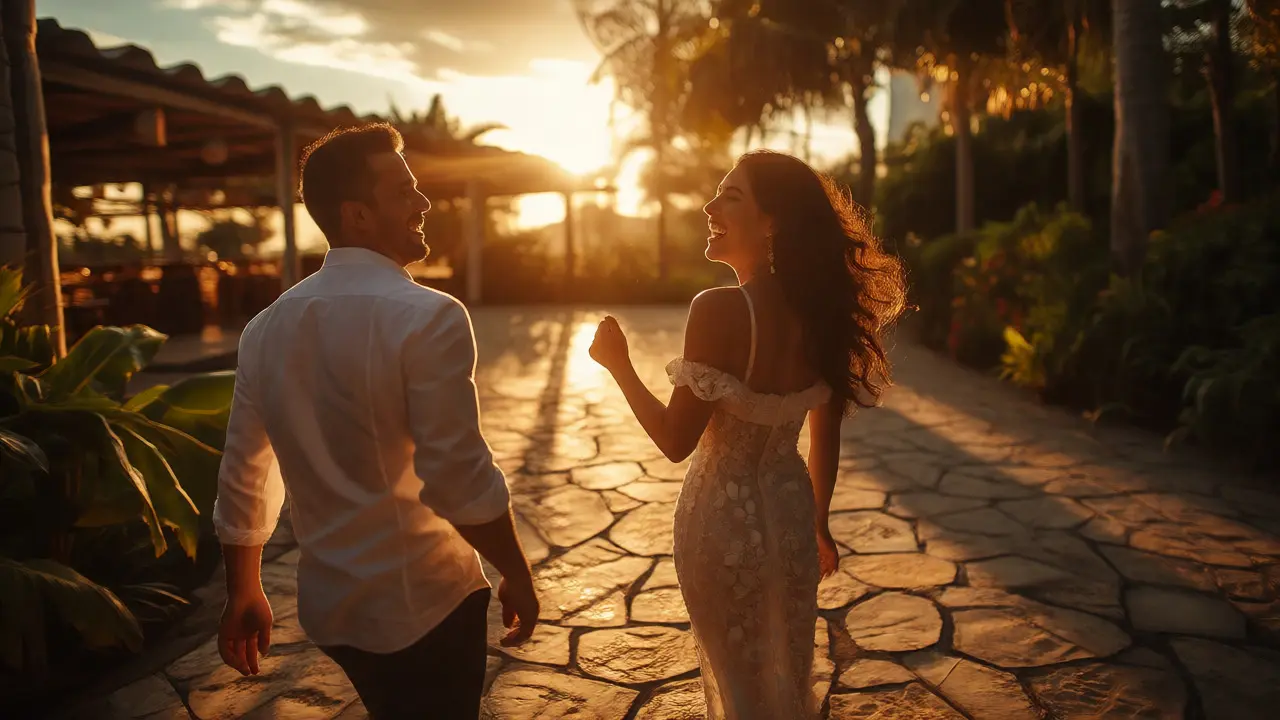
This is the money shot section. Golden hour-the hour after sunrise or before sunset-provides soft, warm light that flatters skin tones and creates romantic backgrounds. In September, depending on your location, this could be between 6:30 PM and 7:30 PM. Check local sunset times precisely.
Golden Hour Portraits require planning. You cannot wing this. If you are stuck in a dark indoor venue, bring portable lights, but natural light is superior.
How to fit this in:
- Scenario A (First Look Done): You have time during cocktail hour. Sneak away for 20-30 minutes while guests eat and drink.
- No First Look: You must schedule this immediately after the ceremony, before family formals, or right after dinner if the sun allows. Be warned: if you wait until after dinner, guests may have left, or you may be exhausted.
Pick a location nearby. Don’t drive 20 minutes away. You’ll spend more time in the car than posing. Find a spot with interesting texture-a brick wall, a field, a staircase-and stay within a 5-minute walk of the reception.
Reception Details and Candids
While you’re mingling, your photographer should be documenting the environment. These shots prove the effort you put into design.
Ask for these specifically:
- Table Settings: Centerpieces, place cards, and menu cards in natural light before guests sit.
- Cake Table: Before cutting, showing the full design.
- Decor Details: Signage, floral arrangements, and lighting setups.
Then, shift to candids. Toasts, dancing, and laughter. This is where personality shines. Tell your photographer to capture the grandparents dancing, the kids running around, and the drunk uncle’s funny face. These unposed shots often tell the true story of the night.
Building Your Master Schedule
Here is a sample template for a typical Saturday evening wedding. Adjust based on your specific sunset time and venue rules.
| Time | Activity | Photographer Focus |
|---|---|---|
| 1:00 PM | Photographer Arrives | Details, Dress, Shoes |
| 2:00 PM | Hair & Makeup Finishing | Candid Prep, Friends Helping |
| 3:00 PM | First Look (Optional) | Private Couple Moment |
| 3:30 PM | Family Formals | Structured Poses (Strict List) |
| 4:00 PM | Couple Portraits | Relaxed, Creative Poses |
| 4:30 PM | Bridal Party Portraits | Fun, Dynamic Group Shots |
| 5:00 PM | Ceremony Begins | Processional, Vows, Kiss |
| 5:30 PM | Recessional & Congrats | Candid Exits, Guest Reactions |
| 6:00 PM | Cocktail Hour / Golden Hour | Mingling OR Couple Sunset Shots |
| 7:00 PM | Dinner Service | Toast Candid, Table Candids |
| 8:30 PM | First Dance | Wide and Close-up Action |
| 9:00 PM | Dancing | Candids, Fun Moments |
| 10:00 PM | Last Dance / Send-off | Final Group Shot, Exit |
Note the buffers. Notice that nothing is scheduled back-to-back with zero gap. Life happens. Traffic delays, bad weather, or a stubborn zipper can throw things off. Build in 10-15 minute pads between major blocks.
Common Pitfalls to Avoid
Even with a plan, mistakes happen. Here are the biggest ones I see in Portland and beyond.
- Ignoring Light Direction: If your ceremony is at noon, you’ll get harsh shadows under eyes. Try to schedule outdoor ceremonies for morning or late afternoon. If you must do midday, find shade.
- Underestimating Travel: If you’re getting ready at one hotel and marrying at another, account for traffic. In cities like Portland, bridge closures or rain can double travel time.
- Forgetting Vendor Meals: Photographers need to eat. If you expect them to shoot for 10 hours, provide a meal. Otherwise, they’ll run out of energy and focus.
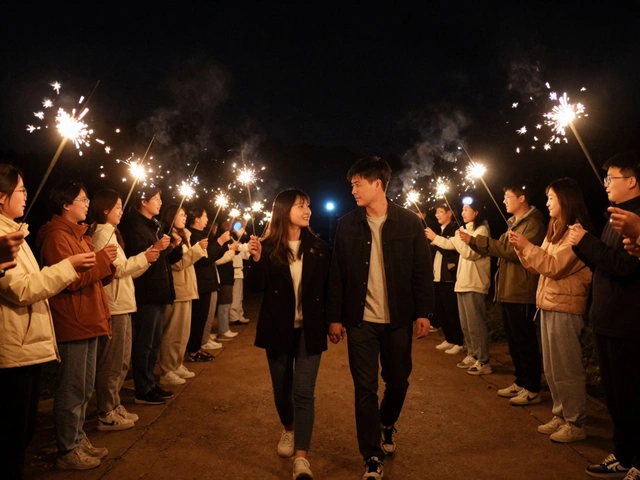
- Over-Scheduling: Trying to squeeze in a drone shoot, sparkler exit, and cake smash all in one hour is unrealistic. Pick your top three non-negotiables.
Next Steps for Couples
Don’t wait until the week before the wedding to finalize this. Sit down with your photographer six weeks out. Review the venue layout. Walk through the timeline. Identify backup plans for rain. Share your shot list early so they can scout locations if possible.
Your goal isn’t perfection; it’s presence. A good timeline lets you be present because you know exactly what’s happening next. You’re not worrying about whether you forgot to photograph your grandma. You know she’s covered at 3:45 PM. That peace of mind is worth every minute of planning.
How many hours of coverage do I need for a standard wedding?
Most couples need 8 to 10 hours. This typically covers getting ready, the ceremony, portraits, and the first few hours of the reception including dances and cake cutting. If you want full dance floor coverage or a send-off, consider 10-12 hours.
What if it rains on my wedding day?
Have a Plan B. Identify indoor spots with good natural light near your venue. Umbrellas can be great props for moody, romantic shots. Communicate with your photographer in advance about wet-weather alternatives so they aren't scrambling.
Do I really need a first look?
No, but it highly recommends for logistical ease. Without a first look, you will likely miss cocktail hour to take portraits. With a first look, you get private time together and free up the evening to enjoy your guests.
How long does a family portrait session take?
With a strict shot list, 20-30 minutes is sufficient for immediate family. Without a list, it can easily stretch to an hour or more due to disorganization. Always designate a helper to round up family members.
When is golden hour for my wedding date?
Check a local sunset calculator for your specific city and date. Golden hour lasts roughly 45-60 minutes after sunset. For a September wedding in the Pacific Northwest, this might be between 6:45 PM and 7:30 PM. Adjust your timeline accordingly.