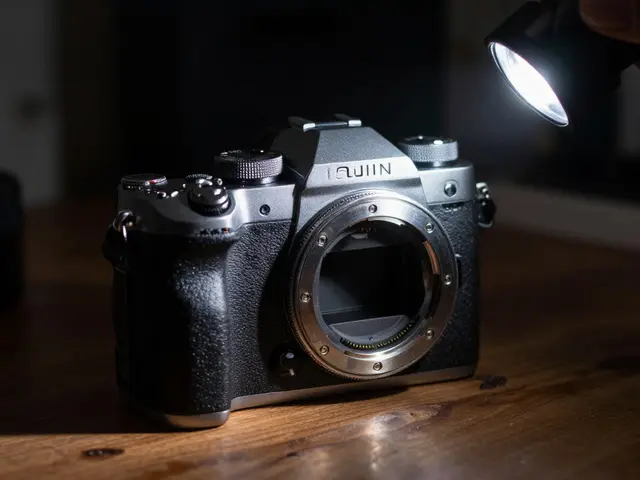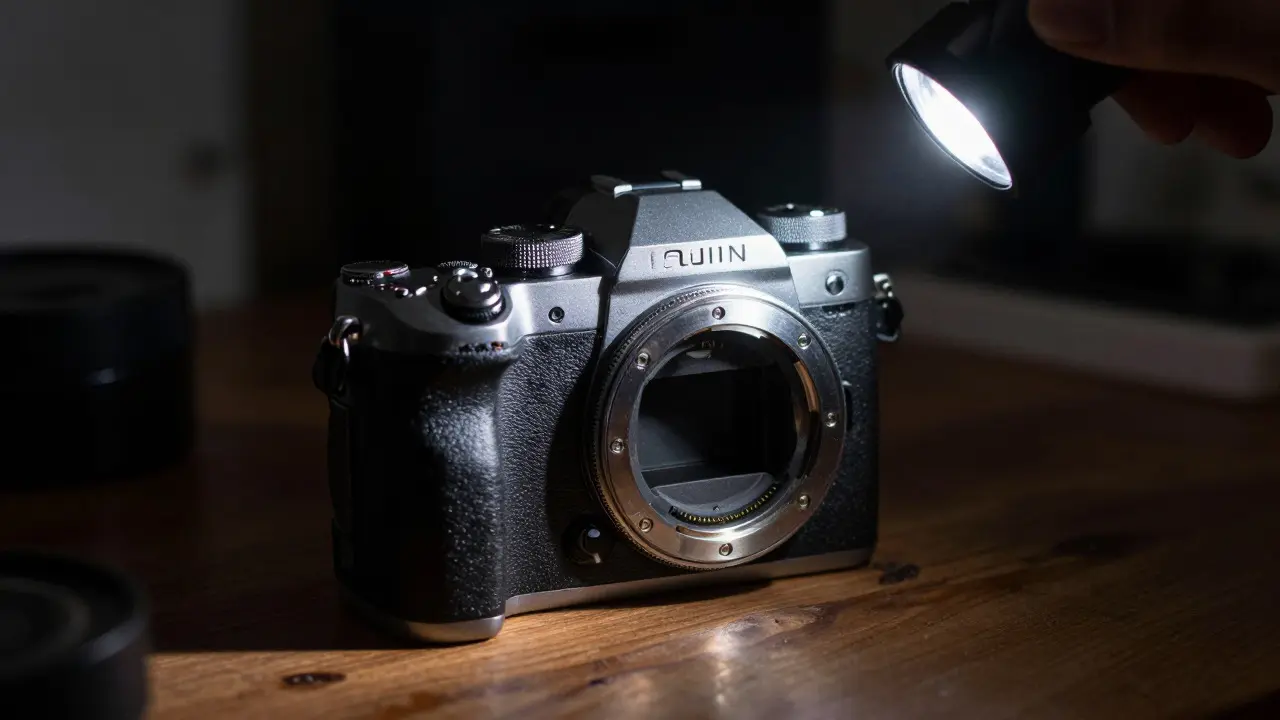
Buying a used camera feels like walking into a room where the lights are off. You can’t see the scratches until you turn on the flashlight, and you don’t know if the heart of the machine-the shutter-is about to give out. In 2026, with new mirrorless models releasing faster than ever, the second-hand market is flooded with excellent gear at steep discounts. But that discount comes with risk. A $500 camera that looks perfect on the outside might have a failing lens element or a sensor riddled with permanent dust spots.
This guide cuts through the noise. We will look at how to verify the life left in your potential purchase, how to spot physical damage that sellers often hide, and how to calculate what a body is actually worth today. Whether you are hunting for a vintage film SLR or a modern full-frame hybrid, these checks will save you from expensive mistakes.
The Shutter Count: The Engine’s Odometer
For digital cameras, the shutter mechanism is a moving part. It has a finite lifespan. Manufacturers rate this durability, known as the shutter life expectancy, usually ranging from 100,000 cycles for entry-level bodies to over 400,000 for professional models like the Canon EOS R5 or Nikon Z9. If a camera has exceeded its rated cycle count, it doesn't necessarily break immediately, but the risk of failure spikes significantly.
How do you check this? It depends on the brand:
- Sony: There is no built-in menu option. You must use third-party software like Sony Alpha Firmware Checker or specific USB tools. For older E-mount bodies, the count is often stored in the EXIF data of JPEG files, though RAW files require specialized extraction tools.
- Nikon: Use a PC software called "Nikon Shutter Count" (often found on GitHub) via USB connection. It reads the internal counter directly.
- Canon: This is trickier. You need a PC program like "EOS Magic Lantern" (for compatible models) or a dedicated diagnostic tool connected via USB. Some newer RF-mount bodies allow viewing via specific service menus, but it's not user-friendly.
- Fujifilm & Panasonic: Generally, there is no easy way to check without sending the camera to a repair shop. Ask the seller for receipts or previous photos showing the count.
A good rule of thumb: If a camera is rated for 100k cycles and shows 80k, it’s near the end of its reliable life. If it shows 20k, you have plenty of headroom. Always ask the seller to show you the count live if possible. A screenshot can be faked, but a live readout is harder to fake.
Physical Inspection: Beyond the Exterior
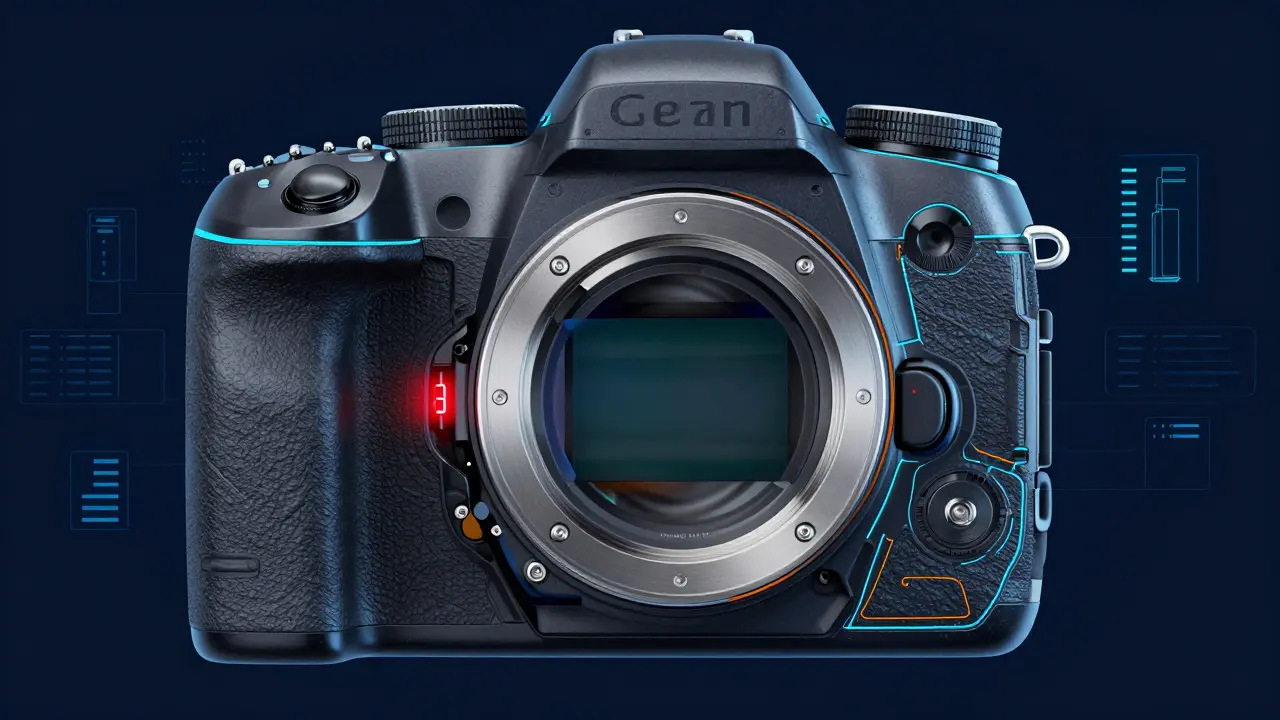
Scratches on the top plate are cosmetic. They don’t affect image quality. What matters is what’s inside. When inspecting a used camera, focus on three critical areas: the sensor, the lens mount, and the seals.
The Sensor Check Dust on the sensor is common, but permanent dust or oil spots are deal-breakers. Here is how to test it:
- Set the camera to Manual Mode.
- Set Aperture to f/16 or f/22 (smallest opening).
- Set ISO to 100 (lowest sensitivity).
- Set Shutter Speed to 1/1000s or faster.
- Point the camera at a plain white wall or bright sky.
- Take a photo.
Lens Mount Condition Check the metal contacts on the back of the lens and the corresponding pins on the camera body. Look for bent pins or heavy oxidation. Bent pins cause communication errors between the lens and body, leading to autofocus failures. Oxidation can be cleaned, but bent pins often mean a trip to a repair shop costing $50-$100.
Seals and Weather Sealing If you bought a weather-sealed body (like the Nikon Z7 II or Sony A7 IV), check the rubber gaskets around the battery door, card slots, and lens release button. If they are cracked, missing, or sticky, the sealing is compromised. This isn’t just about rain; it’s about dust entering the body. Replaceable seals cost little, but knowing they need replacement helps you negotiate price.
Valuation: What Is It Actually Worth?
Don’t rely on eBay sold listings alone. Those prices fluctuate based on supply and demand. Instead, use a tiered approach to determine fair market value in 2026.
| Condition Tier | Description | Price Adjustment vs. New | Risk Level |
|---|---|---|---|
| Mint / Open Box | Less than 5,000 shutter clicks, original box, all accessories, no visible wear. | 70-80% | Low |
| Excellent | 10,000-30,000 clicks, minor scuffs, functional seals, clean sensor. | 50-65% | Medium-Low |
| Good | 30,000-60,000 clicks, visible wear, some seal degradation, minor dust. | 35-50% | Medium |
| Fair / Project | 60,000+ clicks, significant wear, missing parts, or known issues. | 20-35% | High |
Always factor in the age of the model. A camera released in 2024 that is now two years old holds value better than one released in 2020. However, if a newer generation with significantly better autofocus or video capabilities has launched, the older model’s value drops sharply. Check the release date of the successor model. If it’s within 6 months, expect steeper discounts on the older unit.
Common Pitfalls to Avoid
Even with careful inspection, buyers fall into traps. Here are the most common ones:
- The "Clean Bill of Health" Lie: Sellers often claim "no issues." Don’t believe it until you test. Focus on the worst-case scenario, not the best-case promise.
- Ignoring Battery Health: Lithium-ion batteries degrade. A used camera with a swollen or dead battery needs a new one ($50-$80). Factor this into your budget.
- Overpaying for Accessories: Original boxes, straps, and manuals add sentimental value but minimal monetary value. Pay for the camera, not the packaging.
- Skipping the Test Shoot: Always take at least 10-20 photos. Check for banding, color shifts, or focus hunting. If the seller allows it, shoot in low light to test high-ISO performance.
Negotiation Tactics for Better Deals
Once you’ve identified flaws, use them to lower the price. Be polite but firm. * **Mention Specific Defects:** "The sensor has three large dust spots that will need professional cleaning. That costs $100 at my local shop. Can we drop the price by $150 to cover that?" * **Highlight Age:** "This model was released in early 2024. The newer version came out last month with improved IBIS. I think $X is more realistic given the depreciation." * **Offer Cash:** If buying locally, cash in hand is a powerful incentive for sellers who want a quick sale. * **Bundle Requests:** If buying a body and lens separately, try to bundle them for a 5-10% discount. Sellers often prefer one transaction over two.
Where to Buy Safely in 2026
Not all platforms are created equal. Here is a breakdown of reliability: * **Local Classifieds (Facebook Marketplace, Craigslist):** Highest risk, but lowest overhead. Meet in a public place. Bring a friend. Test the camera thoroughly before paying. * **eBay:** Moderate risk. Use buyer protection. Read seller ratings carefully. Prefer sellers with "Top Rated" status. * **Specialized Retailers (KEH, MPB, Adorama Used):** Higher price, but lower risk. These shops inspect every unit and offer warranties. You pay a premium for peace of mind. * **Forum Sales (DPReview, Reddit r/geartrade):** Community-driven. Often safer than random classifieds because members have reputations to maintain. Still, verify identity and payment methods.
Final Thoughts Before You Click Buy
Buying a used camera is a skill. It takes time to learn what to look for, but once you do, you can save hundreds or even thousands of dollars. Start with a clear budget, including money for potential repairs. Research the specific model’s common failures-some cameras have known issues with stuck shutters or corrupted firmware. Join online forums dedicated to that brand. Ask questions. Listen to experiences from other owners.
Remember, the goal isn’t just to get the cheapest camera. It’s to get the most reliable tool for your photography. A slightly more expensive camera in excellent condition will serve you better than a bargain bin find that fails during your wedding shoot. Take your time. Inspect everything. And when in doubt, walk away. There will always be another listing.
How do I check the shutter count on a Sony camera?
Sony does not display shutter count in the menu. You need to connect the camera to a computer via USB and use third-party software like Sony Alpha Firmware Checker or extract it from JPEG EXIF data using tools like ExifTool. For older models, the count may not be easily accessible.
Is a high shutter count a deal-breaker?
Not necessarily. If a camera is rated for 200,000 cycles and shows 150,000, it still has 25% life remaining. However, if it exceeds the rated limit, the risk of sudden failure increases. Negotiate the price down significantly if the count is near or above the manufacturer’s rating.
What should I do if the sensor has dust spots?
Small, sharp dots are usually removable with air blasters or swabs. Large, blurry spots indicate oil or debris that requires professional cleaning. Ask the seller to demonstrate the sensor cleanliness using the f/16 test. If cleaning is needed, deduct the cost of professional service from the purchase price.
Are refurbished cameras a good buy?
Yes, if they come from an authorized refurbisher like KEH, MPB, or the manufacturer. These units are tested, repaired, and often come with a warranty. Avoid unknown refurbishers unless they provide detailed reports on shutter count and sensor condition.
How much should I budget for a used camera in 2026?
Budget 10-15% extra for potential repairs, new batteries, or cleaning. For example, if a camera is listed at $800, set your max budget at $920. This buffer ensures you aren’t caught off guard by hidden issues discovered after purchase.