Nothing kills the mood of a dive faster than watching your camera shake as water seeps into the housing. You check the seals, you press the buttons, but that cold sensation in your hand says something is wrong. Underwater housing maintenance isn't just about keeping your expensive gear safe; it's about ensuring your shots don't end up as blurry, distorted disasters. Most leaks happen because of simple neglect, not because the equipment failed. If you treat your O-rings are small, circular rubber gaskets that create a watertight seal between two surfaces when compressed. They are the single most critical component in any underwater housing is a protective case designed to keep cameras dry while submerged. with respect, they will serve you for years. Ignore them, and even a $2,000 housing becomes useless after one bad dive.
The Anatomy of a Leak-Proof Seal
To understand why housings fail, you have to look at how they work. A standard diving housing consists of a clear polycarbonate dome and a body made from aluminum or magnesium alloy. The connection between these parts relies entirely on friction and compression. When you twist the dome onto the body, you compress the O-ring against a flat metal surface. This compression creates a barrier that prevents water molecules from passing through. If that barrier breaks-even by a fraction of a millimeter-water finds its way in.
The material of the O-ring matters significantly. Most manufacturers use Viton is a synthetic fluoroelastomer known for its resistance to heat, chemicals, and oil. Viton is preferred over natural rubber because it doesn't degrade quickly when exposed to saltwater or UV light. However, even Viton has a lifespan. Over time, the polymer chains break down, causing the ring to lose elasticity. Once an O-ring loses its springiness, it can no longer maintain the necessary pressure to keep water out. This process, known as aging, happens whether you use the housing daily or store it in a drawer for a year.
Another common culprit is debris. Sand, grit, or small particles can get trapped between the O-ring and the housing face. These tiny specks act like needles, piercing the thin rubber layer. Because divers often rinse their gear in fresh water after a dive, this issue is less frequent in freshwater environments, but salt crystals left behind can still cause abrasion. The key takeaway here is that cleanliness is not optional; it is the foundation of waterproofing.
Step-by-Step Cleaning Routine
You don't need a lab to maintain your seals. A consistent routine takes less than five minutes per dive. Here is exactly what you should do every time you return from the water:
- Rinse immediately. As soon as you exit the water, hose down the exterior of the housing with fresh water. Do not wait until you get home. Saltwater begins to corrode metal parts and crystallize on rubber seals within hours.
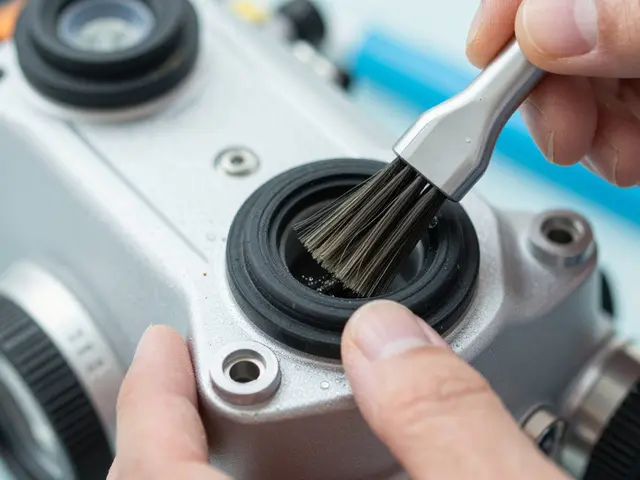
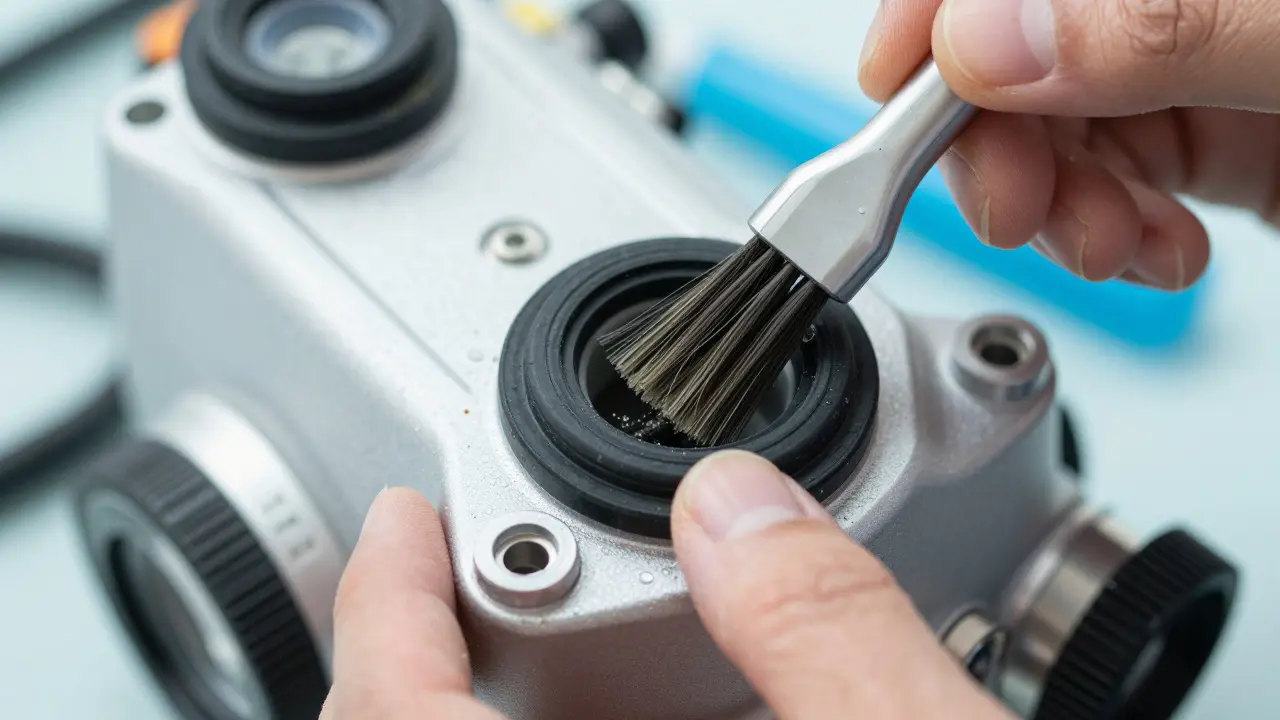
- Inspect the O-ring channel. Look closely at the groove where the O-ring sits. Use a soft toothbrush or a cotton swab to gently remove any sand or grit. Avoid using sharp tools like knives or screwdrivers, which can cut the rubber.
- Clean the O-ring itself. Wipe the ring with a lint-free cloth dampened with fresh water. If the ring looks sticky or oily, wash it with mild dish soap and rinse thoroughly. Residue from soaps can attract more dirt later, so ensure all soap is removed.
- Dry completely. Allow the housing to air-dry before closing it. Trapped moisture can promote mold growth inside the camera bay, which damages electronic components over time.
Many divers skip the inspection step because it feels tedious. But spending thirty seconds looking at the seal saves you from replacing a $150 housing. Make it a habit, like checking your tank pressure. It becomes second nature after a few weeks.
Lubrication: The Right Way and the Wrong Way
Lubricating your O-rings reduces friction, making the housing easier to open and close. More importantly, it keeps the rubber supple and extends its life. However, using the wrong lubricant is a classic mistake that leads to premature failure.
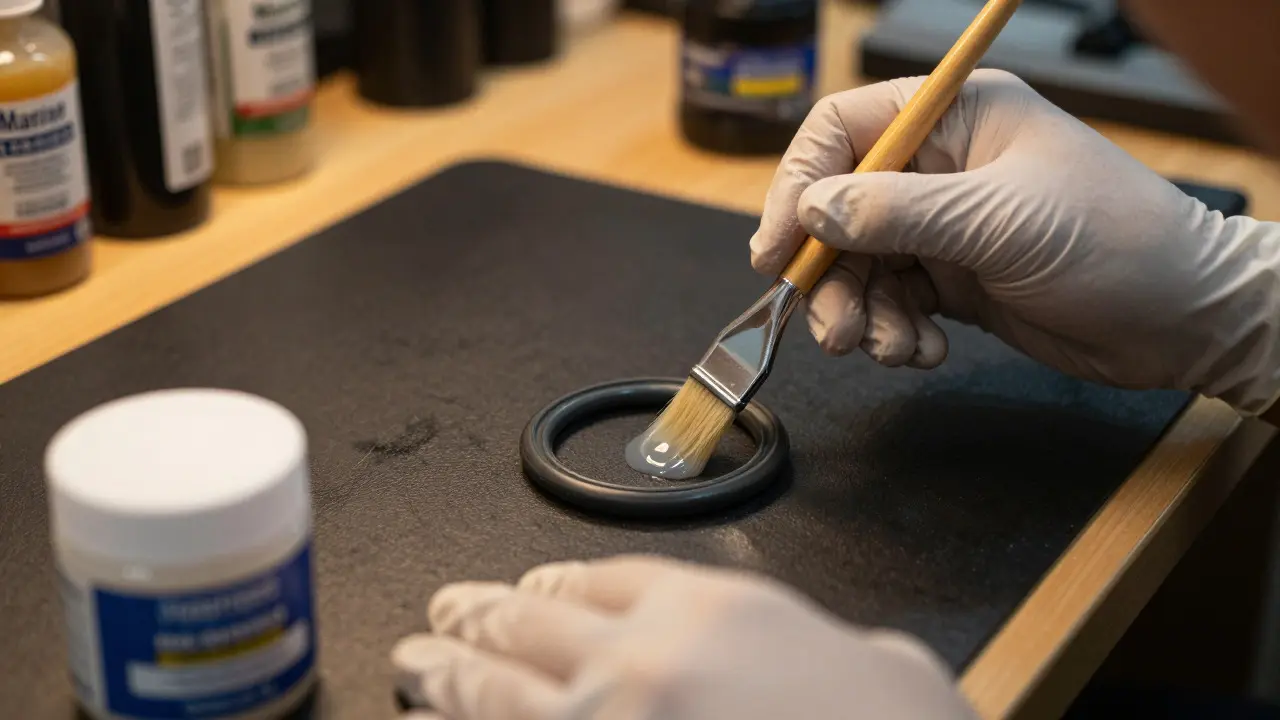
Avoid petroleum-based products like Vaseline or WD-40. Petroleum attacks certain types of rubber, causing them to swell, crack, or dissolve. Instead, use a dedicated silicone grease is a non-petroleum based lubricant specifically formulated for rubber seals. Silicone grease is inert, meaning it doesn't react chemically with Viton or other elastomers. It also remains stable across a wide range of temperatures, from freezing alpine lakes to tropical reefs.
How much should you apply? Less than you think. A thick glob of grease does not make a better seal; it actually makes a worse one. Too much grease can squeeze out of the channel during compression, creating a path for water. Aim for a thin, even coat. Think of it like buttering toast lightly-you want coverage, not sogginess. Apply the grease with your finger or a clean brush, ensuring the entire circumference of the ring is covered. Then, wipe off any excess with a dry cloth. If you see grease on the outside of the housing, you used too much.
| Lubricant Type | Compatibility with Viton | Longevity | Cost | Recommendation |
|---|---|---|---|---|
| Silicone Grease | Excellent | 6-12 months | $10-$20 | Best choice |
| Petroleum Jelly (Vaseline) | Poor | 1-3 months | $5 | Avoid |
| WD-40 | Poor | Days | $8 | Avoid |
| Specialty Dive Lube | Excellent | 12+ months | $25-$40 | Premium option |
Identifying Common Failure Points
Even with perfect maintenance, issues can arise. Knowing where to look helps you diagnose problems quickly. The most common leak points are the door seal, the button shafts, and the port glass.
Door Seals: This is the primary interface between the top and bottom halves of the housing. If the door doesn't close smoothly, stop and check for obstructions. A slight misalignment can prevent the O-ring from seating evenly. If the door feels stiff, it might be due to dried salt or lack of lubrication. If it feels loose, the O-ring may be worn out.
Button Shafts: Modern housings have sealed buttons that allow you to operate the camera without opening the case. These shafts have internal springs and seals. Over time, the internal seal can wear down. If you notice condensation forming around the button area, this is likely the source. Replacing button seals is usually cheaper than replacing the whole housing, but it requires disassembly. Keep a spare set of button seals in your kit bag.
Port Glass: The clear window that lets light in is held in place by screws or a threaded ring. If the glass is scratched, it doesn't affect waterproofing directly, but deep cracks can compromise the structural integrity. Check the perimeter of the port for any signs of stress fractures. If you drop your housing, inspect the port immediately. A hairline crack might not leak today, but it will under pressure tomorrow.
Storage Best Practices
How you store your housing when not in use is just as important as how you clean it. Many divers toss their gear into a bag and forget about it. This is a recipe for disaster. Rubber degrades faster in hot, humid environments. If you live in a place with high humidity, consider storing your housing in a cool, dry place. Avoid leaving it in a car trunk in summer, where temperatures can exceed 100°F (38°C). Heat accelerates the breakdown of polymers.
Also, avoid storing the housing closed for extended periods. Compression sets occur when an O-ring stays squished for too long. This causes the rubber to permanently deform, losing its ability to expand back to its original shape. Open the housing weekly, even if you aren't diving. Let the O-rings rest in their uncompressed state. This simple habit can double the lifespan of your seals.
If you are traveling, pack your housing separately from heavy objects. Dents in the housing body can warp the sealing surfaces. A warped surface means the O-ring cannot compress evenly, leading to leaks. Use a padded case or wrap the housing in clothing to protect it from impact.
When to Replace Your O-Rings
There is no fixed schedule for replacement, but there are clear signs that it is time to swap them out. Replace your O-rings if you notice any of the following:
- Cracks or tears: Visible damage means the seal is compromised. Do not risk a dive with a cracked ring.
- Flattening: If the ring looks flat instead of round, it has lost its elasticity. It won't bounce back to fill gaps.
- Stiffness: If the ring feels hard to the touch rather than soft and pliable, it is aging.
- Discoloration: Significant changes in color can indicate chemical degradation.
- Age: Even if they look fine, replace O-rings every 12 to 18 months if you dive frequently. Annual replacement is a good rule of thumb for active divers.
Replacement kits are inexpensive and widely available. Buy them from the manufacturer of your housing to ensure correct sizing. Mixing sizes from different brands can lead to poor fits. When installing new rings, handle them with care. Fingernails can tear thin rubber. Slide them into the channel gently, ensuring they sit flat without twisting.
Troubleshooting Persistent Leaks
If you have cleaned, lubricated, and replaced your O-rings but still experience leaks, the problem might lie elsewhere. First, check the housing body for dents or scratches on the sealing surface. A deep scratch can act as a channel for water. If the scratch is minor, you can sometimes smooth it out with very fine sandpaper (400-grit or higher), but be cautious not to widen the groove. If the damage is severe, professional repair or replacement is necessary.
Second, verify that you are tightening the housing correctly. Most housings require a specific torque. Tightening too little leaves gaps; tightening too much can strip threads or deform the O-ring. Follow the manufacturer’s instructions. Some housings have alignment marks; align these before tightening. Others have a ratcheting mechanism that clicks when the correct tension is reached. Listen for the click. If you hear it, stop tightening.
Finally, perform a land test before every dive. Fill the housing with your camera, close it tightly, and submerge it in a bathtub or pool. Watch for bubbles. If you see bubbles escaping from a specific point, you have found the leak source. This test takes two minutes and can save your entire dive trip.
Can I use cooking oil to lubricate my O-rings?
No. Cooking oils are organic and can oxidize, turning sticky and attracting dirt. They also degrade rubber over time. Always use silicone-based grease designed for marine applications.
How often should I replace my underwater housing O-rings?
As a general rule, replace them every 12 to 18 months for regular divers. If you dive in abrasive environments like sandy shallows, you may need to replace them more frequently. Inspect them monthly regardless of age.
What happens if I forget to lubricate my O-rings?
The O-rings will dry out and become brittle. This increases the risk of cracking during installation or use. Dry rings also create more friction, making the housing harder to open and close, which can lead to improper sealing.
Is it okay to leave my housing closed for several months?
It is not recommended. Long-term compression causes the O-rings to flatten permanently. Open the housing at least once a month to let the seals relax. Store the housing open if possible.
How do I know if my housing is damaged beyond repair?
If the sealing surface has deep gouges, if the polycarbonate port is cracked, or if the metal body is bent, repair may not be cost-effective. In these cases, buying a new housing is often safer and more economical than attempting complex repairs.