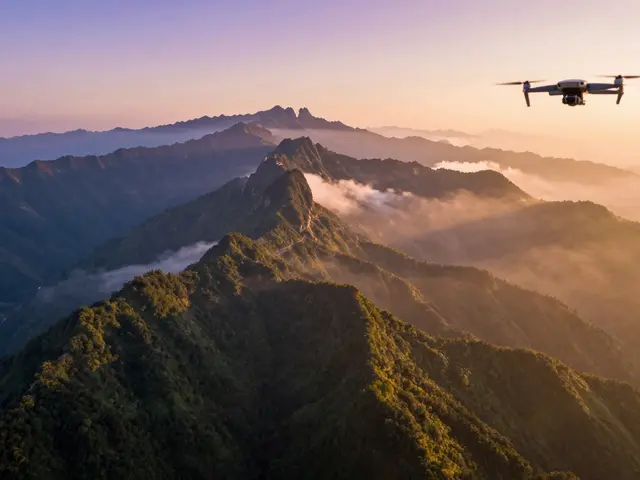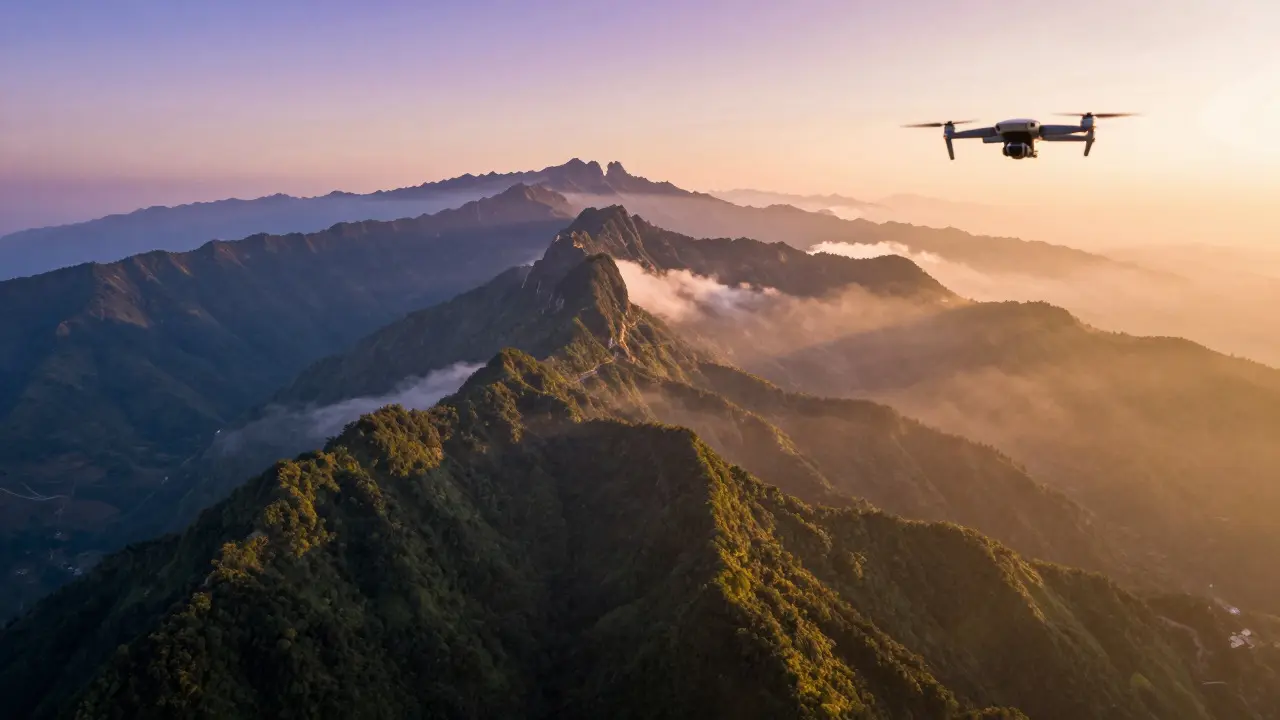
Imagine hovering 400 feet above a misty mountain range at sunrise. The light hits the peaks, and you capture a perspective that no ground-level camera could ever touch. That is the magic of travel drone photography is the art of capturing aerial imagery while traveling, requiring specific knowledge of aviation regulations, gear management, and respectful field practices. It allows photographers to document landscapes, architecture, and nature from angles that were previously impossible without a helicopter. However, this freedom comes with strict responsibilities. One wrong move can lead to fines, grounded flights, or even a crash into a tourist.
The landscape for flying drones has changed significantly since 2016. What used to be a gray area is now governed by clear, albeit complex, international standards. If you are planning your next trip, understanding the local laws is just as important as choosing your lens. This guide breaks down the critical rules, the essential gear you need to pack, and the unspoken etiquette that keeps you welcomed in foreign communities.
Understanding Global Regulations and Permits
Flying a drone is not like taking a selfie; it involves sharing airspace with commercial aircraft, helicopters, and other recreational pilots. In the United States, the Federal Aviation Administration (FAA) sets the baseline. Most travelers operate under the Remote Pilot Rule, commonly known as Part 107. This regulation requires a remote pilot certificate, which involves passing an online exam covering weather, airspace classes, and emergency procedures. Once certified, you can fly up to 400 feet above ground level, provided you stay below lower obstacles.
However, the moment you cross a border, the rules change. Europe operates under the European Union Aviation Safety Agency (EASA) framework, which categorizes drones by weight and risk rather than just pilot license. Countries like Japan, Australia, and New Zealand have their own Civil Aviation Authorities with distinct registration requirements. Some nations, such as Brazil and India, have recently opened their skies but require specific digital permits obtained through government portals weeks in advance. Ignoring these differences is the most common reason travelers get fined.
- United States: Requires FAA Part 107 certification for commercial use or recreational ID number. Max altitude 400 ft.
- European Union: Uses A1/A3 categories based on drone weight. Open category often doesn't require a license for sub-250g drones, but insurance is mandatory.
- Asia-Pacific: Highly variable. Singapore requires a permit for all flights. Thailand bans flying near airports within 5km radius strictly.
- South America: Many countries require pre-flight authorization via online forms. Check local ANAC or equivalent bodies.
Always check if the country requires drone registration. In many jurisdictions, registration stickers must be visible on the airframe. Keep a digital copy of your registration and pilot license in your phone cloud storage, but also print one physical copy. Customs officers sometimes ask to see proof of legal operation before allowing the device through baggage screening.
The Travel-Specific Packing List
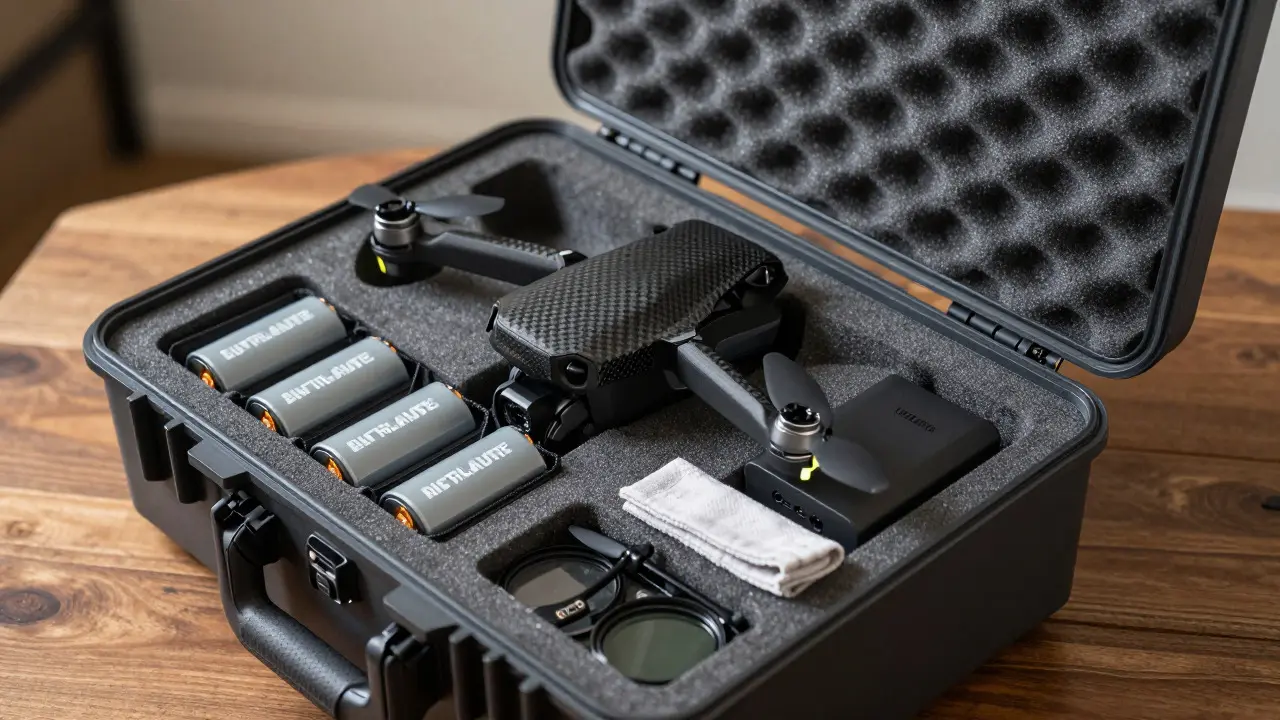
Packing a drone is different from packing a smartphone. You are dealing with delicate rotors, sensitive electronics, and high-value batteries. The goal is protection and redundancy. A standard travel kit should include more than just the drone itself. You want to ensure that a single lost propeller or dead battery doesn't ruin your entire shooting day.
| Item | Purpose | Pro Tip |
|---|---|---|
| Durable Hard Case | Protects against drops and pressure changes | Use a case with custom foam cutouts, not generic bubble wrap. |
| Batteries (4-6x) | Extended flight time | Keep spare batteries in checked luggage only if allowed by airline; carry-on is safer for lithium safety. |
| Spare Propellers (2 sets) | Quick replacement after crashes | Tape them together so they don't rattle in your bag. |
| ND Filter Set | Control exposure in bright sunlight | Bring ND8 and ND16 minimum for mid-day shots. |
| MicroSD Cards (High Speed) | Storage for 4K video | V30 speed rating is minimum for smooth recording. |
| USB-C Power Bank | Charging controller and phone | At least 20,000 mAh capacity. |
| Lens Cloth & Blower | Clean sensor and lenses | Static-free cloth prevents dust attraction. |
Battery management is critical. Lithium-polymer batteries degrade if left fully charged for months. Before a long trip, cycle your batteries to around 50% charge. When flying in cold temperatures, keep spares in an inner pocket close to your body heat to maintain voltage stability. Hot climates present the opposite problem; avoid leaving batteries in a car trunk where temperatures can exceed 40°C, which risks swelling or fire.
Airline Logistics and TSA Checks
Getting your drone onto a plane is often smoother than getting it out of customs. Most major airlines allow drones in carry-on luggage, provided the batteries are installed in the drone or removed and packed separately. The key rule is watt-hour rating. Most consumer drones, like the DJI Mini series or Air series, use batteries well under 100 Wh, which means they fall under the standard carry-on limit without special airline approval. However, larger professional drones with multiple large batteries may exceed this threshold, requiring prior permission from the carrier.
When going through security, place the drone in its case or lay it flat in a bin. Security agents are familiar with drones now, but removing the propellers can sometimes help if the scanner gets confused by the dense carbon fiber structure. Keep your batteries accessible in a separate zip-lock bag if requested. For international flights, be prepared to show your drone's serial number and your pilot license if asked. Having a printed screenshot of your local aviation authority's rules on your phone adds credibility and speeds up the process.
Field Etiquette and Community Relations
Technically, you might be legal to fly, but socially, you might be unwelcome. Drone etiquette is about minimizing disturbance. People hate feeling watched from above. To avoid complaints, follow the "Rule of Thumb": if you can hear your drone from the ground, people nearby can likely feel the vibration or hear the noise. Try to stay at least 50 meters away from groups of people unless you have explicit permission.
Communication is key. If you are photographing a wedding, a festival, or a private beach, introduce yourself first. Show the person you are a photographer, not a spy. Offer to share the final images. In many cultures, especially in rural parts of Asia and Africa, a simple nod or smile goes a long way. Avoid flying directly over people’s heads; instead, orbit at a distance and pan the camera. This creates a cinematic effect without causing anxiety.
Weather awareness is part of etiquette too. Flying in gusty winds makes the drone noisy and unstable. Check wind speeds before takeoff. If the wind exceeds 10 mph, consider waiting. A calm flight is a quiet flight, and a quiet flight is a happy community. Also, respect wildlife. Use silent mode if available, and approach animals slowly. Sudden movements can stress birds and mammals, ruining the natural behavior you are trying to capture.
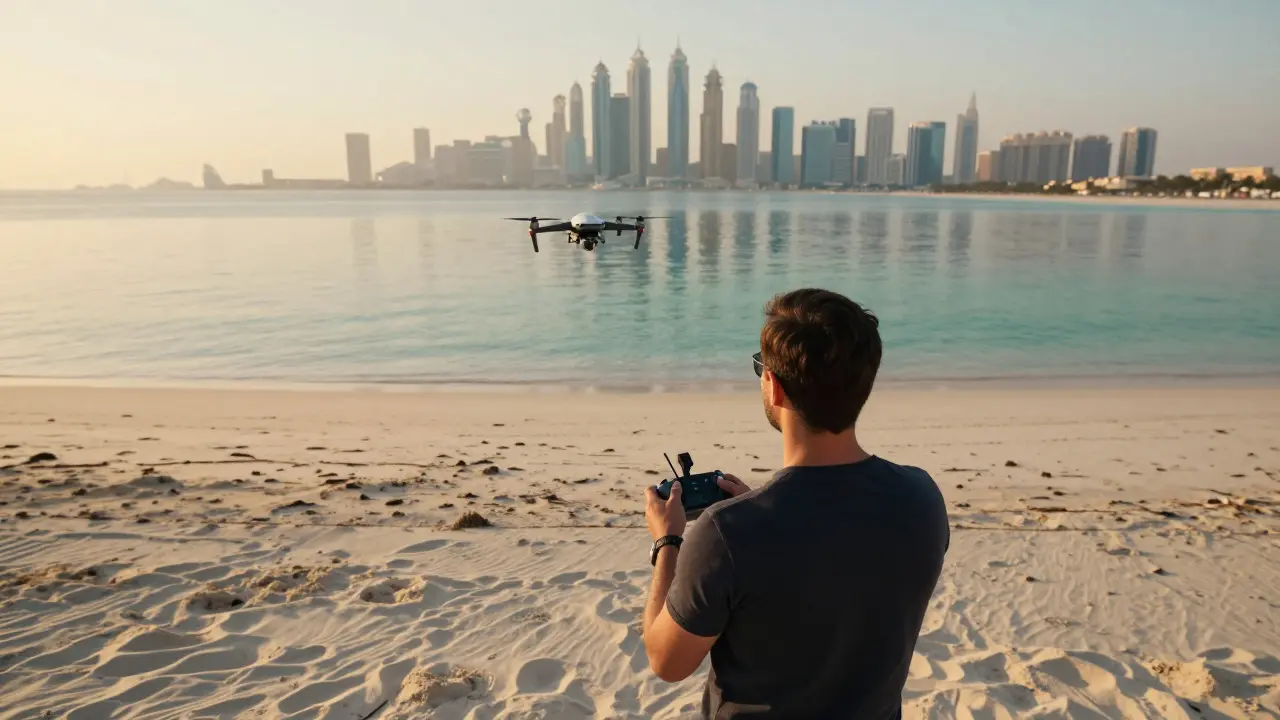
Technical Tips for Better Travel Shots
Once you are airborne, technical execution matters. Travel environments are unpredictable. Light changes rapidly, and obstructions appear suddenly. Mastering your drone's features will save you from frustrating retakes.
- Use ActiveTrack or FocusTrack: These AI features lock onto subjects like cars, boats, or hikers. It frees you to focus on composition rather than manual piloting.
- Shoot in RAW/Log: If your drone supports D-Log M or similar flat profiles, use it. Travel lighting is harsh. Flat footage gives you maximum dynamic range to recover highlights and shadows in post-production.
- Plan Your Waypoints: For complex scenes, set up waypoint missions. This ensures consistent speed and angle, creating seamless transitions for timelapses or hyperlapses.
- Watch Your Compass: Magnetic interference from metal structures or power lines can confuse the compass. Calibrate before every flight in open areas.
- Buffer Space: Always leave 20% battery reserve. Do not push the limits when far from home base. Return-to-Home (RTH) needs energy to climb and fly back.
Post-processing is where travel drone photos shine. Aerial shots often suffer from color cast due to atmospheric haze. Apply a slight de-haze filter and boost clarity moderately. Watch out for over-sharpening; aerial details are already crisp. Enhance the sky separately using masking tools to bring out blue tones without blowing out clouds.
Common Pitfalls and How to Avoid Them
Even experienced pilots make mistakes when traveling. The biggest trap is complacency. Because you know how to fly, you skip the pre-flight checklist. Don't do it. Every location has unique terrain. Obstacles like tree branches, power lines, or construction cranes are invisible until you are close. Perform a full visual scan of the launch site and the intended flight path.
Another pitfall is ignoring local no-fly zones. Many cities have temporary restrictions during events or emergencies. Download the official app for the local aviation authority before you arrive. Apps like SkyView or AirMap provide real-time data, but official sources are legally binding. Finally, protect your investment. Theft is rare, but loss is common. A GPS tracker attached to the drone can help locate it if it lands in a forest or ocean. Insurance is non-negotiable for travel. A single crash can cost thousands of dollars. Make sure your policy covers international flights and third-party liability.
Do I need a special license to fly a drone in Europe?
For most small drones under 250 grams flying in open areas, you generally do not need a specific pilot license, but you must register the drone and buy third-party liability insurance. Heavier drones or those flying closer to people require an A2 certificate.
Can I fly my drone over national parks?
It depends on the park. In the US, many National Parks ban drones entirely to preserve the wilderness experience. In Europe, some protected areas allow limited flying. Always check the specific park's website for drone policies before landing.
How many batteries should I pack for a week of travel?
Carry four to six batteries in your carry-on. This provides enough flight time for daily shoots while keeping the weight manageable. Ensure they are in protective cases to prevent short circuits.
What is the best time of day to fly a drone for photography?
Golden hour, shortly after sunrise or before sunset, offers the best lighting. Shadows are long and soft, colors are warm, and the sun is low enough to avoid glare on the lens.
Is it safe to fly a drone in rainy conditions?
Most consumer drones are not waterproof. Flying in rain risks water damage to motors and electronics. Wait for dry conditions or use a dedicated industrial drone rated for IP54 or higher if you must shoot in wet weather.