Ever tried to take a photo of something you can't see with your naked eye? That's exactly what thermal photography is all about. It captures the invisible world of heat radiation, turning temperature differences into striking visual data. Whether you're hunting for drafts in your home or exploring the glow of a city at night, this niche genre offers a unique perspective that standard cameras simply can't match.
Key Takeaways
- Infrared cameras detect long-wave infrared radiation (8-14 micrometers) emitted by objects, not visible light.
- Temperature resolution (NETD) and spatial resolution are the two most critical specs when buying equipment.
- Thermal images require post-processing to interpret data accurately; raw files often look like abstract art.
- This technique is vital for industrial maintenance, building inspection, and creative artistic expression.
How Thermal Cameras Actually Work
To understand the output, you have to look at the input. Every object above absolute zero emits infrared radiation. The hotter the object, the more energy it radiates. A thermal imager uses a special sensor, usually made of microbolometers, to measure this energy. Unlike a digital SLR that counts photons of visible light, a thermal camera counts heat signatures.
The process involves converting these heat readings into pixel values. Each pixel represents a specific temperature range. The camera then applies a color palette-like Ironbow, White Hot, or Rainbow-to map those values to colors we can perceive. This is why a human might appear as a bright orange blob against a dark blue background in a thermal shot. The technology doesn't just "see" heat; it quantifies it.
Choosing the Right Specialized Equipment
Not all thermal cameras are created equal. For serious work, you need to pay attention to three main attributes: sensor resolution, sensitivity, and lens options.
| Attribute | Entry-Level (Consumer) | Professional (Industrial/Artistic) |
|---|---|---|
| Spatial Resolution | 160x120 pixels | 640x480 to 1280x1024 pixels |
| NETD (Sensitivity) | >50 mK | <30 mK |
| Lens Options | Fixed focal length | Interchangeable lenses (zoom, wide-angle) |
| Output Format | JPEG only | Radiometric RAW data + JPEG |
If you are getting into creative thermal photography, resolution matters immensely. A low-res image looks blocky and loses detail when cropped. Professional units offer higher pixel counts, allowing you to zoom in on subtle temperature variations without losing clarity. Also, look for cameras that export radiometric data. This allows you to adjust the temperature scale in post-production, which is crucial for accurate analysis or artistic grading.
Creative Techniques and Artistic Applications
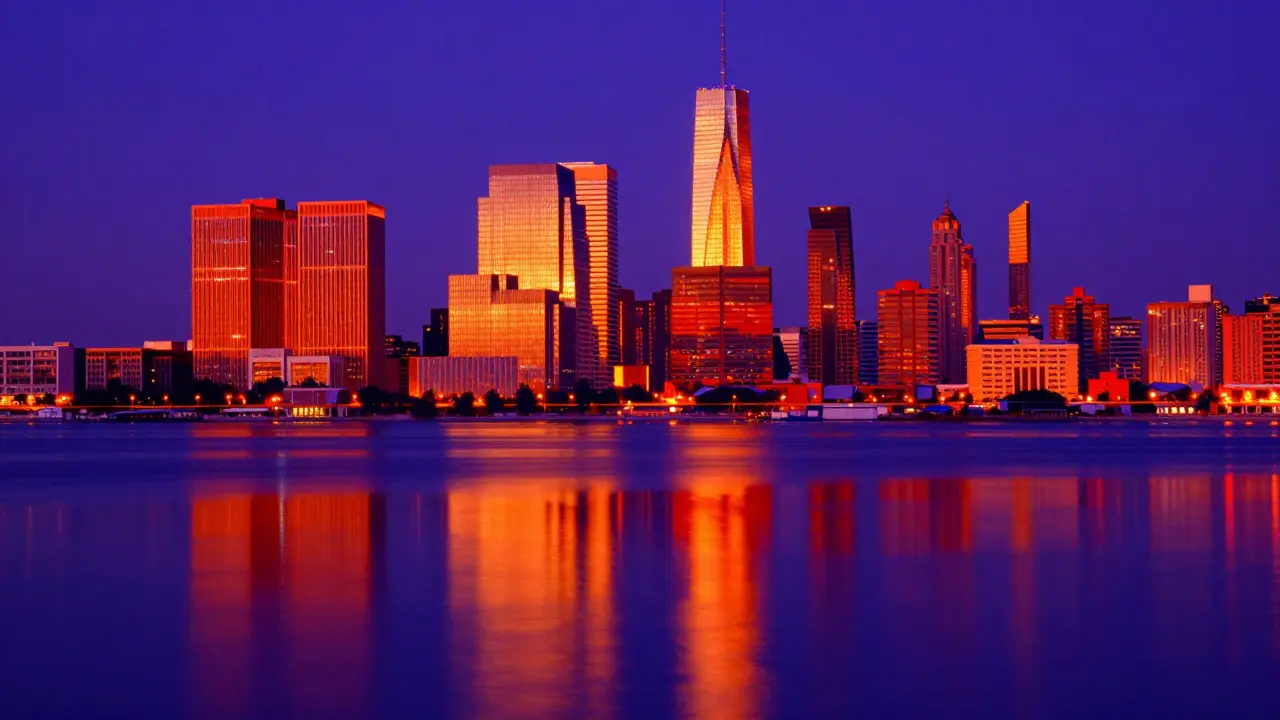
While engineers use thermal imaging to find faults, artists use it to tell stories. One popular technique is "dual-band" imaging, where you overlay a visible light photo with a thermal layer. This creates surreal landscapes where buildings glow while the sky remains cold and dark. Another favorite is capturing reflections. Water reflects visible light but absorbs much of the infrared spectrum, so thermal reflections can look completely different from what the eye sees.
Lighting conditions play a huge role here. Thermal photography works best during twilight or under overcast skies. Direct sunlight creates harsh shadows and heats up surfaces unevenly, which can distort the data. Early morning is often considered the golden hour for thermal shooters because the ambient temperature is stable, and residual heat from the previous day's sun is still present on various surfaces.
Practical Uses Beyond Art
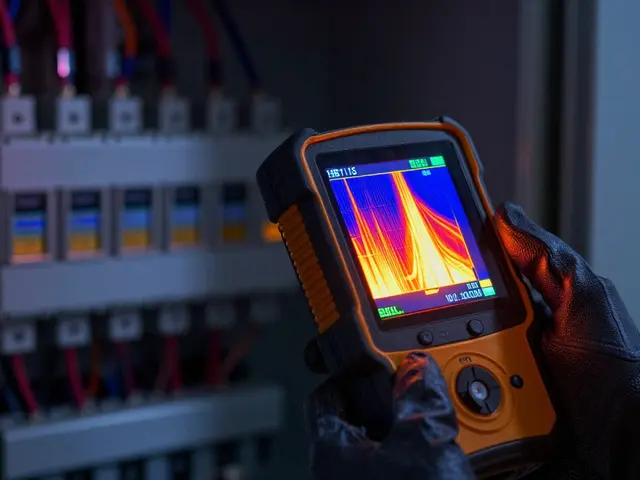
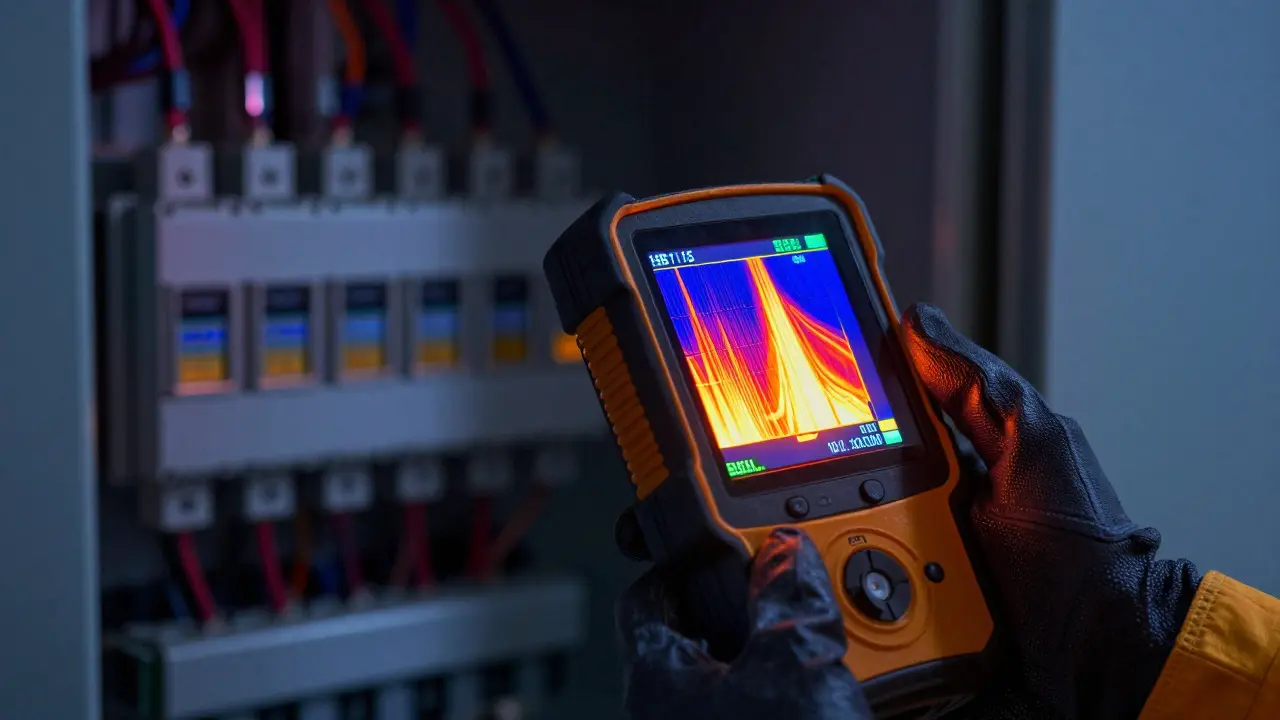
Beyond aesthetics, heat mapping has practical applications that save money and prevent danger. Homeowners use portable thermal guns or compact cameras to locate air leaks around windows and doors. These drafts waste energy and increase utility bills. In electrical inspections, technicians scan panels and connections. Overheating wires show up as bright spots, indicating potential fire hazards before they become catastrophic.
In wildlife tracking, thermal scopes help hunters and researchers observe animals at night without disturbing them. The contrast between warm-blooded mammals and the cooler environment makes subjects pop out clearly, even through fog or dense vegetation. This non-invasive observation method is particularly useful for studying nocturnal behavior patterns.
Common Pitfalls and How to Avoid Them
One major mistake beginners make is misinterpreting emissivity. Emissivity is the ability of a material to emit infrared energy. Shiny metals have low emissivity; they reflect heat rather than emitting it. If you point a camera at a polished metal surface, you might be reading the temperature of its surroundings, not the metal itself. To fix this, apply a piece of matte tape to the surface before measuring. This creates a consistent emissivity value of approximately 0.95, giving you an accurate reading.
Another pitfall is ignoring environmental factors. Wind can cool down surfaces rapidly, altering the thermal signature. Rain or snow can mask underlying heat sources. Always note the weather conditions when taking shots. If you are comparing images taken at different times, ensure the ambient temperature and humidity levels are similar, or the data won't be comparable.
Post-Processing Workflow
Raw thermal files are rarely ready for display immediately. Most professional cameras output data in proprietary formats or CSV files alongside JPEGs. You will need software like FLIR Tools, Thermacam, or general-purpose editors like Adobe Lightroom to enhance the images. Adjusting the palette is key. Sometimes "White Hot" shows details better than "Rainbow." Other times, a custom gradient helps highlight specific temperature ranges. Cropping and sharpening are also essential to bring out texture in the heat patterns.
Can I use a smartphone app for thermal photography?
Yes, but with limitations. Many smartphones now support external thermal sensors via USB-C or Lightning ports. These attachments are affordable and great for casual use or basic home inspections. However, they lack the high resolution and interchangeable lenses of dedicated professional units, making them less suitable for detailed artistic work or precise industrial diagnostics.
What is the difference between LWIR and MWIR cameras?
LWIR (Long-Wave Infrared) operates in the 8-14 micrometer band and is the standard for terrestrial thermal imaging. It requires cooled detectors for high sensitivity. MWIR (Mid-Wave Infrared) operates in the 3-5 micrometer band and is typically used for longer-range detection, such as in military or aviation contexts. For most photography and building inspection purposes, LWIR is the appropriate choice.
Do thermal cameras work through glass?
No, standard glass is opaque to long-wave infrared radiation. If you point a thermal camera at a window, you will see the reflection of yourself and the camera, not what is behind the glass. This is why interior inspections must be done inside the room, not from outside looking in.
How much does a good thermal camera cost?
Prices vary widely. Entry-level consumer models start around $300-$500. Mid-range professional units for home inspection and light industrial use range from $1,500 to $4,000. High-end research-grade or aviation systems can exceed $10,000. For artistic purposes, a mid-range unit with good resolution and radiometric export capabilities offers the best value.
Is thermal photography legal everywhere?
Generally, yes, provided you are not infringing on privacy rights. Since thermal cameras detect heat, not detailed visual features, they are often considered less invasive than visible light surveillance. However, local laws regarding privacy and property access still apply. Always check local regulations if you plan to photograph private properties or individuals.