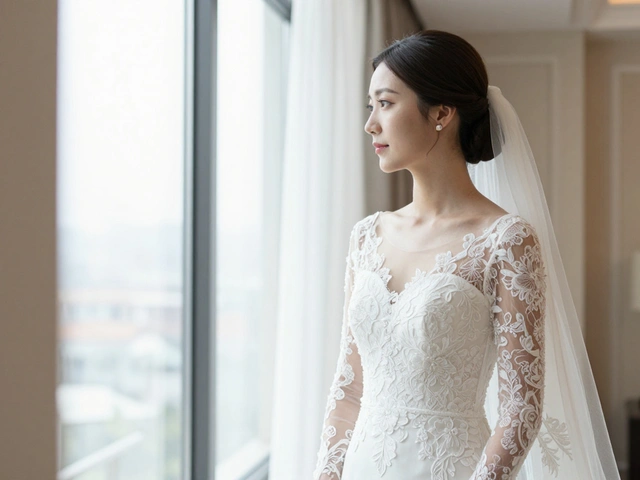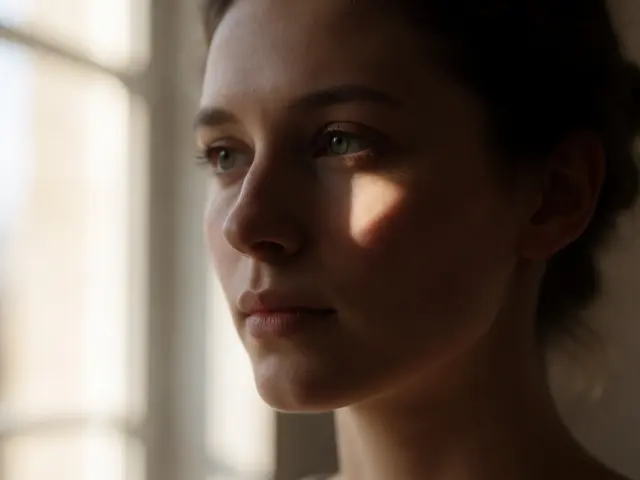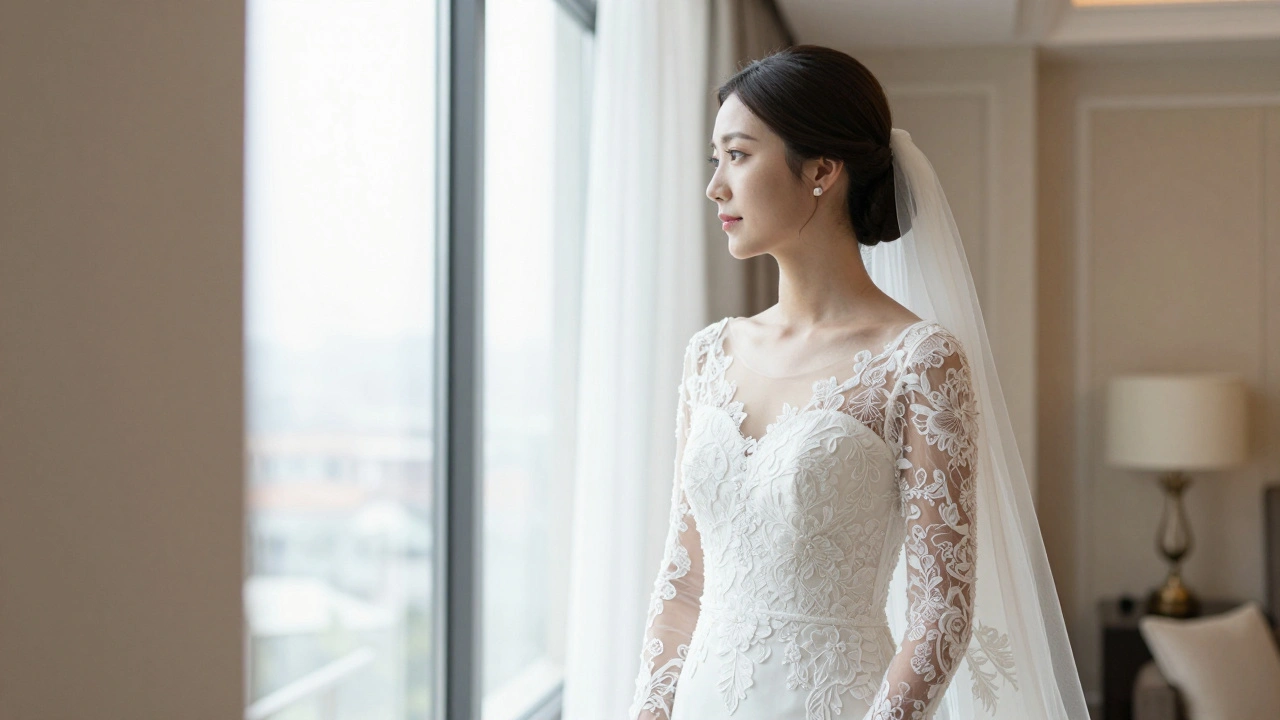
Imagine walking into a hotel suite with no professional lighting gear, just a bride in a stunning gown and a single, large window. Most amateurs would panic about the harsh contrast or the risk of blowing out the whites of the dress. However, for a seasoned pro, that window is the most powerful tool in the room. Bridal portraits captured with natural light often have a softness and elegance that studio lights simply can't replicate. The secret isn't in the camera you use, but in how you manipulate the distance between your subject and the glass.
The Golden Rules of Window Positioning
When you're working with a single light source, where you place the bride determines the mood of the entire image. If you're aiming for that coveted "light and airy" look, the biggest mistake you can make is shooting directly into the light. This often results in a silhouette or a hazy image where the bride's features disappear.
Instead, try these three positioning strategies to maximize the glow:
- The Direct Face: Have the bride face the window head-on. This fills in shadows and creates a bright, clean look that is incredibly flattering for most facial structures.
- The 45-Degree Angle: Position the bride so the light hits her from the side. This creates a gentle transition from light to shadow, adding depth and a three-dimensional feel to the portrait.
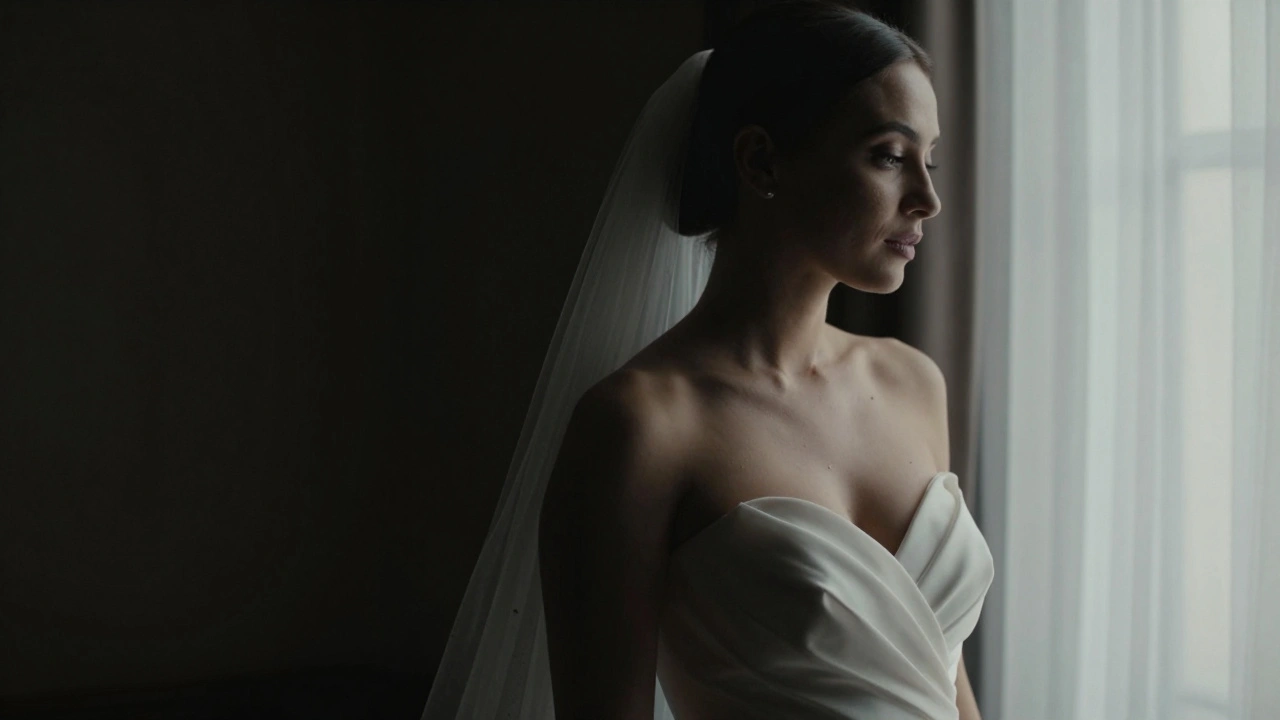
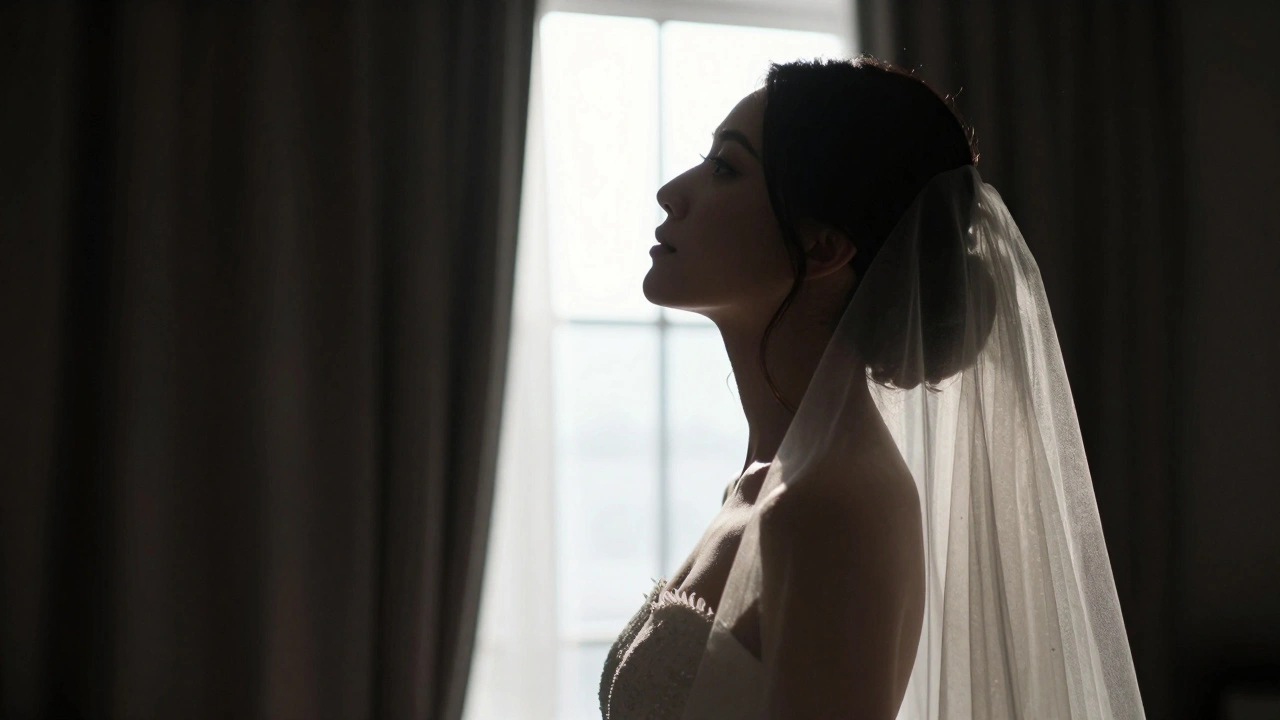
- The Back-Light Shift: Place the bride with her back toward the window, then have her turn her chin slightly upward and back toward the light. This creates a beautiful "rim light" effect around her hair and shoulders while keeping her face illuminated.
If you're lucky enough to have a room with multiple windows-like a large bathroom or a bright suite-you have much more flexibility. Try placing one window behind the subject for a soft halo and another to the side to fill in the shadows. This setup gives you the control of a studio with the soul of natural light.
Posing for Elegance and Light
Posing isn't just about where the hands go; it's about where the light falls. The goal is to emphasize the bride's best features while showcasing the dress. A great starting point is having the bride hold her bouquet and face the window directly. This is a timeless look that never fails.
For something more candid, have her sit a few feet back from the window. When the subject isn't staring directly at the lens, the image feels more intimate and less staged. One advanced technique to try is Short Lighting. This is a technique where the side of the face turned away from the camera receives the most light, leaving the camera-facing side in a slight shadow. It is incredibly slimming and adds a high-end, editorial feel to bridal portraits.
| Pose Style | Light Direction | Visual Effect | Best For... |
|---|---|---|---|
| Broad Lighting | Light hits the camera-facing side | Bright, open, low contrast | Fresh, glowing looks |
| Short Lighting | Light hits the far side of the face | Dramatic, slimming, moody | Editorial portraits |
| Rim Lighting | Light is behind the subject | Glowing edges, separation from bg | Highlighting dress silhouettes |
Technical Settings to Avoid "The Glow"
One of the most frustrating things in wedding photography is losing the detail in a white dress. When the whites "blow out," they become flat white patches with no texture. This is a tell-tale sign of an amateur shoot. To prevent this, you need to be mindful of your exposure and aperture.
When you have strong directional light coming from behind the bride, avoid using extremely wide apertures like f/1.2 or f/2.0. While the bokeh is tempting, these apertures can cause light to "bend" around the subject's head, creating an artificial-looking glow that eats away at the edges of her hair. Instead, bump your aperture up to f/2.5 or f/2.8. This keeps the subject sharp and the light contained, ensuring you don't lose the crisp lines of the bridal veil or the dress fabric.
If the shadows are too deep, don't just crank up the ISO-that introduces grain. Instead, use a Reflector. A simple white reflector placed on the shadow side of the bride bounces the window light back onto her skin, creating creamy, luminous tones that are far easier to edit in post-processing.
Pro Hacks for Shadow Control
Light is only half the battle; the other half is managing the shadows. Depending on the vibe you want, you can either fill shadows or embrace them. For a light and airy aesthetic, the white reflector is your best friend. It's a simple "hack" that makes a massive difference when you later move into Lightroom.
On the other hand, if you want more drama, use a V-Flat. A black v-flat absorbs light rather than reflecting it. By placing one on the shadow side, you cut off any ambient light bouncing around the room, deepening the shadows and creating a striking contrast that makes the bride truly pop against the background.
Polishing the Portrait in Post-Processing
Even a perfect shot needs a bit of love in editing. The trick with window light is to be subtle. A common professional workflow involves decreasing the exposure by about -0.5 in the raw file and then using a brush tool to selectively bring the light back onto the bride's face.
If the image still feels a bit flat, try increasing the contrast instead of just raising the exposure. This preserves the highlights in the dress while adding punch to the shadows. If you used a "light and airy" preset, it might help recover some of those near-white highlights, but remember: no preset can save a photo that was severely overexposed in-camera. Focus on getting the exposure right at the window first.
What happens if I only have one small window?
If you have limited light, move your subject as close to the window as possible. The light drops off quickly as you move away from the source. Position the bride facing the window to get the most illumination on her face, and use a white reflector to bounce light into the shadows of her dress.
Why is my bride's dress appearing as a solid white blob?
This is known as "blowing out the highlights." It happens when the light is too intense for your current exposure settings. To fix this, lower your exposure compensation, increase your aperture slightly, or move the bride further away from the direct beam of sunlight.
Should I use a flash with window light?
You can, but it's not necessary if you're aiming for a natural look. If you do use a flash, use it as a "fill light" at a very low power setting to lift the shadows, rather than as the primary light source, to maintain the soft quality of the window light.
What is the best time of day for window portraits?
Overcast days are actually a goldmine because the clouds act as a giant natural diffuser. If it's a sunny day, look for windows that aren't in direct sunlight or use a sheer curtain to soften the light and prevent harsh shadows on the bride's face.
How do I prevent "light bending" around the head?
Light bending usually occurs when using a very wide aperture (like f/1.2) with a strong backlight. To stop this, stop down your aperture to f/2.8. This ensures the light doesn't wrap around the subject in a way that looks artificial or erases the detail of the hair.
Troubleshooting Your Setup
If you find that your images are coming out too dark despite the window, check your shutter speed. Sometimes we get so caught up in the aperture that we forget the shutter is too fast for the available light. Also, if the room has very colorful walls (like a bright green hotel room), you might notice a strange color cast on the bride's skin. In this case, move her further away from the walls and closer to the neutral light of the window.
For photographers dealing with a bride who is nervous in front of the camera, give her a task. Instead of telling her to "look pretty," ask her to adjust her veil or look down at her bouquet. This natural movement often leads to more organic posing and allows you to capture those soft, candid moments using the window light to your advantage.