Most people look at a scene and see objects. You need to see the energy moving through them. Light isn't just illumination; it's the primary sculptor of your image. If you can read its quality and direction, you stop guessing where to stand and start composing with intent. This skill separates snapshot-takers from photographers who control the mood.
You don't need expensive gear to do this. You need your eyes and a bit of discipline. The goal is to make light analysis automatic, so by the time you raise your camera, you already know how the scene will fall together.
Key Takeaways
- Direction determines shadow length and facial modeling; Quality determines contrast and color saturation.
- Hard light creates drama and detail; soft light creates mood and forgiveness.
- The "Golden Hour" is about low-angle hard light, not just pretty colors.
- Overcast days are not "bad" for photos; they are high-quality, diffused lighting conditions ideal for portraits.
- Practice observing shadows before you observe subjects.
Defining the Two Axes of Light
To analyze any scene, you must separate two distinct variables. Confusing them leads to bad exposure choices and flat images.
Light Direction is the angle at which photons strike a subject relative to the camera lens. It dictates where shadows fall. Think of it as the compass bearing of the sun or lamp. Is it coming from the front (frontal), side (side), back (back), or top (overhead)? Each angle tells a different story about shape and depth.
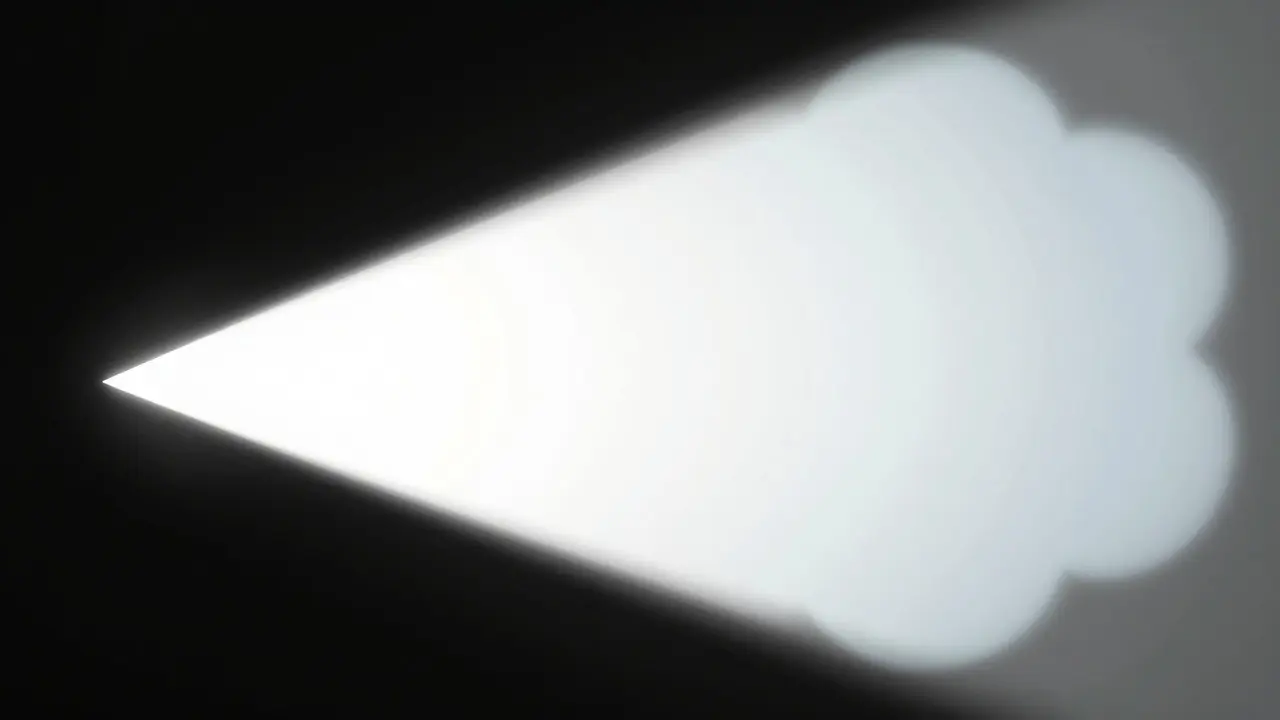
Light Quality is the hardness or softness of the light source, determined by its size relative to the subject. A small source (like the sun on a clear day) creates hard light with sharp edges. A large source (like an overcast sky or a window with sheer curtains) creates soft light with gradual transitions. Quality controls contrast and texture.
These two axes work independently. You can have hard frontal light (midday sun facing you) or soft backlight (sun behind trees on a cloudy day). Mastering the combination is the core of visual literacy.
Reading Direction: The Shadow Compass
How do you determine direction without a protractor? Look at the shadows. Shadows are the map of light direction.
- Check the Length: Long shadows mean the light source is low (sunrise/sunset). Short shadows mean it is high (noon).
- Check the Position: If shadows fall to the left, the light is coming from the right. If they fall away from you, the light is behind you (frontal). If they fall toward you, the light is in front of you (backlight).
- Check the Subject’s Face: In portraiture, direction defines emotion. Frontal light flattens features. Side light (90 degrees) emphasizes texture and wrinkles. Backlight creates silhouettes or rim lighting.
A practical exercise: Stand outside at noon. Notice how the light hits the top of your head and casts shadows under your chin and nose. Now wait until 4 PM. The same face now has long shadows stretching across the cheeks. The subject didn’t change; the direction did. This shift changes the entire aesthetic from "documentary" to "dramatic."
Reading Quality: Hard vs. Soft
Quality is often misunderstood as "brightness." It isn't. Brightness is exposure. Quality is about the transition zone between light and shadow.
| Attribute | Hard Light | Soft Light |
|---|---|---|
| Source Size | Small (Direct Sun, Bare Bulb) | Large (Overcast Sky, Window, Umbrella) |
| Shadow Edges | Sharp, defined lines | Fuzzy, gradual fade |
| Contrast Ratio | High (Bright whites, deep blacks) | Low (Compressed tones) |
| Texture Detail | Emphasized (Skin pores, fabric weave) | Smoothed out |
| Mood Association | Dramatic, energetic, harsh | Calm, romantic, melancholic |
When you see hard light, ask yourself: Do I want this level of detail? If you’re shooting a rugged landscape, hard light reveals the rock textures beautifully. If you’re shooting a portrait of someone who wants to look smooth, hard light might be unforgiving unless used creatively from the side.
Soft light is the great equalizer. On an overcast day, the entire sky acts as a giant softbox. There are no harsh shadows under the eyes. This makes it easier for beginners because there is less risk of getting the exposure wrong. However, soft light can also make images feel flat if you don't add contrast in post-processing or use directional elements like colored gels or reflectors.
The Interaction: Why Context Matters
Direction and quality never exist in isolation. Their interaction creates the final look.
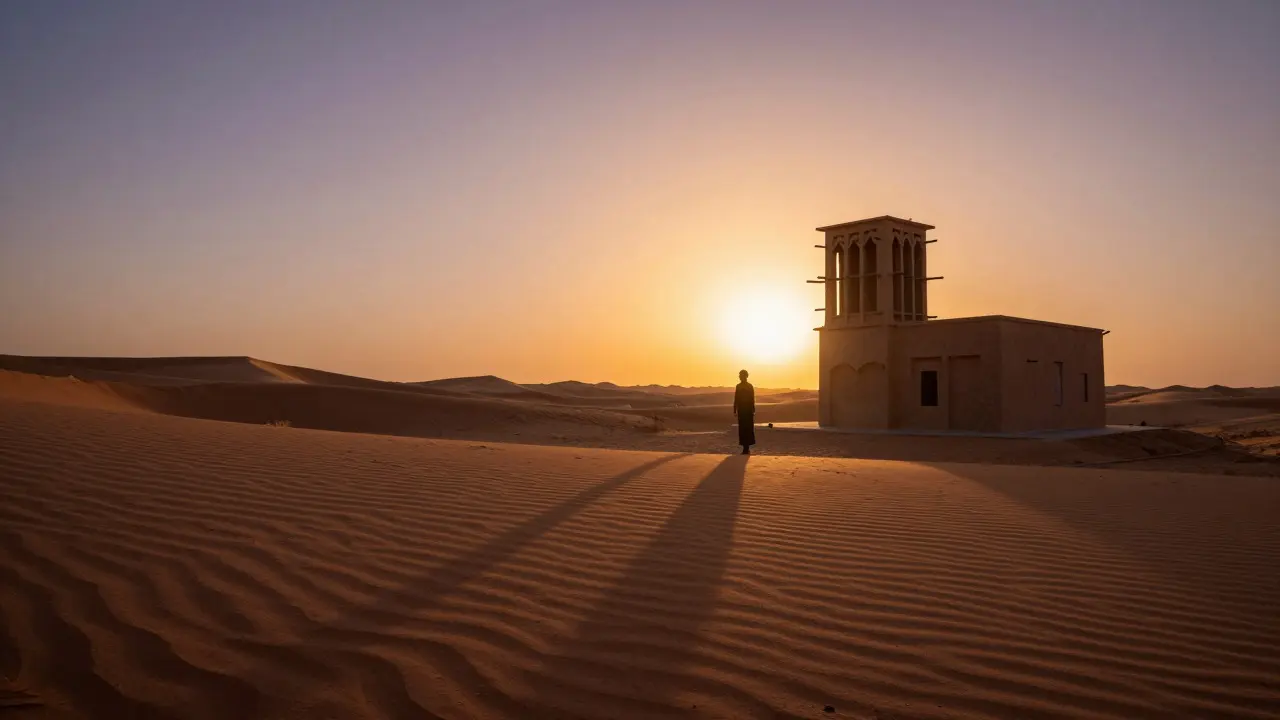
Consider Golden Hour the period shortly after sunrise or before sunset when sunlight is softer due to atmospheric scattering. Many people think Golden Hour is "soft" light. Actually, the sun is still a small point source, so the light is technically hard. But because the angle is low, the shadows stretch long, and the atmosphere filters out blue light, creating warm tones. The "softness" people perceive is actually the lack of overhead harshness combined with warm color temperature. Understanding this distinction helps you predict what happens if a cloud passes over during that hour. The light becomes truly soft (diffused), losing the dramatic long shadows but gaining even illumination.
Another common scenario is Window Light natural light entering through a glass pane, acting as a directional soft source. In interior photography, a window is a directional source. If the subject stands near the window, the light is frontal and soft. If they move away, the light becomes side-lighting. If they turn their back, it becomes backlight. The quality remains relatively constant (soft), but the direction shifts dramatically based on position. This is why interior portraits require careful positioning rather than just adjusting camera settings.
Practical Drills for Daily Observation
You can’t learn this by reading alone. You need to train your brain to categorize light instantly. Here are three drills you can do today.
1. The Shadow Walk
Go outside on a sunny day. Walk slowly for 10 minutes. Don’t take photos. Just watch the shadows cast by trees, buildings, and people. Note the direction. Are the shadows short? Long? Sharp? Fuzzy? Try to name the quality and direction out loud. "Hard, frontal light." "Soft, side light." This builds the vocabulary in your mind.
2. The Indoor Scan
Walk through your home or office. Identify the light sources. Is it fluorescent ceiling lights (hard, overhead, greenish)? Is it a desk lamp (hard, directional, warm)? Is it daylight from a window (soft, directional, neutral)? For each room, identify one object that shows the light best. A textured rug reveals hard light well. A white wall reveals soft light well.
3. The Time-Lapse Check
Pick a single location outside. Visit it at 10 AM, 2 PM, and 5 PM. Take a photo of the same static object (a bench, a car, a statue) at each time. Compare the three images. You will see the direction rotate and the quality potentially change if clouds move in. This visual comparison cements the concept faster than any theory.
Common Pitfalls to Avoid
Even experienced photographers make these mistakes when rushing.
- Ignoring the Background: Light direction affects the background too. If you have a dark background and bright frontal light, the subject pops. If you have a bright background and backlit subject, you risk silhouette. Always check the light balance between subject and background.
- Chasing "Good" Light Only: Midday hard light gets a bad rap. But midday hard light is perfect for street photography, architecture, and high-contrast fashion shots. Don’t hide indoors just because the sun is high. Use the strong shadows to create graphic patterns.
- Forgetting Color Temperature: While this article focuses on direction and quality, remember that light also has color. Warm light (sunset) feels inviting. Cool light (shade) feels calm or cold. Combining warm and cool light in one frame (e.g., a warm lamp against a cool window view) adds depth and realism.
Applying This to Your Workflow
Once you can read light quickly, your workflow speeds up. Instead of taking 10 test shots to find the right spot, you walk around the subject, observe the shadows, and pick the angle that matches your creative intent.
If you want a moody, dramatic portrait, seek hard side-light. If you want a clean, commercial product shot, seek soft, even light. If you want a nostalgic, dreamy vibe, seek soft backlight with some flare.
This skill transfers beyond photography. It improves how you paint, how you stage food, and how you design spaces. Understanding how light interacts with form is a fundamental visual literacy. By making light observation a daily practice, you transform from a passive observer into an active creator.
What is the difference between light direction and light quality?
Direction refers to the angle the light comes from (front, side, back, top), which determines shadow placement. Quality refers to the hardness or softness of the light, determined by the size of the source, which determines contrast and edge sharpness.
Is overcast light always good for portraits?
Not always. Overcast light is soft and flattering for skin tones, but it can result in low contrast and flat images. To improve it, you can use reflectors to bounce light back into shadows or add a pop of color in the composition to compensate for the lack of dynamic range.
How can I tell if light is hard or soft without looking at the source?
Look at the shadows. If the boundary between light and shadow is sharp and distinct, the light is hard. If the boundary is fuzzy and fades gradually, the light is soft. You can also look at specular highlights; hard light creates small, intense points of reflection, while soft light creates broad, gentle highlights.
Why does golden hour light look so different from midday light?
During golden hour, the sun is low on the horizon. This causes light to travel through more atmosphere, scattering blue wavelengths and leaving red/orange tones. The low angle also creates long shadows, adding depth and dimension that midday overhead light lacks.
Does light direction matter for indoor photography?
Yes, absolutely. Windows act as directional sources. The position of your subject relative to the window determines whether the light is frontal, side, or back. Moving the subject even a few feet can drastically change the shadow patterns on their face and body.