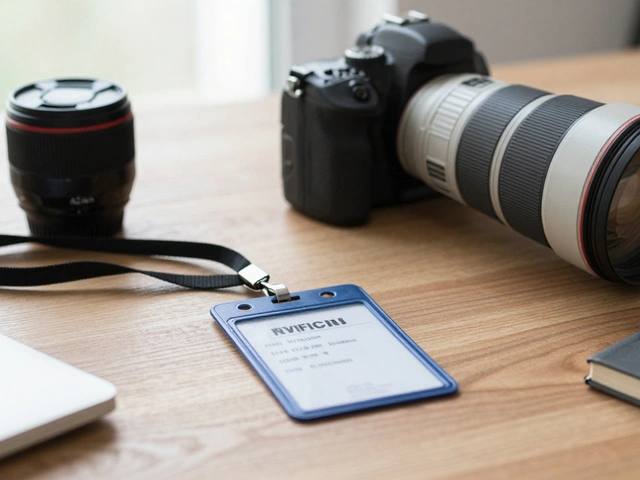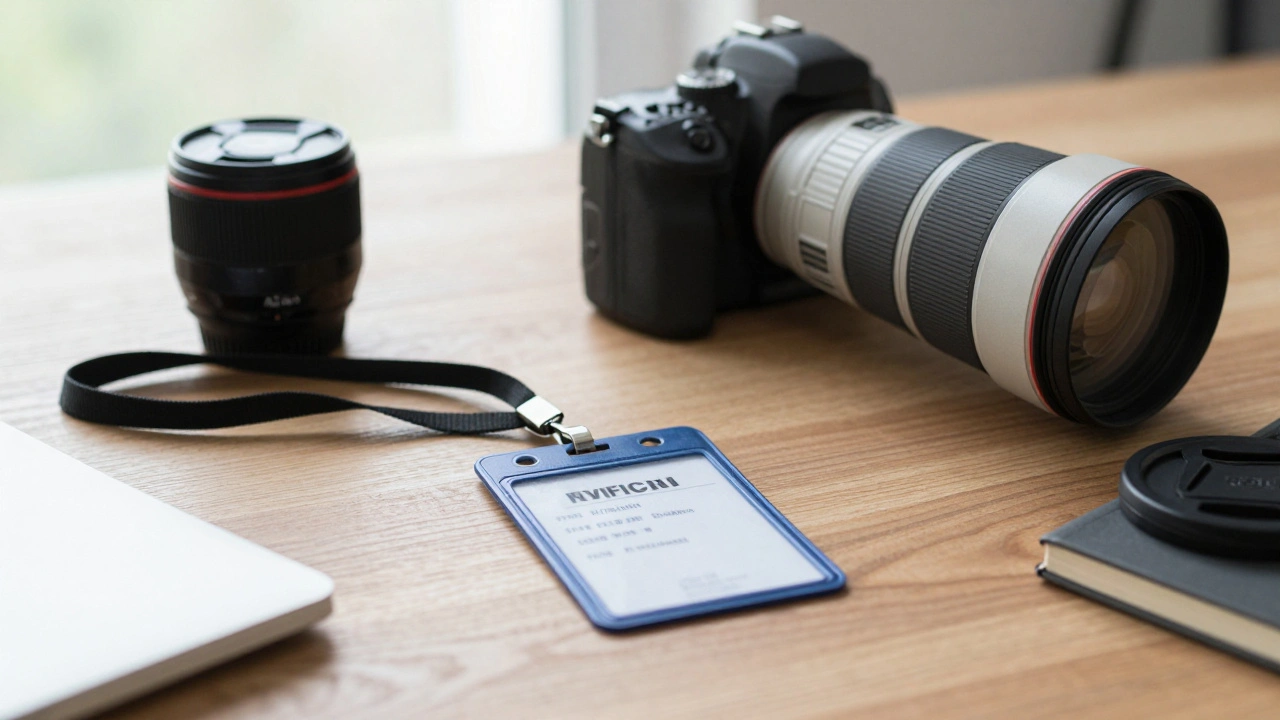
Ever wondered why some photographers are standing inches away from the action while you're stuck behind a fence with a massive telephoto lens? It isn't just about who has the best gear. The difference is a sports photo credential is an official access permit issued by sports organizations or athletic departments that allows media professionals to enter restricted areas like sidelines and locker rooms. Without one, you're just another fan in the stands. Getting one is a gateway to the best shots, but it comes with a strict set of rules that can get you banned for life if you ignore them.
The Reality of Getting Your Foot in the Door
Getting a press pass isn't as simple as sending an email. Most organizations, from NCAA to local high school athletic departments, have a hierarchy for who they let in. If you're working for a national outlet that covers the sport daily, you're usually golden. But for freelancers or those working for smaller blogs, it's a different story.
If you're applying through a non-traditional outlet-like a scouting service or a niche sports website-expect to be asked for a portfolio. They want to see "clips," which is industry speak for published work. They need to know you aren't just a hobbyist looking for a free ticket. If you're juggling multiple clients, be honest. For example, USA Track and Field requires you to disclose every outlet you're representing in your application. Hiding a client is a quick way to have your pass revoked before the first whistle blows.
Where You Can (and Can't) Go
Once you have that plastic badge around your neck, you aren't suddenly the owner of the stadium. Your access is carefully zoned. Most credentials give you admission to the event, access to media work areas (where the Wi-Fi actually works), and the "mixed zone"-that area where athletes are funneled for quick interviews after a game.
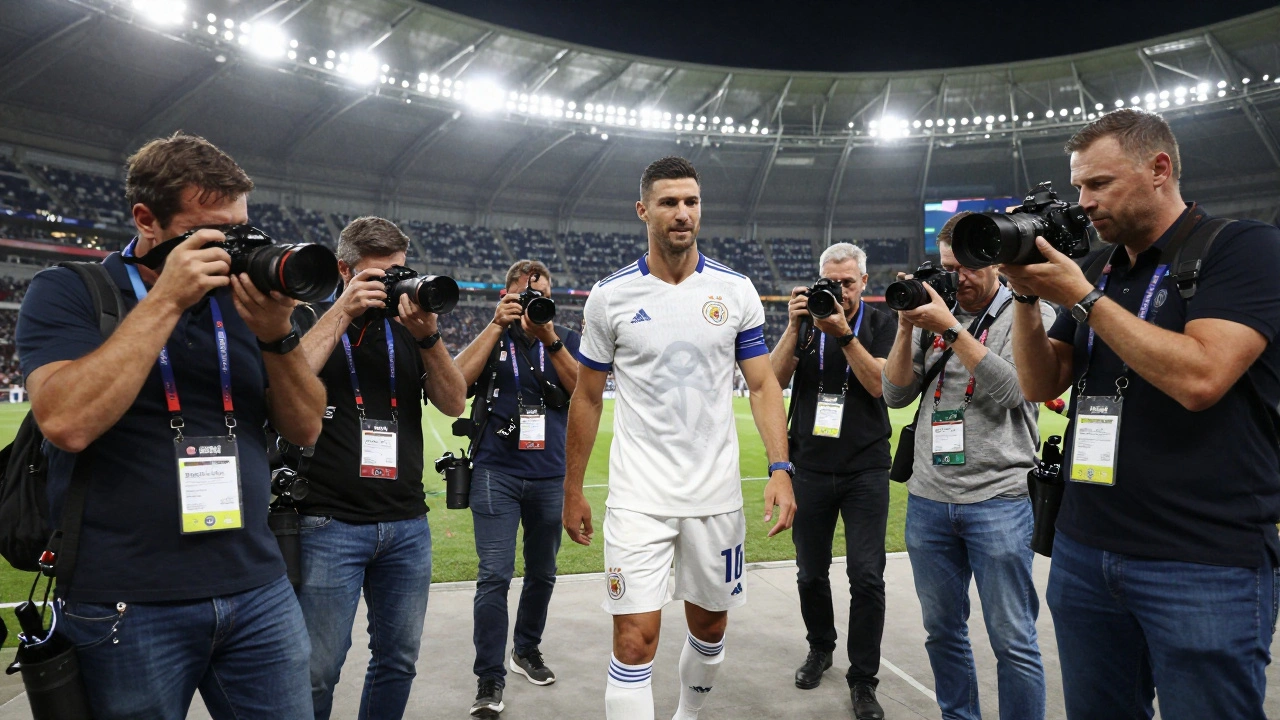
The most coveted spot is the sideline. This is where the magic happens, but it's also where the rules are tightest. You'll find that different levels of credentials grant different levels of proximity. A national photographer might be allowed closer to the bench, while a local stringer might be kept to the outer perimeter. The goal is always the same: keep the field clear so the athletes can actually play the game.
| Outlet Type | Typical Access Level | Key Restriction |
|---|---|---|
| National Media | Full Access (Sidelines, Mixed Zones) | Strict publication deadlines |
| Local/Regional Press | Standard Access (Perimeter) | Limited locker room entry |
| Campus/Internal Media | Designated Access | Must follow school staff directions |
| Freelancers/Blogs | Limited/Conditional Access | Often require portfolio proof |
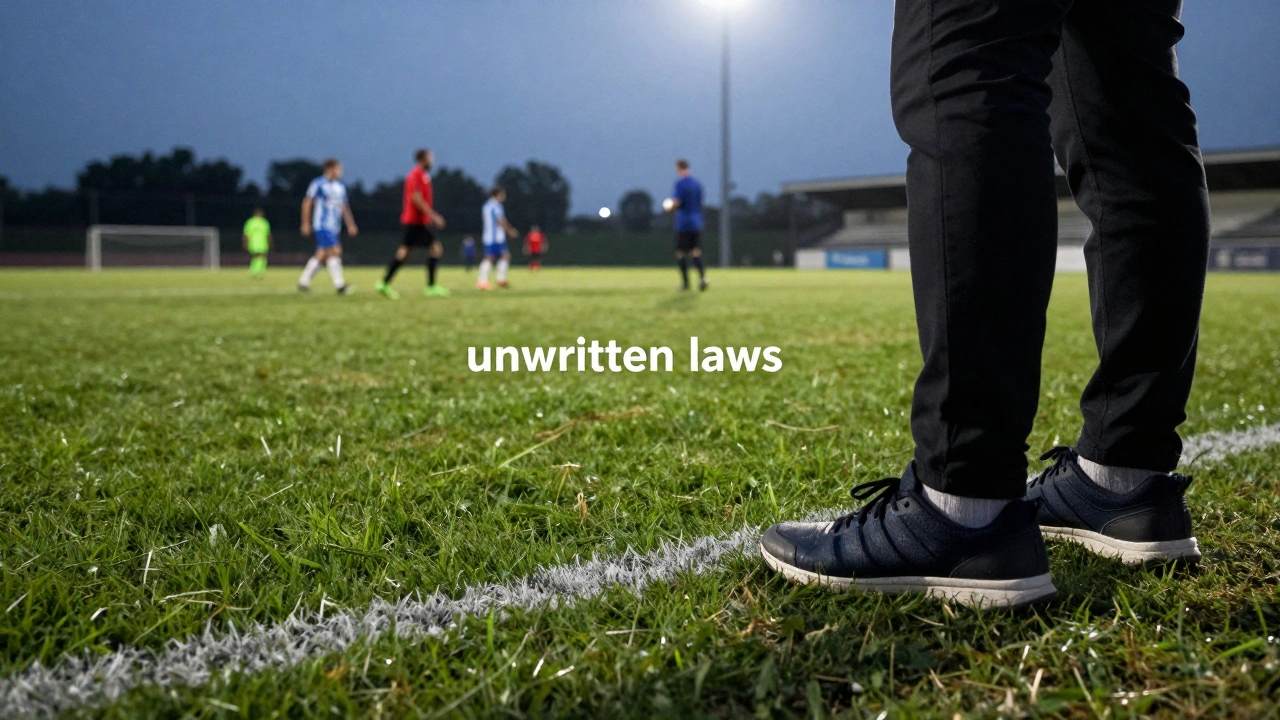
The Unwritten Laws of Sideline Etiquette
This is where most beginners mess up. A media credential is a professional tool, not a VIP pass. The moment you start acting like a fan-cheering for a touchdown or shouting advice to a player-you've crossed a line. You are there to document, not to participate.
One of the biggest sins in sports photography is "blocking the shot." Imagine another photographer has a perfect angle on a game-winning play, and you suddenly sprint across their frame to get a different perspective. It's a cardinal sin. Respect the "bubble" of other journalists. If someone is planted in a spot, don't push them out of the way.
Then there's the interaction with athletes. Never, ever ask a player for their phone number or personal contact info while on assignment. If you need a quote or a specific detail, go through the head coach or the PR representative. In places like Memphis City Schools athletic events, this isn't just a suggestion-it's a hard rule. Breaking it can lead to an immediate escort out of the building.
The Fine Print: Using Your Images
You might think that because you took the photo, you own it. Not so fast. When you accept a credential, you're often signing a contract that limits how you use those images. Most organizations restrict the use of photos and video to "editorial purposes" only. This means you can use them for a news story, but you can't sell them as stock photos or use them to promote a brand without explicit permission.
There are also timing restrictions. Some leagues forbid publishing a high volume of photos while the game is still in progress to protect the broadcast rights of the television networks. If you dump 50 high-res images on Instagram during the second quarter, you might find your credentials revoked for the next game. These rules protect the intellectual property of the league and the exclusivity of the official broadcast partners.
What Happens When You Break the Rules?
The enforcement of sports media policies is surprisingly brutal. Because security and safety are top priorities, there is very little room for "I didn't know." If you wander into a restricted area without a pass or harass a player, your credential will be taken away on the spot.
In some cases, the punishment extends beyond the individual. For instance, if a photographer for a specific agency violates the rules of USATF, that entire agency might be blacklisted from future events. This "collective punishment" model means your employer has a huge stake in your behavior. You aren't just risking your own reputation; you're risking your company's ability to cover the sport.
Pro Tips for Your First Assignment
- Arrive early: The media check-in process can be a bottleneck. Get there early to avoid stressing out and missing the warm-ups.
- Carry a physical ID: Even if you have a badge, keep a business card or a news ID handy. Some venues require a second form of verification at the gate.
- Ask before you shoot in the dugout: While you have access, entering a dugout or a hallway is an intimate space. A quick "Is it okay if I grab a shot here?" goes a long way in maintaining a professional relationship with the team.
- Dress the part: Wear neutral colors and comfortable, closed-toe shoes. You'll be on your feet for hours, and looking professional helps you blend in.
Can I get a credential if I don't work for a recognized news outlet?
Yes, it's possible, but harder. You'll need to provide a portfolio or "clips" of your previous work to prove that your coverage provides value. Many organizations are open to non-traditional outlets as long as the work is professional and editorial in nature.
Am I allowed to sell the photos I take with a media pass?
Generally, no. Most sports credentials strictly forbid the commercial sale of images. They are issued for news and editorial use only. Selling them as stock photography or for commercial ads without a separate license can lead to permanent revocation of your access.
What is a "mixed zone"?
The mixed zone is a designated area where athletes walk from the field to the locker rooms, stopping to speak with credentialed media. It's the primary spot for post-game interviews and candid reaction shots.
Can I bring a second photographer from my company?
Usually not. Many venues, including those following MSCS guidelines, limit access to one cameraman or photographer per outlet per game to prevent overcrowding on the sidelines.
What should I do if a security guard tells me to move?
Move immediately and politely. Regardless of where your credential says you can go, the on-site security and staff have the final word on safety and positioning. Arguing with security is a fast track to losing your pass.
Next Steps for New Sports Photographers
If you're just starting out, don't jump straight to the Super Bowl. Start with local high school games or community college events. These are great places to build a portfolio and learn the rhythm of a game without the crushing pressure of a national spotlight. Once you have a body of work that shows you can capture action and follow rules, moving up to regional and national events becomes much easier.