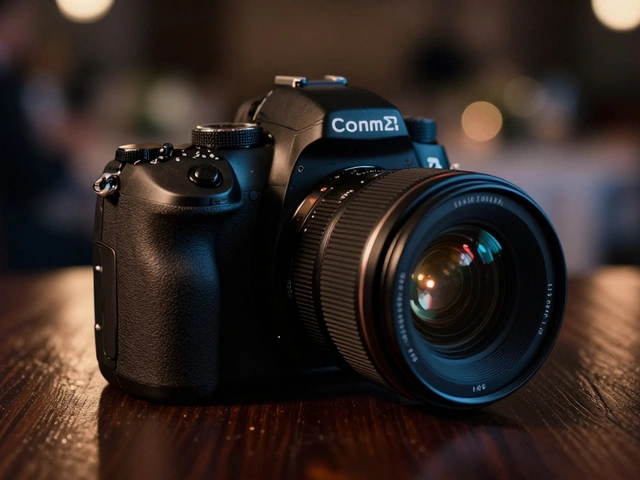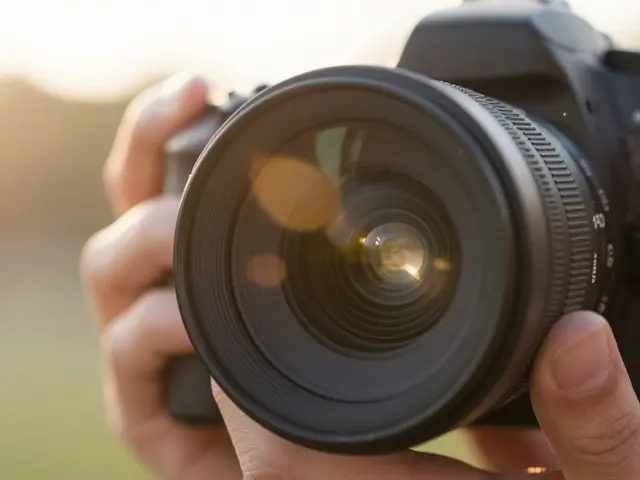
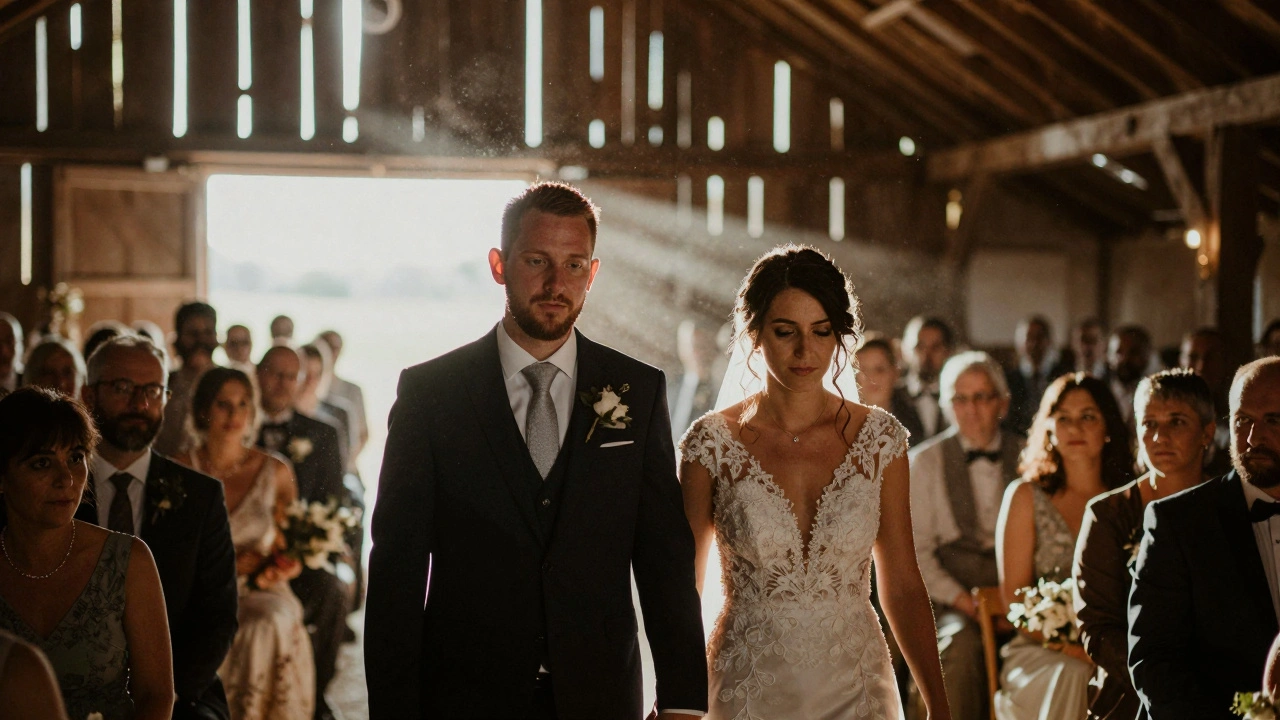
Picture this: You are shooting a wedding reception in a dimly lit barn. The bride and groom are walking down the aisle, and you have seconds to capture the moment before they disappear into the shadows. Do you reach for your versatile zoom lens, or do you trust your compact prime lens? This is the classic dilemma facing photographers who work in low-light conditions. The choice isn't just about preference; it’s about physics, optics, and how much control you want over your image.
The debate between fast primes and zooms for low-light photography boils down to a trade-off between light-gathering power and compositional flexibility. Fast primes, like a 35mm f/1.4 or 50mm f/1.8, let in significantly more light than most zooms, which typically max out at f/2.8. That extra light means cleaner images with less noise and sharper focus on moving subjects. However, zooms offer the ability to change framing instantly without moving your feet, which can be a lifesaver in chaotic environments. Understanding these differences helps you build a kit that actually works when the lights go down.
Understanding Maximum Aperture and Light Gathering
The most critical factor in low-light photography is the maximum aperture, often referred to as the "speed" of the lens. Aperture is measured in f-numbers, such as f/1.4, f/1.8, or f/2.8. Here is the counterintuitive part: a smaller number means a larger opening. An f/1.4 lens has a much wider physical hole than an f/2.8 lens, allowing more light to hit your camera sensor.
When you compare a fast prime lens at f/1.4 to a professional zoom at f/2.8, you are looking at a difference of two full stops of light. In practical terms, the f/1.4 lens gathers four times as much light as the f/2.8 lens. This massive advantage allows you to shoot at a lower ISO, which reduces digital noise and grain in your photos. It also lets you use faster shutter speeds, which is essential for freezing motion in dark venues where people are dancing or walking.
While some high-end zooms now offer apertures as wide as f/2, they are rare, expensive, and incredibly heavy. For most photographers, the jump from f/2.8 to f/1.4 or f/1.8 is the single biggest upgrade they can make for low-light performance. If you struggle with blurry images or noisy files at night, the aperture size is likely your bottleneck, not your camera body.
Optical Quality and Image Sharpness
Why do prime lenses generally look better than zooms? It comes down to optical complexity. A prime lens is designed to perform perfectly at one specific focal length. Engineers can optimize every glass element for that single distance, resulting in exceptional sharpness, contrast, and color rendition even when the lens is wide open.
In contrast, a zoom lens must maintain acceptable quality across a range of focal lengths, from wide-angle to telephoto. This requires complex internal mechanisms and multiple groups of glass elements that move relative to each other. These compromises often lead to softer corners, chromatic aberration (color fringing), and reduced contrast, especially when shooting at the widest aperture in low light.
For example, a 50mm f/1.8 prime will often outperform a 24-70mm f/2.8 zoom in terms of center sharpness and background blur quality, despite costing a fraction of the price. The simpler design of the prime allows manufacturers to use higher-quality glass without inflating the cost. When you are editing photos taken in low light, you don’t want to spend hours fixing softness or noise. Starting with a sharper file from a prime lens makes post-processing much easier.
Flexibility vs. Constraints: The Creative Impact
The main argument for zoom lenses is flexibility. In dynamic situations like sports, wildlife, or fast-paced events, you cannot always move closer to your subject. A 24-70mm zoom allows you to frame a wide establishing shot and then quickly tighten the composition to capture a close-up portrait without changing lenses. This speed is invaluable when moments pass in a split second.
However, relying solely on zooms can hinder your creative growth. Photographers often say that "zooming with your feet" forces you to think more deliberately about composition. When you are stuck with a fixed focal length, you must physically move to find the best angle, avoid distracting backgrounds, and interact with your environment. This process often leads to more compelling and unique images.
In low-light scenarios, this constraint can be particularly beneficial. Dark environments are cluttered with shadows and unpredictable light sources. By using a prime lens, you learn to navigate these challenges actively rather than passively adjusting the zoom ring. Over time, this builds stronger visual instincts that serve you well regardless of the gear you use.
| Feature | Fast Prime Lens (e.g., 35mm f/1.4) | Fast Zoom Lens (e.g., 24-70mm f/2.8) |
|---|---|---|
| Maximum Aperture | f/1.4 - f/1.8 (More Light) | f/2.8 (Less Light) |
| Image Sharpness | Excellent Wide Open | Good, but often softer at edges |
| Weight & Size | Lightweight and Compact | Heavy and Bulky |
| Framing Flexibility | Low (Must Move Feet) | High (Adjust Focal Length) |
| Cost | Affordable Entry Point | Expensive Professional Tier |
| Depth of Field Control | Very Shallow (Great Bokeh) | Moderate Blur |
Size, Weight, and Handling in the Dark
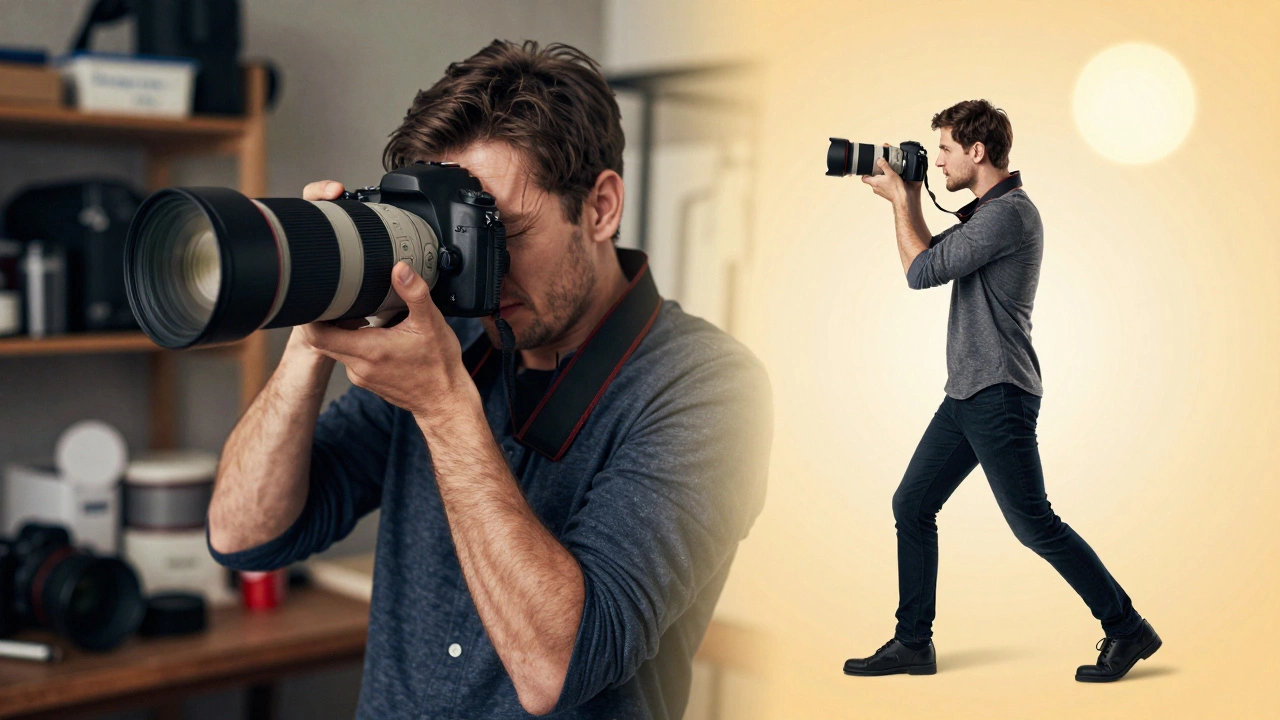
Physical ergonomics matter more than you might think when shooting in low light. Fast prime lenses are typically smaller and lighter than their zoom counterparts because they contain fewer glass elements and no complex zooming mechanisms. This reduced weight makes them easier to handhold for extended periods, reducing fatigue during long evening shoots.
Professional f/2.8 zooms, such as the popular 24-70mm or 70-200mm options, are notoriously heavy. Carrying one for several hours can strain your neck and shoulders, leading to camera shake and missed shots. In low-light conditions, stability is crucial. A lighter prime lens allows for steadier handheld shots, especially when you are already pushing the limits of your shutter speed to freeze motion.
Additionally, the smaller form factor of primes makes them less intimidating for candid photography. People are less likely to feel scrutinized by a photographer holding a small, discreet lens compared to someone wielding a large, gun-like zoom. This psychological advantage can help you capture more natural expressions in social settings like dinners or parties.
Depth of Field and Aesthetic Control
One of the most sought-after effects in low-light photography is shallow depth of field, which isolates the subject from the background with creamy blur known as bokeh. Fast primes excel here. Shooting at f/1.4 creates a razor-thin plane of focus that draws the viewer's eye directly to the subject, blurring out distracting elements in the dark background.
This aesthetic separation is difficult to achieve with f/2.8 zooms, especially at wider focal lengths. While longer focal lengths on zooms can produce some background blur, they rarely match the intensity and smoothness of a fast prime. For portrait photographers working indoors or at night, this distinction is significant. The ability to create a clean, artistic separation between subject and background adds a professional polish to your images.
However, there is a catch. Extremely shallow depth of field can make focusing challenging. If your subject moves slightly forward or backward, they may fall out of focus. In group shots or scenes with multiple subjects at different distances, you may need to stop down the aperture to f/2.8 or f/4, negating some of the light-gathering advantage. Balancing artistic intent with technical sharpness is key.
Cost Efficiency and Building Your Kit
Budget is a major consideration for most photographers. Fast prime lenses offer incredible value. You can buy a high-quality 50mm f/1.8 prime for under $200, while a professional-grade 24-70mm f/2.8 zoom can cost over $2,000. Even mid-range primes with f/1.4 apertures are often cheaper than entry-level zooms.
This price difference allows photographers to build a diverse low-light toolkit gradually. Instead of investing in one expensive zoom, you can purchase a 35mm and an 85mm prime to cover wide and portrait perspectives. Over time, this approach provides superior image quality and light performance across various scenarios without breaking the bank.
Furthermore, lenses tend to outlast camera bodies. Investing in "good glass" ensures that your gear remains relevant even as you upgrade your camera system. Many photographers find that their oldest lenses are still their favorites because of the consistent optical performance and tactile experience they provide.
When to Choose Which Lens
There is no universal winner in the fast primes vs. zooms debate. The right choice depends entirely on your specific shooting style and environment. Here is a quick guide to help you decide:
- Choose a Fast Prime if: You shoot portraits, street photography, or static events where you can control your position. You prioritize image quality, shallow depth of field, and low-noise files above all else. You are on a budget or prefer lightweight gear.
- Choose a Fast Zoom if: You cover weddings, sports, or wildlife where subjects move unpredictably and you cannot reposition yourself. You need to cover multiple focal lengths quickly without changing lenses. You have the budget for heavy, professional-grade equipment.
Many professionals adopt a hybrid approach. They carry a versatile zoom as their primary workhorse for flexibility and keep a fast prime in their bag for those critical low-light moments or artistic shots. This combination offers the best of both worlds, ensuring you never miss a shot due to lack of light or inability to frame correctly.
Is an f/1.4 lens really worth it over f/1.8?
The difference between f/1.4 and f/1.8 is half a stop of light, which is noticeable but not dramatic. However, f/1.4 lenses often provide smoother bokeh and better subject isolation. If you frequently shoot in very dark conditions or crave that ultra-shallow depth of field, the upgrade is worthwhile. Otherwise, f/1.8 offers excellent performance at a lower cost and weight.
Can modern cameras replace the need for fast lenses?
Modern cameras have improved high-ISO performance significantly, allowing you to shoot at ISO 6400 or higher with acceptable noise. However, they cannot compensate for motion blur caused by slow shutter speeds. A fast lens allows you to keep ISO lower and shutter speed faster, resulting in cleaner and sharper images than relying solely on sensor sensitivity.
What is the best focal length for low-light photography?
The 35mm and 50mm equivalents are the most versatile for low-light work. 35mm provides a wider view suitable for environmental portraits and street scenes, while 50mm offers a natural perspective ideal for intimate portraits and details. Both focal lengths are widely available in fast apertures across all camera systems.
Do I need image stabilization for low-light shooting?
Image stabilization (IS/VR/OSS) helps reduce camera shake for static subjects, allowing slower shutter speeds. However, it does not freeze subject motion. For moving subjects in low light, a fast aperture is far more important than stabilization. Use stabilization for landscapes or architecture, but rely on aperture for people and action.
Should I buy a zoom first or a prime first?
If you are new to photography, starting with a standard zoom (like 24-70mm) helps you explore different focal lengths and discover your preferences. Once you identify your most-used focal length, invest in a fast prime for that specific range to gain better low-light performance and image quality. This incremental approach builds a balanced kit efficiently.