You know that feeling when you scroll through Instagram or look at a photographer's portfolio and instantly recognize the work before reading the name? The colors hit you. The composition feels familiar. You don't need to see the watermark because the photography style is so distinct it acts like a signature. Most beginners think this magic happens by accident. They wait for inspiration to strike, hoping their "voice" will magically emerge after shooting ten thousand frames. It doesn’t work that way. Your style isn’t something you find; it’s something you build, brick by brick, choice by choice.
Finding your creative voice is less about buying the right camera and more about understanding what you actually want to say with your images. It requires honest self-reflection, rigorous editing habits, and the courage to reject trends that don’t fit your vision. If you’re stuck taking technically perfect but emotionally flat photos, this guide breaks down exactly how to move from copying others to creating something uniquely yours.
The Myth of the Natural Talent
We love the idea of the natural artist. We imagine photographers waking up with a clear vision, snapping the perfect shot without thinking. But if you look at the portfolios of masters like Annie Leibovitz or Steve McCurry, you’ll see decades of deliberate practice. Their styles didn’t appear overnight. They evolved through thousands of failures, specific technical choices, and a narrowing focus.
When you start out, you are likely a mimic. You copy the lighting setups you see on YouTube. You edit your RAW files using presets that make your shots look like everyone else’s. This is fine-it’s how we learn language. But staying in the imitation phase forever leads to a generic portfolio. To develop a personal style, you must transition from copying techniques to curating preferences. Ask yourself: What do I consistently enjoy looking at? Is it high-contrast black and white? Soft, pastel tones? Gritty street scenes? Your style starts where your genuine interest begins, not where the algorithm pushes you.
Audit Your Existing Work
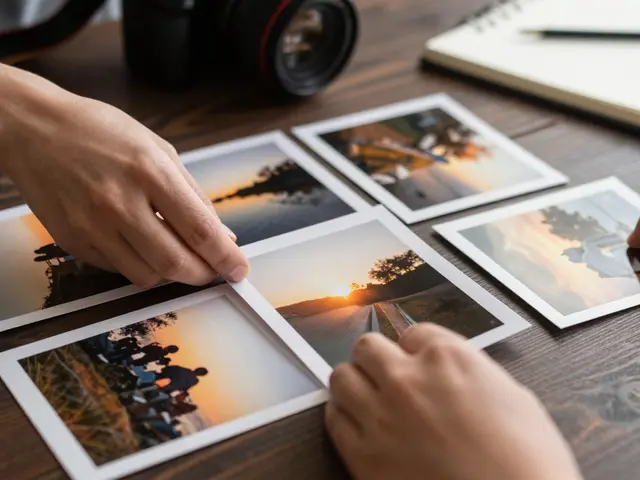
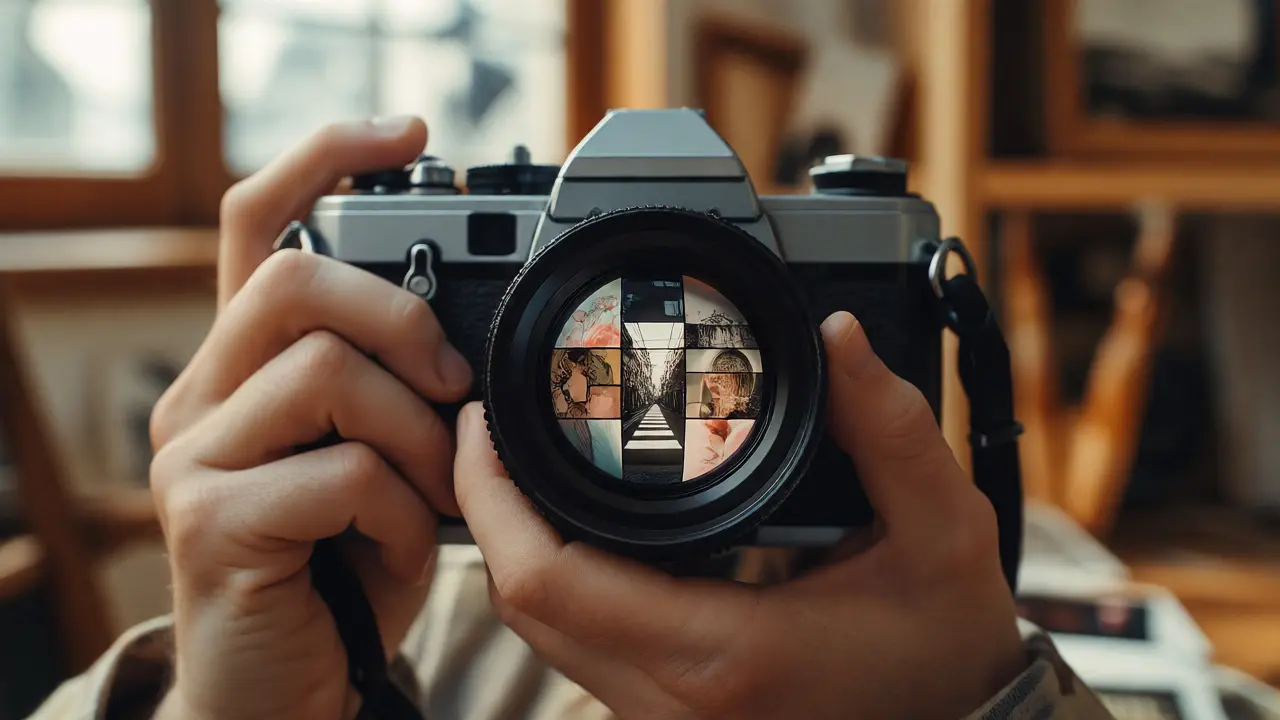
Before you can define your future style, you need to understand your current one. Open your hard drive and pull out your last 100 favorite photos. Don’t pick the ones that got the most likes. Pick the ones you took because they made you feel something. Now, lay them out in a grid. Look for patterns. Do you always shoot wide-angle? Do you prefer shadows over highlights? Do you tend to center your subjects or place them off-center?
This audit often reveals subconscious biases. Maybe you realize you’ve been shooting 80% portraits because you’re comfortable with people, even though you claim to be a landscape photographer. Or perhaps you notice you constantly underexpose your skies to preserve detail, creating a moody atmosphere you didn’t intentionally choose. These recurring elements are the raw materials of your style. You aren’t trying to force new traits; you’re identifying the ones already there and deciding whether to amplify them or discard them.
Technical Choices Define Visual Identity
Style isn’t just an abstract concept; it’s rooted in concrete technical decisions. Every time you adjust your aperture, change your focal length, or tweak your color grading, you are making a stylistic statement. Let’s break down the core pillars that shape your visual identity.
| Technical Element | Stylistic Impact | Example Application |
|---|---|---|
| Focal Length | Determines perspective and compression. Wide angles exaggerate depth; telephotos compress space. | Using a 35mm lens for immersive street photography vs. an 85mm for intimate portraits. |
| Lighting Quality | Sets mood. Hard light creates drama and texture; soft light evokes calm and beauty. | Chasing harsh midday sun for gritty urban shots vs. golden hour for romantic landscapes. |
| Color Grading | Establishes emotional tone. Warm tones feel nostalgic; cool tones feel clinical or melancholic. | Desaturating blues for a documentary look vs. boosting teal/orange for cinematic appeal. |
| Composition Rules | Guides viewer attention. Symmetry feels orderly; asymmetry feels dynamic or chaotic. | Strict rule-of-thirds for commercial clarity vs. breaking rules for artistic tension. |
Notice how each choice narrows your possibilities. If you decide you only shoot with prime lenses, you commit to moving your feet rather than zooming. This limitation forces a specific kind of engagement with your subject. If you decide to shoot exclusively in black and white, you stop worrying about color harmony and start seeing shapes and contrast. Limitations are not constraints; they are filters that help refine your voice.

The Power of Consistency in Editing
Many photographers take great pictures but ruin their style with inconsistent editing. One day your photos are bright and airy; the next they are dark and moody. When clients or followers see your feed, inconsistency reads as uncertainty. Developing a recognizable visual identity requires a consistent post-processing workflow.
You don’t need to use the same preset every time, but you should have a consistent approach to color science. Decide on your preferred contrast curve. Do you crush your blacks? Do you lift your shadows? How do you handle skin tones? Create a base profile in Lightroom or Capture One that reflects your aesthetic baseline. From there, you make minor adjustments per image, but the core DNA remains the same. This consistency trains your audience’s eye to expect a certain look from you. It builds trust and brand recognition.
Study Masters Who Resonate With You
Who do you admire? Not who is popular, but whose work makes you pause. Gather 5-10 photographers whose style aligns with your aspirations. Analyze their work deeply. Don’t just look at the final image; try to reverse-engineer their process. How did they frame the shot? Where was the light coming from? What was the story behind the moment?
For example, if you love the work of Vivian Maier, study her use of reflections and candid moments. If you prefer Gregory Crewdson, analyze his elaborate lighting setups and cinematic staging. By studying specific artists, you give your brain a framework to emulate. Over time, you’ll blend these influences. You might take Crewdson’s lighting but apply it to the candid spontaneity of Maier. This synthesis creates something new-your own hybrid style.
Embrace Constraints to Force Creativity
Freedom can be paralyzing. When you can shoot anything with any gear, you often shoot nothing meaningful. Imposing artificial constraints helps clarify your voice. Try a project where you shoot only red objects for a month. Or challenge yourself to take 100 photos using only a 50mm lens. Or shoot only during blue hour.
These constraints force you to solve problems creatively within a narrow box. You learn to see opportunities you’d otherwise ignore. After completing such a project, review the results. Did you enjoy the process? Did the output reflect your taste? If yes, keep those elements. If no, drop them. This iterative testing is far more effective than waiting for inspiration. You are actively experimenting with variables to see which combinations resonate with your internal compass.
Let Your Personality Bleed Through
Your photography style is ultimately an extension of your personality. Are you patient and observant? Your work might feature long exposures and quiet moments. Are you energetic and impulsive? Your street photography might be fast-paced and slightly blurred. Are you meticulous and organized? Your compositions might be perfectly symmetrical and clean.
Don’t fight your nature. If you’re a chaotic person trying to shoot minimalist architecture, you’ll struggle. If you’re introverted but forcing yourself into loud, social event photography, you’ll burn out. Find niches that match your temperament. A shy person might excel at macro photography or still life, where interaction is minimal. An extrovert might thrive in portrait sessions where connection is key. Aligning your craft with your character ensures sustainability and authenticity.
Iterate, Don’t Stagnate
A common fear is that finding a style means locking yourself in a box. You worry that if you become known for black-and-white portraits, you’ll never get hired for colorful weddings. This is false. Styles evolve. As you grow personally, your interests shift. Your style should breathe and change with you.
Think of your style as a living document. Every six months, revisit your portfolio. Remove images that no longer represent who you are. Add new experiments. Allow yourself to drift slightly. The goal isn’t rigid uniformity but coherent evolution. Your audience will follow you on this journey if they connect with your authentic expression. Authenticity beats perfection every time.
How long does it take to develop a photography style?
There is no fixed timeline, but most photographers report a noticeable shift in their visual consistency after 6 to 12 months of intentional practice. However, style is never truly "finished." It evolves throughout your career. The key is to start recognizing patterns in your work early, rather than waiting years to evaluate your progress.
Should I stick to one genre to find my style?
Not necessarily. While focusing on one genre (like portraiture) accelerates technical mastery, your style can transcend genres. For instance, a photographer might apply the same moody lighting and desaturated color palette to both street photography and food styling. Focus on consistent aesthetic choices (lighting, color, composition) rather than limiting yourself to a single subject matter.
What if I like multiple different styles?
This is common among versatile creatives. You can either integrate these styles into a cohesive hybrid aesthetic or separate them into distinct portfolios. For example, you might have a "commercial" portfolio that is clean and bright, and a "personal" portfolio that is gritty and experimental. Just ensure each portfolio maintains its own internal consistency.
Does equipment affect my photography style?
Yes, significantly. Different cameras and lenses render images differently. Film stocks have unique grain structures and color responses. Digital sensors have specific noise characteristics. Lens aberrations (like vignetting or bokeh quality) also contribute to the look. Embracing the quirks of your gear can become part of your signature, whereas fighting against them often leads to frustration.
How do I avoid copying other photographers too much?
Copy techniques, not concepts. Learn *how* someone lit a scene or composed a frame, then apply those techniques to your own subjects and stories. Also, diversify your inspirations beyond photography. Look at painting, cinema, fashion, or architecture. Blending influences from outside your medium helps create a unique visual language that doesn't directly mimic any single photographer.